The Rise of Professional Robotic Café Technology: What COFE+ Is and Why It Matters
TL;DR — COFE+ is a fully automated robotic coffee kiosk that grinds fresh beans, brews espresso and lattes, creates latt……

A local service team is the difference between closing a robot coffee kiosk pilot and holding a multi-site rollout. Building a local service team for robot coffee kiosk sales means recruiting technicians who can commission a machine, respond to stock alerts, and explain downtime in plain terms before a property owner loses confidence. Most distributor plans start with pitch decks and end after the first installation. The operators who scale are the ones who treat service capacity as a sales argument. I have worked with unmanned retail systems across international markets, and the pattern holds: sites renew because they trust the response time, not just the coffee.
A property owner evaluating a robot coffee kiosk is not asking about the robot arm first. They are asking what happens when a pump fails during the morning rush or an ingredient runs out on a Sunday. A local team turns that question into a commercial advantage. Instead of defending the automation, the distributor can describe a named technician, a stocked parts shelf, and a response window tied to the site contract. That shifts the discussion from hardware features to operational continuity. In my experience, this is the point where a pilot becomes a portfolio.
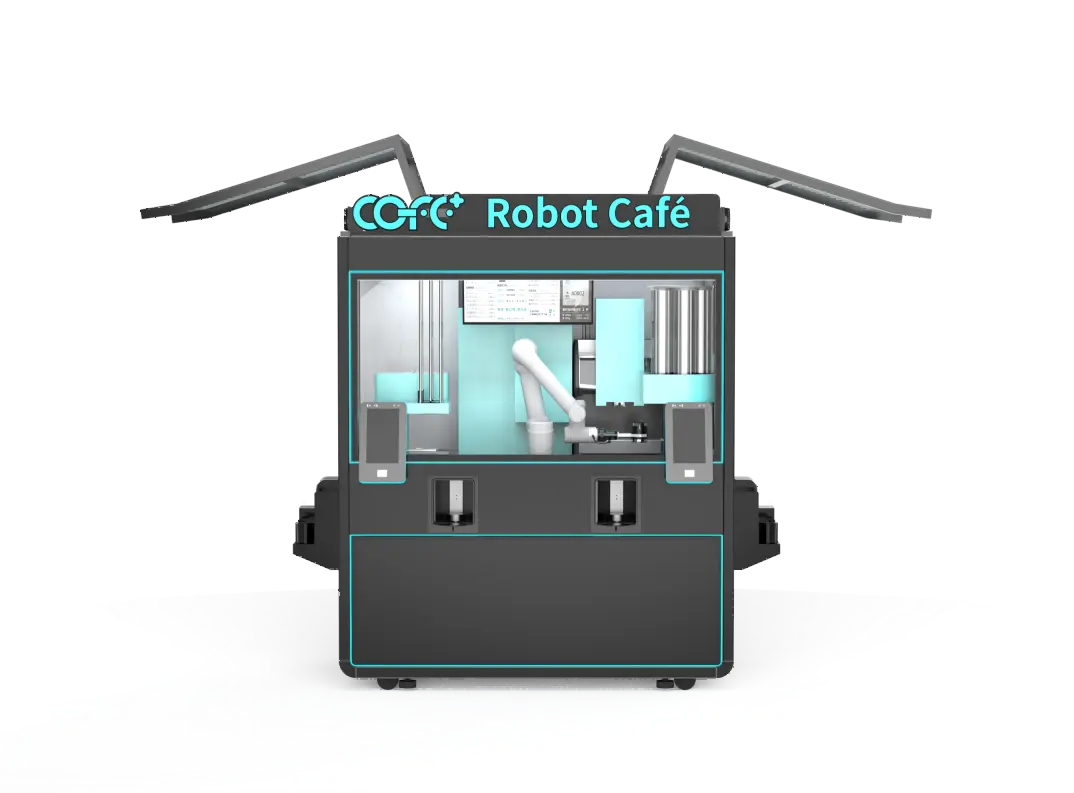
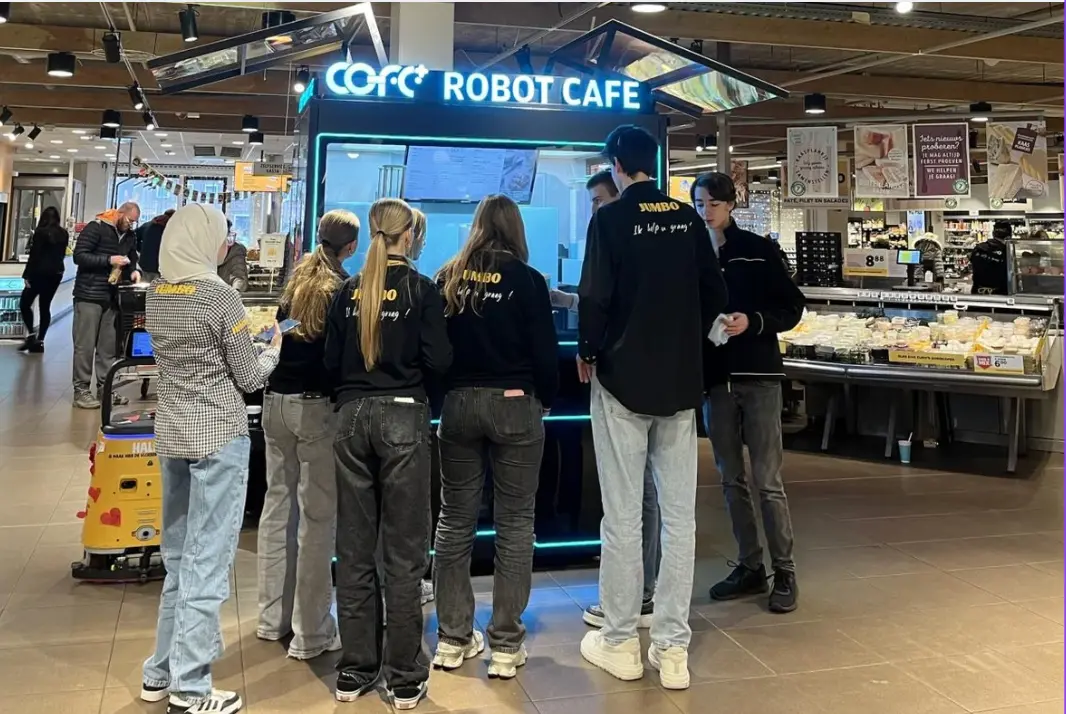
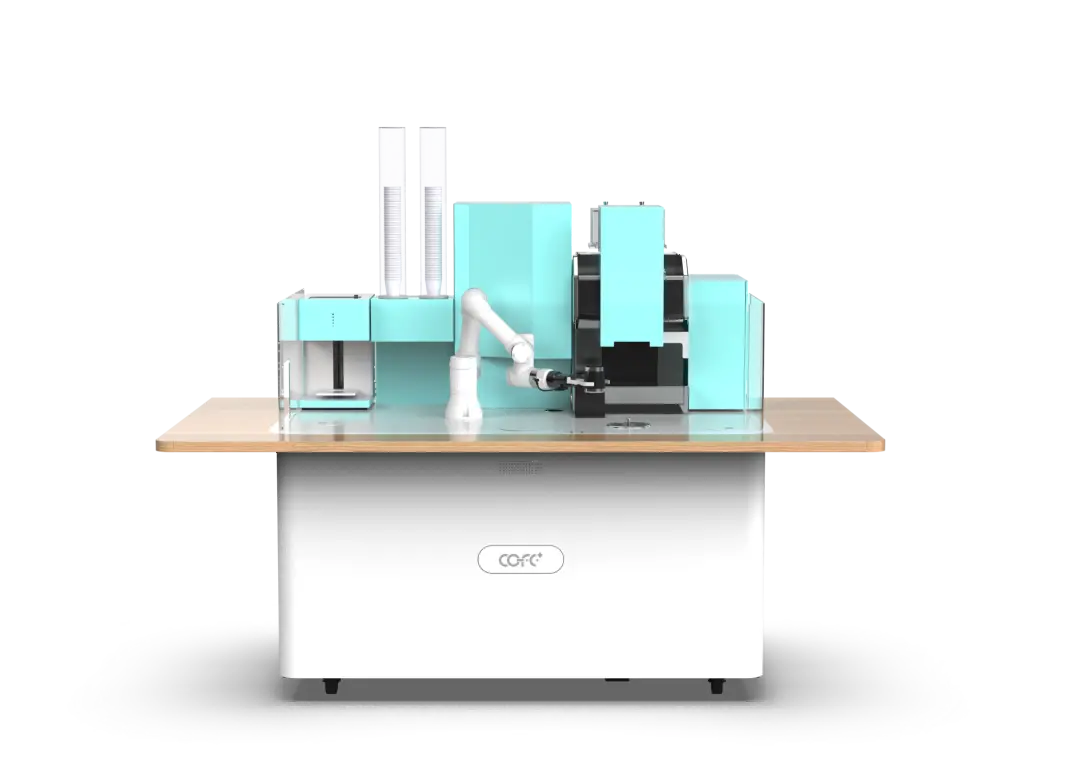
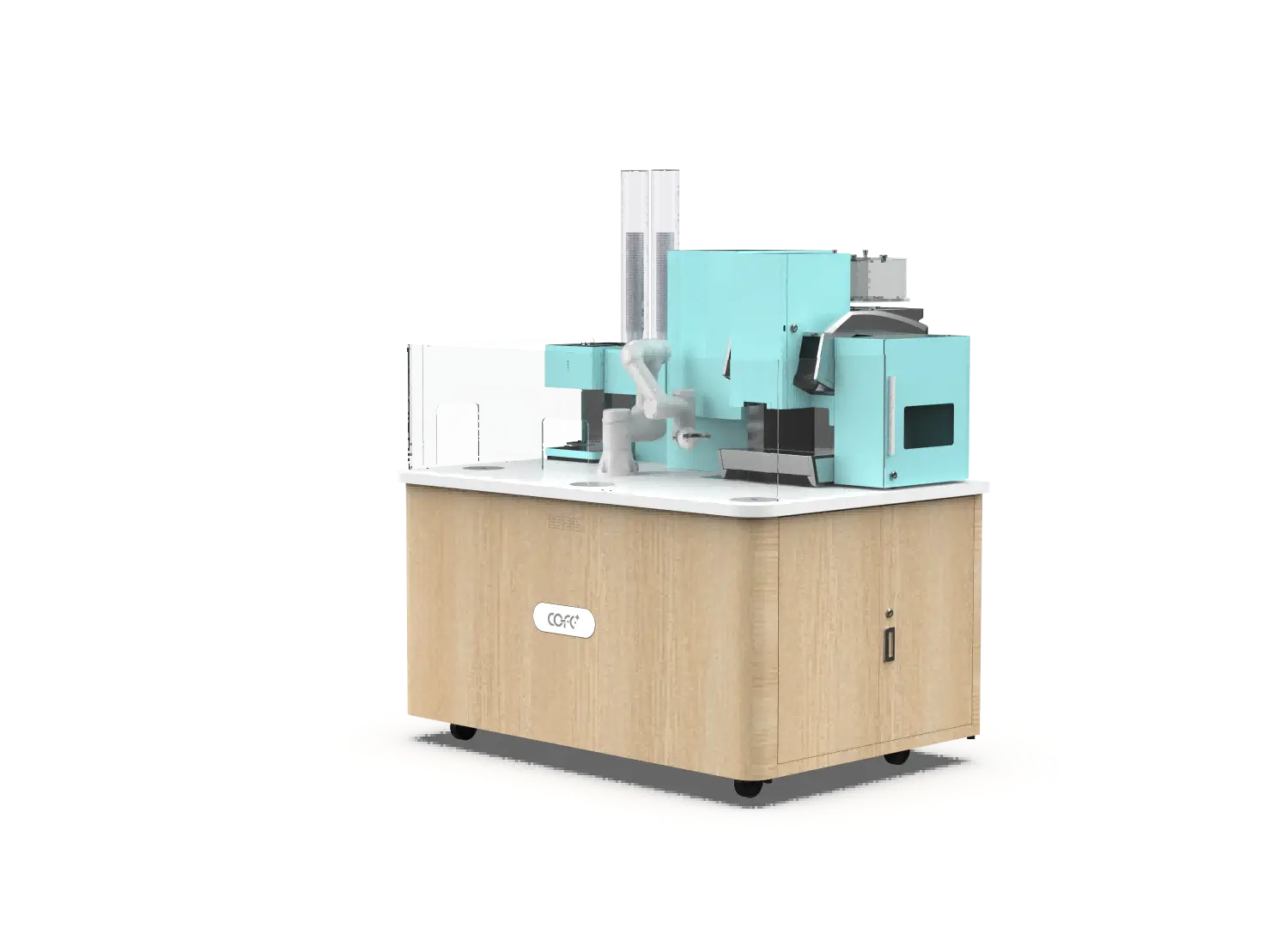
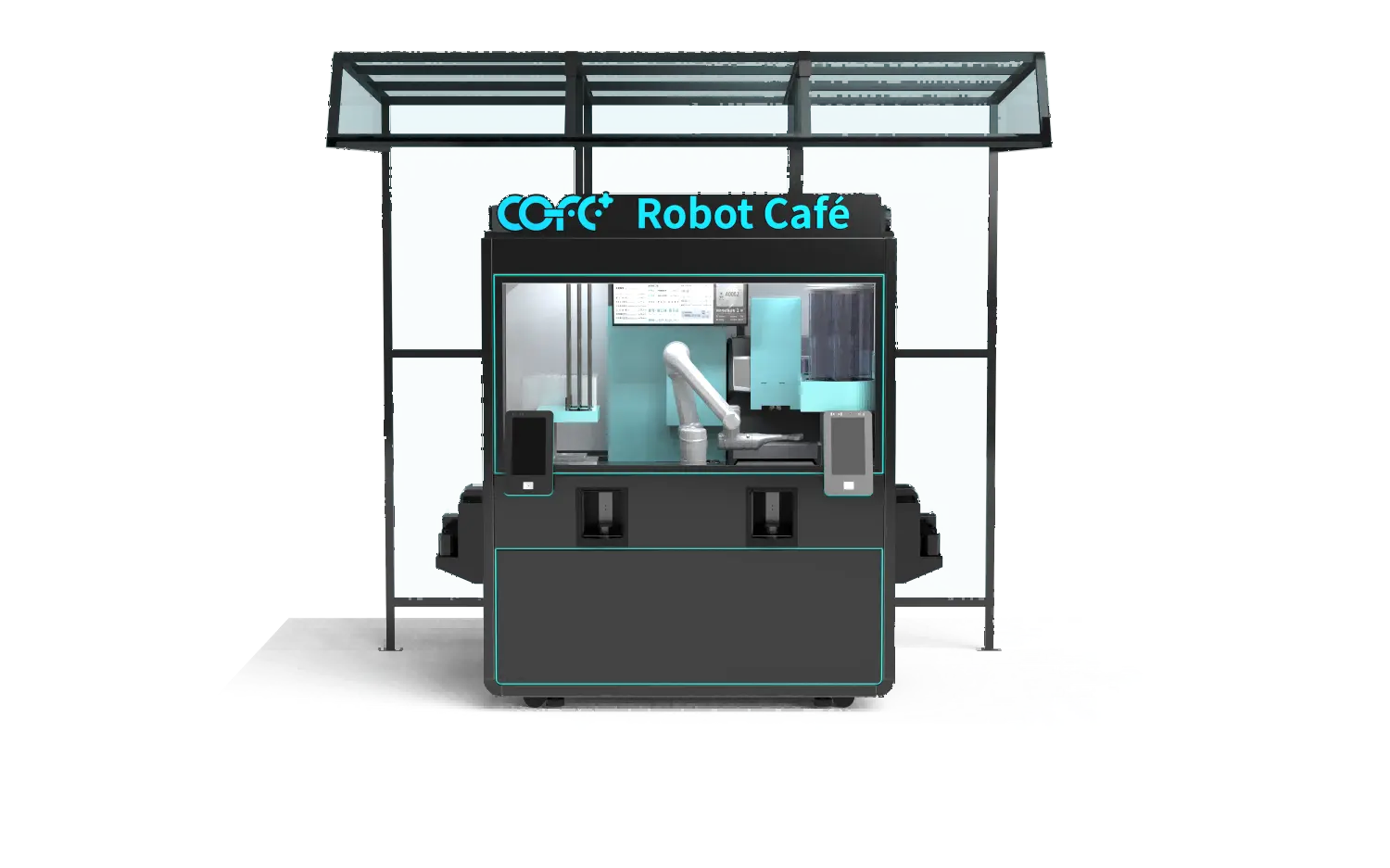
The COFE+ 7th Generation Smart Coffee Robot Kiosk already reduces the service burden with automatic cleaning, cloud monitoring, and remote diagnostics. The machine carries FDA, CE, UKCA, KC, and SASO certifications, which matters when local service teams face food safety and electrical reviews. It can run around 1,000 cups per day with a cost per cup between $0.30 and $0.70 and a typical payback within 6 to 12 months. Those economics only hold when downtime stays measured in hours rather than days.
Service scope is not a headcount decision; it is a territory decision. The team that supports two kiosks inside one mall has a different shape from the team that covers five highway rest areas across 200 kilometers. Write down every task that cannot be resolved through the cloud before you recruit. The COFE+ system handles many routine functions remotely, so the local team can stay small and specialized.
| On site task | Technician skill required | COFE+ system support | Response target |
|---|---|---|---|
| Installation and commissioning | Electrical, water, drainage, and network basics | Factory acceptance test and remote guidance | 24 hours |
| Preventive cleaning and calibration | Follow documented checklists | Automated cleaning cycles and cloud checklists | Scheduled |
| Consumables restock | Inventory discipline | Remote stock alerts and consumption forecasts | 48 hours |
| Module diagnosis and replacement | Read error codes and swap modules | Remote diagnostics and spare parts guidance | 24 to 48 hours |
| Site relocation | Mechanical and utility work | Placement guidance and transport checks | Scheduled |
This is the moment a local team builds landlord confidence. A technician who can verify power load, water supply, drainage, and network requirements on the first visit prevents a long approval cycle. We ask partners to treat the first install as a documented runbook rather than a one-time event. The runbook becomes a training asset for every technician hired after the first site goes live.
The second area of scope is inventory response. Robot coffee kiosks generate detailed stock data, but the local team still has to act on it. Milk, coffee beans, syrups, cups, and cleaning supplies are not universal across markets. Local procurement shortens replenishment time and avoids import delays. Remote consumption data gives the technician a forecast before a stock alert interrupts a busy site.
Traditional vending machine repair skills are useful but incomplete. A robot coffee kiosk is an IoT device with cloud telemetry, a robotic arm, a dosing system, and a point of sale terminal. The technician who adds the most value is the one who can read an error code and decide whether to swap a module, clean a sensor, or escalate to remote engineering. Mechanical ability alone leads to parts being replaced without solving the root cause.
Look for three signals when hiring: comfort with a cloud dashboard before any physical work, disciplined documentation of every intervention, and awareness of food contact rules. A coffee machine is not a soda vending machine, so hygiene and ingredient safety belong in the job description. Candidates who have serviced commercial espresso equipment often adapt faster than general appliance repairers.
Remote diagnostics do not remove the need for a local team; they raise its efficiency. The COFE+ cloud platform monitors stock, temperature, and system status continuously. When an alert arrives, the technician already knows what to bring. That converts most visits from diagnosis plus repair into a single planned intervention. For multi-location operators, this is what lets one technician cover a wider territory than traditional vending fleets would require.
The data also supports sales. A distributor who shares uptime and service response reports with a landlord can justify revenue share terms and renewal pricing. I tell partners to collect three metrics from day one: response time, first visit fix rate, and stockout hours. These numbers become the proof behind the next site negotiation.
If your territory includes sites with variable power, water, or drainage access, confirm those utility requirements against the kiosk specification before you finalize your service roster. Send the site details to sales@hi-dolphin.com and we will map the electrical load, water supply, and network requirements for your first locations.
Service readiness is often the reason a property owner signs a three-site agreement instead of a single pilot. The buyer may not say it directly, but their real objection is usually about what happens after installation. A distributor who can name response times, spare parts stock, and a trained local technician removes that objection before it slows the decision. The sales team closes faster, and the operator’s confidence carries into the next location.
Before you commit to a launch schedule, share your candidate site list and current technician capacity with our team at sales@hi-dolphin.com or +86 131 6630 1290. We will map the service scope, spare parts plan, and remote monitoring workflow for your territory before your first unit ships. That early planning is the lowest cost step in building a local service team for robot coffee kiosk sales.
Start with one technician for every three to five kiosks, then adjust by territory density and site complexity. A tight urban cluster may need one technician because travel time is short and remote diagnostics handle most issues. A dispersed regional network may need two technicians even for five kiosks because response time matters more than raw headcount. Base the number on the worst case trip time between the two furthest locations during peak hours.
A common assumption is that any appliance repair technician can service a robot coffee kiosk; that is only partly true. The core mechanical and electrical skills matter, but the strongest candidates also read cloud dashboards and follow food safety protocols. Commercial espresso equipment experience is a practical advantage because it brings familiarity with grinders, milk systems, water quality, and temperature control. Hire for diagnostic thinking and documentation habits before hire for speed.
It depends on the site mix and the expected revenue risk. A single kiosk in a staffed office may run for weeks on remote support alone, while a highway rest area needs fast local response because any stoppage is lost sales. The practical answer is to match service presence to the cost of downtime. A low traffic site can tolerate a longer response window. A high volume site cannot, and that is exactly where a local technician becomes a renewal lever.
In programs we have supported, remote monitoring shifts most visits from open ended diagnosis to planned repair, which changes how far one technician can cover. The kiosk reports stock levels, temperature, and system faults before the customer notices. The technician arrives with the correct part and the correct procedure already documented. That consistency reduces repeat visits and makes a smaller team viable across a wider territory.
The better question is not who to hire first, but what the first site requires. Confirm power, water, drainage, internet, and floor load before recruiting, because those conditions define the skill set and tools the technician needs. A site with limited drainage or unstable power will demand different preparation than a clean indoor installation. Share your site list with sales@hi-dolphin.com and we will confirm the service scope before you commit to headcount.
TL;DR — COFE+ is a fully automated robotic coffee kiosk that grinds fresh beans, brews espresso and lattes, creates latt……
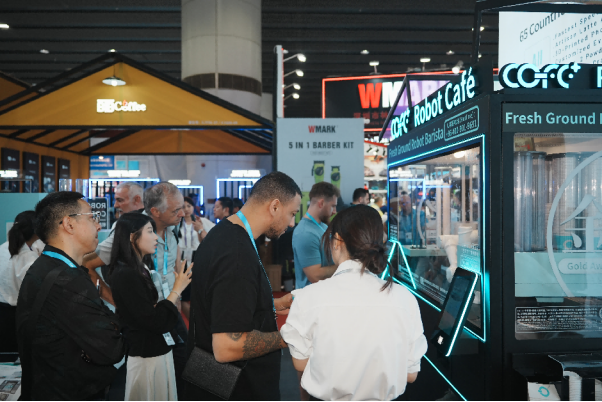
7th-Genertion Smart Robot Coffee Kiosk Arrives at the Belt and Road Core Hub, Ushering in a New Service Era Along t……
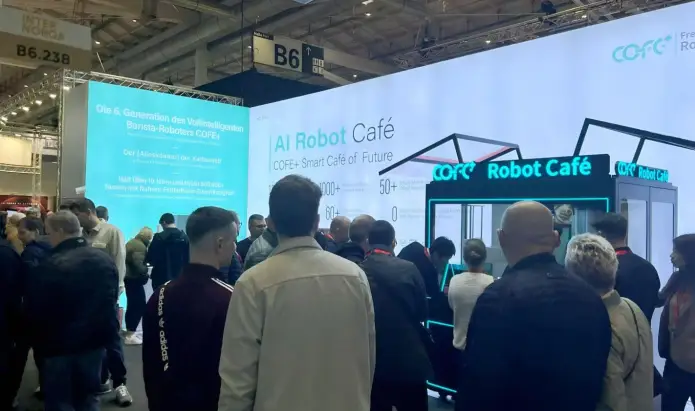
CHICAGO, May 12, 2026 (GLOBE NEWSWIRE) – Shanghai Hi-Dolphin Robot Technology today announced the U.S. debut of its 7th‑……