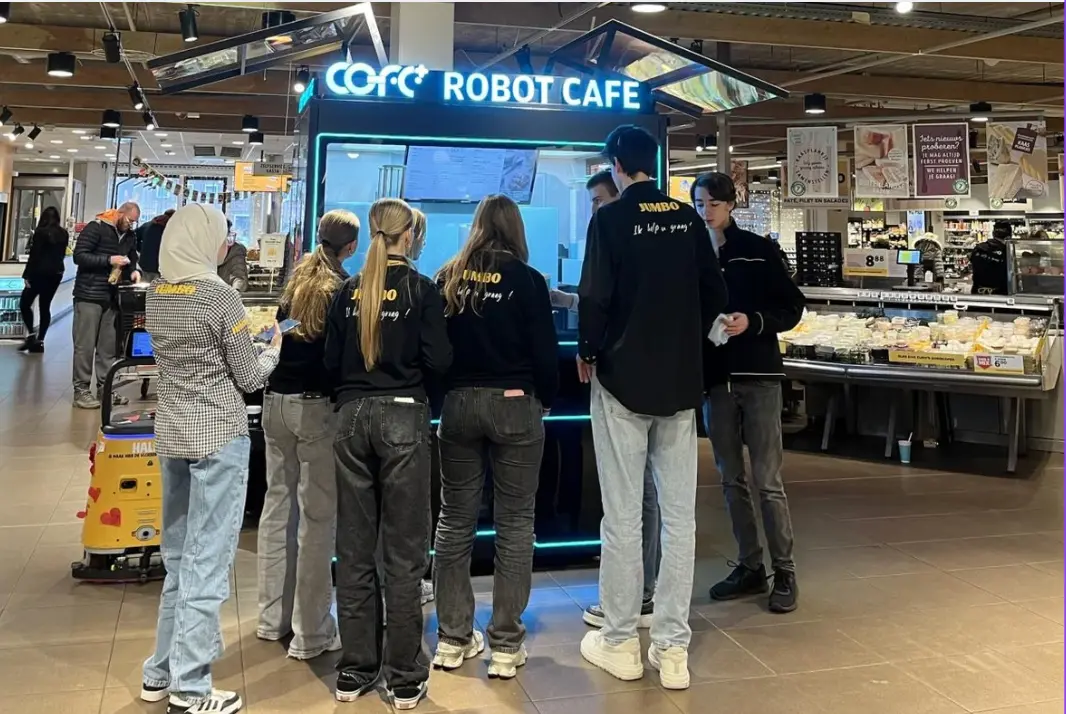
The Rise of Professional Robotic Café Technology: What COFE+ Is and Why It Matters
TL;DR — COFE+ is a fully automated robotic coffee kiosk that grinds fresh beans, brews espresso and lattes, creates latt……

Selling robot coffee kiosks to property owners fails when the pitch starts with autonomy. It closes when the distributor makes the landlord’s problem the center of the conversation: idle square meters, thin service coverage, and a tenant amenity that costs more to staff than it earns. In my work with distributor teams, the break usually happens in the first ten minutes. The distributors who move fastest do not open with robotic arms or cup counts. They open with a simple arithmetic case for a specific building. That position carries through every stage below.
Most property owners hear robot and think capital project. They assume construction, long installation, and a maintenance contract they do not fully understand. A distributor who starts with machine architecture walks straight into those assumptions. The stronger opening is to talk about the space that currently produces nothing. A lobby corner, a covered walkway, an underused retail bay, or a parking lot edge can become a 24-hour service point without hiring a single barista. The COFE+ 7th Generation indoor unit takes 2.35 m², roughly the footprint of a small storage closet, and prepares a drink in 43 to 60 seconds. That detail only matters after the landlord sees the space as an income line rather than a display risk. I have watched distributor teams lose attention because they described robotic arms before they described the tenant experience.
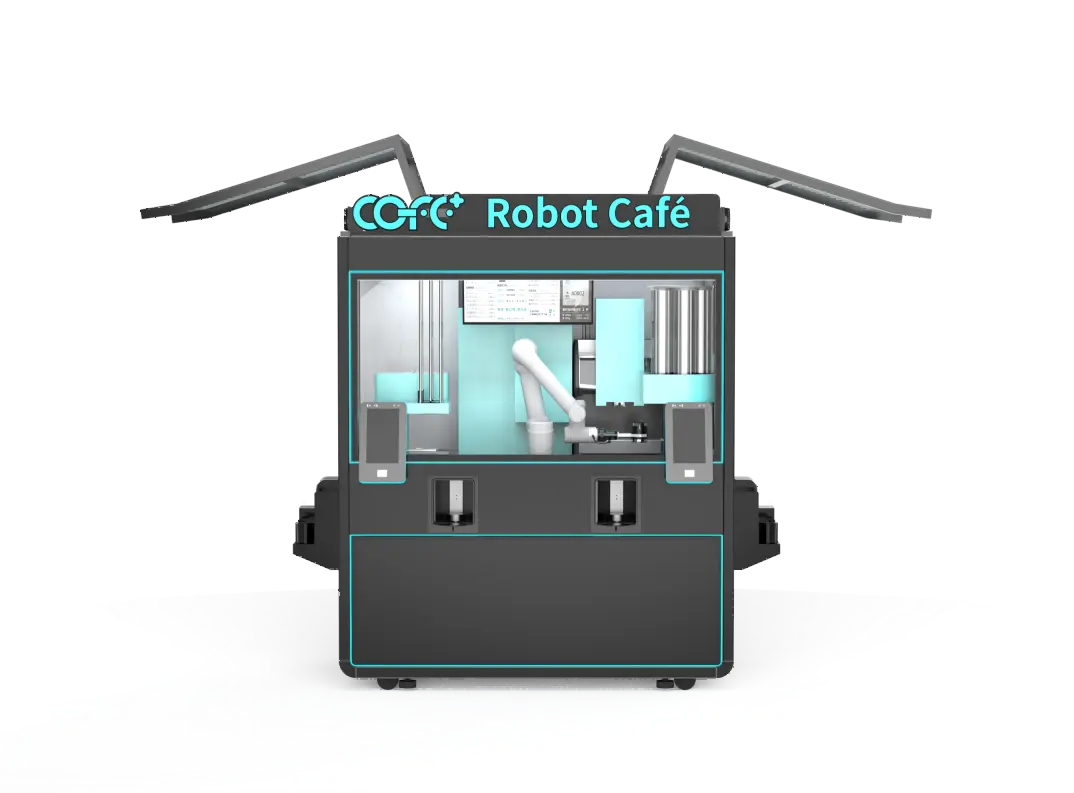
A landlord does not need to believe in robotics to believe in a second rent line. The first pass model should turn four inputs into two scenarios: daily cups, average ticket, site rent or revenue share, and consumables. Base case should clear the property owner’s minimum rent expectation; peak case shows why the rooftop and transit anchors matter.
Use foot traffic, dwell time, and the nearest alternative coffee option. For an office lobby, count employees by shift and morning arrival pattern. For a transit hub or shopping mall, use entrance counts rather than total passes. Apply a sensible capture assumption, usually 1 to 4 percent for a first site, and present base and peak scenarios. A site doing 80 cups a day at a $4.50 average ticket generates $360 in daily sales before rent share. That arithmetic gives the owner a reason to keep listening.
Property owners respond to guarantee language. Offer a fixed monthly minimum plus a share above a threshold, or a pure revenue share with a capped minimum. Distributors who bring a prepared one-page term sheet shorten the negotiation because the owner can act without building an internal model. The machine level economics support this confidence because cost per cup runs from $0.30 to $0.70, leaving room for rent, maintenance, and distributor margin even at moderate volume.
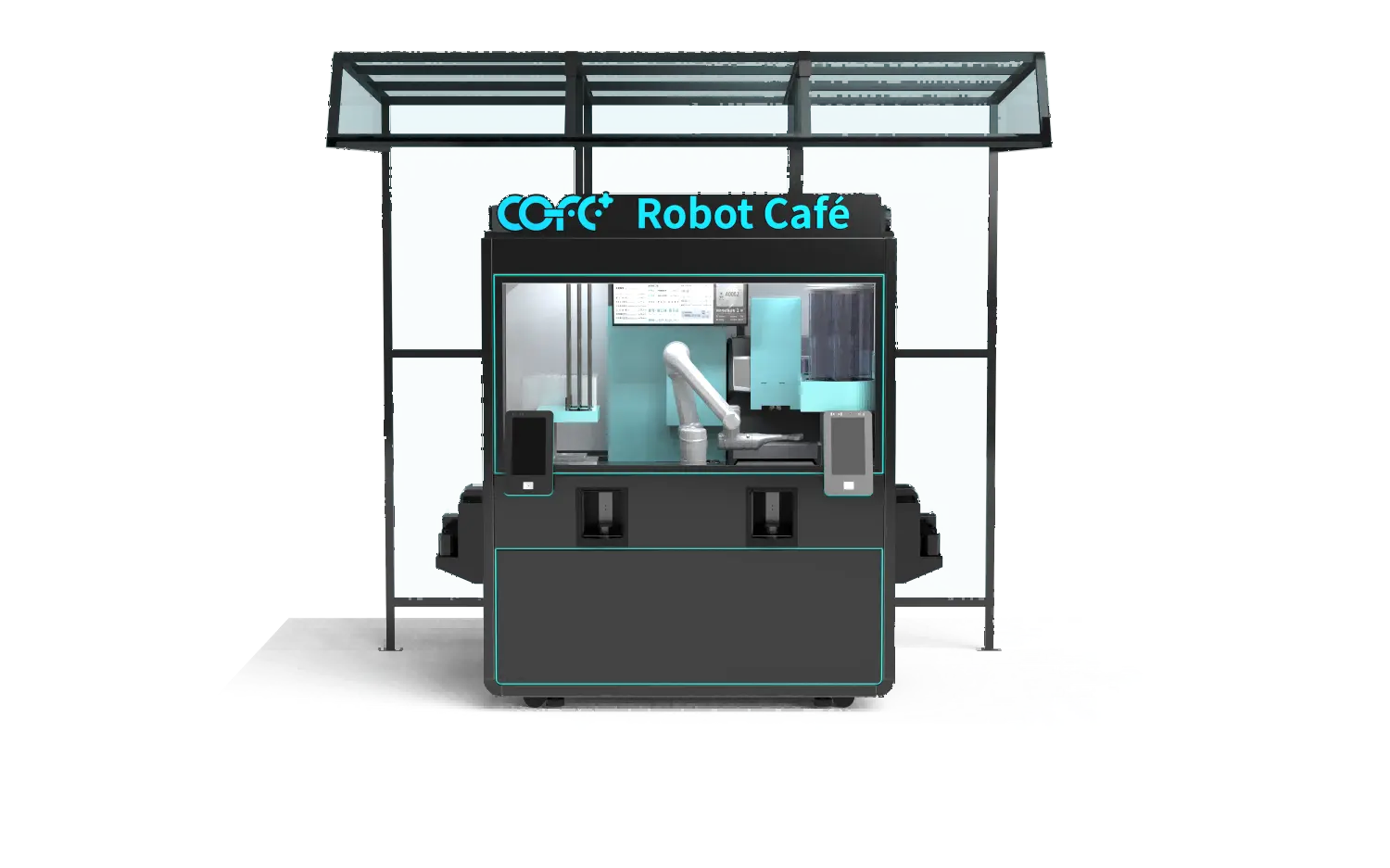
A pilot is the fastest way to move a property owner from interest to contract. The point is not to prove the robot works; the product already does that. The point is to prove the site works.
Run a 30- to 60-day pilot with these steps:
This structure turns a vague innovation conversation into a property-level decision. The owner can see the unit as a tenant amenity with a measurable behavior pattern.
Do not judge a site on total units deployed. Judge it on cups per day, service alerts, and the number of repeat customers. A location doing 60 cups a day with stable uptime is more valuable than a location doing 120 cups only on Friday afternoons. Use the pilot to identify the local menu, peak staffing of the refill route, and the real site access schedule for maintenance.
If the pilot property has unusual power, water, or drainage constraints, confirm the exact requirements and certificate package before signing terms. Send the address and a daily foot traffic estimate to sales@hi-dolphin.com and a site checklist will come back to you.
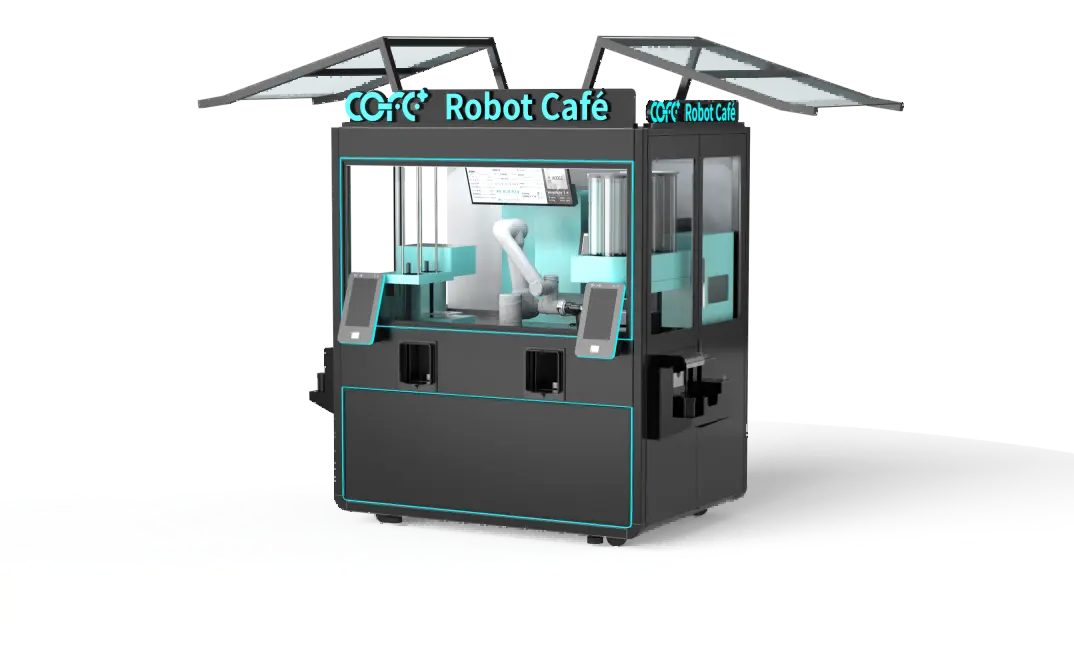
Property owners do not buy a machine; they buy a service format that fits their building. The four formats map cleanly to different owner incentives.
| Property type | Recommended format | Primary value driver | Site note |
|---|---|---|---|
| Shopping malls and retail centers | Indoor kiosk or robot coffee bar | Dwell time and premium options | Place near seating or anchor stores |
| Airports, transit hubs, and outdoor public areas | Outdoor kiosk | All-weather 24/7 service | IP54 rated, operates from -20°C to 45°C |
| Hotels, VIP lounges, and corporate receptions | Robot coffee counter or bar | Visual coffee experience with no staff | Counter format fits under 2 m² folded |
| Universities, hospitals, factories, and apartment communities | Indoor kiosk | High-volume shift-based service | 2.35 m² footprint fits lobby and corridor edge |
| Museums, exhibition halls, and co-working spaces | Mini robot coffee shop or counter | Small footprint plus premium positioning | Choose based on desired seating and flow |
The table works because each entry leads with the owner’s operational context. A distributor who treats every building the same will win the easiest sites and lose the profitable ones.
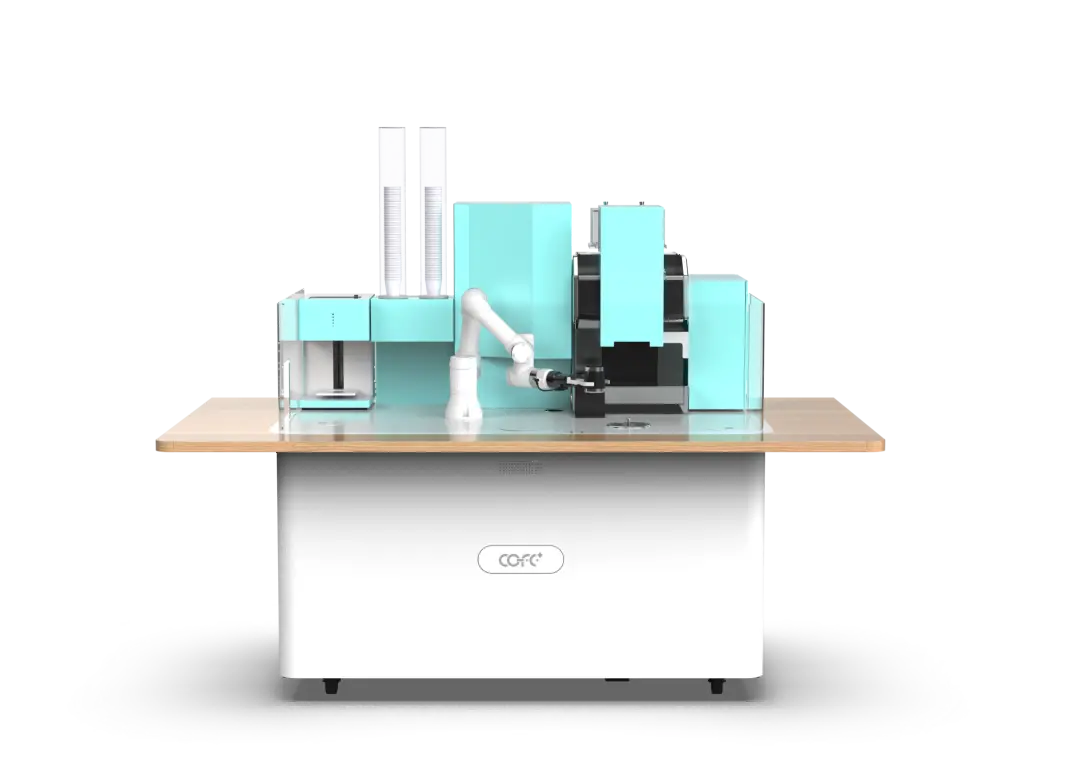
Site readiness closes the deal. Walk the property with the facilities team and confirm power, water, drainage, internet, and ventilation before the commercial conversation. The outdoor COFE+ 7th Generation unit is designed for hard conditions, with IP54 dust and water resistance and operation from -20°C to 45°C. The indoor unit still needs a clean water line, a drain route, and enough floor load for the equipment. Leave the drain review until after the lease is signed and launch can slip by weeks.
A distributor’s real multiplier is not selling one unit. It is turning a first pilot into a portfolio deployment across a landlord’s other buildings. The hard part is not the robotics; it is the site pipeline. If you are building that pipeline, send the property types, rough daily foot traffic, and timeline to sales@hi-dolphin.com or call +86 131 6630 1290. Ask for distributor pricing, territory terms, and the current site readiness checklist. You will receive enough detail to quote the first three locations without another round of missing information.
Property owners hesitate most around maintenance responsibility and revenue guarantees. They have been through vending programs that lose performance after installation. The response is to make service and monitoring part of the pilot terms, not a separate conversation. Show the remote monitoring dashboard and automatic cleaning cycle during the first visit. A landlord who sees alerts, stock monitoring, and a local technician response path will treat the unit as an amenity rather than a risk.
Many distributors assume a pilot needs six months. That is usually wrong. A 30- to 60-day pilot is enough when the site has stable traffic and the menu matches the daypart. The indoor and outdoor COFE+ units prepare a drink in 43 to 60 seconds, so the first month reveals whether placement and signage convert foot traffic. Longer pilots make sense when the property has seasonal demand or when the owner needs time to approve a multi-site rollout.
It depends on climate and exposure. The outdoor COFE+ 7th Generation unit is rated for operation from -20°C to 45°C with IP54 protection, so most public spaces work. Extreme flooding, unroofed exposure to heavy rain, or corrosive coastal salt air still call for a site survey. Indoor units solve most controlled environments without weather hardening. When the location has utility access and a covered footprint, year-round service is the default.
From our work with distributors, the biggest avoidable delay is incomplete site information. Before requesting a quote, prepare the property address, daily foot traffic, available power and water points, and whether the owner prefers direct purchase, rent, or revenue share. That package lets the factory return a realistic unit recommendation and pilot structure in one step. Share your first three target properties and we will map the formats, site checklists, and pilot terms that fit.
TL;DR — COFE+ is a fully automated robotic coffee kiosk that grinds fresh beans, brews espresso and lattes, creates latt……
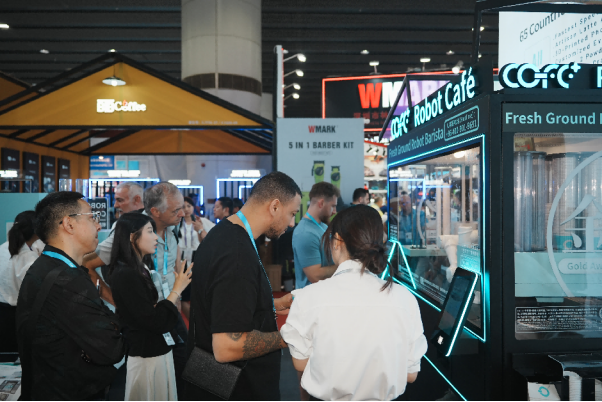
7th-Genertion Smart Robot Coffee Kiosk Arrives at the Belt and Road Core Hub, Ushering in a New Service Era Along t……
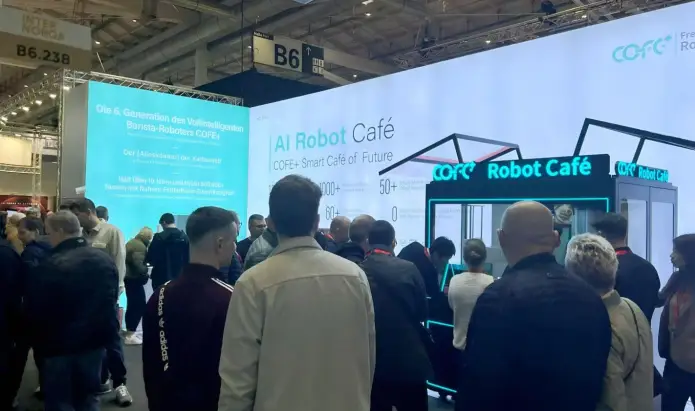
CHICAGO, May 12, 2026 (GLOBE NEWSWIRE) – Shanghai Hi-Dolphin Robot Technology today announced the U.S. debut of its 7th‑……