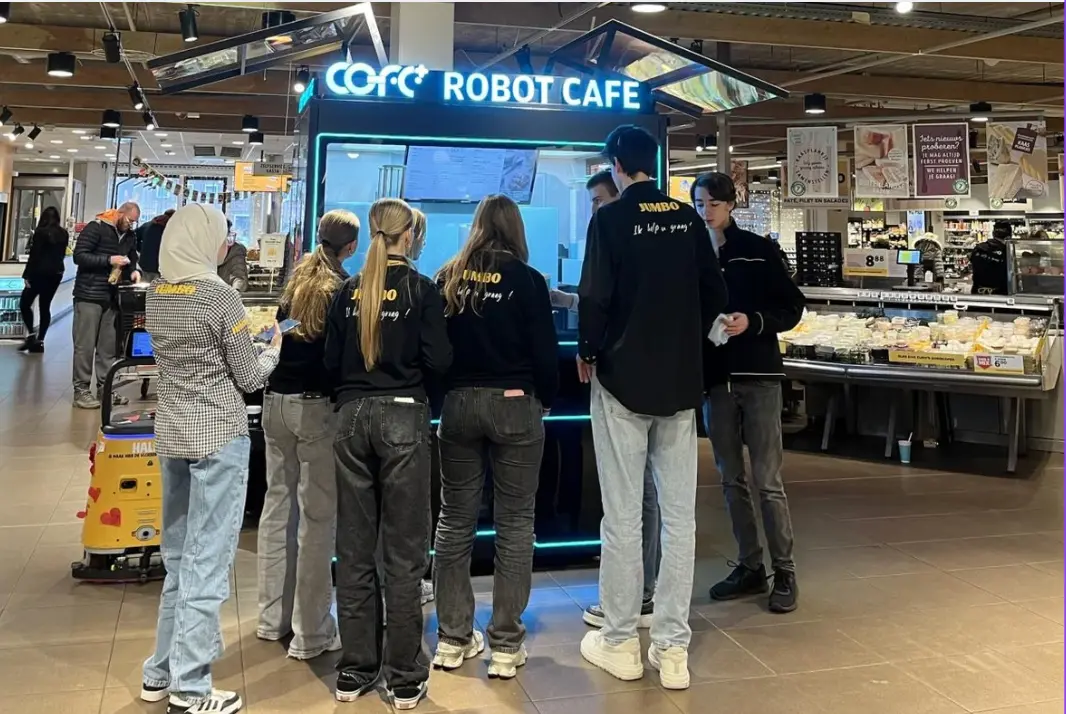
The Rise of Professional Robotic Café Technology: What COFE+ Is and Why It Matters
TL;DR — COFE+ is a fully automated robotic coffee kiosk that grinds fresh beans, brews espresso and lattes, creates latt……

Robot coffee kiosk cleaning frequency should follow the site, not a generic template. Dust load, humidity, pest pressure, and foot traffic determine how quickly milk residue, coffee oils, and waste buildup affect taste and food safety. A climate-controlled office lobby and a coastal outdoor plaza carry very different contamination profiles, so they need different inspection and service intervals. COFE+ machines handle much of the internal sanitation automatically with high-temperature sterilization and an enclosed waste system, but the surrounding environment still sets how often a technician must intervene.
A robot coffee kiosk’s cleaning load is not defined by the machine alone. It is defined by what the surrounding air and traffic carry onto the machine. Indoor malls introduce dust from foot traffic and HVAC systems. Transit hubs add exhaust residue, repeated touchscreen contact, and spill risk near the machine. Outdoor sites bring airborne dust, pollen, rain splash, and in coastal or industrial zones, salt or particulate deposition. Each of these accumulates on external surfaces, seals, and filters, and it eventually works toward internal components if left unaddressed.
The baseline stays the same everywhere. Every day, an operator or technician should verify that the automated sterilization cycle completed, check the drip tray and waste level, and wipe the touchscreen and payment area with a food-safe sanitizer. The COFE+ 7th generation kiosk runs automatic 85°C high-temperature sterilization and uses an anti-microbial stainless steel interior, which protects internal food contact surfaces between service visits. That capability does not remove external residue or environmental ingress. Those are the variables that change by location.
In deployments we have planned, the first step is always a site contamination profile. We look at whether the kiosk sits near an entrance, a transit corridor, or an open-air plaza, and we map what that scene pushes onto the machine between scheduled visits. A kiosk placed away from a parking-gate breeze will accumulate far less than one seated directly in a foot-traffic path. The difference shows up within a week in filter loading and drip tray sludge.
Climate-controlled indoor locations are the least demanding, but they are not zero-maintenance. The controlled air reduces dust and keeps humidity steady, while the enclosed footprint holds pest pressure to the level of the surrounding food court or break room. The daily schedule stays light: confirm the auto-clean log, clear the drip tray, wipe the touchscreen, and check the waste bin. These tasks take a few minutes during a routine service or restock visit.
Weekly work should add the milk system. Even in clean indoor air, milk residue builds inside lines and couplings, and it is the fastest path to taste drift and spoilage. Flush the milk line, inspect the bean hopper and grinder chute for oil buildup, and verify the water filter is within its service window. In harder water regions, descale more often, because the frequency here follows water hardness more than location type.
Monthly indoor service should cover the brew group, grinder burrs, and drain path. A seated office lobby may go 30 days between deep cleans without visible problems, but skipping the monthly check lets coffee oils go stale inside the extraction path. That produces a flavor shift before any machine alert appears.
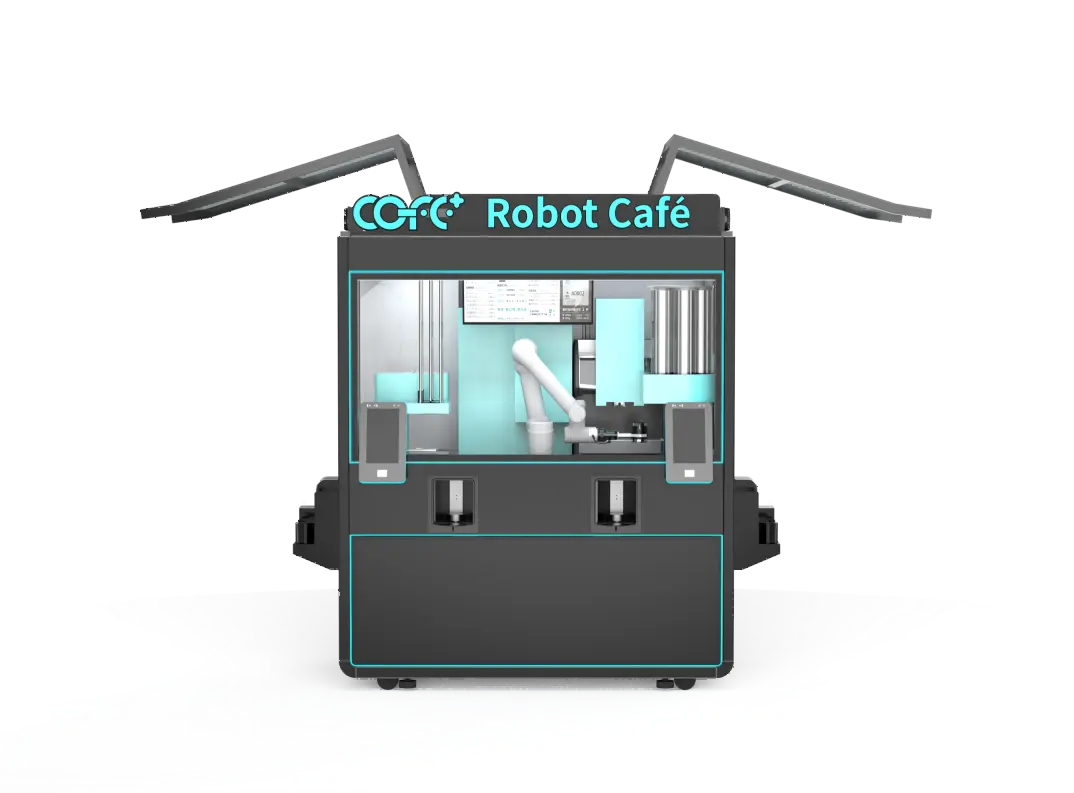
Transit hubs, airports, and campus food courts change the cleaning job in two ways: throughput climbs, and public touch surfaces multiply. A kiosk moving several hundred cups a day cycles through more milk, more cups, and more waste than a lobby machine handling a fraction of that volume. The recommended cadence shifts from daily inspection to multiple touchpoints per day, particularly around peak periods.
The touchscreen and payment pad carry the heaviest contamination load because hundreds of hands pass through. A transit site should sanitize the screen and card reader at least twice during operational hours, once at midday and once before evening peak. Waste levels should be checked the same way. An overflowing waste bin pushes residue into the door seal area and creates a pest and odor risk that indoor kiosks rarely face.
For high-traffic sites, we recommend moving the weekly milk-line flush to twice weekly when the site averages above 250 cups per day. The brew group and grinder cleaning interval should also compress from monthly to every three weeks. These adjustments come from throughput, not from visible dirt. Waiting until the machine shows residue means the customer has already tasted the consequence.
If your location serves commuter rush periods or student waves, it is worth confirming the waste capacity and filter intervals before finalizing your operating plan. Share your peak-hour cup estimate with us at sales@hi-dolphin.com and we will confirm the service schedule that keeps the machine within food-safety margins during those spikes.
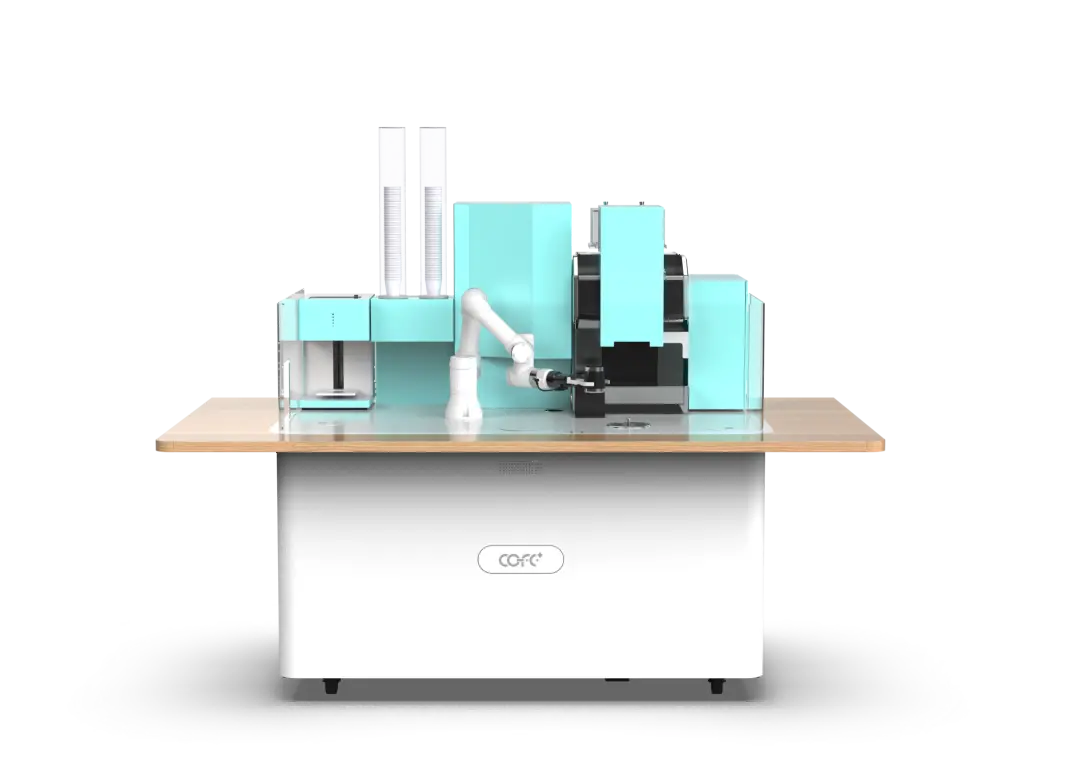
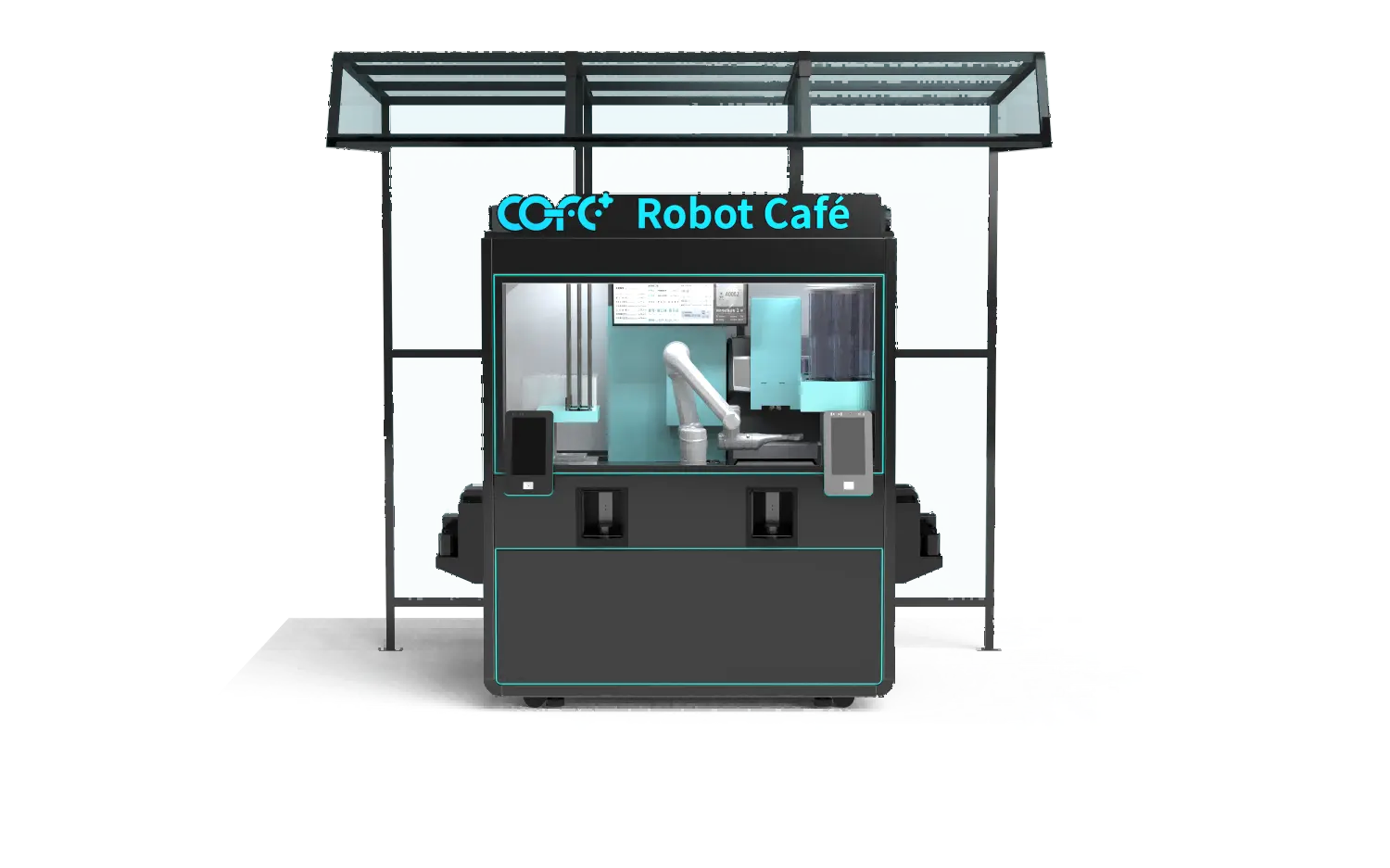
Outdoor kiosks carry the widest range of cleaning demands because the environment actively attacks the enclosure. The COFE+ outdoor unit is built for this: IP54-rated protection against dust and water, UV-resistant panels, an anti-condensation system, and a fully enclosed waste system rated for continuous operation from -20°C to 45°C. Those protections reduce contamination, but they do not stop dust and salt from settling on seals, vents, and external surfaces.
Daily outdoor service adds an exterior wipe and filter check. In coastal or industrial zones, wipe the exterior with a damp cloth to remove salt spray or particulate film before it corrodes metal fittings or degrades rubber seals. Check the waste enclosure seal each day. An enclosed waste system blocks most pests, but a loose seal around the access door is an invitation in high-humidity and coastal environments.
Weekly outdoor work should inspect all door gaskets, the anti-condensation drain, and the air intake filter. Dusty sites may need filter replacement every two weeks rather than monthly. Descale the water path more often in regions with hard or brackish water. After heavy rain, verify the base and drainage path are clear so standing water does not sit against the lower panels.
The table below sets practical intervals against the main location categories.
| Location Type | Daily Cleaning | Weekly Service | Extra Interval Driver |
|---|---|---|---|
| Climate-controlled indoor | Verify auto-clean, wipe screen, check waste | Milk-line flush, drip tray deep clean | Water hardness |
| Transit hub or campus | Two touchpoint checks, screen sanitize twice | Twice-weekly milk flush, three-week brew group | Cup throughput |
| Outdoor urban plaza | Exterior wipe, seal and waste check | Filter service, drain and gasket check | Dust and rain splash |
| Coastal or industrial outdoor | Damp wipe for salt film, seal check | Descale plus filter replacement | Salt air and particulates |
Operators managing multiple sites usually want one cleaning standard they can audit. The problem is that one schedule cannot serve all locations, and forcing a single calendar onto different sites creates gaps exactly where contamination risk is highest. The better structure is a two-layer system: the machine’s automated sanitation and cloud log form the baseline, and a site-specific manual schedule covers the environmental load.
Hi-Dolphin cloud monitoring records each automatic sterilization cycle, temperature event, and waste or ingredient alert, so the hygiene record exists without manual paperwork. That record becomes the audit trail health inspectors and franchise standards teams ask for. The manual layer follows the location table above, adjusted by your own site observations after the first 30 days.
If you are setting cleaning frequency for a new location, share the site type, expected daily cup volume, and any dust or humidity conditions. We will return a recommended schedule and confirm which machine configuration fits the site. Email sales@hi-dolphin.com or call +86 131 6630 1290.
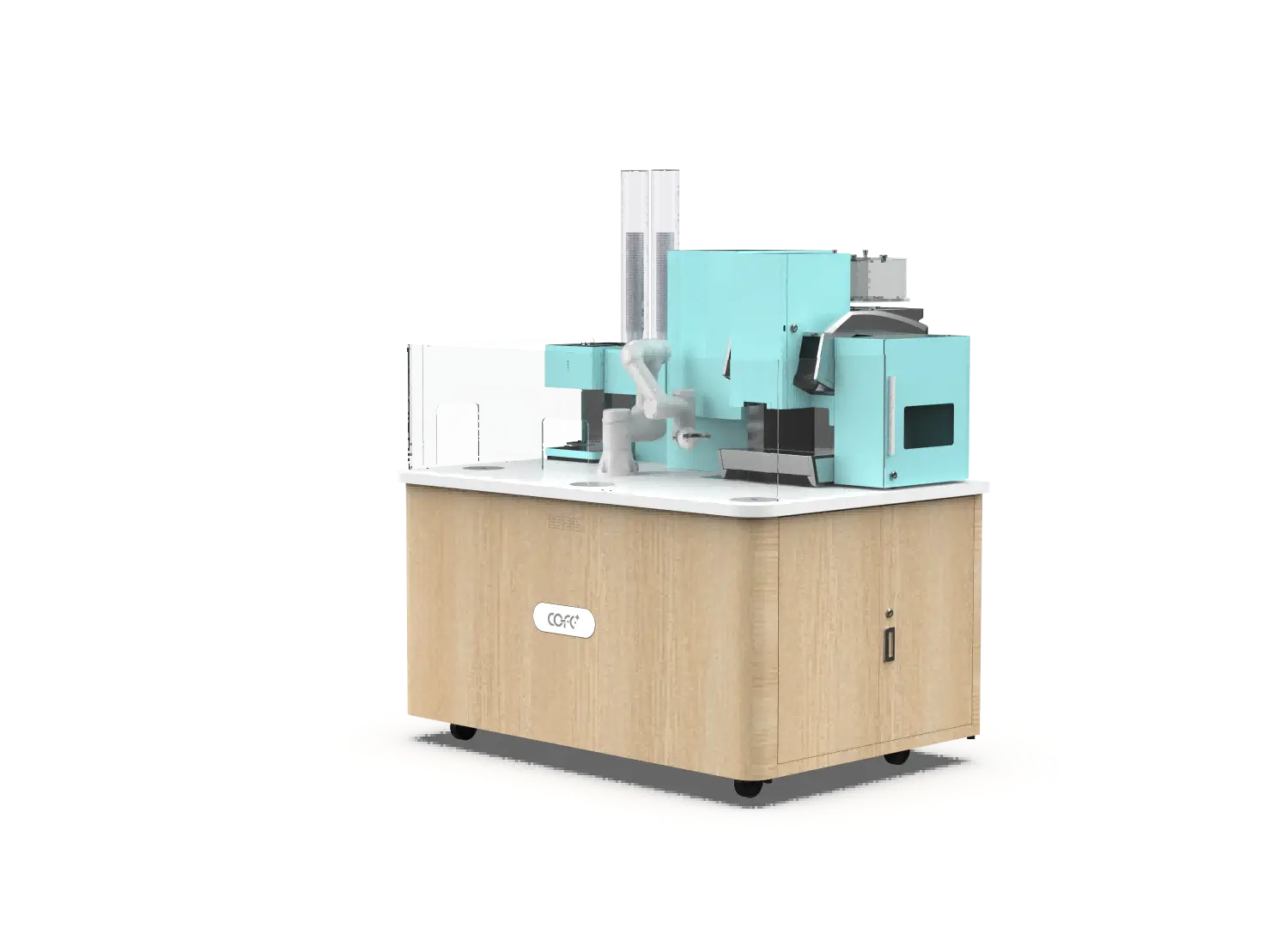
No. The automatic 85°C high-temperature sterilization cycle sanitizes internal food contact surfaces and protects the beverage path between visits. It does not clean the touchscreen, the exterior panels, the drip tray, or the waste bin access area. Those surfaces still require manual attention because they face the customer environment rather than the sealed drink path. Operators who treat the auto-clean cycle as a full replacement find residue buildup within two weeks.
It depends on the site mix. A network made up only of indoor office and mall kiosks can usually run a single schedule with water-hardness adjustments. A network that mixes outdoor plazas, coastal sites, and transit hubs cannot, because the contamination drivers differ. The correct approach is one baseline automated schedule plus a location-class manual layer. Attempting one calendar across unlike sites pushes the risk into the dustiest locations, which is where failures show up first.
Most operators assume a missed cleaning cycle reveals itself as an equipment error. It more often shows up first as a subtle taste change in milk-based drinks, usually within two to three weeks in high-traffic sites. Coffee oils go stale in the extraction path more slowly, but milk residue in lines turns quickly. Before the customer notices, the temperature log and cleaning log will show the missed cycle. That record is why cloud-based verification matters as much as the physical run itself.
After heavy rain, check the base area, drainage path, and door seals on outdoor units. Standing water against the lower panels can work into seals over time. After a dust storm, replace or clean the air intake filter and wipe exterior vents. In our experience, post-event checks prevent the slow accumulation that turns a one-time environmental event into a chronic cleaning problem. Share your site’s local weather profile and we will confirm which filters and seal checks should be on your monthly list at sales@hi-dolphin.com.
TL;DR — COFE+ is a fully automated robotic coffee kiosk that grinds fresh beans, brews espresso and lattes, creates latt……
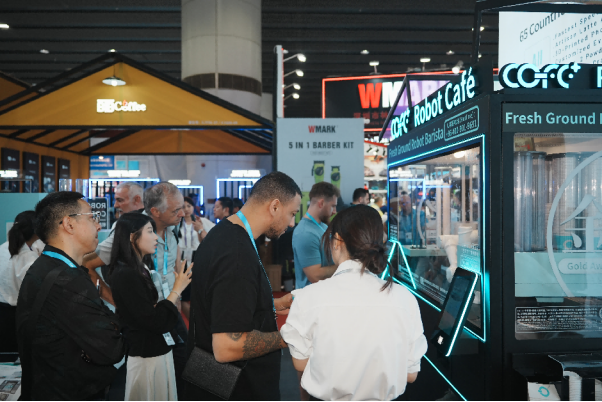
7th-Genertion Smart Robot Coffee Kiosk Arrives at the Belt and Road Core Hub, Ushering in a New Service Era Along t……
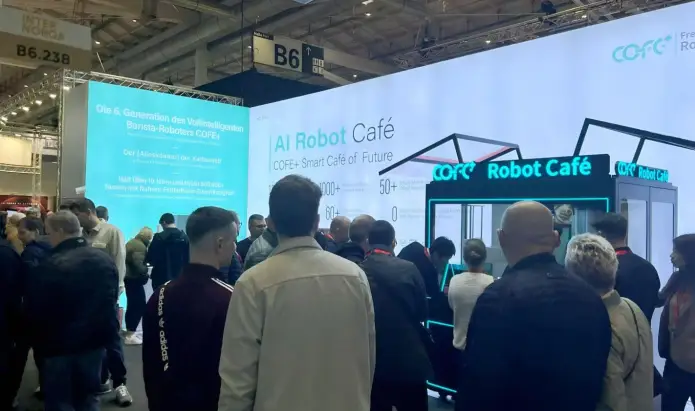
CHICAGO, May 12, 2026 (GLOBE NEWSWIRE) – Shanghai Hi-Dolphin Robot Technology today announced the U.S. debut of its 7th‑……