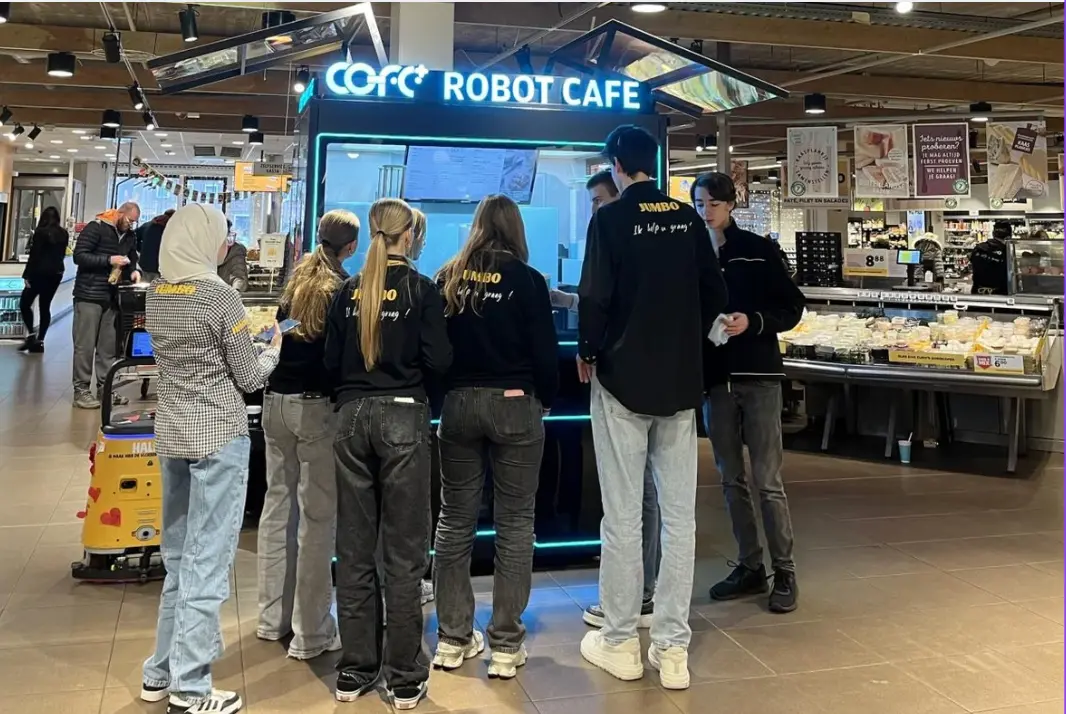
The Rise of Professional Robotic Café Technology: What COFE+ Is and Why It Matters
TL;DR — COFE+ is a fully automated robotic coffee kiosk that grinds fresh beans, brews espresso and lattes, creates latt……

Multi-city expansion changes the coffee conversation. A regular in Shanghai and a first-time buyer in Jakarta expect the same cup, but water chemistry, ambient humidity, milk supply, and machine drift pull flavor in different directions. Coffee taste consistency across cities is less about a single recipe and more about whether every variable is locked into one operating system. In our robot coffee kiosk deployments, we start from the opposite end: fix extraction parameters, ingredient specs, and sanitation triggers in a single platform, then adapt only what must change by location.
Taste drift rarely starts inside the espresso chamber. It starts earlier, in the supply chain and the site environment. Water hardness changes extraction. A high-mineral supply pulls too much of the soluble material from the coffee bed and turns a balanced cup bitter; a soft supply under-extracts and leaves it thin. Temperature and humidity matter next. A humid market can clump ground coffee in storage, while a cold site slows milk delivery lines and changes foam texture. Finally, ingredient substitution creeps in when a local team runs low and buys a different milk brand before the next replenishment arrives. The machine stays the same; the inputs around it do not.
Operators often treat these as separate local problems, so they make local fixes: adjust the grinder in one city, increase the dose in another, switch milk in a third. Each fix solves the visible complaint and quietly creates a different cup. That is why the control point has to move from the site team to the system.
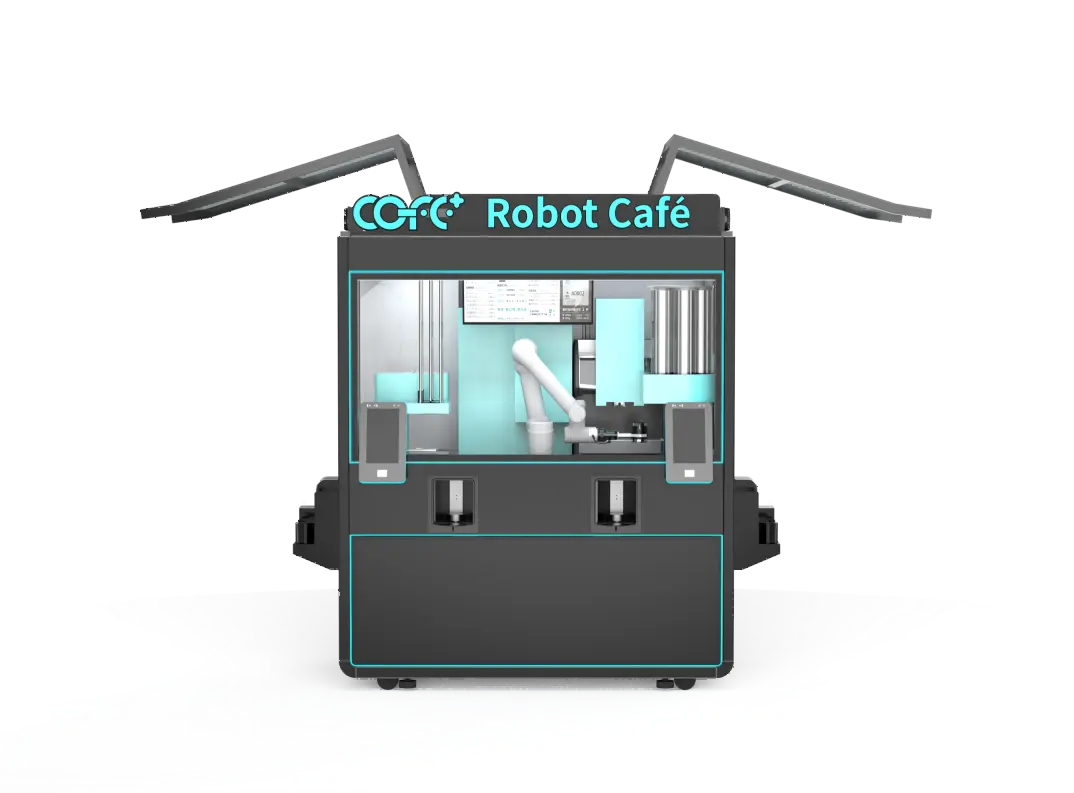
The COFE+ 7th generation robot coffee kiosk approaches this by digitizing the variables that baristas normally manage by hand. Grind dose, extraction time, water ratio, milk volume, and cup size are stored as recipe parameters, not as skills. In the product specification, the platform is rated to produce identical taste across 300+ consecutive cups, which removes the drift that comes from shift changes and retraining. That matters more across cities than within one store: a multi-site operator cannot stand behind every barista, but a locked recipe can be the same barista everywhere.
| Control Point | City-to-City Risk | Robot Kiosk Countermeasure |
|---|---|---|
| Extraction parameters | Local adjustments change mouthfeel and bitterness | Digitized barista-level recipes with fixed dose, ratio, and time |
| Milk and bean storage | Heat and humidity alter freshness | Sealed refrigerated compartments with automatic temperature monitoring |
| Cleaning and residue | Irregular cleaning leaves flavor carryover | Automatic 85°C+ high-temperature sterilization on a fixed schedule |
| Ambient temperature | Cold or hot sites stress components | Indoor and outdoor models rated for -20°C to 45°C where specified |
| Maintenance timing | Delayed service causes calibration drift | Remote diagnostics and automatic repair dispatch |
| Ingredient substitution | Local buyers switch brands during shortages | Cloud monitoring of stock levels and replenishment triggers |
None of these controls depends on a city manager remembering to do something. That is the difference in practice. The kiosk repeats the same physical sequence whether it sits in a shopping mall in Chengdu or a transit hub in Dubai. Local teams still handle replenishment and cleaning, but the machine enforces the points where flavor is most likely to drift.
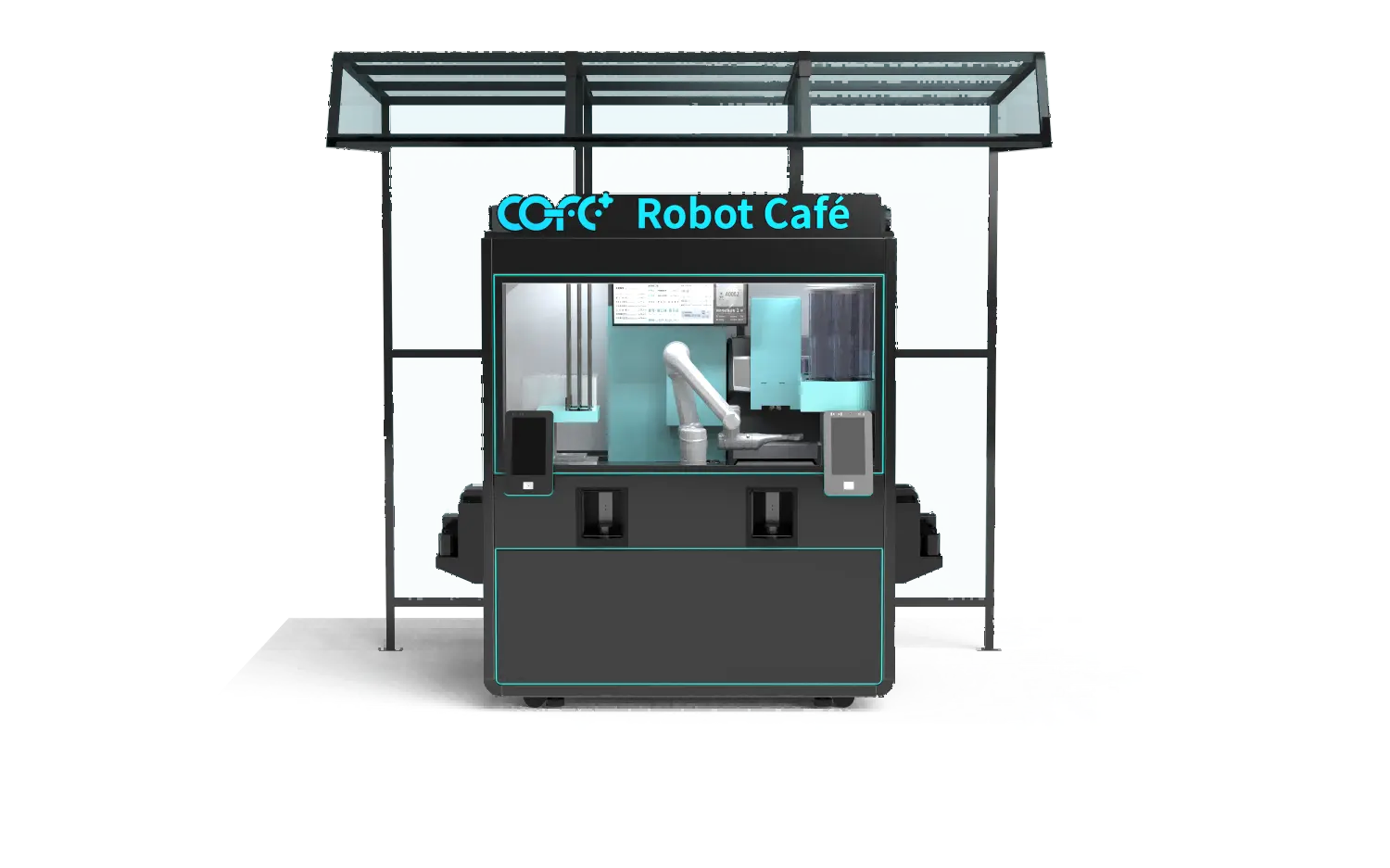
You still cannot fix everything in software. Bean age, water chemistry, and milk composition sit outside the machine until replenishment brings them in. Across multi-city rollouts, I have watched the same recipe drift when a site team swapped milk suppliers or changed cleaning frequency; the kiosk never changed, but the surrounding inputs did. The consistency work therefore splits into two layers: the locked parameters inside the kiosk and the specifications operators must hold at every site.
Bean specification comes first. A darker roast in one city changes extraction even when dose and time stay identical. Standardize one supplier, one roast profile, and one grind setting across all sites. Milk is next. Whole milk, ultra-high-temperature milk, and plant-based options froth differently, so a city that runs a separate milk base will produce a visibly different latte. Water is the third control. If two cities have very different water hardness, the same extraction recipe can taste bitter in one and sour in the other. In our deployments, we ask for a water report before finalizing site readiness, then confirm whether the same recipe set applies or whether a pre-filter or mineral adjustment is needed.
Localization is not the enemy of consistency. The platform offers 300+ drinks and 5,000+ customizations, so operators can add a regional specialty without touching the base espresso recipe.
If your program spans cities with significantly different water chemistry or humidity, it is worth confirming the kiosk’s water and temperature envelope before finalizing your site list. Send your target cities to sales@hi-dolphin.com and we will flag the sites that need extra water preparation.
A taste audit catches drift before customers do. Run it monthly at each site, and run it in week one for every new city. The goal is not to compare two cups in isolation; it is to compare each cup against the locked recipe baseline.
The most useful audit output is a single variance number per site. When variance stays low, the site is stable. When it rises, the cause is almost always water, an ingredient substitution, or a skipped cleaning cycle. I have rarely seen a properly maintained kiosk drift on its own; the machine’s recipe parameters do not forget themselves.
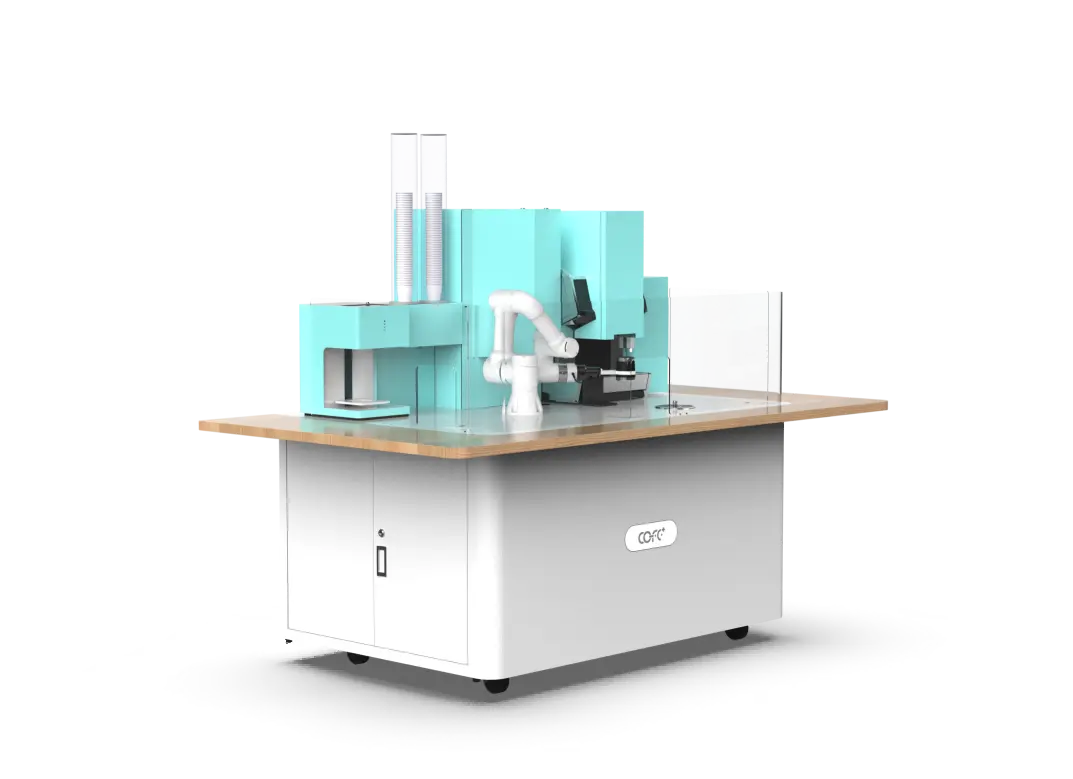
The pain point is straightforward: a customer who loves a drink in one city and finds it different in another has no way to separate bad luck from brand failure. That repeat visit does not wait for the next audit cycle. A robot coffee kiosk platform addresses this by making the entire production sequence repeatable at the machine level, not dependent on the person working that day. If you operate in multiple cities or plan to, the time to standardize is before the third site opens, not after inconsistencies start showing up in app reviews. Send your city list, current cup specifications, and any water reports to sales@hi-dolphin.com or call +86 131 6630 1290. We will map the kiosk configuration against your site conditions and tell you which locations need additional water or storage preparation before launch.
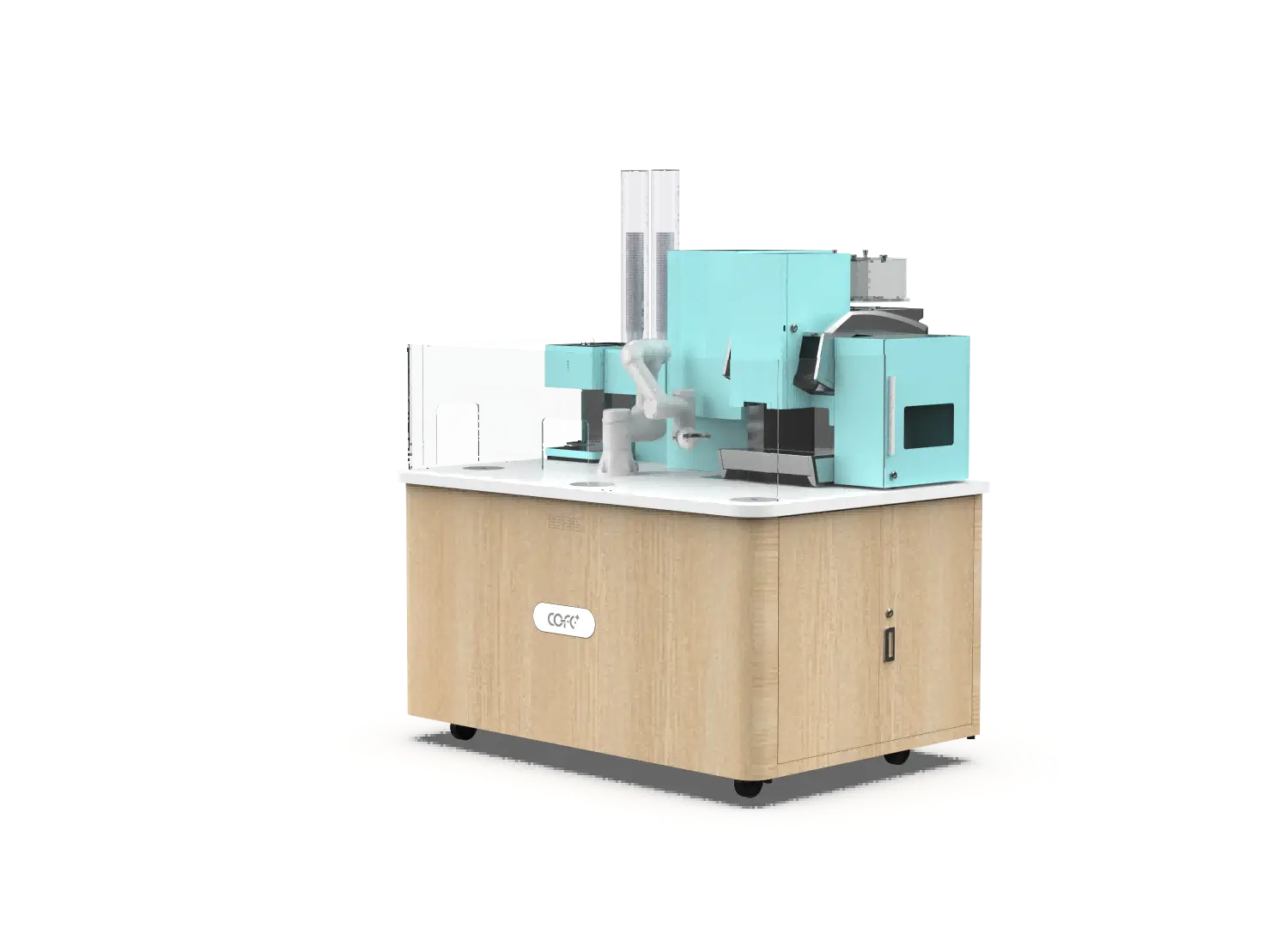
Milk changes the cup more than most operators expect. Whole milk, ultra-high-temperature milk, almond milk, and oat milk produce different foam density and sweetness at the same steam temperature, so a milk switch in one city can alter texture even when the espresso base is unchanged. The practical rule is simple: do not change milk category without running a side-by-side taste check against the lead site. Plant-based options are popular in some markets, but they should be treated as a separate menu item with its own recipe parameters rather than a direct substitute.
A common assumption is that a humid city needs a different recipe from a dry city. Usually it does not if the recipe is locked and ingredients are sealed. Ambient humidity mainly attacks coffee beans and milk powder when storage is open or inconsistent. A robot coffee kiosk with sealed refrigerated compartments removes the exposure that makes humidity relevant. What changes between climates is maintenance frequency and checking that storage seals stay clean. The base recipe can stay identical.
In multi-site robot coffee kiosk deployments, we see calibration drift only when maintenance is skipped or an ingredient changes. That makes the right recalibration interval a scheduled baseline: monthly for stable indoor sites and every two weeks for high-volume or outdoor sites in extreme weather. The remote monitoring dashboard shows the early signs in extraction time and temperature before a customer can detect them, so use those readings rather than waiting for a complaint.
The more useful check is the water report, not the city size. A soft-water supply can run with basic filtration, while a high-hardness supply may need mineral adjustment before the same recipe extracts correctly. Check water before signing the site lease, not after the first bad cup. If the report is outside the range your recipe was built on, plan the correction in advance. Send your first three site addresses to sales@hi-dolphin.com and we will confirm the water and power requirements before you sign.
TL;DR — COFE+ is a fully automated robotic coffee kiosk that grinds fresh beans, brews espresso and lattes, creates latt……
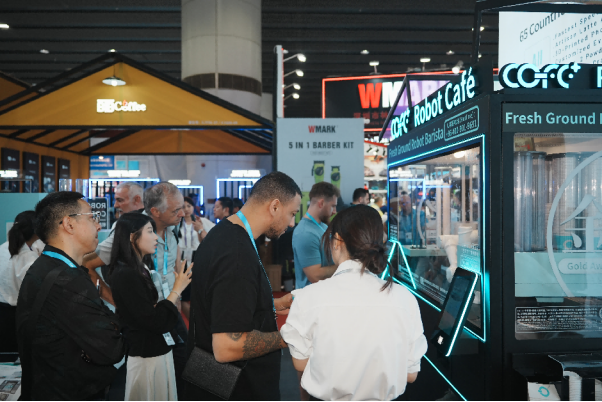
7th-Genertion Smart Robot Coffee Kiosk Arrives at the Belt and Road Core Hub, Ushering in a New Service Era Along t……
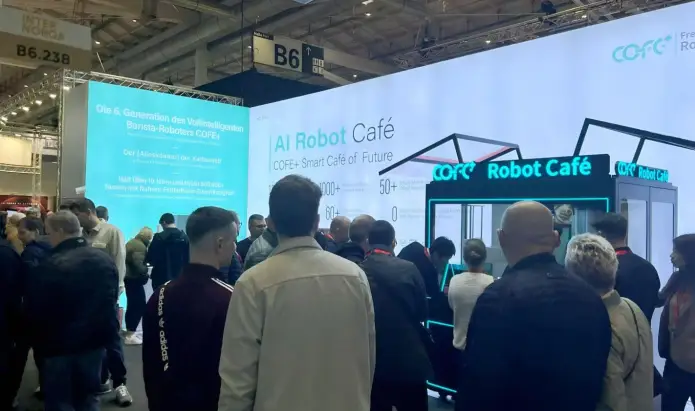
CHICAGO, May 12, 2026 (GLOBE NEWSWIRE) – Shanghai Hi-Dolphin Robot Technology today announced the U.S. debut of its 7th‑……