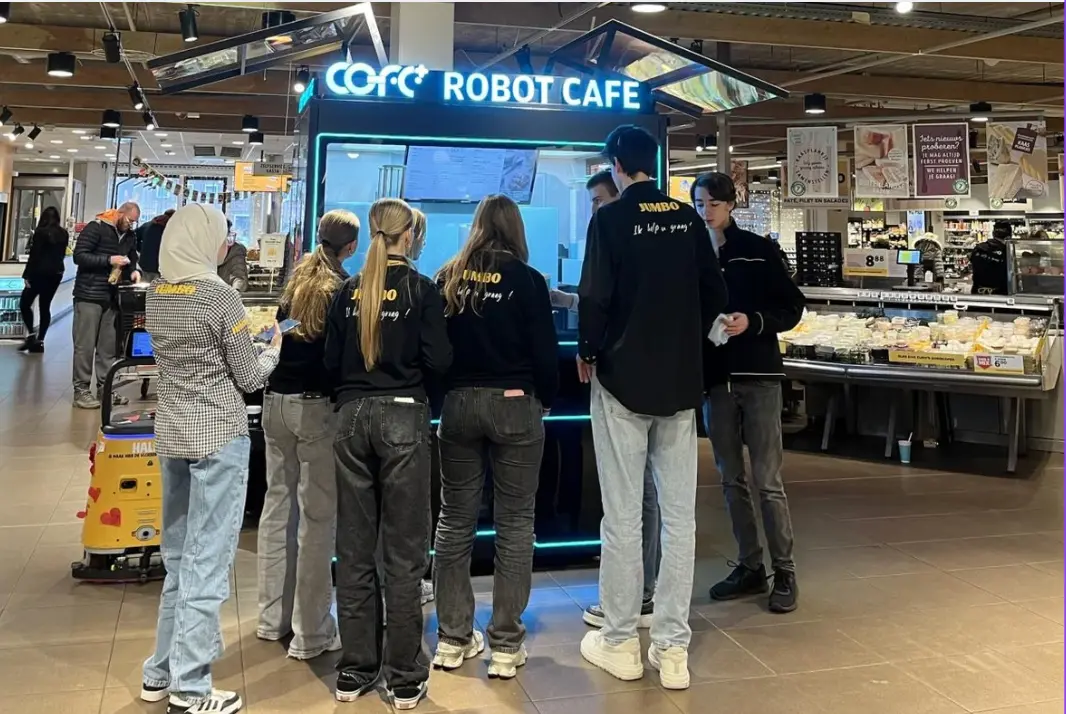
The Rise of Professional Robotic Café Technology: What COFE+ Is and Why It Matters
TL;DR — COFE+ is a fully automated robotic coffee kiosk that grinds fresh beans, brews espresso and lattes, creates latt……

A robot coffee kiosk is not a vending machine with a coffee button. The distinction matters because most business plans written by first-time investors treat the two as interchangeable, and that assumption breaks the financial model within the first quarter. We operate in over 35 countries across indoor, outdoor, and built-in deployments, and the single most common planning failure we see is not location or pricing — it is underestimating the operational and compliance layer that separates a reliable 24/7 automated café from a machine that becomes a service liability. If your business plan does not account for global certifications, remote monitoring, and a supply chain that can sustain 1,000 cups per day, you are building a spreadsheet, not a business.
A coffee vending machine mixes soluble powder with hot water. A smart robot coffee kiosk uses whole beans, grinds them on demand, and reproduces barista-level extraction with digital recipe control. The COFE+ 7th generation indoor kiosk, for example, stores over 300 drink recipes — including milk teas, matcha, chocolate, and plant-based options — and delivers a cup in 43 to 60 seconds, topping it with 3D foam-printed latte art or a robotic arm that draws tulips and rosettas. That visual performance changes consumer behavior: the purchase becomes an experience rather than a utility, which supports higher per-cup pricing and repeat visits.
The technical gap extends into consistency and hygiene. Powder machines lose taste calibration within weeks. A smart kiosk maintains digitized barista-level parameters across 300 consecutive cups, and its anti-microbial stainless-steel interior runs an automatic 85°C+ high-temperature sterilization cycle. For an investor, the practical difference is that a vending machine competes on location convenience alone, while a robot coffee kiosk competes on product quality and experiential value — factors that build a customer base strong enough to justify a long-term lease or a multi-unit deployment.
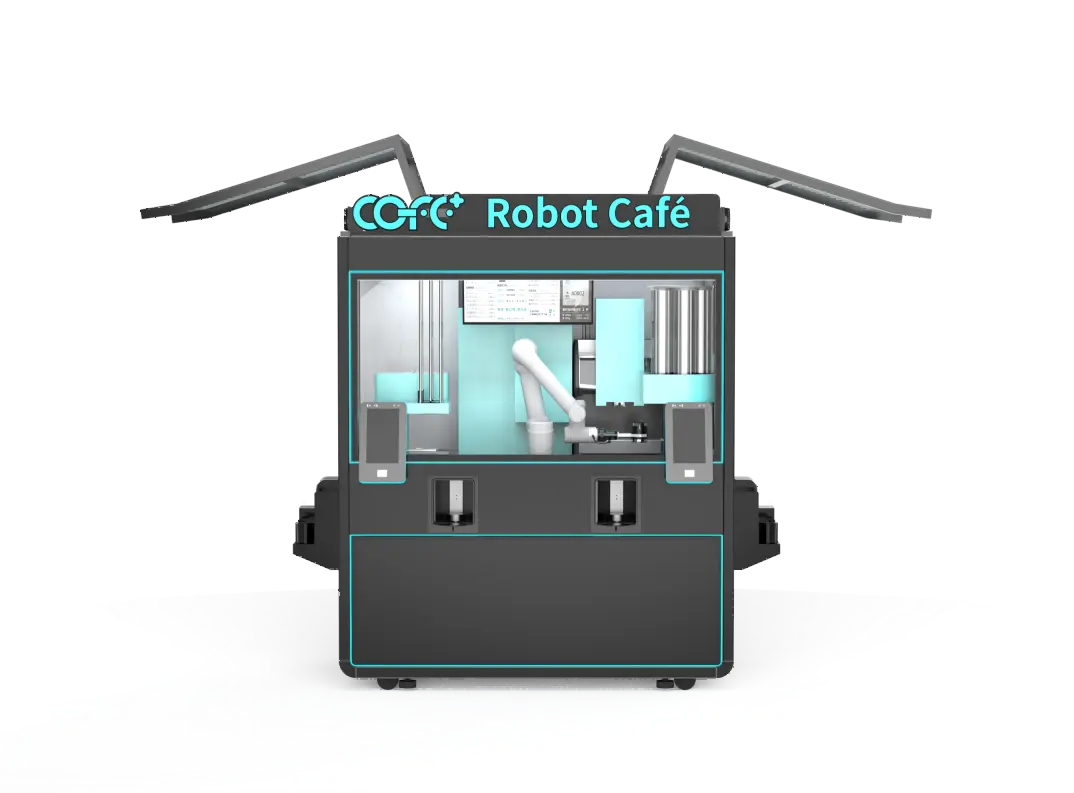
Cost per cup is the first number an investor should lock, because it determines price flexibility and payback trajectory. With the COFE+ platform, ingredient and consumable costs for a standard 12 oz latte run between $0.30 and $0.70, depending on local milk and coffee bean procurement, syrup selection, and cup type. If you sell that cup at $2.50 to $4.00 in a mid-tier location, the gross margin per cup sits comfortably above 70%.
A single kiosk can serve approximately 1,000 cups per day in continuous 24‑hour operation — roughly equivalent to the output of six full-time baristas. Even at 300 cups per day in a conservative scenario, gross revenue at $3.00 per cup exceeds $900 daily. Subtract the consumable cost (roughly $150) and a small allocation for remote monitoring and local technician support, and the daily net is above $700. At that rate, a six- to twelve-month payback period is realistic for most sites, provided the location has consistent foot traffic and the machine is not placed in a dead zone.
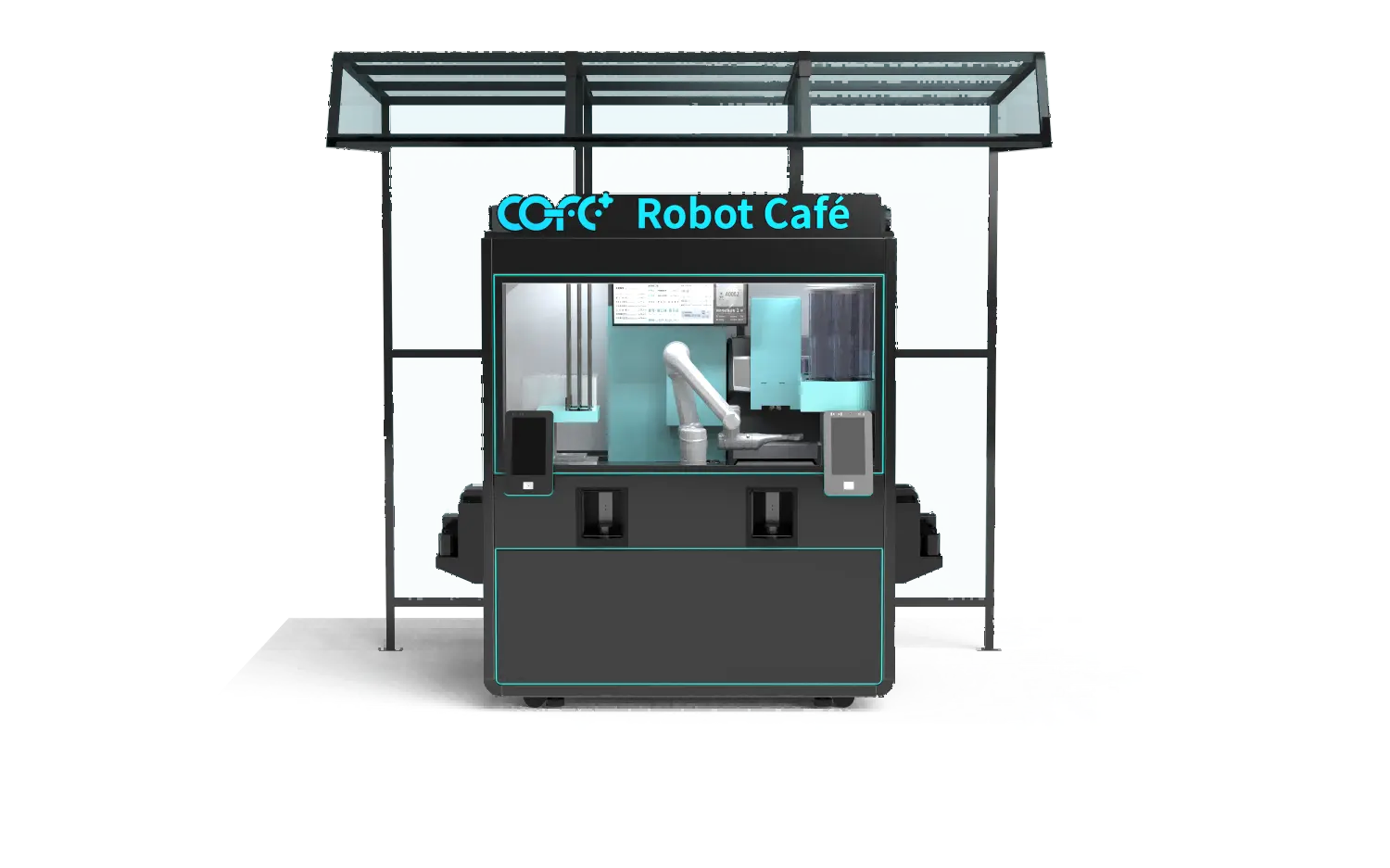
This math assumes 24/7 operation, which is not an aspirational goal but a technical requirement. If your business plan budgets for an overnight shutdown to save power, you will miss the early-morning commuter window and the late-night worker traffic — the two highest-margin periods in any transit hub, hospital, or factory location. The outdoor-rated kiosk, with its IP54 protection and operating range from -20°C to 45°C, is built precisely for that continuous service model.
One of the hardest lessons for first-time investors comes after the machine arrives: a kiosk that lacks the correct food-safety and electrical certifications for the target market will sit in storage, not generate revenue. We have seen this in multiple countries where local regulations require specific marks — CE for Europe, FDA for the U.S., UKCA for the UK, KC for Korea, SASO for Saudi Arabia — and a missing certificate delays launch by months.
Hi-Dolphin’s platform has passed over 50 certifications across 18 developed-country standards, covering food-contact materials, electromagnetic compatibility, and unmanned retail safety. For an investor building a business plan, this translates into a simple line item: do not commit to a site deposit or a launch date until you have a written confirmation from the manufacturer that the exact model you are importing carries the certificates your local authority will ask for. Without this, your break-even calculation is fiction.
If your program involves importing kiosks into a region with evolving unmanned retail regulations — such as GCC countries or certain Southeast Asian markets — it is worth confirming the certification package with the manufacturer before finalizing your B2B purchase agreement. Send your target country and intended site type to sales@hi-dolphin.com, and we will verify the exact certification status.
A robot coffee kiosk typically occupies 2.35 m² (about 25 sq ft), but the effective space needed for customer flow and queuing is closer to 4 to 6 m², depending on whether you place it against a wall, on an island, or in a corner. The key metric is not total foot traffic but flow velocity — how many people pass directly in front of the kiosk during peak hours with a clear sightline to the robotic arm in motion. In our experience, a site that visually showcases the coffee-making process to 500 passersby per hour will convert roughly 3–5% into a purchase, while a tucked-away alcove with 1,000 passersby but zero sightline will underperform significantly.
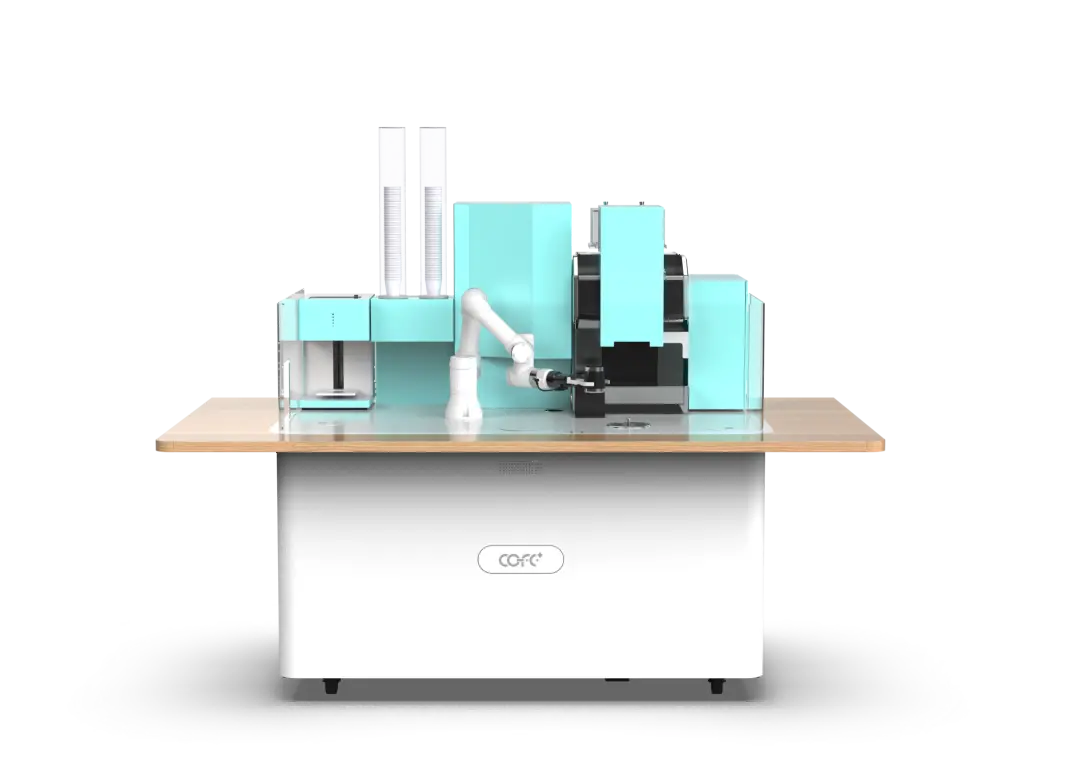
For first-time investors, we recommend a phased site selection: start with one high-confidence location, run it for 30 days, then use the real sales data to model the next two. The indoor kiosk fits climate-controlled environments like shopping malls, office lobbies, and universities, while the outdoor variant handles public parks, gas stations, and transit plazas. A third form factor — the robot coffee counter — is designed for built-in integration in hotel lobbies, VIP lounges, and corporate campuses, where it functions as a permanent architectural feature rather than a standalone unit. The robot coffee bar adds seating, transforming a 2 m² footprint into a small social hub that increases dwell time and average order value.
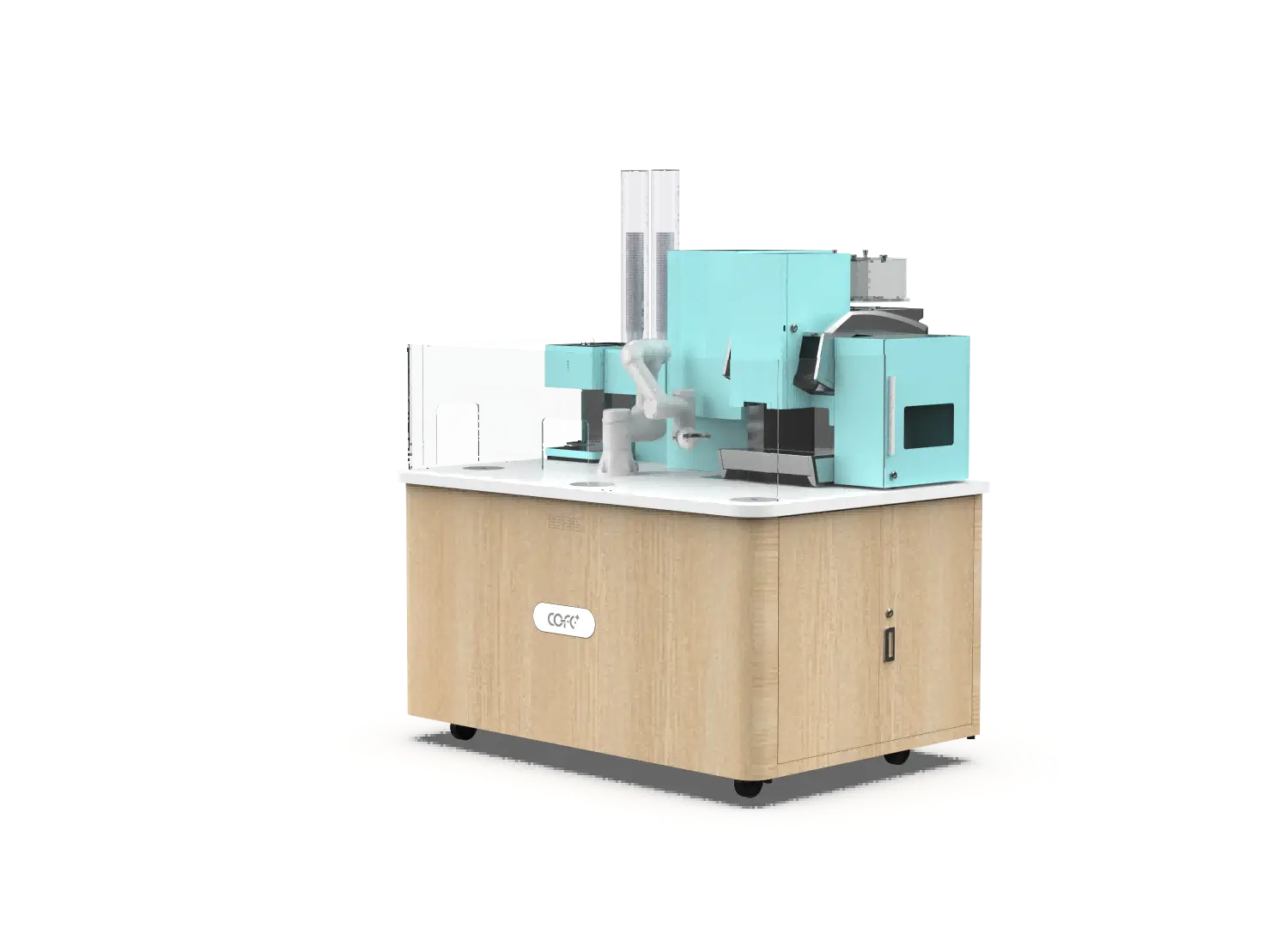
Choosing between a standard kiosk and a counter or bar is not an aesthetic decision; it directly affects your revenue forecast because seating increases average ticket size and session duration. Factor this into your site spreadsheet — a counter deployment in a hotel lobby may sell fewer cups per hour than a transit kiosk, but the per-cup margin is typically higher due to premium positioning.
Remote cloud monitoring is what turns a standalone machine into a manageable asset. The COFE+ smart store brain tracks coffee bean levels, milk expiry, syrup inventory, cup stock, and every mechanical parameter in real time. It sends alerts to a central dashboard before a shortage occurs, so your operations team (or contracted local technician) arrives to restock before the machine ever shows “out of service.” This proactive model reduces downtime to near zero in well-managed sites.
For investors planning multiple kiosks, the operational model shifts from “visit each machine daily” to “dispatch a technician based on alert urgency.” One operations coordinator can handle 10 to 15 kiosks if the machines share standardized consumables and the cloud platform prioritizes tasks. We emphasize this because many business plans assume a full-time on-site attendant, which defeats the labor-cost advantage. A cold-weather location does demand different planning: the outdoor kiosk’s anti-condensation system and IP54 seal eliminate most weather-related failures, but you still need to schedule preventive cleaning for the grinder and steam wand more frequently in high-humidity environments.
| Feature | Indoor Kiosk | Outdoor Kiosk | Robot Coffee Bar | Robot Coffee Counter |
|---|---|---|---|---|
| Climate suitability | Controlled indoor | -20°C to 45°C, IP54 | Indoor premium | Indoor built‑in |
| Footprint | 2.35 m² | 2.35 m² | ~2 m² (folded) | ~2 m² |
| Seating | No | No | Yes, 4 seats | No |
| Certifications | FDA, CE, UKCA, KC, SASO | FDA, CE, UKCA, KC, SASO | FDA, CE, UKCA, KC, SASO | FDA, CE, UKCA, KC, SASO |
| Installation context | Freestanding wall/corner/island | Freestanding outdoor | Transformable counter‑to‑bar | Integrated into existing bar/reception |
The production‑scale robot coffee kiosk procurement process should begin with a site survey checklist, not a purchase order. You need to confirm power (110V/220V compatibility, dedicated circuit), water supply and drainage options, and internet connectivity (4G/5G with wired backup) before the manufacturer commits to an installation timeline. A typical manufacturer‑assisted timeline from site approval to first cup is two to four weeks for a standard indoor unit, provided all utilities are ready.
First-time investors often ask whether to lease or buy. Leasing lowers upfront capital, preserving cash for site deposits and initial consumable inventory, and shifts the residual value risk to the lessor. Buying makes sense if you plan to deploy three or more units within 18 months and have in‑house technical capacity — because you can negotiate volume discounts and amortize the hardware cost over a longer horizon. For distributors who want to resell into their territory, Hi-Dolphin offers a structured distributor program that includes demo‑site support, local service training, and co‑marketing materials. We have seen this model work particularly well for regional partners who already have relationships with mall operators, hospital groups, and university facilities management teams. If you are evaluating whether to enter as an owner‑operator or a territorial distributor, share your target market and deployment plan with us and we will build a financial model that fits.
A robot coffee kiosk is a capital asset with a 10‑year design life. That means the business plan must budget for consumable inventory (beans, milk, syrups, and cups), periodic deep cleaning, and a local service technician who can respond within 24 hours for module-level repairs. The COFE+ platform stores spare parts planning data — wear components like grinder burrs, seals, and tubing — so international operators can pre‑position the right parts before the machine goes live. During the first six months, we recommend a weekly remote audit of the operational dashboard to identify consumption patterns and adjust inventory par levels. After that, a monthly review is usually sufficient. A common planning mistake is treating the kiosk as a “set and forget” asset. In practice, a site that runs 24/7 needs a scheduled weekly cleaning window of 30 minutes and a monthly preventive inspection by a qualified technician. Build those labor hours and consumable costs into your monthly P&L, and your ROI timeline stays accurate.
Exact pricing depends on the model (indoor, outdoor, counter, or bar), the import duties for your country, and any optional custom branding or payment integration. Rather than publish a fixed number that will vary by region, we provide a tailored quotation after reviewing your site specifications. Send your location type and intended daily volume to sales@hi-dolphin.com — a quote typically includes the hardware, shipping, installation support, and first‑batch consumable planning.
It depends on two factors: whether your local jurisdiction classifies the kiosk as a food establishment requiring a health permit, and whether the premises lease or land‑use agreement allows unattended retail. In most markets, the manufacturer’s food‑contact certifications (CE, FDA, etc.) satisfy the health authority’s equipment safety requirements, but you may still need a general business license and a site‑specific permit. We recommend bringing the manufacturer’s certification documents to your local permit office before signing a lease.
The outdoor model is engineered to operate continuously from -20°C to 45°C thanks to an IP54-rated enclosure, anti-condensation heating, and a sealed ingredient storage area. It has run reliably through winters in Seoul and summers in Riyadh. The key precaution is ensuring the water supply line is insulated or uses an internal water tank with heated circulation.
The cloud monitoring platform triggers an automatic fault alert and sends the error code to the operator’s dashboard. Common issues — like a bean hopper jam or a cup dispenser misfeed — often self-resolve through a remote reset. For module-level failures, the system dispatches a service ticket to the nearest trained technician. Having a local technician network is a core part of the distributor model, and we provide the training and spare‑parts kit as part of the onboarding process.
A robot coffee kiosk competes on three axes that a barista‑staffed store cannot match: 24/7 availability, price consistency, and experiential novelty. A hospital lobby at 3 AM has zero barista options, but a robot kiosk serves a fresh latte in 50 seconds. Delivery apps cannot beat an out‑of‑home price of $2.50‑$3.00 for specialty coffee with 3D art. And the visual engagement of watching a robotic arm pour a rosetta turns first‑time curiosity into social‑media sharing, which drives organic foot traffic — a benefit that gets stronger the longer the kiosk stays in place. If you have mapped your peak-hour traffic and built a menu that locals recognize, a robot coffee kiosk does not need to beat the chain on brand; it just needs to be open and visible when the chain is closed. For a detailed site-specific sales forecast, share your location type and daily footfall estimate with our team at +86 131 6630 1290 or sales@hi-dolphin.com.
TL;DR — COFE+ is a fully automated robotic coffee kiosk that grinds fresh beans, brews espresso and lattes, creates latt……
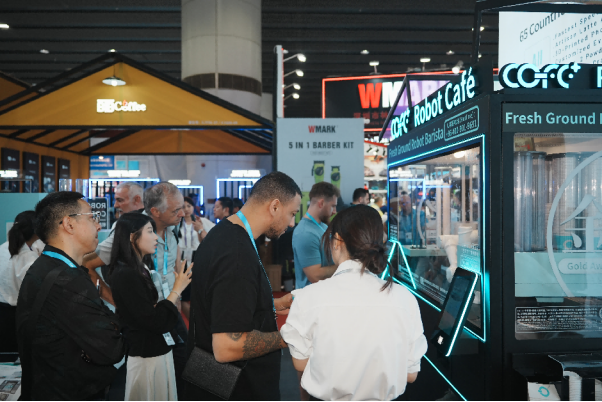
7th-Genertion Smart Robot Coffee Kiosk Arrives at the Belt and Road Core Hub, Ushering in a New Service Era Along t……
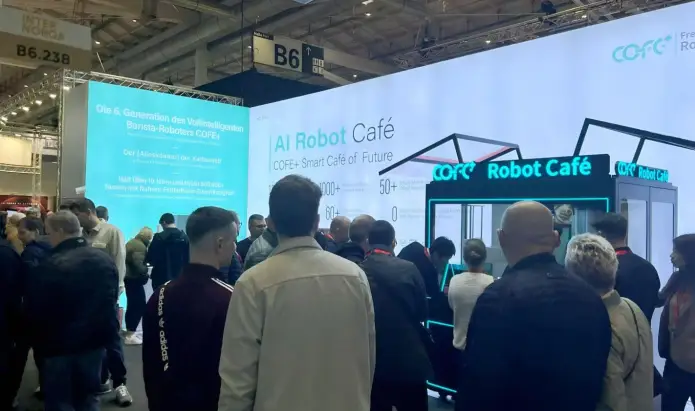
CHICAGO, May 12, 2026 (GLOBE NEWSWIRE) – Shanghai Hi-Dolphin Robot Technology today announced the U.S. debut of its 7th‑……