The Rise of Professional Robotic Café Technology: What COFE+ Is and Why It Matters
TL;DR — COFE+ is a fully automated robotic coffee kiosk that grinds fresh beans, brews espresso and lattes, creates latt……

The decision to open a coffee business, whether traditional or automated, hinges significantly on understanding the underlying cost structures. Analyzing robot cafe operating costs against those of conventional establishments reveals distinct financial landscapes. This comparison is critical for entrepreneurs and decision-makers aiming for sustainable profitability and scalability in the competitive food and beverage sector. My experience in AI retail technology has shown that while both models aim to serve quality coffee, their economic foundations diverge sharply, particularly in long-term operational expenditure.
The upfront capital expenditure represents a significant hurdle for any new coffee venture, encompassing equipment, setup, and technology. For a traditional coffee shop, this typically involves substantial costs for espresso machines, grinders, refrigeration, seating, interior design, and a complete point-of-sale system. These expenses are often magnified by the need for extensive build-outs and compliance with local health codes for a full-service establishment.
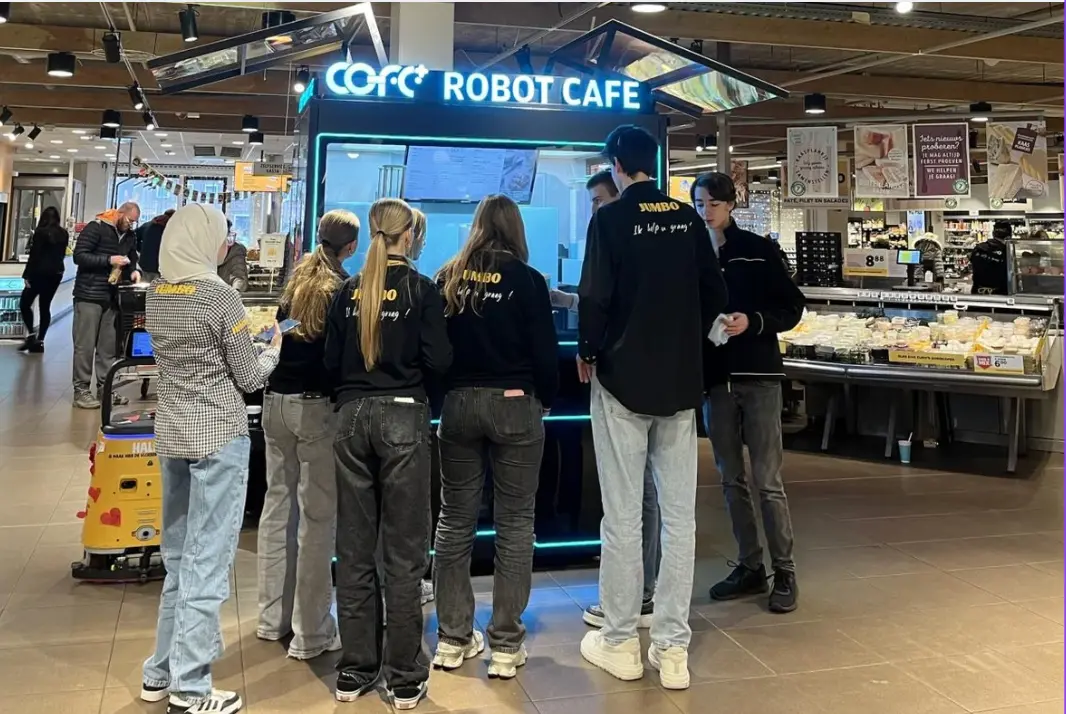
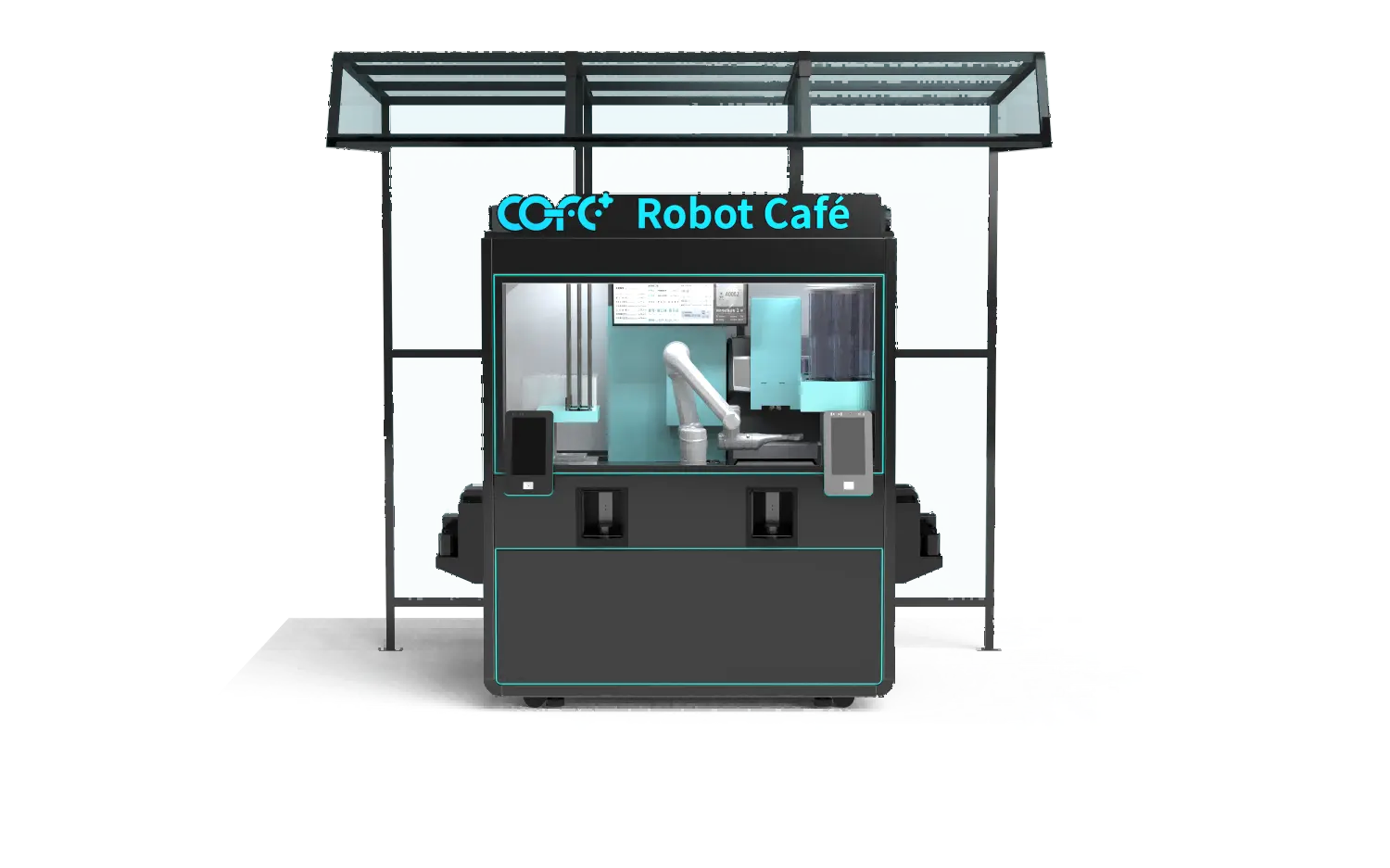
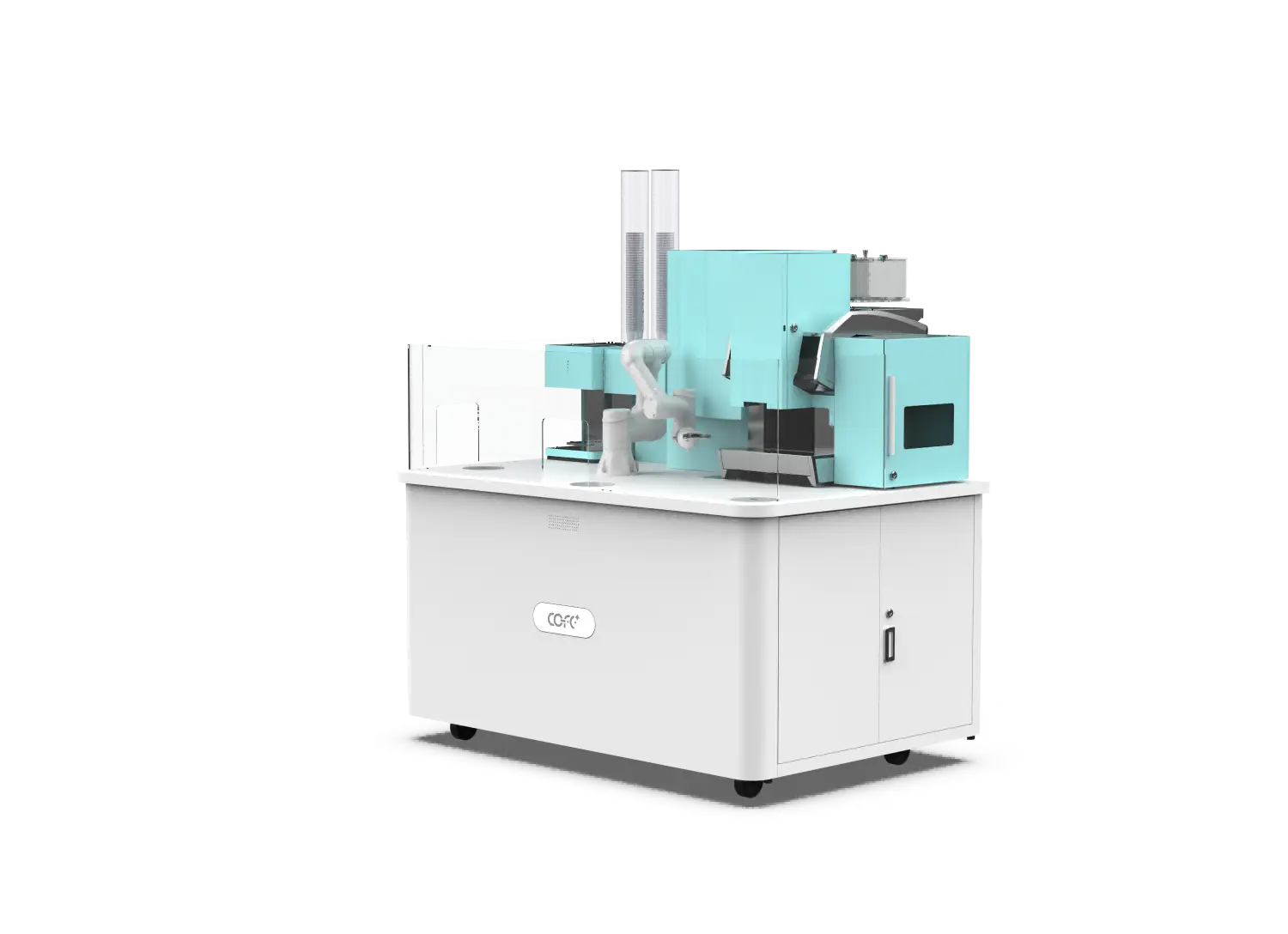
A robot cafe’s initial investment focuses primarily on the automated brewing unit itself, along with necessary payment systems and a compact footprint. I have observed that the upfront capital expenditure for a robot cafe, while substantial, is often offset by its long-term operational savings. The COFE+ 7th Generation Smart Coffee Robot Kiosk, designed for indoor use, offers a compact 2.35 m² footprint, minimizing real estate requirements compared to a traditional shop. This compact design can drastically reduce renovation costs and allow for placement in diverse, high-traffic locations where a full-sized cafe would be impractical.
Daily running costs, particularly labor and rent, are the primary differentiators in long-term financial performance. Traditional coffee shops face high and escalating labor costs, including salaries, benefits, training, and management for multiple baristas and support staff. Rental expenses for a larger commercial space, often in prime locations, also contribute significantly to the operational expenditure. Ingredient sourcing and inventory management require constant oversight and can lead to waste if not managed efficiently.
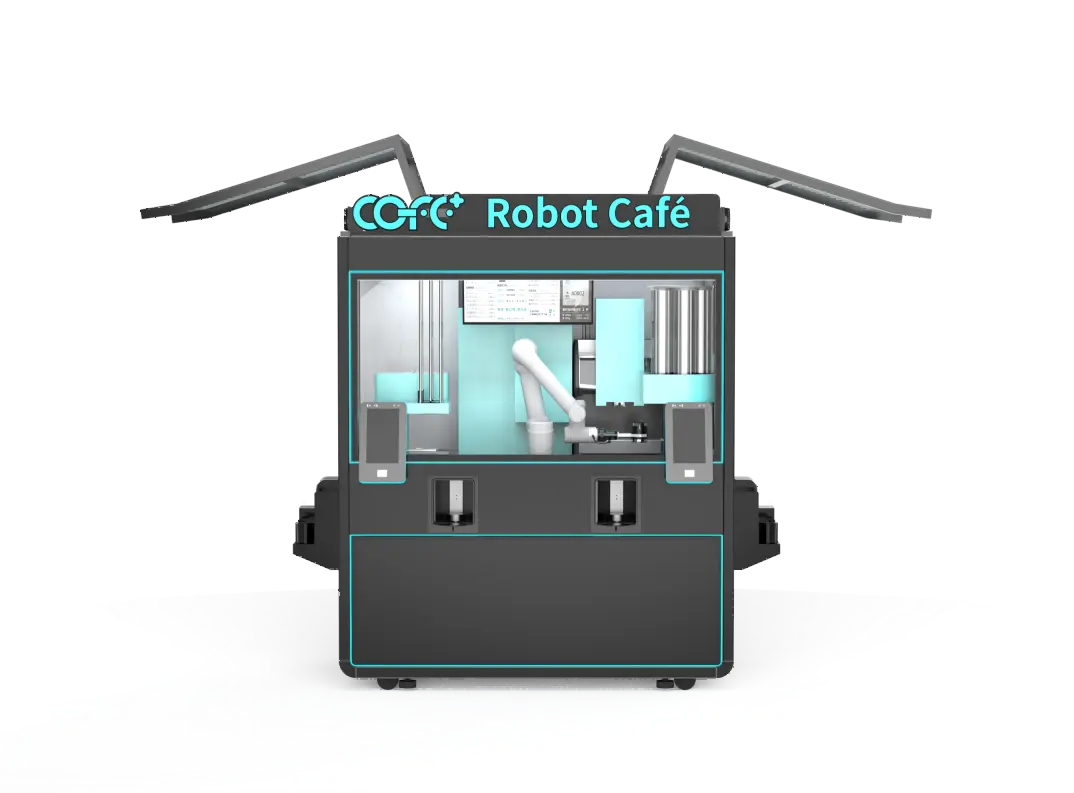
Robot cafes fundamentally alter this equation. Labor costs are drastically reduced, as the machine operates autonomously. While there is a need for periodic restocking and maintenance, this typically requires far fewer personnel and less specialized training than a traditional barista team. Rent is also minimized given the smaller physical footprint required. IoT and AI integration enables remote monitoring, predictive maintenance, and optimized inventory for reduced operational overhead and consistent service quality. The outdoor COFE+ 7th Generation Outdoor Smart Coffee Robot Kiosk operates 24/7 with a cost per cup ranging from $0.30 to $0.70, a figure that is challenging for traditional cafes to match when factoring in labor.
| Cost Category | Traditional Coffee Shop | Robot Cafe (e.g., COFE+) |
|---|---|---|
| Labor | High (multiple baristas, managers) | Minimal (restocking, remote support) |
| Rent | High (larger square footage) | Low (compact footprint, flexible placement) |
| Utilities | Moderate to High | Moderate (machine energy, minimal HVAC) |
| Ingredients | Moderate (bulk purchasing) | Moderate (optimized inventory via AI) |
| Maintenance | Moderate (equipment, facility) | Moderate (specialized robot service) |
| Insurance | Moderate | Moderate |
Beyond obvious expenses, ongoing maintenance, software licensing, and unforeseen issues can significantly impact profitability, especially for automated systems. For traditional cafes, equipment breakdowns, plumbing issues, and general wear and tear on the premises are common. Technology costs include POS system subscriptions and security.
For robot cafes, maintenance is specialized. While general cleaning is automated, technical issues with robotic arms, brewing mechanisms, or payment systems require skilled technicians. Remote monitoring and diagnostics help preempt many issues. COFE+ systems include automatic 85°C+ high-temp sterilization and fully enclosed waste systems, which reduce daily cleaning needs and enhance hygiene. Software licensing for the AI and IoT platforms, along with data security, are ongoing technological costs. Regulatory compliance, particularly concerning food safety and unattended retail operations, can also present hidden costs in both models, although the automated nature of robot cafes can simplify some aspects of hygiene tracking.
Understanding the revenue potential, cost savings, and break-even points is critical for assessing the overall financial attractiveness of each coffee business model. Traditional cafes rely on high volume, premium pricing, and often additional food sales to achieve profitability. Their ROI is heavily influenced by foot traffic, customer loyalty, and efficient staff management. Scalability can be challenging due to the need for more staff and larger real estate with each expansion.
Robot cafes, with their significantly lower operational costs, can achieve profitability with a smaller daily sales volume. The continuous 24/7 operation, coupled with rapid service times (43-60 seconds per cup for COFE+), allows for high throughput without increased labor. This model enables higher profit margins per cup and a faster return on investment, often within 6-12 months. The ability to deploy multiple compact units across various locations without a corresponding increase in staff makes robot cafes inherently more scalable. If your expansion plans involve multiple sites across different regions, it is worth discussing unit economics and deployment timelines before committing to a specific model.
Beyond direct costs, the strategic advantages, potential pitfalls, and long-term market viability of each model dictate sustained success and competitive positioning. Traditional cafes face challenges like staff turnover, inconsistent service quality, and limited operating hours. Their appeal often lies in the human element and community space they provide.
Robot cafes, while efficient, must address customer perception of automation. The absence of human interaction can be a barrier for some consumers. Advanced systems offer extensive customization options (5,000+ combinations with COFE+) and robotic latte art, enhancing the customer experience through technology. The primary challenge for an automated coffee business lies in initial technological adoption and ensuring robust, reliable operation. My team has found that by focusing on user-friendly interfaces and reliable remote monitoring, we can mitigate many of these concerns. The scalability of unmanned retail is a significant advantage, allowing rapid expansion into new markets and diverse environments, from urban centers to remote locations.
How much does it cost to open a robot coffee shop?
The cost to open a robot coffee shop varies based on the robot model, location, and specific features. While the initial capital expenditure for the robotic unit itself can be substantial, it often eliminates the need for extensive build-outs and reduces square footage requirements, leading to lower overall setup costs compared to a traditional cafe.
Are robot cafes more profitable than traditional ones?
Robot cafes often demonstrate higher profitability due to significantly reduced labor costs and lower rental overhead. Their 24/7 operational capability and consistent product delivery contribute to higher sales volumes per unit, leading to faster return on investment and more attractive profit margins compared to traditional coffee shops.
What are the main challenges of running an automated coffee business?
The main challenges include the initial capital investment for advanced robotic systems, specialized technical maintenance requirements, and the need to manage customer expectations regarding the absence of human interaction. Ensuring consistent ingredient supply and navigating evolving regulatory compliance for unattended food service are also critical. To discuss how these challenges apply to your specific market, contact us at sales@hi-dolphin.com or +86 131 6630 1290.
TL;DR — COFE+ is a fully automated robotic coffee kiosk that grinds fresh beans, brews espresso and lattes, creates latt……
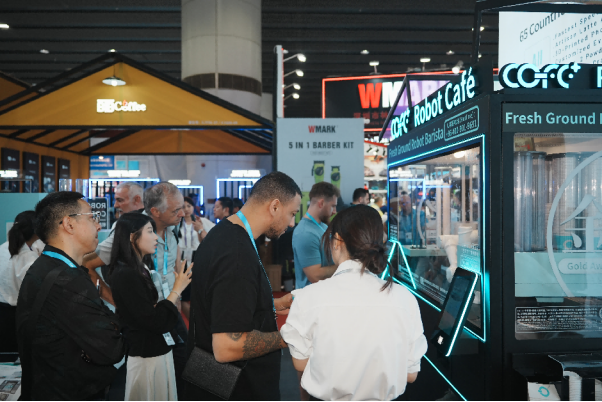
7th-Genertion Smart Robot Coffee Kiosk Arrives at the Belt and Road Core Hub, Ushering in a New Service Era Along t……
CHICAGO, May 12, 2026 (GLOBE NEWSWIRE) – Shanghai Hi-Dolphin Robot Technology today announced the U.S. debut of its 7th‑……