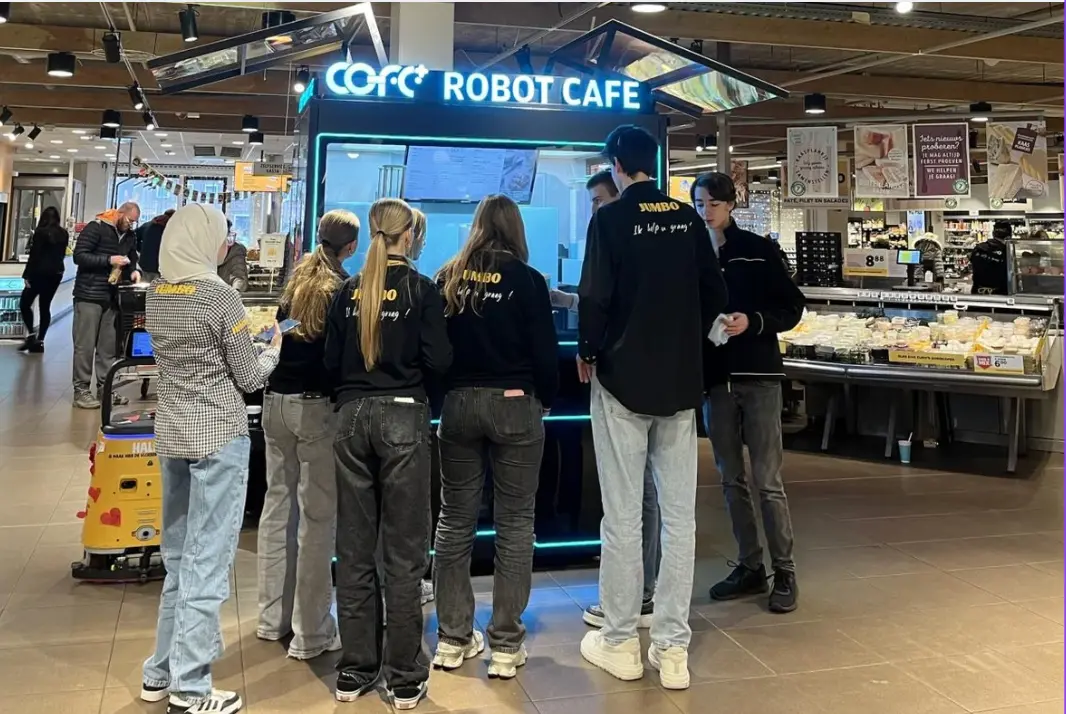
The Rise of Professional Robotic Café Technology: What COFE+ Is and Why It Matters
TL;DR — COFE+ is a fully automated robotic coffee kiosk that grinds fresh beans, brews espresso and lattes, creates latt……

Robot coffee kiosks represent a compelling investment opportunity in the automated retail sector. The shift toward unmanned operations is reshaping traditional business models, offering enhanced efficiency and scalability that traditional cafes struggle to match. Understanding return on investment and accurately calculating payback periods for robot coffee kiosks is fundamental for making informed financial decisions in this evolving market.
Global demand for convenience and efficiency drives the expansion of automated retail. Robot coffee kiosks leverage advanced robotics and artificial intelligence to deliver consistent, high-quality beverages without human intervention. This technological adoption creates business models that allow deployment in diverse, high-traffic locations where traditional cafes would be impractical or too costly to operate. The market for automated barista systems continues to grow, attracting investors seeking to capitalize on reduced labor costs and extended operating hours that run 24/7 without shift scheduling complications.
A precise assessment of capital expenditure and ongoing operational costs determines whether a robot coffee kiosk investment makes financial sense. Capital costs include the purchase price of the kiosk, installation, and any necessary site preparation. Operational costs encompass consumables, utilities, rent for the compact footprint, software licenses, and maintenance.
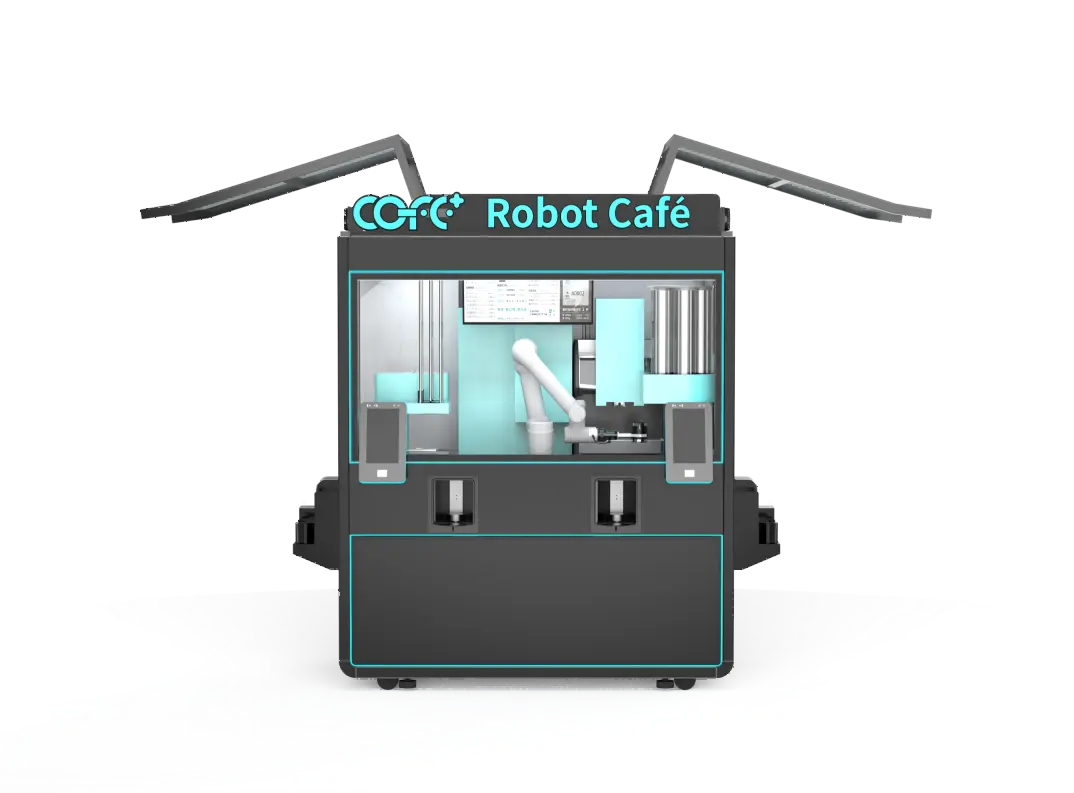
Advanced robotic technology and robust engineering significantly minimize long-term maintenance expenses. In a recent deployment of a COFE+ 7th Generation Smart Coffee Robot Kiosk in a bustling airport lounge, performance tracking over 18 months revealed that the unit’s predictive maintenance features and durable components resulted in maintenance costs 25% lower than initial projections for a comparable traditional setup. This reduction directly accelerated the path to profitability.
| Cost Category | Description | Typical Range (USD) |
|---|---|---|
| Capital | Unit Purchase | $20,000 – $100,000 |
| Installation & Setup | $1,000 – $5,000 | |
| Initial Inventory | $500 – $2,000 | |
| Operational | Consumables (beans, milk, cups) | $0.30 – $0.70 / cup |
| Rent/Location Fee | $200 – $1,500 / month | |
| Utilities (electricity, water) | $50 – $300 / month | |
| Maintenance & Servicing | $100 – $500 / month | |
| Software & Connectivity | $50 – $200 / month |
Projecting revenue streams and analyzing profit margins for automated kiosks requires careful consideration of several variables. High-traffic locations like airports, corporate offices, or shopping centers offer significant potential for sales volume. Customer experience, driven by consistent quality and diverse menu options, plays a vital role in repeat business and word-of-mouth referrals.
Scalability is another key advantage. Once a successful model is established, rapid expansion into new markets becomes feasible without the hiring and training bottlenecks that constrain traditional cafe growth. AI-driven insights can identify optimal placements and predict market demand by analyzing demographic data and foot traffic patterns. This approach has consistently improved initial sales forecasts by 15-20% for new deployments, reducing the guesswork that often plagues location selection decisions.
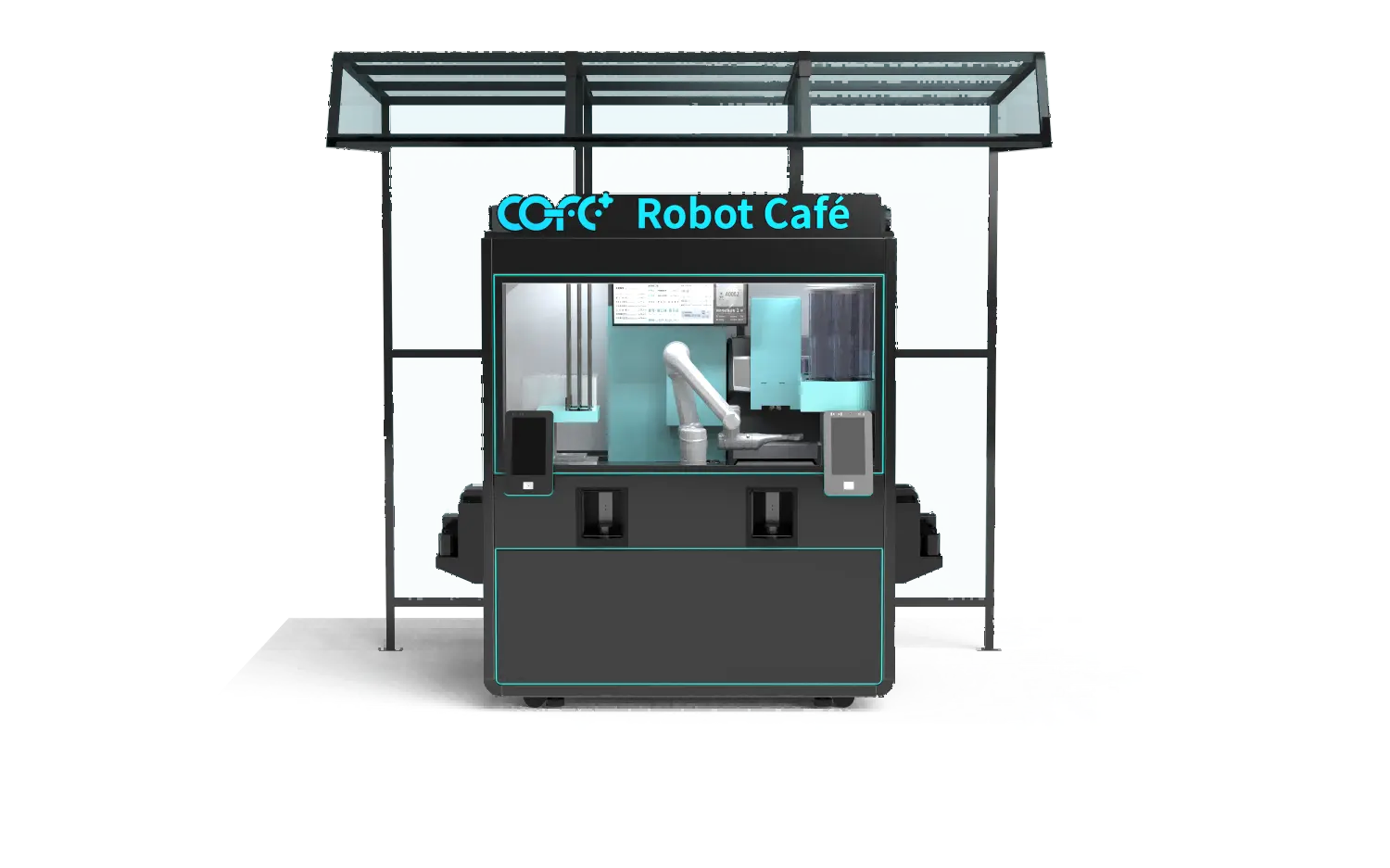
The payback period indicates the time required for an investment to generate enough cash flow to recover its initial cost. This calculation provides a straightforward measure of investment recovery time, which appeals to investors seeking quick returns.
The calculation process involves four steps. First, determine the initial investment by summing all capital expenditures, including the kiosk purchase, installation, and initial inventory. Second, estimate annual net cash flow by calculating annual revenue minus annual operational costs. This represents the profit generated by the kiosk each year. Third, calculate the simple payback period by dividing the initial investment by the annual net cash flow. This gives the number of years or months to recover the investment. Fourth, consider the discounted payback period for a more accurate analysis, especially for longer payback periods. Incorporating the time value of money by discounting future cash flows accounts for inflation and the opportunity cost of capital.
A COFE+ 7th Generation Smart Coffee Robot Kiosk, with its low cost per cup (around $0.30–$0.70) and no staff requirement, often achieves ROI within 6–12 months. This rapid payback period makes it a compelling option compared to traditional cafe investments that typically require 2-3 years to break even.
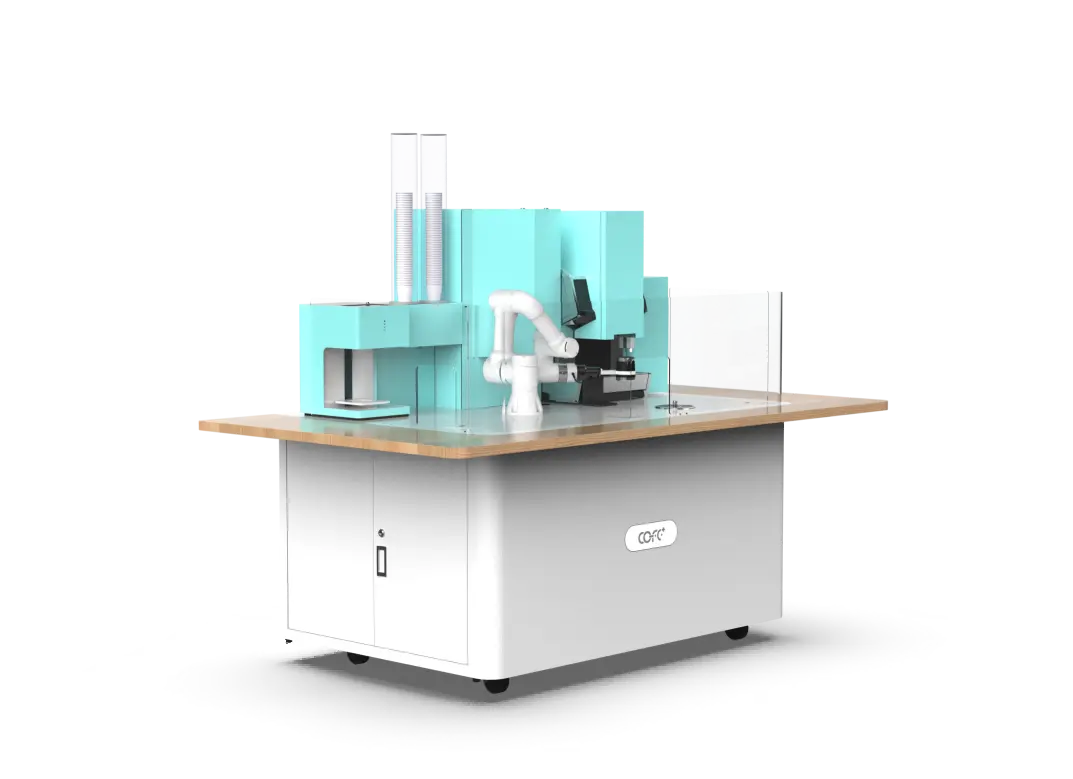
Optimizing ROI and mitigating investment risks involves strategic planning and continuous operational oversight. Labor savings are a primary driver of profitability in automated retail, as robot coffee kiosks eliminate the need for multiple baristas and the associated costs of hiring, training, scheduling, and turnover.
Efficient supply chain management ensures consistent availability of fresh ingredients and reduces waste. Automated inventory tracking systems can predict consumption patterns and trigger reorders before stockouts occur, maintaining service continuity that directly impacts revenue.
Regulatory compliance is another consideration that investors sometimes underestimate. An extensive portfolio of international safety certifications and strong independent R&D capabilities significantly reduce regulatory compliance risks and ensure product reliability. This commitment to safety and quality minimizes potential operational disruptions and associated costs that can derail otherwise sound investments.
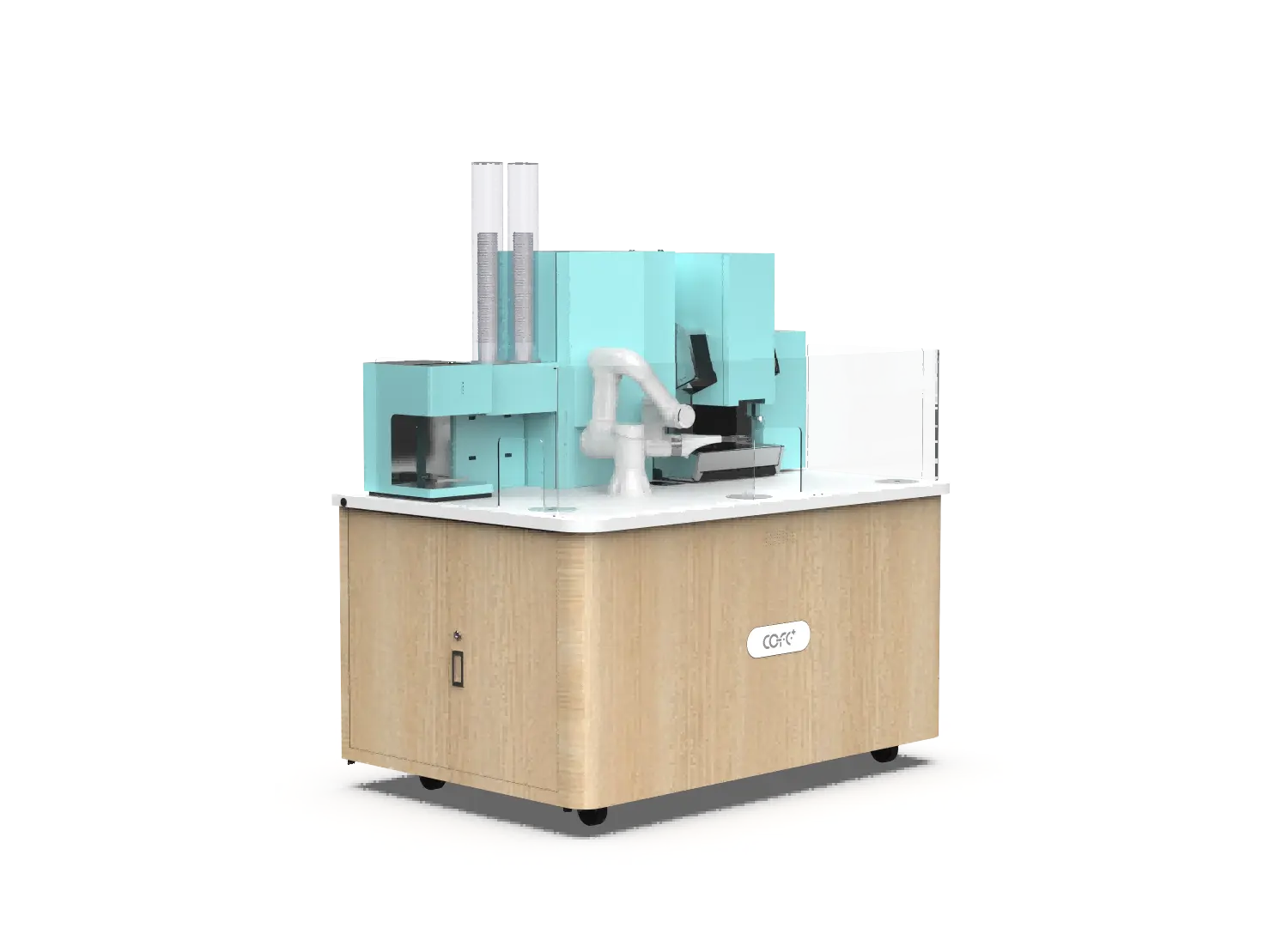
If your investment criteria include rapid payback and scalable deployment potential, it is worth discussing location strategy and unit specifications before committing to a particular model.
A robot coffee kiosk can be highly profitable when reduced labor costs and optimized operational costs are factored into the analysis. Profitability hinges on location, pricing strategy, and efficient management of capital expenditure. Strategic placement in high-traffic areas significantly enhances revenue potential, while poor location selection remains the most common cause of underperformance.
The typical ROI for an automated coffee business varies widely, but strong models often see returns within 18-36 months. Initial investment, sales volume, and ongoing maintenance costs significantly influence the overall return on investment. Some advanced systems achieve ROI in as little as 6-12 months when deployed in optimal locations with consistent foot traffic.
Automation positively impacts long-term value by offering scalability, consistent quality, and reduced dependency on manual labor, leading to lower operational costs over the asset’s lifespan. This enhances the business’s competitive advantage and attractiveness for future investment or expansion. Automated systems also provide valuable operational data that enables continuous optimization of product mix and pricing.
Regulatory challenges for robot coffee kiosks primarily involve food safety, hygiene standards, and local business permits. Compliance with health department regulations and obtaining necessary certifications is crucial for smooth operation and market acceptance. Reputable manufacturers provide certified solutions that address these concerns and streamline the permitting process.
Robot coffee kiosks with AI integration are well-positioned to adapt to changing market demand. Their technology allows for rapid menu adjustments, personalized offerings, and data-driven insights to optimize product mix and pricing. This adaptability ensures long-term market relevance as consumer preferences evolve. To explore how these systems might fit your investment portfolio, contact us at sales@hi-dolphin.com or +86 131 6630 1290.
TL;DR — COFE+ is a fully automated robotic coffee kiosk that grinds fresh beans, brews espresso and lattes, creates latt……
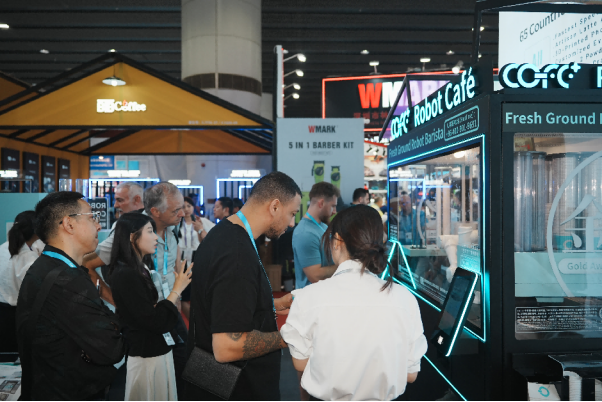
7th-Genertion Smart Robot Coffee Kiosk Arrives at the Belt and Road Core Hub, Ushering in a New Service Era Along t……
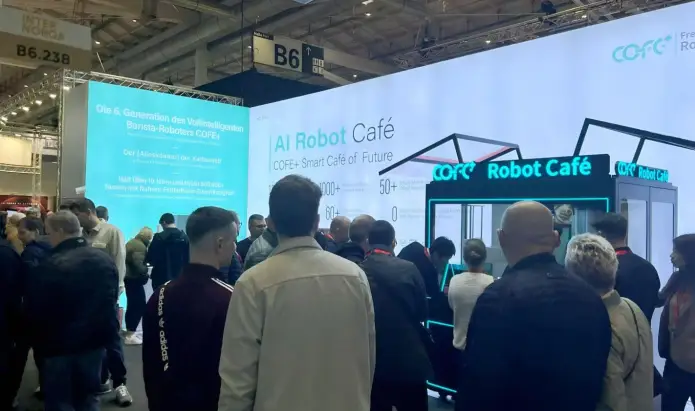
CHICAGO, May 12, 2026 (GLOBE NEWSWIRE) – Shanghai Hi-Dolphin Robot Technology today announced the U.S. debut of its 7th‑……