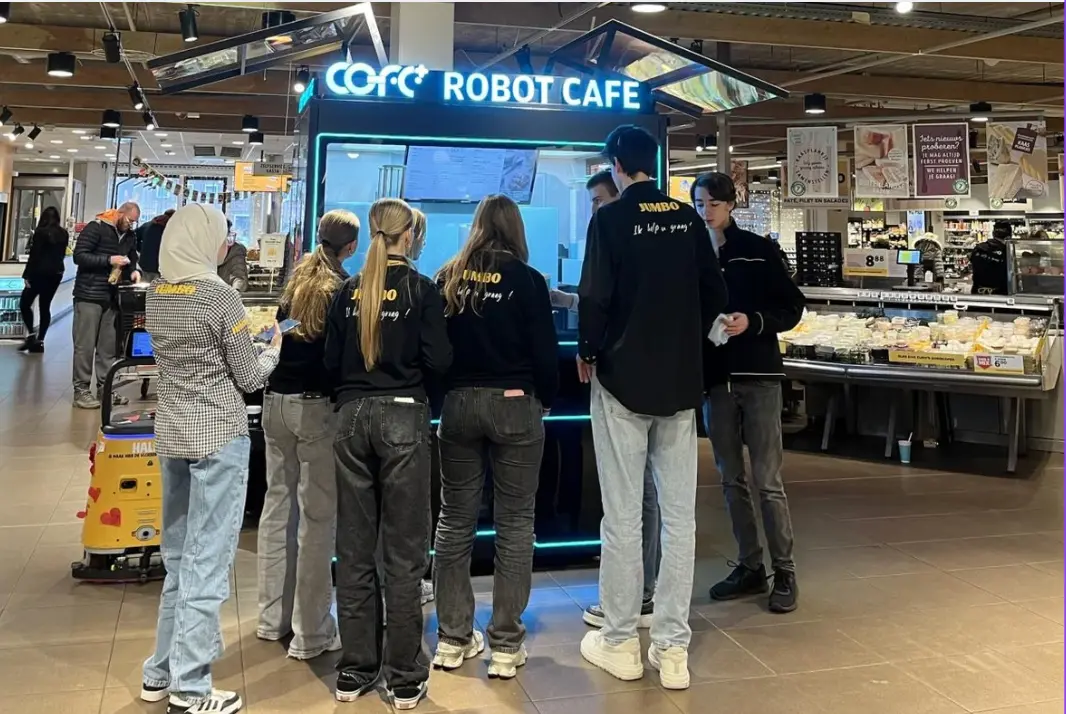
The Rise of Professional Robotic Café Technology: What COFE+ Is and Why It Matters
TL;DR — COFE+ is a fully automated robotic coffee kiosk that grinds fresh beans, brews espresso and lattes, creates latt……

Running a robot coffee kiosk pilot without predefined success metrics is like launching a product without a business plan. It might feel like progress, but it produces no actionable data. A disciplined pilot validates demand, stress tests operations, and establishes the exact conditions under which scaling makes financial sense. Having guided kiosk deployments across 65+ countries, I’ve seen that operators who treat the pilot as a full-system rehearsal, not just a machine trial, exit the test phase with the confidence to expand or the clarity to walk away. This guide walks you through building a pilot that answers the only question that matters: Based on real data, should you scale, adjust, or stop?
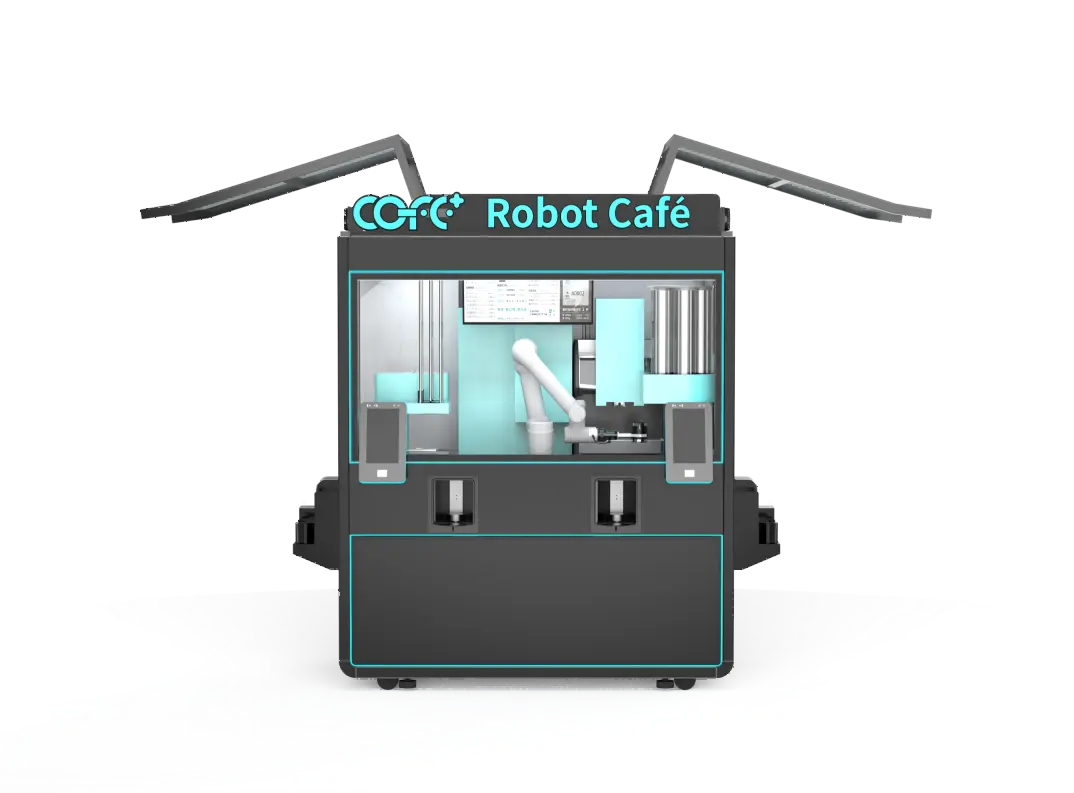
A pilot without a scorecard is a blind test. Before unboxing the kiosk, you need a simple set of targets that separate a successful trial from a failed one. I typically recommend operators track three core metrics: daily throughput (number of cups served), operational availability (percentage of uptime during planned service hours), and customer conversion against estimated footfall. These numbers don’t require complex analytics; solid manual logging or the kiosk’s own reporting dashboard will do.
For a coffee kiosk pilot, aim for at least 100 cups per day for a site with moderate indoor foot traffic. Uptime should stay above 98%, which is achievable with COFE+ systems that self-diagnose and alert support teams before small issues become downtime events. The customer conversion rate, measured as cups sold relative to pedestrians passing within 3 meters, provides a demand signal that is comparable across different locations later.
In pilot programs we’ve supported in university campuses and transit hubs, the sites that defined a target break-even cup volume during the first 30 days were able to make a data-backed scaling decision at day 60 without hesitation. The ones that started with “let’s see how it goes” took an average of 90 extra days to decide and often lost money on extended indecision.
Picking a single location that exaggerates customer demand or that sits in an area with zero foot traffic ruins the pilot’s value. Your test site should represent the kind of environment where you plan to scale—not the dream scenario. For example, if you intend to deploy in office buildings, pilot in a mid-sized office lobby, not a stadium concourse.
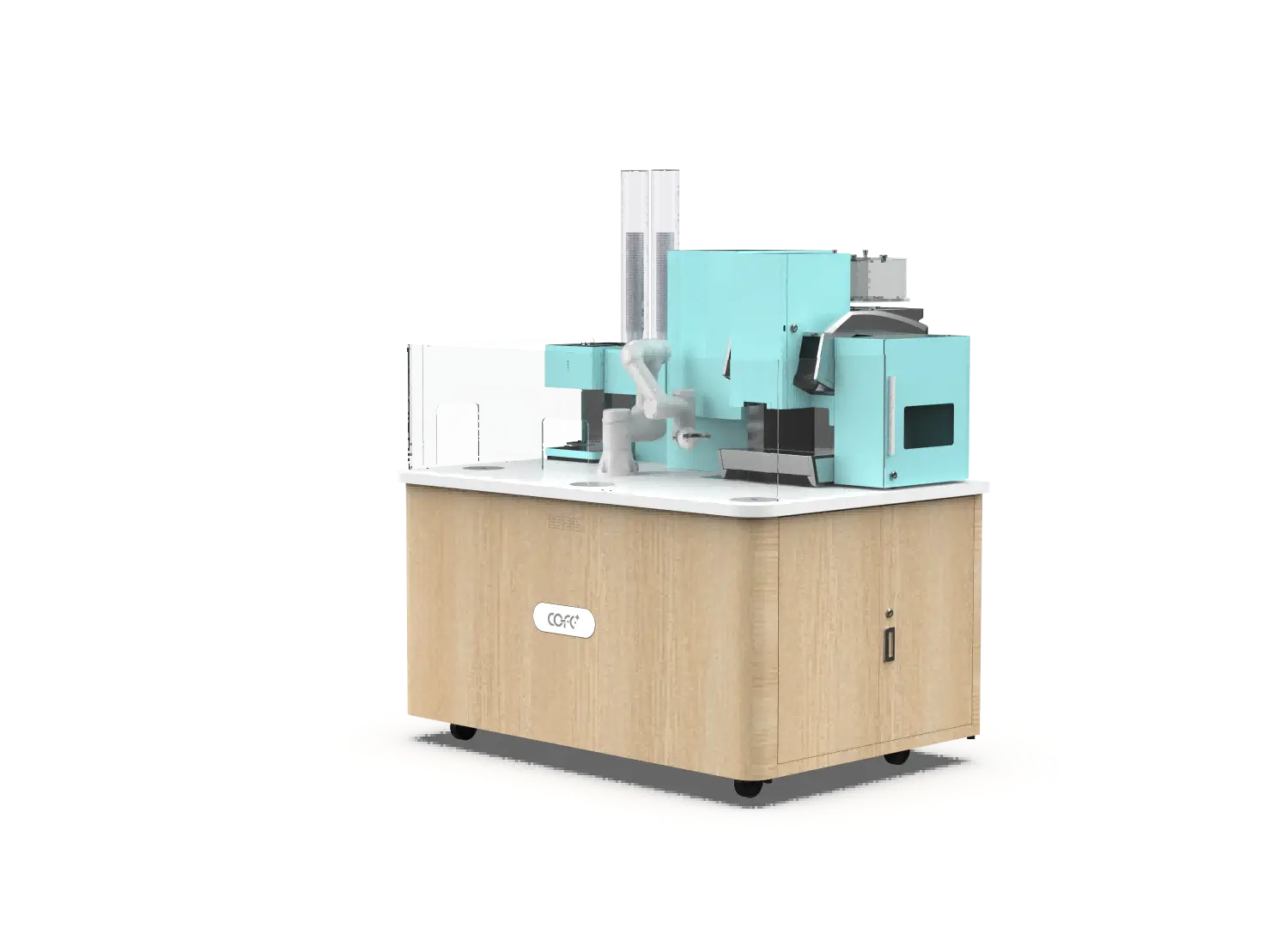
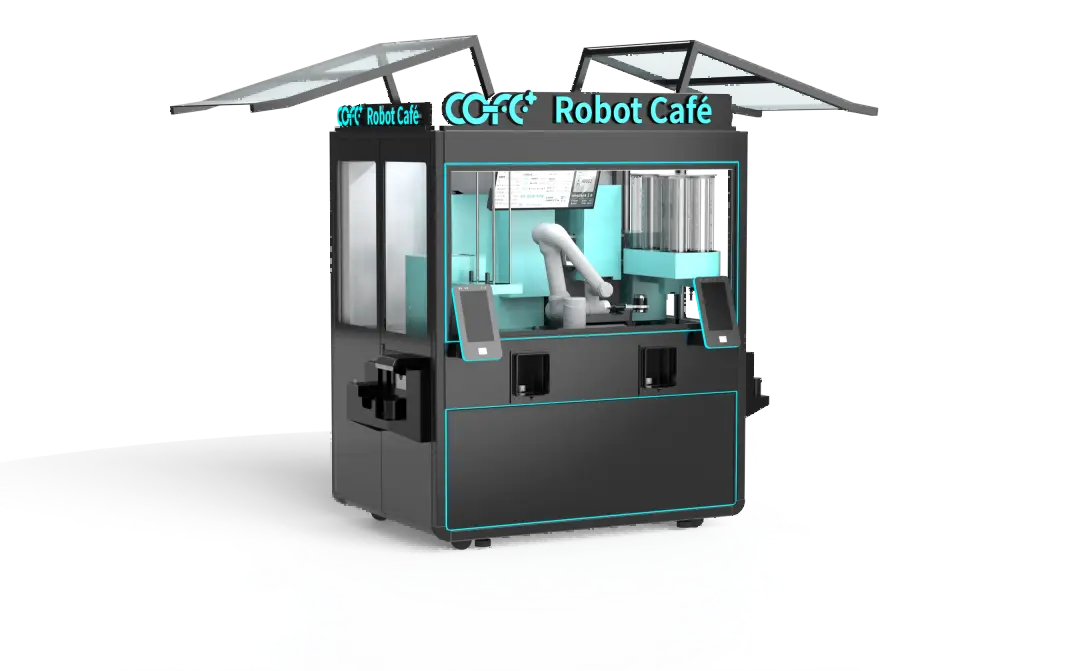
The site must have reliable 110V/220V power, water supply, and a drain line. If the kiosk is indoor, ensure the floor can support the 2.35 m² footprint and that the ceiling height allows for maintenance access. Outdoor pilots add a layer of complexity: the kiosk needs IP54 protection against dust and rain, as well as a temperature-stable environment. Hi-Dolphin’s outdoor kiosk operates from -20°C to 45°C, which covers most climates, but you still need to confirm local extremes won’t push beyond that range.
Walk the site at different times of day and on both weekdays and weekends. Count the number of people who pass within 3 meters of the intended placement. Even a rough headcount is more useful than the property manager’s estimated “busy around lunch” narrative. In one campus pilot we supported, a location that looked dead at 10 a.m. turned out to convert 12% of passersby during evening classes—a pattern only visible through observation, not floor plans.
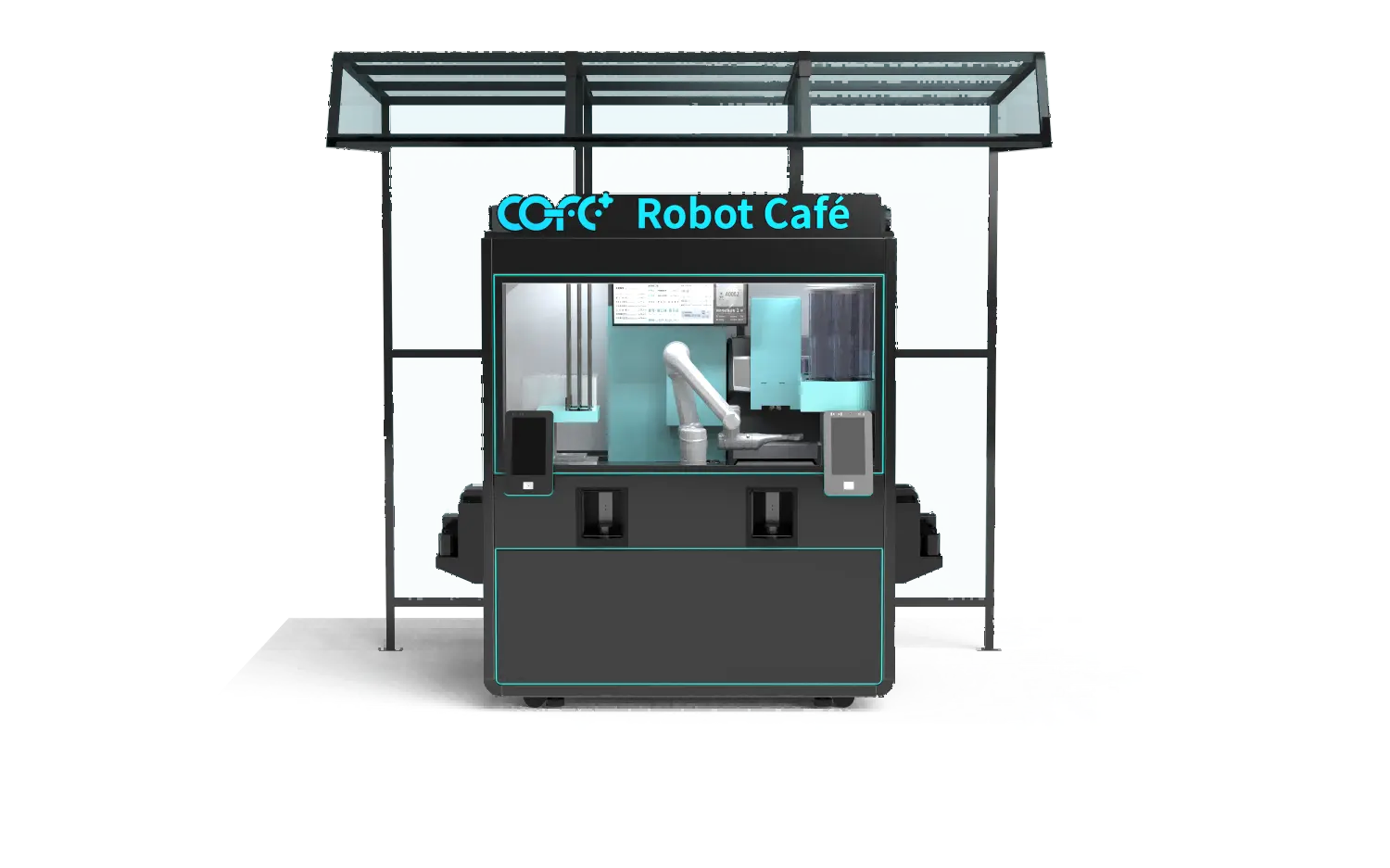
Getting the installation right on the first attempt keeps the pilot on schedule and avoids extra cost. A rushed setup that ignores utility specs can delay your start date by weeks while facilities teams sort out wiring.
The kiosk you choose should have at minimum a self-cleaning cycle, remote diagnostics, and ingredient-level inventory alerts. The COFE+ 7th generation platform runs automatic 85°C+ sterilization between preparation cycles, which reduces the need for on-site cleaning visits. Its cloud monitoring software tracks milk, bean, and syrup levels in real time, so refill schedules can be planned rather than reactive.
Before scheduling delivery, confirm that the power outlet is within 2 meters and not on a shared circuit with heavy-draw equipment. If a water line isn’t nearby, plumb in a small RO system; draining into an existing waste pipe usually works if the gradient is correct. For outdoor units, a level concrete pad is essential—even a 2-degree tilt can cause liquid level sensor errors during the first week.
Once the kiosk is serving, your job shifts to keeping it stocked, clean, and watched. The goal isn’t just uptime but also collecting operational insights that let you estimate the real staffing overhead when you scale to ten or fifty units.
A kiosk with cloud connectivity transmits error alerts, ingredient status, and sales data back to a central dashboard. We advise operators to set their replenishment thresholds at 30% remaining stock, not 10%. In four separate pilots, operators who used 10% thresholds ran out of milk during a weekend rush; those who refilled at 30% never had a stock-out. COFE+ units send push notifications for ingredient shortages, filter changes, and any module errors, so the operations team doesn’t need to visit the site to check status.
Print a QR code on the kiosk screen or cup sleeve linking to a 3-question survey: “Rate your drink,” “Would you return tomorrow?” and “What would make your next experience better?” In high-volume pilots we’ve run, a 2% response rate was enough to spot a syrup pump calibration issue that was affecting taste consistency before it showed up in complaints.
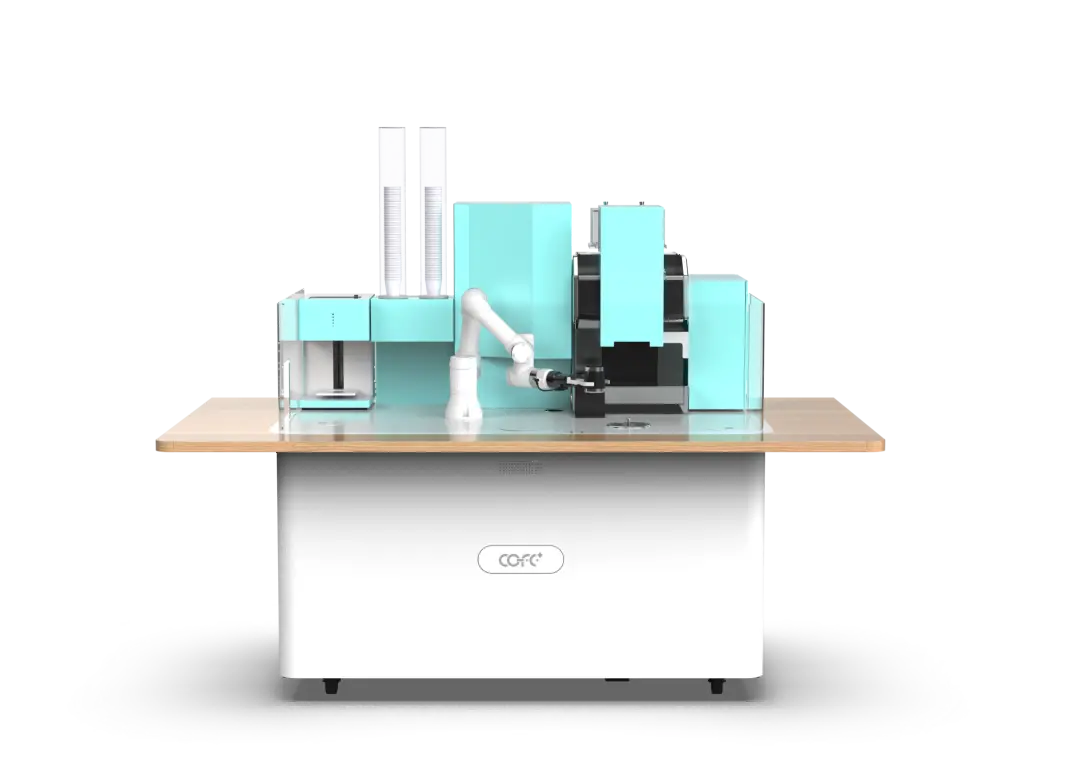
If your pilot site involves constraints like limited drainage or demand for custom menu items, it’s worth confirming compatibility before installation. Reach out at sales@hi-dolphin.com with your site specifications for a technical review.
After the pilot period—typically 60 to 90 days—you’ll sit down with a stack of numbers. The temptation is to cherry-pick the days where everything clicked. Resist that. Look at the full dataset and decide based on trend lines, not highlights.
Scale if the pilot meets two or more of these criteria consistently for at least the last 30 days: daily cups exceed 80% of the target, uptime stays above 95%, and your cost per cup lands within 15% of the projection. Pause and adjust if throughput is borderline but customer satisfaction is high—sometimes a small menu tweak or a better location sign pushes the numbers up. Stop if you cannot reach two of those metrics even after three months, or if the site-level maintenance costs exceed what a part-time attendant would cost. A stopped pilot isn’t a failure; it’s a free insight that saves you from a much larger scaling mistake.
A robot coffee kiosk pilot reduces investment risk, but only if the data leads to a clear decision. If you’re ready to structure a pilot that yields reliable answers, contact our team at sales@hi-dolphin.com or +86 131 6630 1290 to discuss site requirements and receive a tailored pilot proposal.
You need at least 60 days to capture weekday and weekend patterns, as well as any seasonal shifts like term breaks or tourist off-seasons. A 30-day pilot often produces misleading demand data, especially if the first two weeks had launch-day curiosity traffic. In campus or office pilots, we recommend 90 days to account for exam periods, holidays, or vacation schedules that disrupt baseline foot traffic.
Yes, if the kiosk is rated for cold-weather operation and has an internal heater and anti-condensation system. The COFE+ outdoor model operates down to -20°C, but you still need to confirm that the water line insulation and drain heating are adequate for your lowest local temperature. Outdoor pilots in freezing climates usually require a small heated enclosure around the water connection point, not just a weatherproof kiosk.
The main cost drivers are the kiosk itself, shipping, site preparation, and consumables. For a single indoor unit, total pilot investment usually ranges from $20,000 to $35,000 including the first two months of ingredients. This can drop significantly if you lease the equipment for the trial period. We often help operators structure a short-term lease pilot that converts to purchase only after the data confirms the business case.
A pilot that exposes a bad location, an overpriced menu, or a maintenance bottleneck before you’ve committed to ten units is not a failure—it’s a success. The pilot’s purpose is to validate assumptions. If the data shows a mismatch, you adjust and rerun, or you redeploy the kiosk to a different venue type. We’ve worked with operators who relocated a struggling kiosk from a hotel lobby to a university library and saw daily cups double within two weeks.
Remote monitoring lets you track sales, stock levels, and error codes without daily visits. In one pilot we supported, the system detected a drop in boiler temperature 20 minutes before it would have interrupted service, allowing a local technician to reset the unit remotely during off hours. The kiosk never missed a serving window. When you’re testing viability at a single site, the ability to resolve issues before customers notice is what keeps your pilot data clean and your early reputation intact. If you’re planning a pilot and want to see how remote management works in practice, share your location details with us to receive a walkthrough tailored to your deployment environment.
TL;DR — COFE+ is a fully automated robotic coffee kiosk that grinds fresh beans, brews espresso and lattes, creates latt……
7th-Genertion Smart Robot Coffee Kiosk Arrives at the Belt and Road Core Hub, Ushering in a New Service Era Along t……
CHICAGO, May 12, 2026 (GLOBE NEWSWIRE) – Shanghai Hi-Dolphin Robot Technology today announced the U.S. debut of its 7th‑……