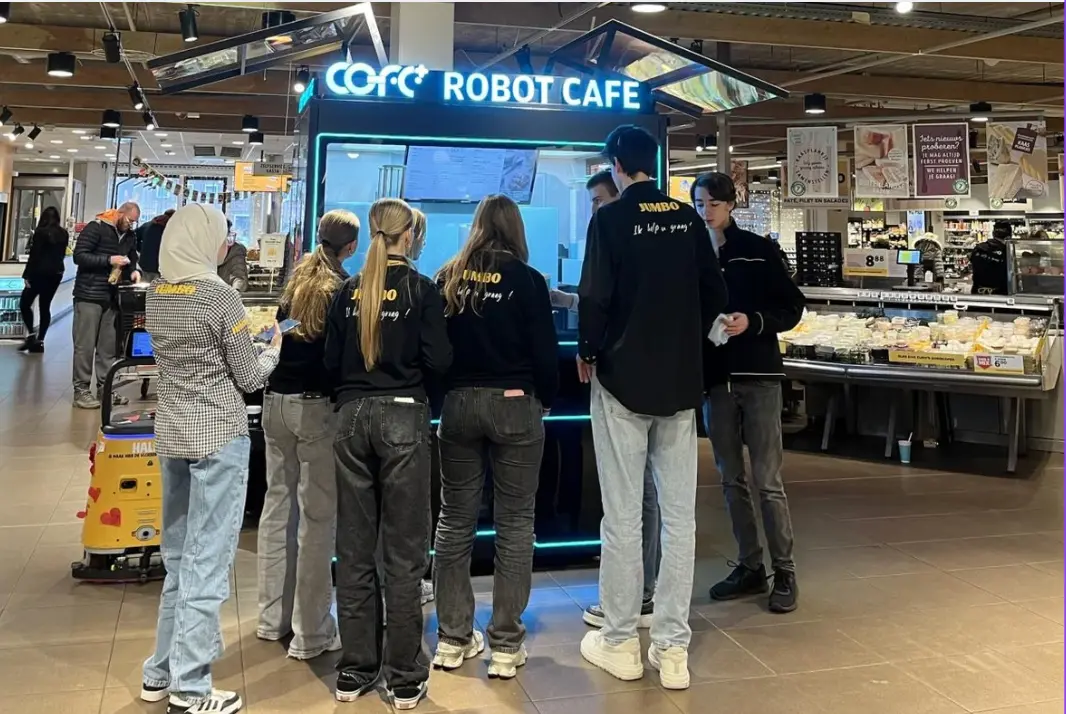
The Rise of Professional Robotic Café Technology: What COFE+ Is and Why It Matters
TL;DR — COFE+ is a fully automated robotic coffee kiosk that grinds fresh beans, brews espresso and lattes, creates latt……

Coffee robot menu design is not about listing popular drinks; it’s about engineering a system that converts first-time curiosity into habitual purchasing. Most operators deploy their robot coffee kiosk with a default menu and expect adherence, but sustained revenue requires deliberate structuring of choices, personalization, and data-driven iteration. In our deployments across 65+ countries, we’ve observed that the highest repeat purchase rates come from kiosks that treat the menu as a dynamic tool, using 5,000+ customization combinations to create a discovery experience. This article outlines a strategic three-part approach that moves beyond static drink lists to a data-responsive, customer-centric menu model capable of sustaining revenue growth in unmanned retail environments.
Most unmanned coffee kiosks launch with a standard menu of 20 to 30 items, covering espresso classics, lattes, and a few flavored options. The problem is not the selection size but the lack of intentional structure. A high repeat purchase menu isn’t measured by the number of SKUs, it’s measured by how often each drink reorders.
Start by analyzing your kiosk’s transaction data. Look for drinks that are purchased only once per unique customer, drinks that spike on certain days but don’t recur, and drinks that never sell after initial listing. In our experience, the biggest barrier to repeat business is a menu where every option feels interchangeable, giving the customer no reason to try something new on the next visit.
Conduct a simple audit: identify your top 5 repeat-purchase items and compare their characteristics. Are they customization-heavy? Seasonal? Locally flavored? This baseline will guide your redesign.
A static menu also fails to capitalize on the robot’s inherent advantage: the ability to store and execute hundreds of recipes without retraining staff. If your kiosk is only offering 25 drinks out of a possible 300+, you’re leaving repeat purchase opportunities on the table. We’ve seen operators who simply added a rotating “seasonal specials” slot double their monthly returning customer rate within 60 days. The key is to view the menu as a living portfolio that can be tested and iterated.
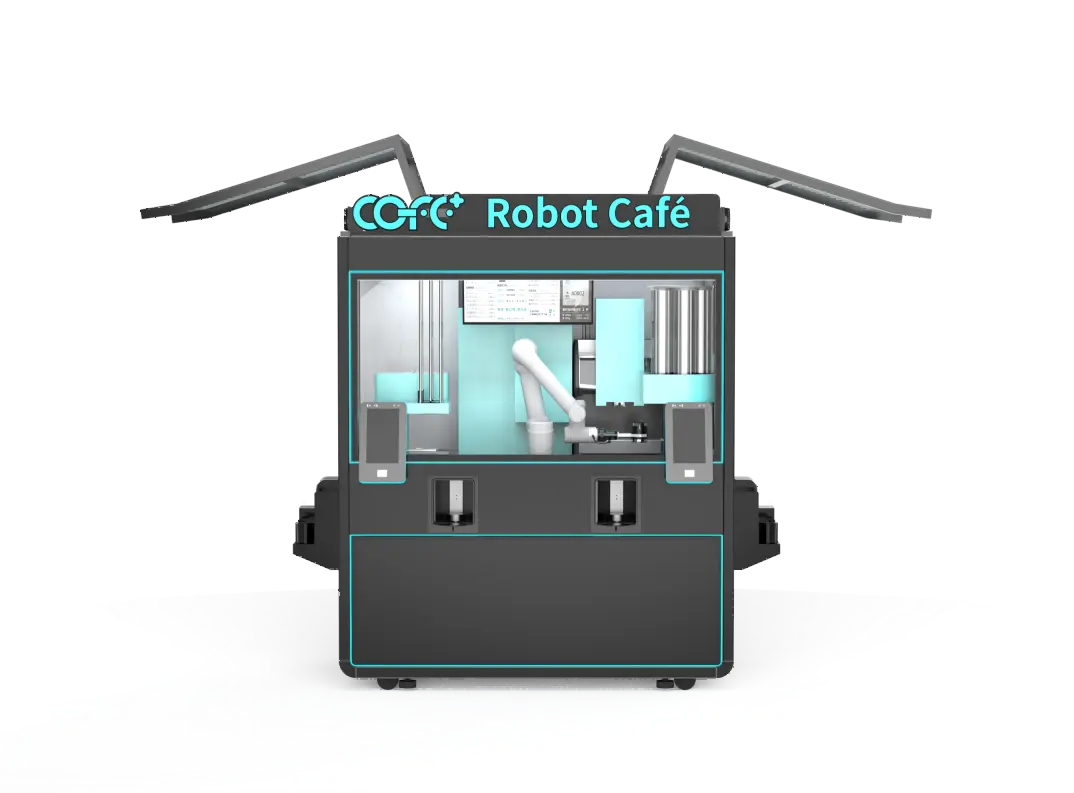
The COFE+ 7th generation kiosk supports over 5,000 beverage combinations spanning bean origin, roast level, milk type, syrup flavor, and even 3D latte art prints. This isn’t just a gimmick, it’s a repeat-purchase engine. When a customer can design a drink that feels uniquely theirs, they return to replicate it or to explore other variations.
We’ve found that promoting custom-drink creation on the touchscreen, with simple prompts like “Try our oat milk and vanilla latte” or “Design your own iced coffee blend,” increases per-customer visit frequency noticeably. Use the robot’s library of 197 country-inspired recipes to introduce international flavors that spark curiosity. A Vietnamese egg coffee one month, a Turkish cardamom brew the next, keeps the experience fresh.
| Customization Dimension | Options | Role in Repeat Purchases |
|---|---|---|
| Bean Origin | Single-origin selections | Offers tasting exploration, encouraging return visits for variety |
| Milk Type | Dairy, oat, almond, soy | Attracts and retains non-dairy consumers |
| Syrup Flavor | Vanilla, caramel, hazelnut, seasonal | Creates upsell potential while giving repeat customers new flavor experiences |
| Roast Level | Light, medium, dark | Adapts to regional preferences, reducing one-time try risk |
| Latte Art Print | Custom images, logos | Drives social sharing and creates memorable visits |
The key to using customization for repeat purchases is to structure the touchscreen interface so that customers are guided toward new combinations each time. After ordering a standard latte, a nudge like “Have you tried our new oat milk version?” or “Add a seasonal syrup for $0.50” turns a routine order into a discovery moment. This nudge strategy can be programmed directly into the robot’s smart store brain, making every interaction an opportunity to deepen the customer’s menu engagement.
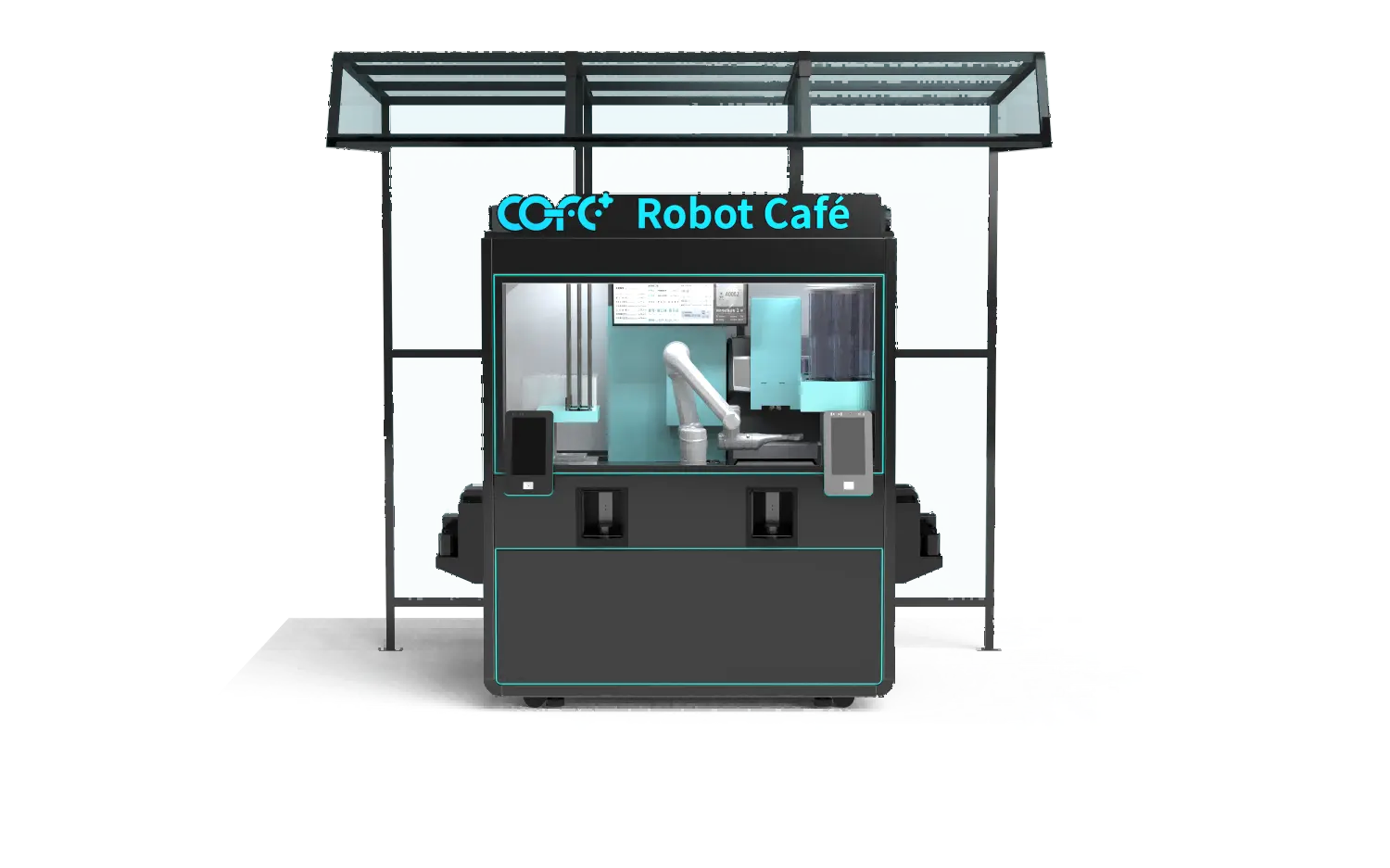
Every COFE+ kiosk is equipped with cloud-based analytics that track per-drink sales, time-of-day trends, and ingredient consumption. Instead of guessing which drinks to keep, you can use hard data. In our operations, we advise operators to run a monthly menu review cycle: list all drinks by sales volume and by repeat purchase frequency (how many unique customers bought it more than once), then cut the bottom 10% and replace them with variants of your top-performing categories.
For example, if caramel latte is a top mover, add a caramel macchiato or iced caramel option. This data-driven rotation keeps the menu fresh without expanding complexity beyond manageable levels. Key metrics to monitor include repeat purchase rate (RPR), average order value per unique customer, items per transaction, and time between first and second purchase.
If you intend to scale beyond a single kiosk, confirm that your analytics platform can aggregate and compare menu performance across multiple units. Reach out at sales@hi-dolphin.com to discuss your multi-site reporting needs.
Localization is one of the most underused levers for repeat purchases. A robot coffee kiosk in Singapore can serve kopi, while one in Riyadh might offer spiced qahwa, all using the same machine with different recipe files. The COFE+ platform supports 197 country-inspired recipes, making it straightforward to switch flavor profiles without physical changes.
We’ve helped operators in the Middle East add cardamom-infused lattes during Ramadan, and in Southeast Asia, pandan and gula melaka syrups became instant repeat sellers. The key is to rotate these local specials on a seasonal or event-based calendar, so that regulars have a reason to come back every few weeks to try the new offering. Pair a local flavor with a limited-time promotional screen on the kiosk display to drive urgency and trial. Seasonal menus also align with climate: iced coffee and fruit tea blends in summer, hot spiced lattes in winter. Even in tropical markets, seasonal variations like mango or lychee flavors in dry season create cyclical demand.
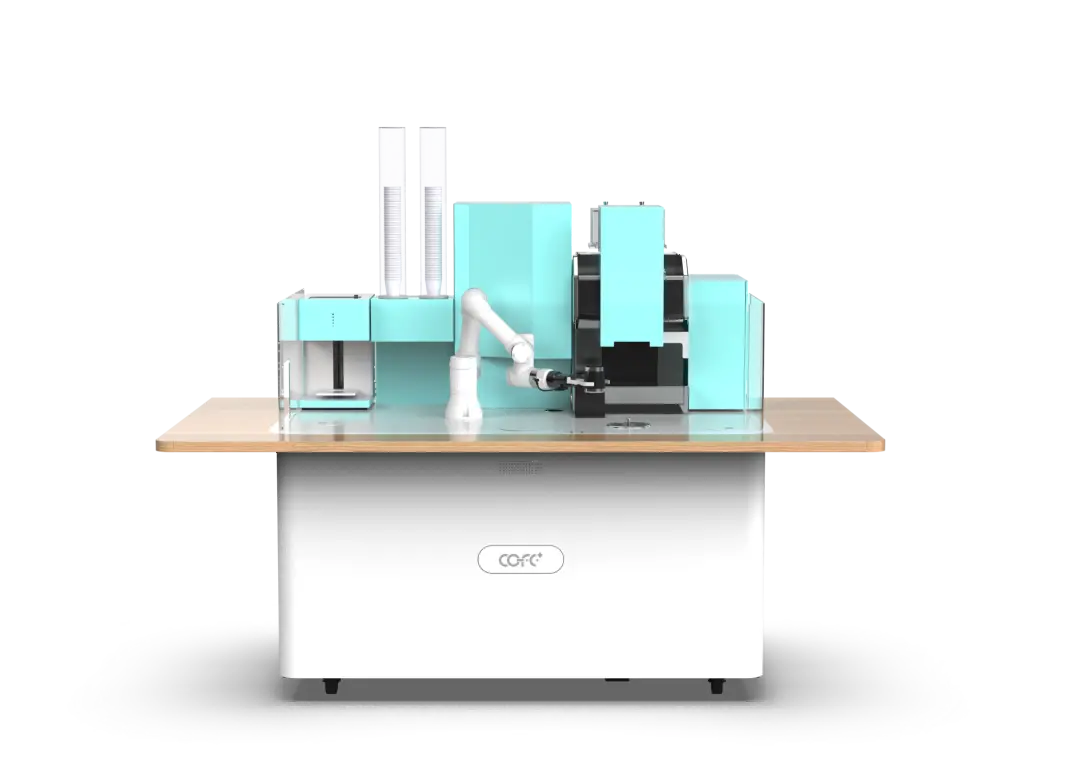
Increasing repeat purchases isn’t just about the drink itself; it’s also about value perception that makes ordering again feel like a smart decision. Bundle deals, such as “Coffee + Extra Shot for $0.50 off” or “Medium to Large upgrade for just $0.30,” create a sense of getting more each visit. In our deployments, we’ve noticed that customers who accept an upsell on their first visit return faster, frequently within the same week.
| Combo Type | Offer | Goal |
|---|---|---|
| Classic Morning Duo | Any latte + pastry (where available) at 10% off | Increases order value and pair habit |
| Customizer’s Deal | Any drink + extra syrup + large upgrade for a fixed price | Boosts ticket while encouraging customization |
| Seasonal Bundle | Holiday syrup coffee + branded cup sleeve | Creates collectible value and repeat visits |
| Digital Loyalty | Buy 5 coffees, get 6th free via the kiosk app | Builds habit through reward |
When designing combos, use the touchscreen flow to present them at the right moment, right after the customer selects a drink but before payment. The robot’s smart store brain can dynamically offer relevant upsells based on previous choices, making the interaction feel personal rather than pushy.
Once you’ve optimized the menu for one kiosk, scaling across multiple sites introduces new challenges: maintaining brand consistency while allowing local adaptations, managing ingredient inventory at scale, and ensuring that menu updates roll out seamlessly. The COFE+ platform’s centralized cloud management lets you push the same core menu to all your kiosks while granting local operators override permissions for regional specialties.
Regularly review aggregate sales data to identify which localized variants outperform the standard menu, and consider standardizing those across your network. This feedback loop turns each site into a living research lab, accelerating repeat purchase innovations across your entire fleet. Keep a close eye on ingredient consumption rates for top-selling customization combos; stockouts of a popular syrup or milk alternative break the repeat cycle instantly.
The most successful robot coffee operators are those who stop treating the menu as a one-time setup and start treating it as a performance dial. If your current menu isn’t delivering the repeat purchase ratio you projected, it’s not a sign that the robot isn’t working, it’s a signal that your menu strategy needs refinement.
Our team at Hi-Dolphin works with operators globally to analyze their sales data, model high-return menu configurations, and provide ongoing optimization support. To get started, send your current menu and an overview of your target customer demographics to sales@hi-dolphin.com, or call +86 131 6630 1290 for a consultation. We’ll help you design a menu structure that turns casual users into daily regulars.
The ideal number is less about quantity and more about structure. We’ve found that a core of 20–30 drinks, combined with a rotating customization layer of seasonal flavors and special add-ons, works well. Too few drinks bore customers; too many overwhelm them and complicate inventory. Start with 20 staples and add 5–10 rotating slots that change monthly, keeping the backbone stable while giving regulars something new to anticipate.
Absolutely. Customization adds a personal touch that creates attachment. A customer who prints their pet’s photo on a latte is likely to order again to show a friend or try a different image. In our deployments, we’ve seen a clear correlation between active use of the 3D printing feature and three-visit-plus customer retention. It turns a routine coffee run into a shareable experience, driving organic social media promotion as well.
We recommend a monthly review of sales data, with menu updates every 6 to 8 weeks. This is frequent enough to keep the experience fresh but not so often that customers lose their favorites. Align updates with local holidays, weather shifts, or new coffee bean arrivals. Swapping even two or three items each cycle can sustain curiosity without confusing regulars who rely on a consistent baseline.
The key is to match the flavor profile to local palate preferences. In hot climates, fruity and iced options perform well; in cooler regions, spiced and nutty flavors gain traction. We’ve supported operators in adding matcha in Japan, chai in India, and dulce de leche in Latin America with strong repeat rates. The robot’s recipe flexibility allows you to test a niche flavor with a small run before committing to a full rollout.
Before making a menu change, set a clear metric to track, such as repeat purchase rate per week or average days between first and second purchase. After implementing the change, monitor that metric over a 30- to 60-day window. We typically see statistically significant improvements when operators move from a static menu to a dynamic, data-informed one. If your current analytics don’t give you that visibility, explore platforms that offer per-drink purchase frequency reporting. For tailored advice on setting up your kiosk’s data dashboards, reach out to us at sales@hi-dolphin.com.
TL;DR — COFE+ is a fully automated robotic coffee kiosk that grinds fresh beans, brews espresso and lattes, creates latt……
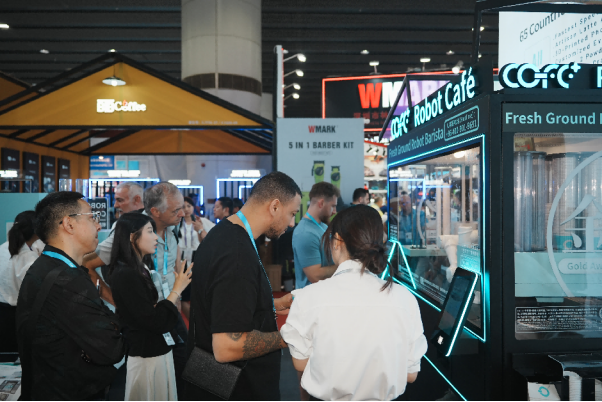
7th-Genertion Smart Robot Coffee Kiosk Arrives at the Belt and Road Core Hub, Ushering in a New Service Era Along t……
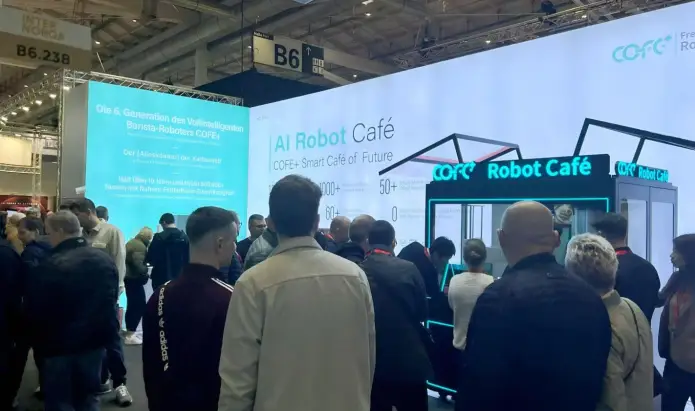
CHICAGO, May 12, 2026 (GLOBE NEWSWIRE) – Shanghai Hi-Dolphin Robot Technology today announced the U.S. debut of its 7th‑……