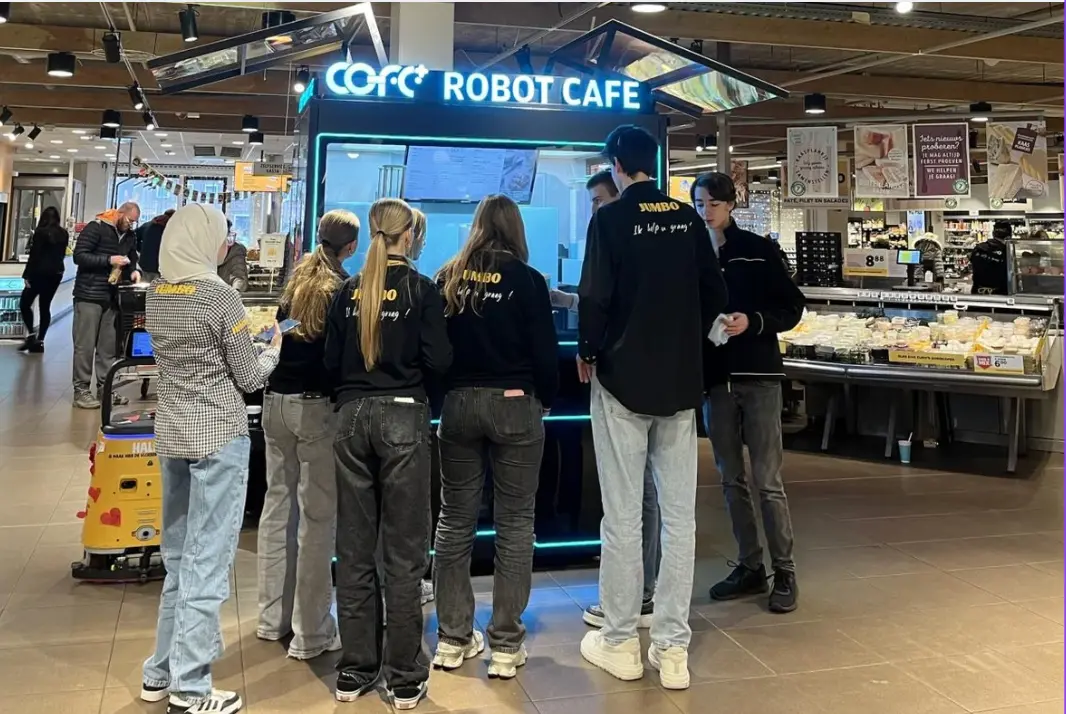
The Rise of Professional Robotic Café Technology: What COFE+ Is and Why It Matters
TL;DR — COFE+ is a fully automated robotic coffee kiosk that grinds fresh beans, brews espresso and lattes, creates latt……

In hot weather markets, customer demand shifts to iced and cold beverages, and speed of service becomes essential. For robot coffee kiosk operators, this seasonal shift is a chance to boost revenue if the menu is designed correctly. The best-selling drinks for robot coffee kiosks in hot weather are not simply copies of café summer specials; they’re a data-driven selection optimized for the high-volume, unattended nature of robotic systems. Having deployed smart coffee robots in diverse climate zones, I’ve seen that a focused lineup of refreshing options can lift daily sales by over 30% during summer months. This article covers which drinks consistently perform best, the operational reasons behind their success, and how to structure your kiosk menu for maximum profitability.
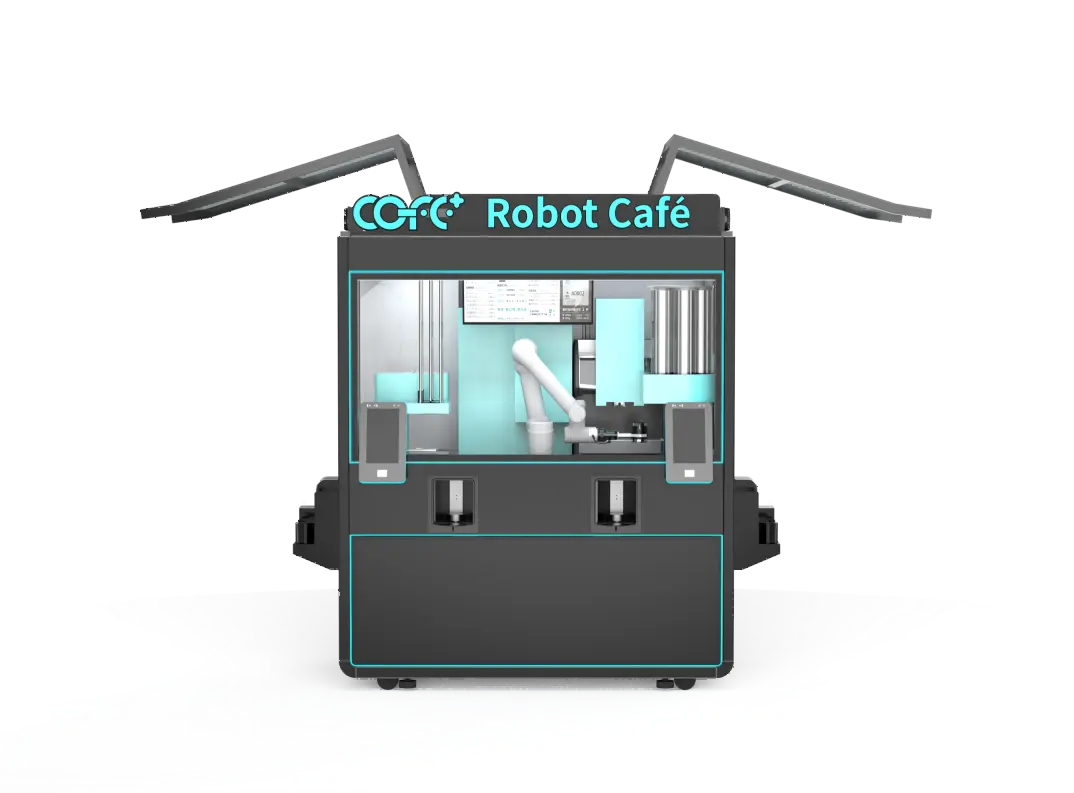
When temperatures climb, customers instinctively reach for cold, fast, and revitalizing beverages. In a traditional café, a barista can steer choices, but a robot kiosk must present a menu that guides decisions instantly. Sales data from Hi-Dolphin’s global deployments shows that iced coffee and blended drinks can account for up to 70% of daily sales in regions with persistent heat. The real challenge is balancing variety with operational simplicity. A COFE+ robot can produce over 300 drink combinations, but offering too many options on the home screen slows decision-making and complicates supply logistics.
Heat drives two dominant behaviors: the immediate need for cooling and a preference for lighter, non-creamy textures. In my experience, customers in hot climates default to drinks with ice or chilled bases—iced lattes, cold brews, and fruit-infused teas. Price sensitivity also rises in sun-exposed, high-traffic outdoor locations, making well-priced medium cups the volume sweet spot. The robot kiosk’s ability to adjust sweetness, ice level, and temperature per cup without human intervention allows operators to meet these preferences instantly, something a static vending machine cannot replicate.
After analyzing sales across multiple hot-weather sites, I’ve identified five drink categories that consistently drive revenue. The table below summarizes their performance.
| Category | Avg. Price (USD) | Popularity Rank | Margin | Ideal Cup Size |
|---|---|---|---|---|
| Iced Latte (Classic) | 3.50–4.00 | 1 | High | Medium (12 oz) |
| Cold Brew Coffee | 3.80–4.50 | 2 | Very High | Large (16 oz) |
| Iced Mocha/Frappe | 4.00–5.00 | 3 | Medium | Large |
| Chilled Tea & Lemonade | 2.80–3.50 | 4 | High | Medium |
| Smoothie/Blended Ice Drink | 4.50–5.50 | 5 | Medium | Large |
Iced lattes lead in volume because the robot delivers consistent espresso extraction and milk frothing every time. Cold brew, requiring only pre-steeping, earns the highest margin because the base can be batch-prepared and dispensed rapidly. Frappes and blended iced drinks attract younger customers and command premium pricing, while chilled teas and lemonades widen the audience to non-coffee drinkers. Smoothies, though more complex operationally, appeal to health-conscious buyers and justify higher price points.
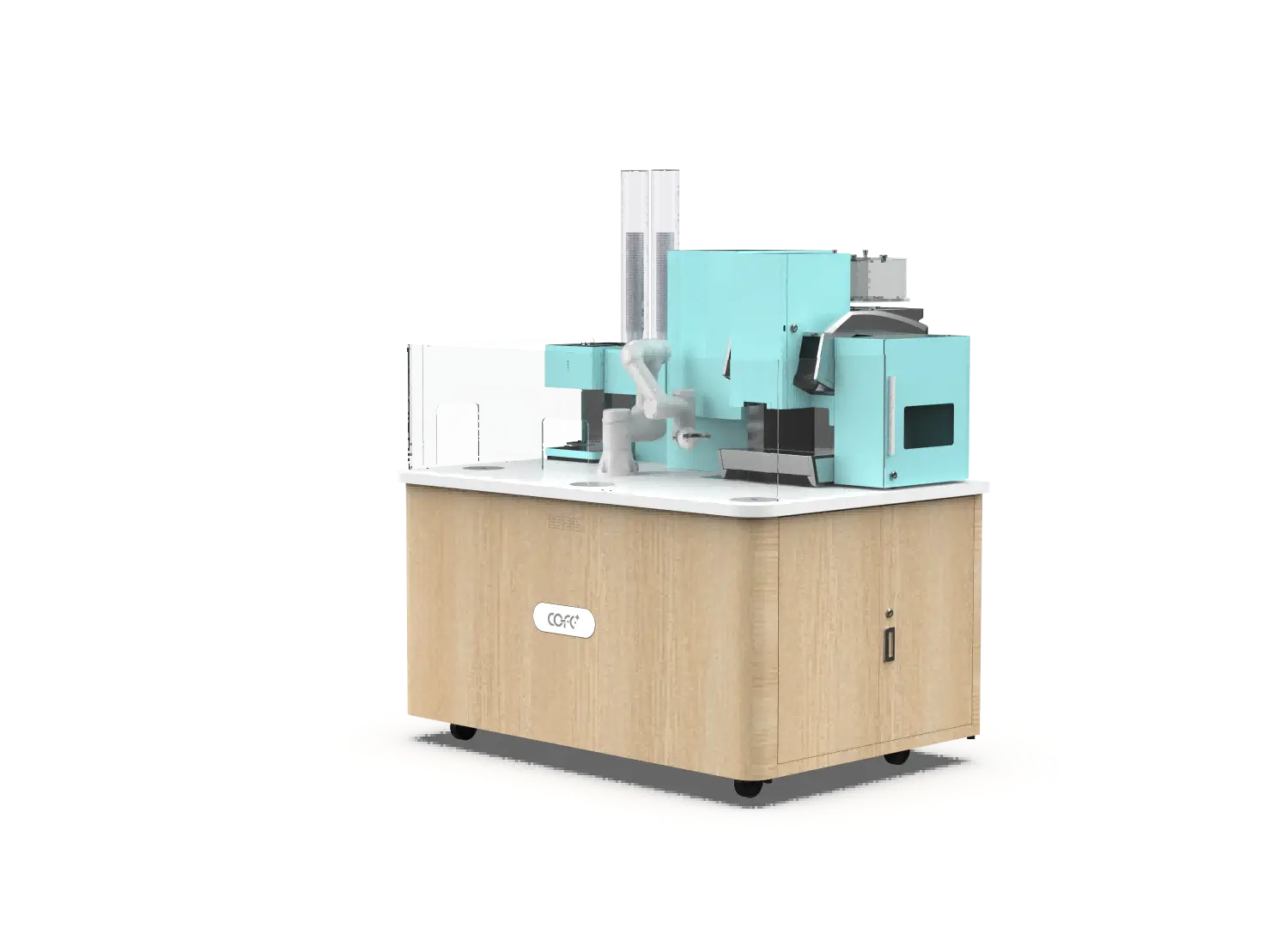
One of the most common complaints about manual iced coffee is inconsistency—too much ice, weak espresso, or separated milk. The COFE+ 7th Generation robot eliminates these variables by precisely controlling grind size, extraction time, milk dispensing, and ice quantity for every cup. This deterministic process makes it possible to offer a signature iced latte that tastes identical across thousands of servings, a reliability that builds repeat business.
The system’s dual-lane ice dispenser maintains a fill ratio within 2% of target, and the refrigerated milk module keeps dairy below 4°C until serving. This not only preserves quality but also meets the food safety certifications required in over 18 countries. For outdoor kiosks operating in 40°C ambient temperatures, the IP54-rated outdoor model’s internal cooling ensures the machine itself remains operational, a detail many operators overlook until a breakdown interrupts service.
Even during peak heat, the robot produces a cold drink in 43 to 60 seconds, so queue times stay short. This speed, combined with deterministic recipe execution, makes 24/7 hot-weather operation feasible without any staff on duty—something a traditional café could never match without incurring unsustainable labor costs.
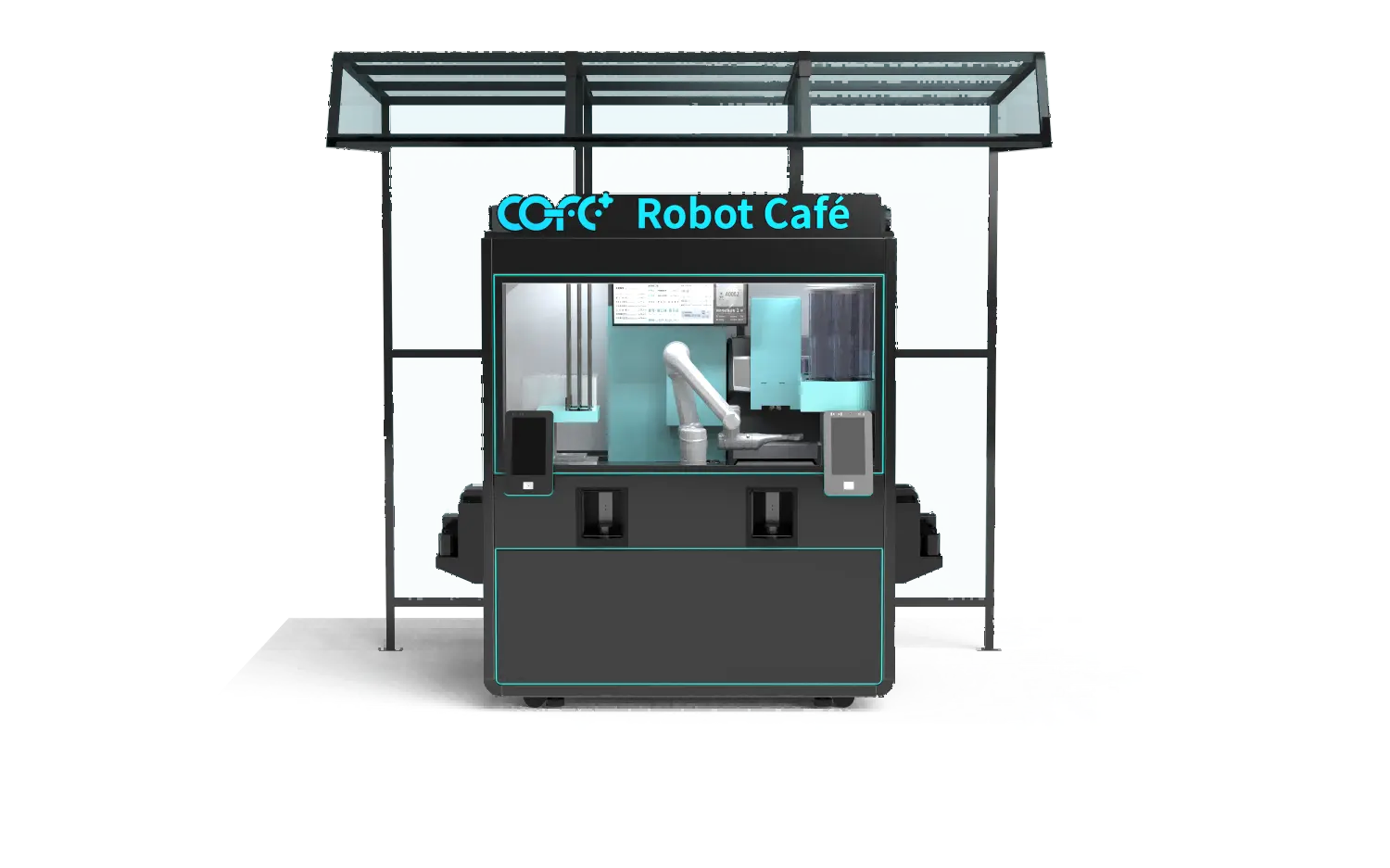
If your kiosk serves a high-traffic area where temperatures regularly exceed 30°C, it’s worth auditing which categories appear on the front screen. The decision to feature one category over another directly impacts basket size. For a location-specific analysis, you can contact our strategy team at sales@hi-dolphin.com.
A robot coffee kiosk’s built-in cloud monitoring captures every transaction—drink type, customization choices, time of day, and even ambient temperature. I recommend reviewing this data monthly during the first summer season to spot underperforming items and rising stars.
If the sales report shows that iced lattes with vanilla syrup sell three times more than plain versions, adjust the default menu order to surface vanilla first. Conversely, if a premium smoothie shows zero sales, it might be buried on page three; moving it to the home screen can reverse its performance. The ability to remotely update the touchscreen interface is one of the most underused features of smart kiosks.
Another powerful tactic is A/B testing limited-time offers. Push a “Mango Iced Latte” for two weeks, compare sales against baseline, and add it to the permanent summer menu if it succeeds. Because the robot handles all recipe parameters digitally, switching items requires no retraining or physical recipe cards. This agility lets you respond to local taste trends faster than any manned café.
The kiosk’s order flow naturally creates upsell opportunities without being pushy. Since there is no human barista, the screen acts as the only salesperson. By designing a menu flow that presents add-ons at the right moment, you can raise average order value by 15–25%.
After a customer selects an iced latte, the next screen should suggest extra syrup flavors or a switch to plant-based milk. After choosing a cold brew, offer an energy boost shot. Before checkout, recommend a reusable cup or a pastry add-on if the kiosk handles packaged goods. Hi-Dolphin’s COFE+ platform supports full customization of the upsell sequence and can incorporate AI-driven recommendations based on local purchase patterns. For instance, if oat milk is the top alternative at a particular university location, the upsell screen can list oat milk as the first option.
Bundles also perform well. A “Morning Wake-Up Combo” combining a large iced latte and a snack at a slight discount can increase transaction size while moving more inventory. Because the kiosk tracks inventory in real time, bundles are automatically removed when stock runs low, preventing out-of-stock disappointments.
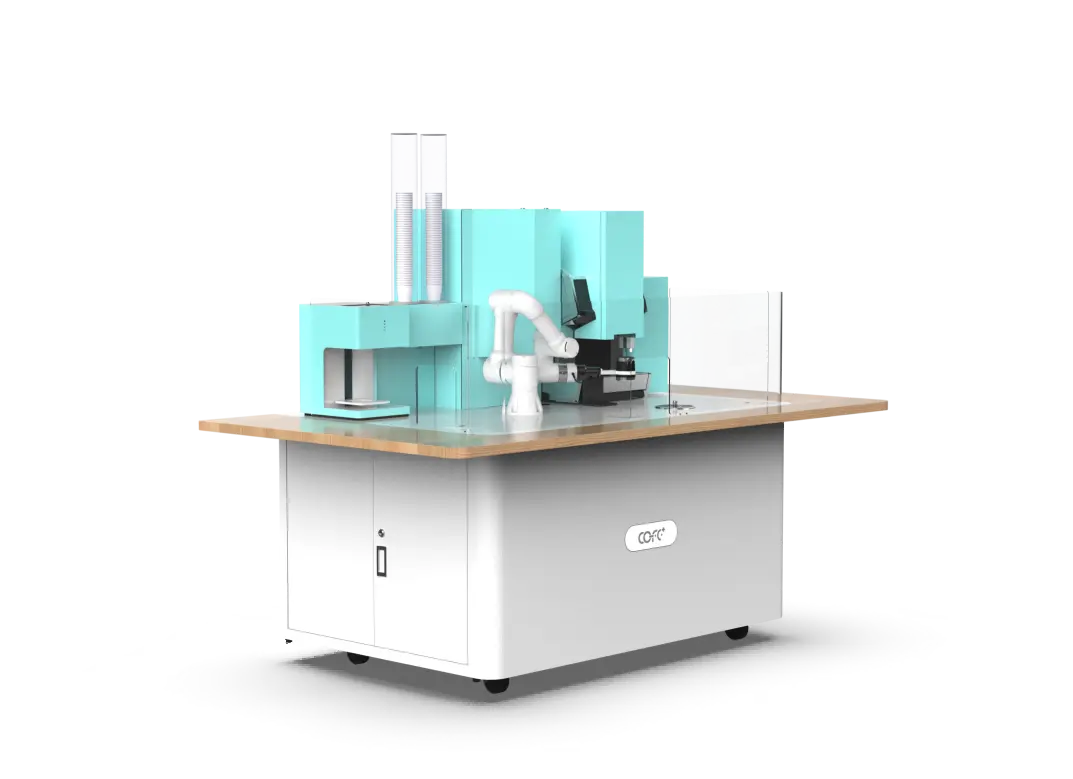
Operators who treat a robot coffee kiosk as a passive vending machine miss the bulk of its potential. In hot weather markets, where sales can triple compared to mild months, the machine becomes a strategic asset. The precise drink quality, rapid service, and real-time sales data enable a level of menu optimization that fixed-location cafés only dream of.
The key is to start with a curated list of high-margin, high-volume iced drinks, then use the kiosk’s own performance data to iterate. Remove what doesn’t sell, promote what does, and never stop testing. From my experience deploying these systems globally, the operators who iterate their menu at least quarterly see significantly faster payback on their investment.
If your operation is in a hot climate and you’re not yet using the kiosk’s data capabilities to drive menu decisions, you’re leaving money on the counter. At Hi-Dolphin, we provide comprehensive support for menu design, data interpretation, and seasonal strategy. To discuss how to tailor your robot coffee kiosk’s summer menu for your specific market, reach our team at sales@hi-dolphin.com or call +86 131 6630 1290.
A focused menu of 15–20 core drink options, with variations through syrups and milks, provides enough variety without overwhelming customers. The key is to make the top sellers visible on the first screen, with a “more options” button for niche drinks. Hi-Dolphin’s data suggests that more than 25 items on the first screen can reduce conversion rates.
Yes. The 7th-generation system is engineered to produce a cold drink every 43–60 seconds continuously. With a large ice hopper and refrigerated milk storage, it can serve over 1,000 cups per day during peak summer without performance drop.
Customization is entirely user-controlled via the touchscreen. Customers can adjust ice level, sweetness, milk type, and add flavor shots. The robot executes these precisely, so a “half ice” order is perfectly measured each time. This level of control is a major satisfaction driver.
Absolutely. The digital recipe system allows operators to add new syrup combinations, tea bases, or local fruit concentrates. Hi-Dolphin’s product library includes recipes inspired by 197 countries, and our team can help develop custom flavors for your region.
Use the kiosk’s cloud dashboard to analyze sales trends by hour, weather data, and drink type. In most cases, promotion of top-selling iced drinks and hiding of slow-moving hot drinks during summer afternoons can lift overall sales. If you need assistance interpreting the data or setting up automated menu rules, our team is available at sales@hi-dolphin.com. We’re happy to review your location’s performance and recommend adjustments.
TL;DR — COFE+ is a fully automated robotic coffee kiosk that grinds fresh beans, brews espresso and lattes, creates latt……
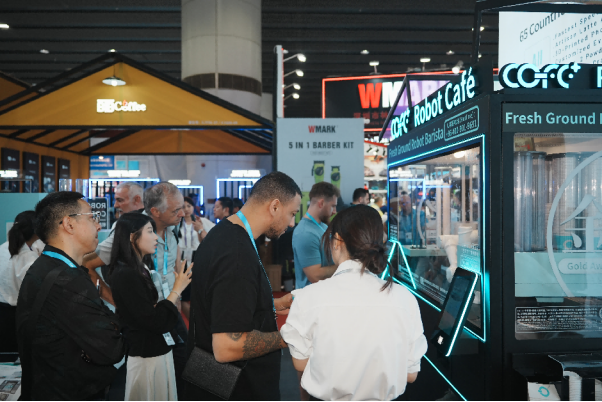
7th-Genertion Smart Robot Coffee Kiosk Arrives at the Belt and Road Core Hub, Ushering in a New Service Era Along t……
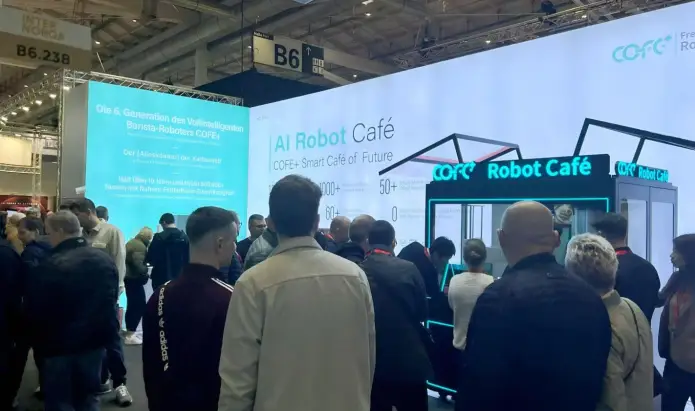
CHICAGO, May 12, 2026 (GLOBE NEWSWIRE) – Shanghai Hi-Dolphin Robot Technology today announced the U.S. debut of its 7th‑……