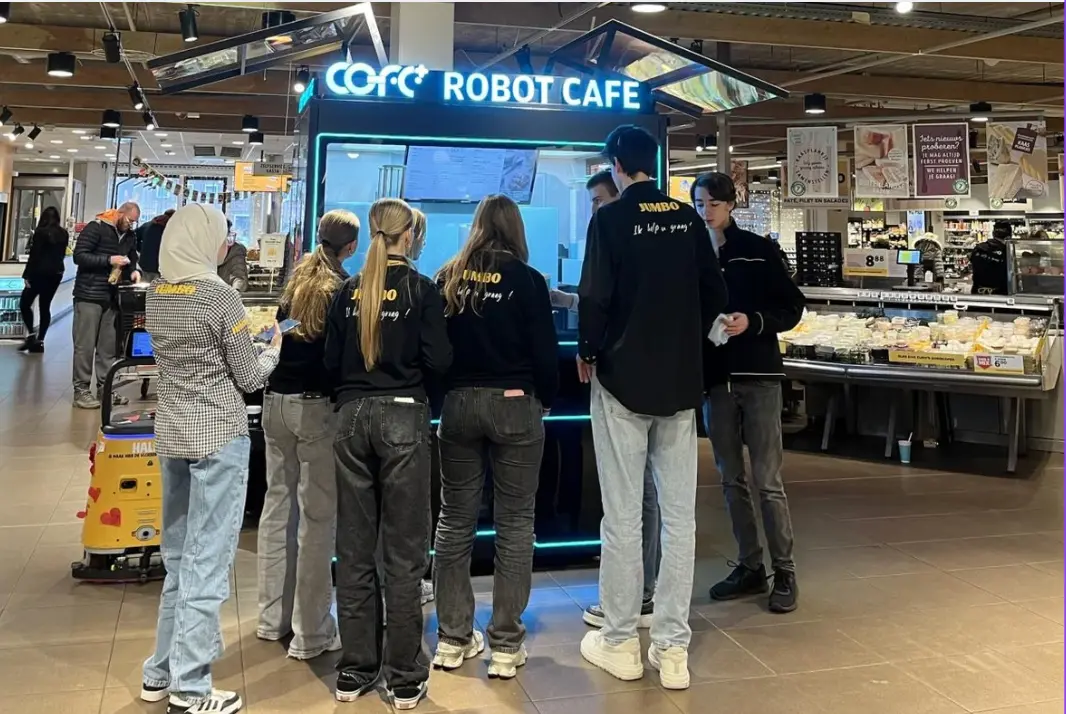
The Rise of Professional Robotic Café Technology: What COFE+ Is and Why It Matters
TL;DR — COFE+ is a fully automated robotic coffee kiosk that grinds fresh beans, brews espresso and lattes, creates latt……

Out of stock risk in unmanned coffee operations behaves differently from a staffed café. A barista sees milk running low; an unattended kiosk has no such instinct. In our work with 24/7 robotic coffee deployments, I have learned that lost revenue usually follows a pattern the dashboard could have flagged hours earlier. The operator’s job is to read the right signals, set thresholds that match each site’s demand curve, and turn a low inventory event into a routine restock before the machine blocks a menu item. This article lays out that process.
Most unmanned coffee operations do not fail because the operator ordered too little inventory. They fail because a refill signal arrived too late or never arrived at all. A staffed café has a barista who notices the milk is low three hours before the morning rush. A 24/7 robotic kiosk has no observer on site. The machine can keep vending dozens of drinks, then reject an order only when a hopper, milk line, or cup stack crosses a physical minimum. By that point, the revenue loss has already happened.
A kiosk offering 300+ drink combinations is not stocking four bags of beans and two milk cartons. It manages multiple bean types, dairy and plant milk lines, syrups, toppings, cups, lids, and cleaning consumables. The wider the menu, the more independent failure points exist. A single missing syrup can block a subset of drinks even when beans and milk are full. I have watched that exact pattern in high traffic sites: monthly sales look strong, then a Friday evening drops because one pump reached its limit and the dispatch team did not see the alert until the next morning. The outage is short, but the revenue does not come back. In a 24/7 operation, a stockout is a visibility gap.
The second difference is demand shape. Unmanned kiosks often sit in places with sharp peaks: before train departures, between university classes, after late shifts. Consumption can double or triple within two hours. If refill decisions are based on a daily average, the site will be understocked during the peak and overstocked at midnight. Operators need thresholds that follow the curve, not the calendar.
Before setting thresholds, operators should separate two data layers: back office purchase records and machine level consumption telemetry. Purchase records show what was ordered; they do not show what remains inside the kiosk. The second layer is the one that matters.
I look at three leading indicators. Ingredient metering covers coffee beans by weight, milk by volume, and syrup by pump count, all of which decline in a predictable relation to sales. Consumable stack counts cover cups, lids, and stirrers, which can fail independently of drink ingredients. Utility telemetry covers water flow and cleaning status, which block sales just as completely as an empty hopper.
Different inventory types deserve different trigger logic.
| Inventory type | Leading signal before a stockout | Operator action |
|---|---|---|
| Coffee beans | Hopper weight trend below a set mass | Top up and recalibrate grind |
| Fresh milk | Cups remaining count under a site specific floor | Dispatch replacement before peak |
| Syrup and toppings | Pump count approaching the bag limit | Swap bag during low traffic window |
| Cups and lids | Stack sensor count under a physical minimum | Restock cups, confirm lid pairing |
| Water and cleaning | Flow rate drop or cycle counter threshold | Inspect inlet, refill solution |
| Menu data | Items blocked for three consecutive hours | Investigate root cause, not just symptom |
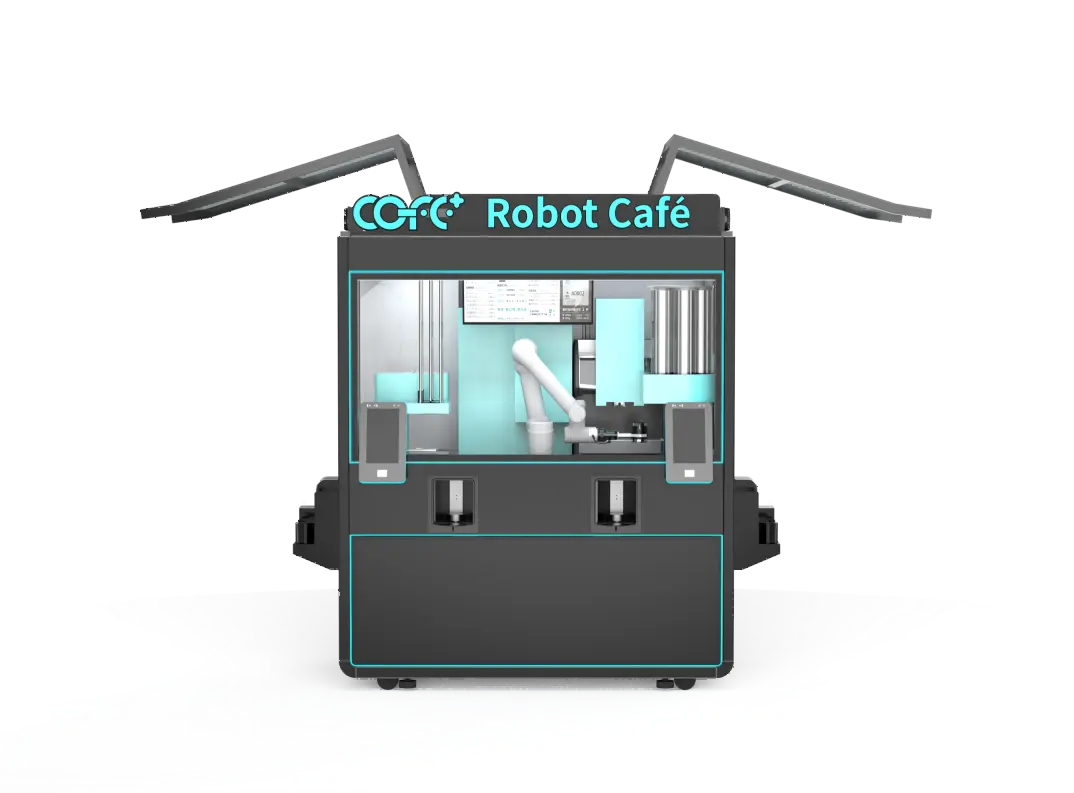
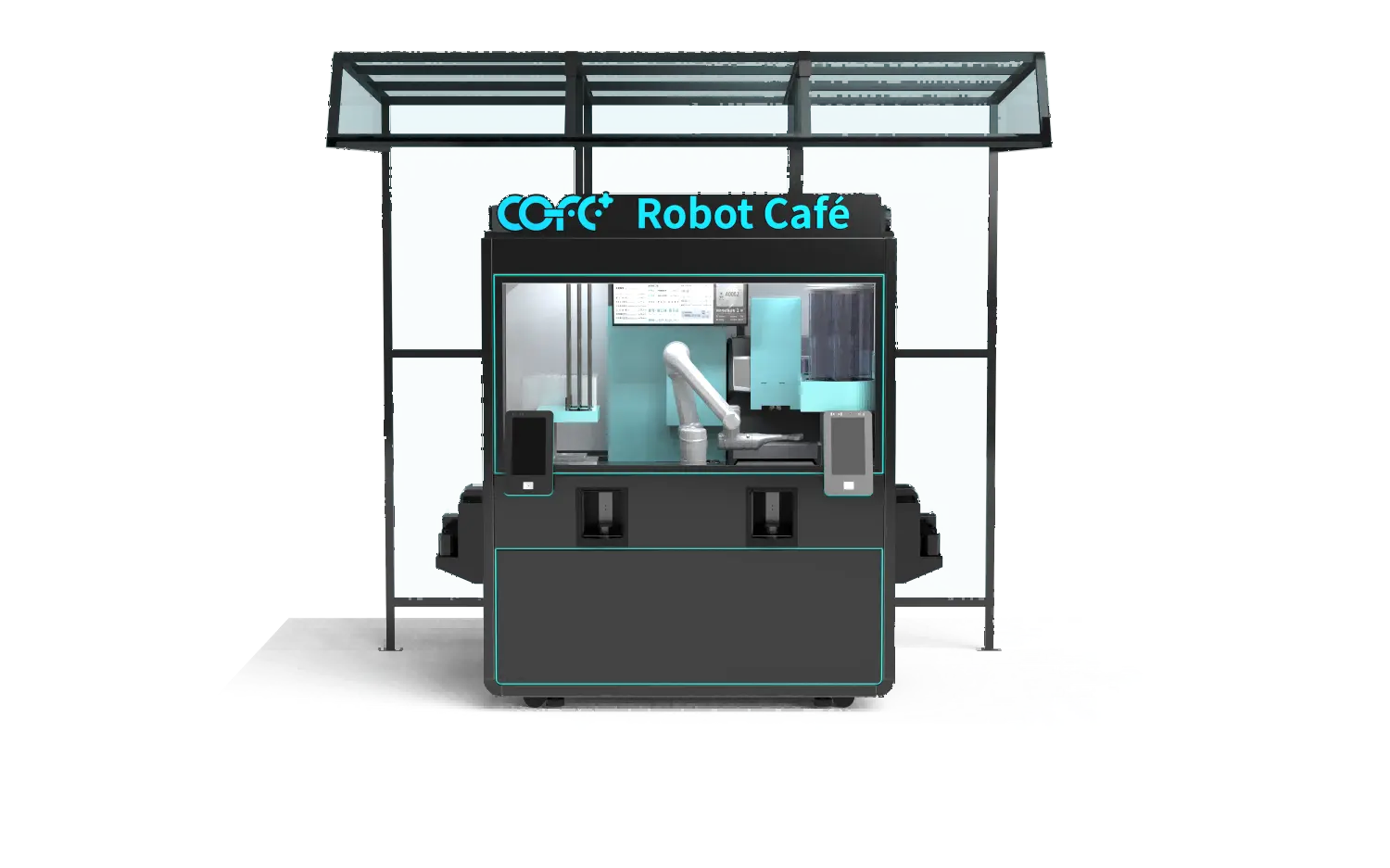
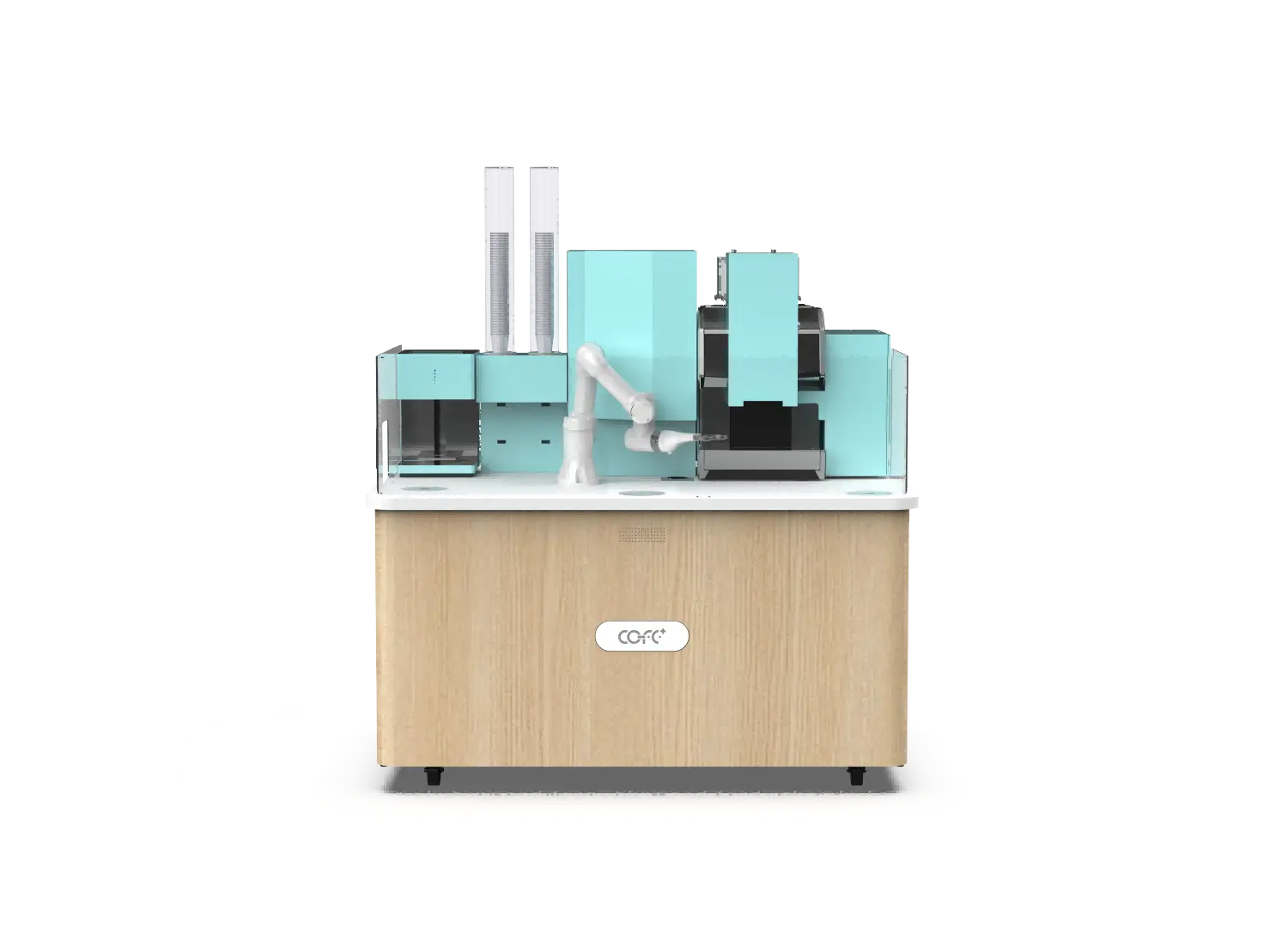
A live dashboard shifts the response from reactive to near real time. The COFE+ 7th generation kiosk reports stock, temperature, and system status to a smart store brain console, so an operator can check remaining milk or bean mass without visiting the site. That visibility matters because refill decisions in a 24/7 operation are not made once a day; they are made when a site crosses a threshold.
Remote diagnostics add a second line of defense. If a hopper sensor or pump begins to drift, the system can flag the fault and trigger an auto repair dispatch before the symptom becomes a stockout. I have learned to treat a diagnostic alert as an inventory alert. A machine that cannot meter ingredients correctly will often block a menu item even when physical stock is present.
If your program runs high volume sites, remote sites, or locations with limited staff access, it is worth confirming that the monitoring feed covers stock, temperature, and diagnostic data in one console before finalizing your rollout. Email sales@hi-dolphin.com with your location mix and I can map which alerts matter first.
Thresholds fail when they are copied across sites without accounting for demand shape. A kiosk outside a train station has a sharp morning and evening peak; a campus site may spread demand over 14 hours. The same 10 percent buffer can mean three hours of cover at one location and 30 minutes at another.
I prefer to set two numbers for each ingredient: a warning level tied to time to empty, not volume remaining, and a critical level tied to the physical minimum. For example, if a site sells 80 milk based drinks during the morning peak, the warning threshold should leave enough cover for the two hours before the next scheduled refill. The critical threshold should protect against a single missed dispatch. This forces the operations team to plan around response time, which is the real driver of stockout risk.
To set the warning level, divide average peak hour consumption by refill response time and add a site specific safety margin. Once the warning level is reached, the dashboard should generate a refill ticket. Once the critical level is reached, the menu item should be blocked only if the remaining ingredient cannot be guaranteed for the next cup.
Stockouts feel like an inventory problem, but they are usually a sequencing problem. You can hold more stock and still lose sales if nobody knows which item is about to run low at which site. The fix is not to overfill every hopper; it is to connect machine level telemetry to a refill schedule that matches each location’s demand curve.
That is exactly the kind of integration we work through with operators rolling out the COFE+ 7th generation kiosk. Send your site count, location type, and current restocking response time to sales@hi-dolphin.com or call +86 131 6630 1290, and we can confirm which monitoring feeds and alert rules fit your operation before you buy.
For unmanned coffee kiosks, it is mostly a data problem with demand consequences. A staffed café can react to a rush because someone is watching the counter. An unmanned kiosk can serve the rush only if the operator has already set alerts for the right ingredients. We have seen sites lose more revenue from a missed syrup warning than from a genuine shortage. The practical step is to treat every blocked menu item as a telemetry failure first, then a supply issue second.
Most operators assume a 24/7 site needs a full time attendant, but that overstates the requirement. A properly instrumented kiosk only needs someone on site when a refill or cleaning cycle is due. The operator can stage visits around threshold alerts instead of standing by. The real constraint is dispatch response time, not attendance. If a site is remote, service partners should be mapped before launch so a low milk warning becomes a scheduled stop, not an emergency call.
It depends on the location type and access window. A high volume transit hub should carry enough bean, milk, and cup stock to cover the longest gap between possible service visits, plus a safety margin for a missed dispatch. A low volume office site can run leaner because the cost of holding extra perishable inventory is higher relative to sales. I avoid fixed day counts; I calculate hours of cover under peak demand. That method keeps service visits efficient without inflating stock levels.
In multi-site programs we have run, the answer is yes, and it is often where the largest operational saving appears. One console can show stock levels, temperature, cleaning status, and active faults across every location. The value is not just seeing all sites at once; it is being able to compare sites and spot one that deviates from its own pattern. Share your site mix with sales@hi-dolphin.com and we can confirm which alert rules should be standardized and which should stay local.
TL;DR — COFE+ is a fully automated robotic coffee kiosk that grinds fresh beans, brews espresso and lattes, creates latt……
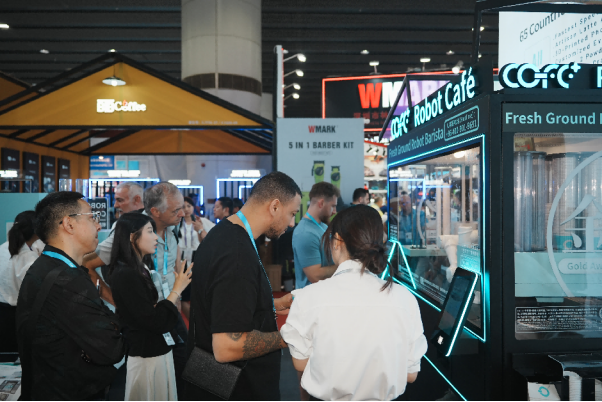
7th-Genertion Smart Robot Coffee Kiosk Arrives at the Belt and Road Core Hub, Ushering in a New Service Era Along t……
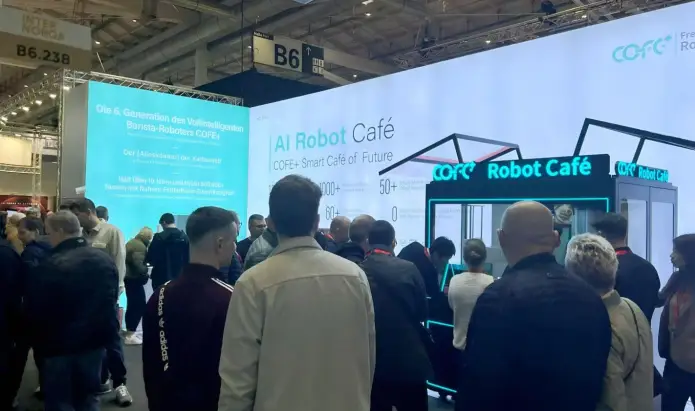
CHICAGO, May 12, 2026 (GLOBE NEWSWIRE) – Shanghai Hi-Dolphin Robot Technology today announced the U.S. debut of its 7th‑……