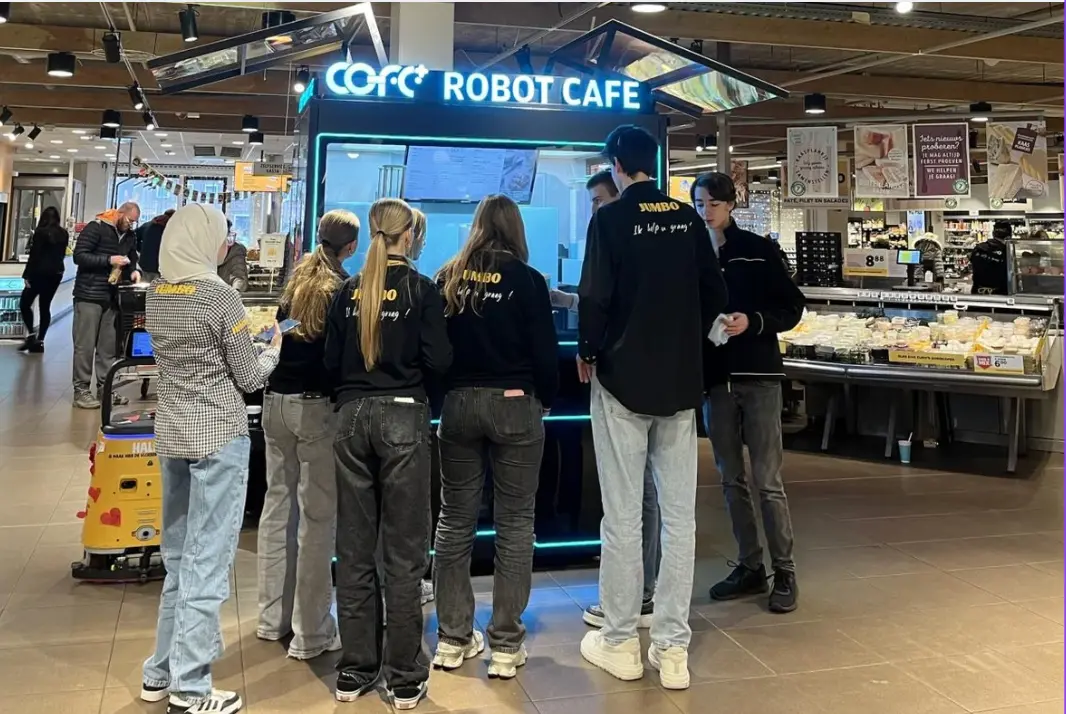
The Rise of Professional Robotic Café Technology: What COFE+ Is and Why It Matters
TL;DR — COFE+ is a fully automated robotic coffee kiosk that grinds fresh beans, brews espresso and lattes, creates latt……

Robotic coffee customization changes how beverage service works. These systems let customers adjust bean origin, roast level, milk type, and syrup quantity through a touchscreen, then deliver the result with measured precision. The approach makes diverse flavor profiles available on demand without requiring a trained barista behind every cup.
Robotic systems manage ingredient dispensing through automated arms and precision mechanisms. A customer selects a base drink on the interface, then adjusts brewing parameters, milk alternatives, and flavorings. The machine measures and combines these components according to the specified recipe.
This control over ingredient mixing allows for hundreds of unique flavor combinations from a single unit. The COFE+ 7th Generation Smart Coffee Robot Kiosk delivers over 300 standardized drinks with consistent taste profiles across thousands of cups. Grinding, milk frothing temperatures, and syrup ratios stay identical whether it is the first cup of the day or the five-hundredth.
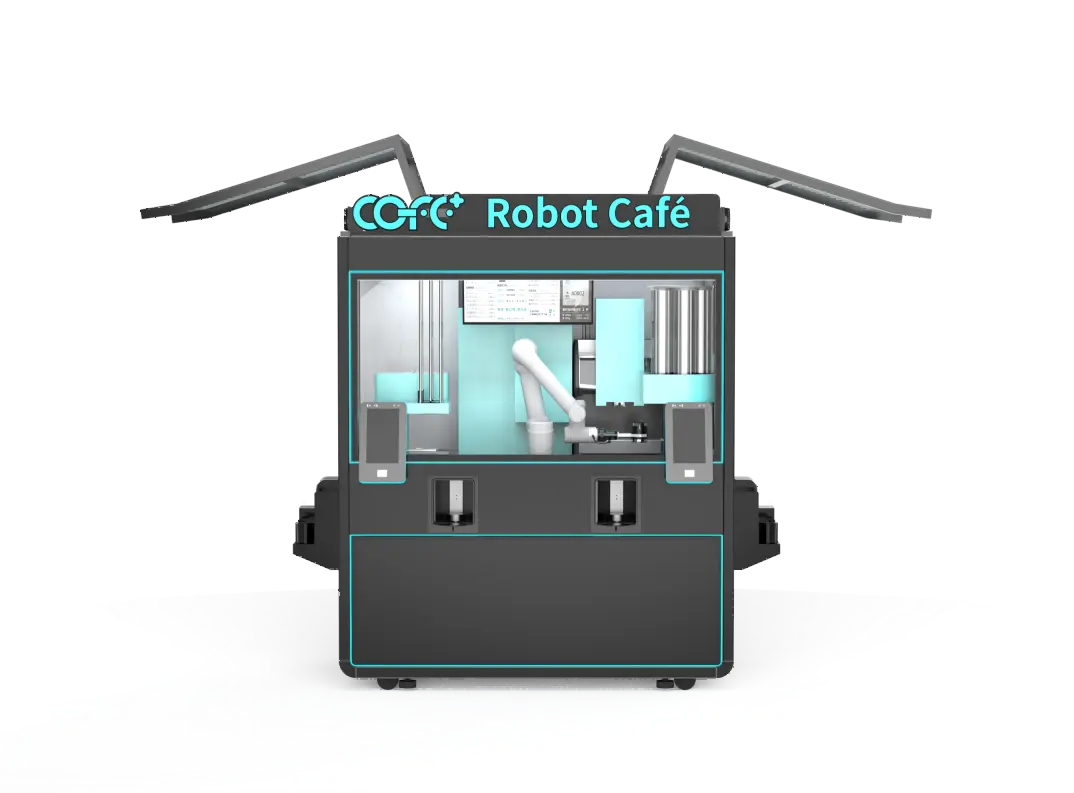
The consistency comes from sensors and algorithms that handle exact ingredient measurement and temperature control. Human baristas struggle to maintain this level of uniformity over extended shifts, particularly during rush periods when speed pressure increases.
AI and IoT integration drives the extensive customization capabilities. Sensors monitor ingredient levels, machine performance, and ambient conditions, transmitting data to a central cloud platform. Algorithms analyze this information to identify popular customizations and suggest new flavor profiles based on actual ordering patterns.
This data-driven approach means the system adapts to evolving tastes at each location. A machine in a university building might surface different default options than one in a corporate lobby, reflecting the preferences of each user base.
The technology also handles complex dietary restrictions. Alternative milk options, sugar-free syrups, and allergen-aware ingredient management are configurable through the interface. Customers can view potential allergens before confirming an order, which makes personalized options accessible to people who would otherwise avoid automated beverage systems entirely.
Implementing robotic coffee customization reduces labor costs and extends service hours without staffing constraints. The COFE+ series operates around the clock without requiring personnel, which lowers overhead significantly.
| Feature | COFE+ 7th Gen Smart Coffee Robot Kiosk (Indoor) | COFE+ 7th Gen Robot Coffee Counter |
|---|---|---|
| Footprint | 2.35 m² | ~2 m² |
| Drinks Offered | 300+ (5,000+ custom combinations) | 300+ (5,000+ custom combinations) |
| Speed | 43–60 seconds per cup | Barista-style speed |
| Latte Art | 3D photo/logo printing, robotic arm art | 3D foam printing, robotic hand-crafted art |
| Operation | 24/7 unattended | 24/7 fully unattended |
| ROI | ~6–12 months | Typically 6–12 months |
A client deployment in a high-traffic office lobby replaced a traditional coffee bar with a COFE+ 7th Generation Smart Coffee Robot Kiosk. Within six months, the client reported a 40% reduction in beverage service costs and a 25% increase in daily coffee sales. The gains came from 24/7 availability and expanded customization options that the previous setup could not offer.
If your deployment involves high-traffic locations with variable demand patterns, it is worth discussing footprint requirements and expected throughput before committing to a specific model configuration.
Modern robotic coffee machines use remote monitoring and modular system design to minimize service interventions. Predictive maintenance identifies component wear before failures occur, and modular construction allows quick replacement when parts do need attention.
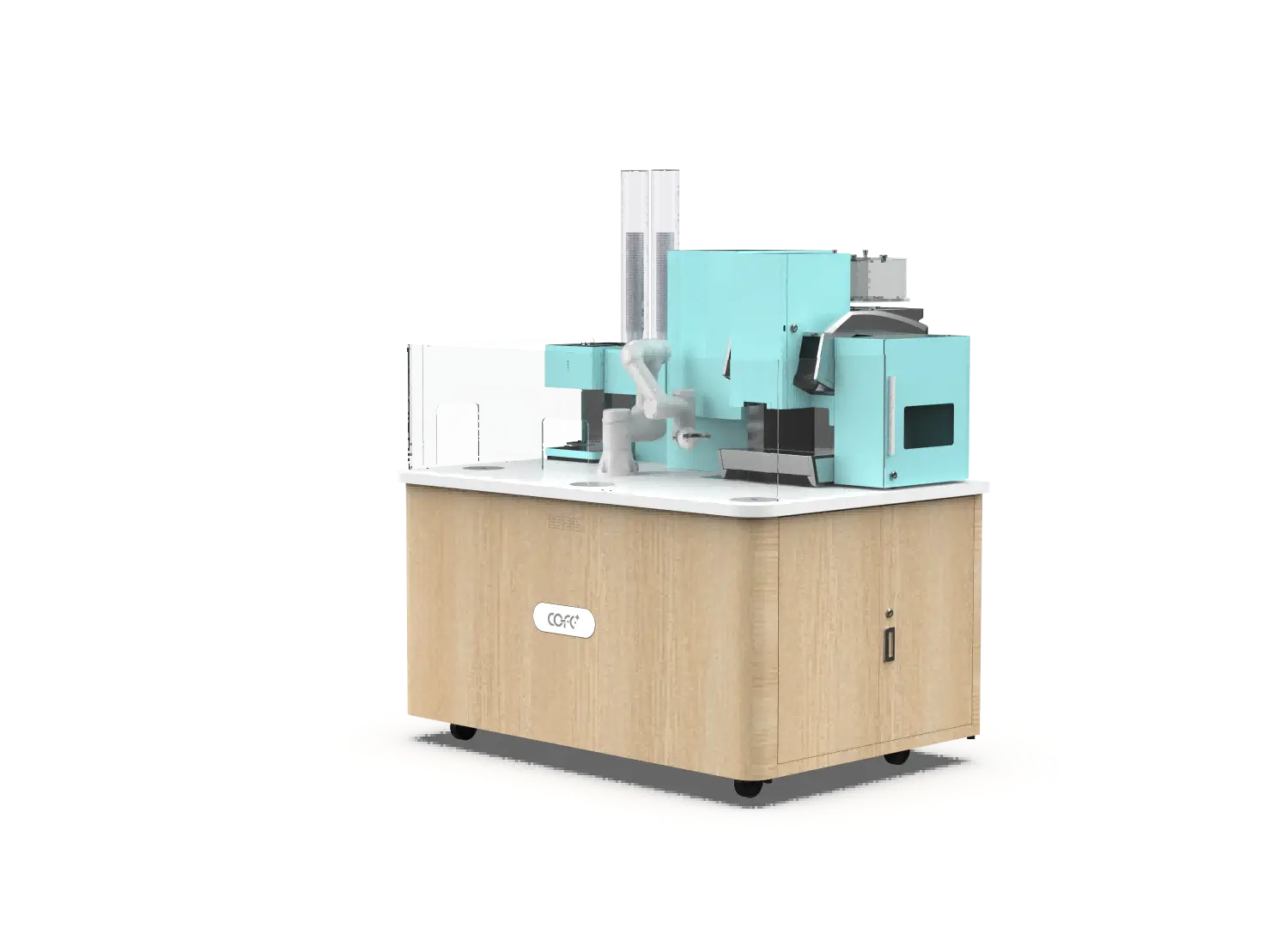
This approach keeps uptime high without requiring frequent on-site technician visits. For operators managing multiple locations, centralized monitoring reduces the coordination burden that comes with traditional equipment maintenance schedules.
Automated beverage systems require strict adherence to international food safety standards. Automated cleaning cycles, anti-microbial materials, and fully enclosed waste systems prevent contamination and maintain hygienic conditions between uses.
The certification requirements vary by market. Systems operating across multiple regions need to meet FDA, CE, UKCA, KC, and SASO standards depending on deployment location. This compliance framework matters particularly for operators expanding into new territories, where local regulatory requirements may differ from home market standards.
The trajectory points toward greater personalization and predictive service. As AI capabilities advance, systems will anticipate preferences and offer tailored recommendations before an order is placed, drawing on individual purchase history and broader consumption patterns.
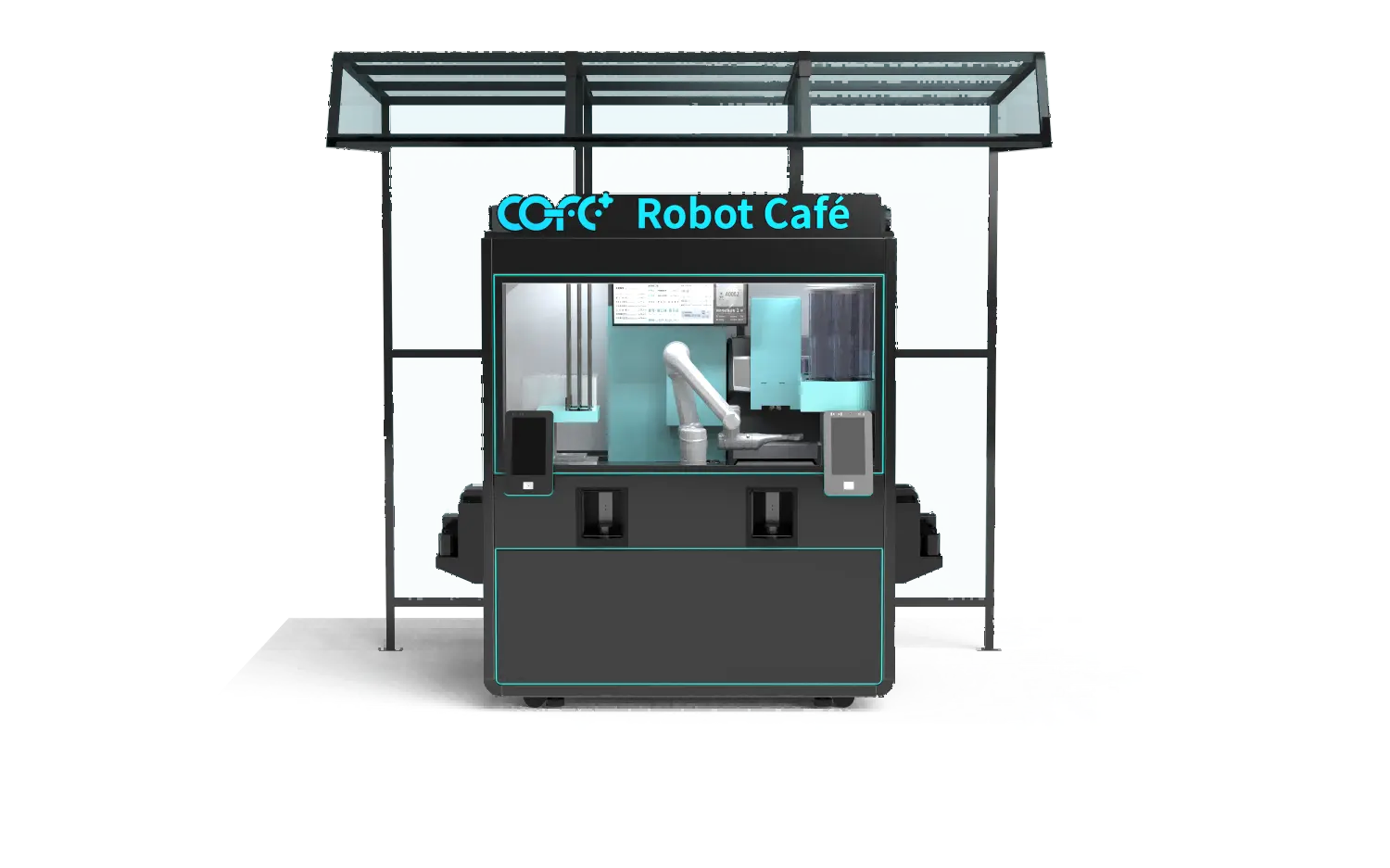
Integration into broader smart retail ecosystems is already underway. Robotic coffee customization fits within larger unattended retail strategies where multiple automated services share data infrastructure and customer interfaces.
How accurate is a robot at making custom coffee?
Robotic systems use sensors and algorithms for exact ingredient measurement and temperature control. The COFE+ 7th Generation maintains identical taste profiles across thousands of cups for over 300 drink configurations. This consistency level is difficult for human baristas to sustain over extended periods, particularly during high-volume service windows.
Can robotic coffee machines handle complex dietary restrictions?
Advanced systems manage dietary needs through alternative milk options, sugar-free syrups, and allergen-aware ingredient management. Customers configure these through the interface and can review potential allergens before confirming an order. The capability makes personalized options accessible to customers who would otherwise avoid automated beverage service.
What kind of maintenance do these advanced coffee robots require?
Modern machines use remote monitoring and modular design for minimal and predictive maintenance. Components are designed for quick replacement, and service scheduling happens based on actual wear data rather than fixed intervals. This approach maintains high uptime without frequent on-site interventions. To discuss specific maintenance requirements for your deployment scenario, contact us at sales@hi-dolphin.com or call +86 131 6630 1290.
TL;DR — COFE+ is a fully automated robotic coffee kiosk that grinds fresh beans, brews espresso and lattes, creates latt……
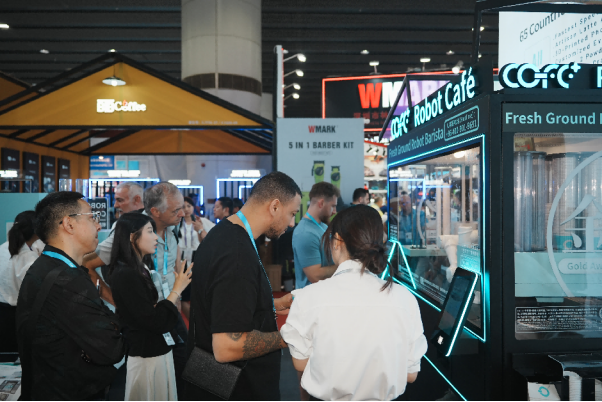
7th-Genertion Smart Robot Coffee Kiosk Arrives at the Belt and Road Core Hub, Ushering in a New Service Era Along t……
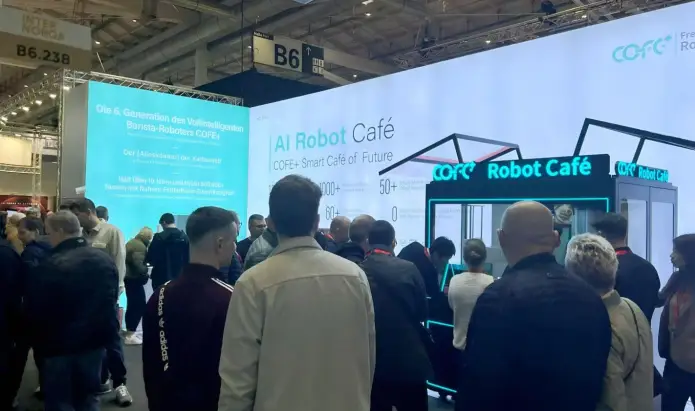
CHICAGO, May 12, 2026 (GLOBE NEWSWIRE) – Shanghai Hi-Dolphin Robot Technology today announced the U.S. debut of its 7th‑……