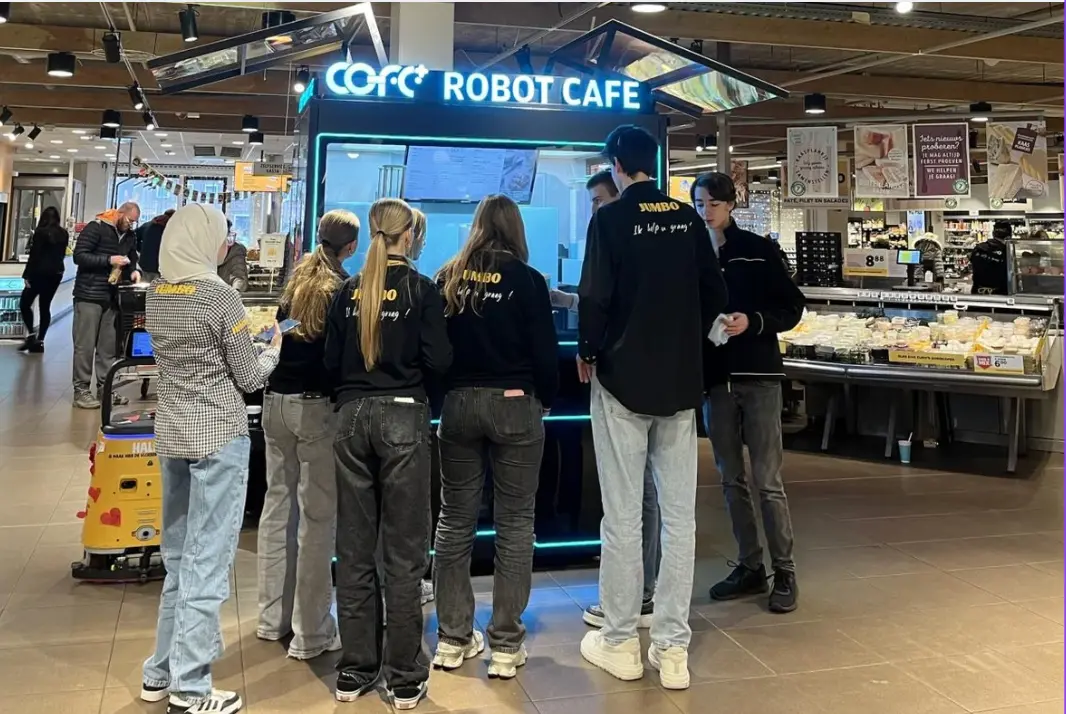
The Rise of Professional Robotic Café Technology: What COFE+ Is and Why It Matters
TL;DR — COFE+ is a fully automated robotic coffee kiosk that grinds fresh beans, brews espresso and lattes, creates latt……

Understanding how many cups a robot coffee kiosk can actually serve in a day matters more than most equipment specs when you’re building a business case. The number determines staffing decisions, location viability, and payback timelines. I’ve worked through enough deployment scenarios to know that theoretical throughput and real-world output rarely match—and the gap usually comes down to factors that don’t appear on a spec sheet.
This piece breaks down what drives daily serving capacity, where the bottlenecks actually occur, and how to think about throughput when evaluating automated coffee systems for commercial deployment.
The headline number for most high-performance robot coffee kiosks sits around 1,000 cups per day under continuous operation. That figure assumes 24/7 availability, consistent ingredient supply, and a menu mix that doesn’t skew heavily toward complex drinks.
The math is straightforward. A system preparing each cup in 43 to 60 seconds can theoretically produce 60 to 84 cups per hour. Multiply by 24 hours and you get 1,440 to 2,016 cups as an upper bound. Real deployments land lower because of cleaning cycles, ingredient replenishment, and demand patterns that don’t distribute evenly across the day.
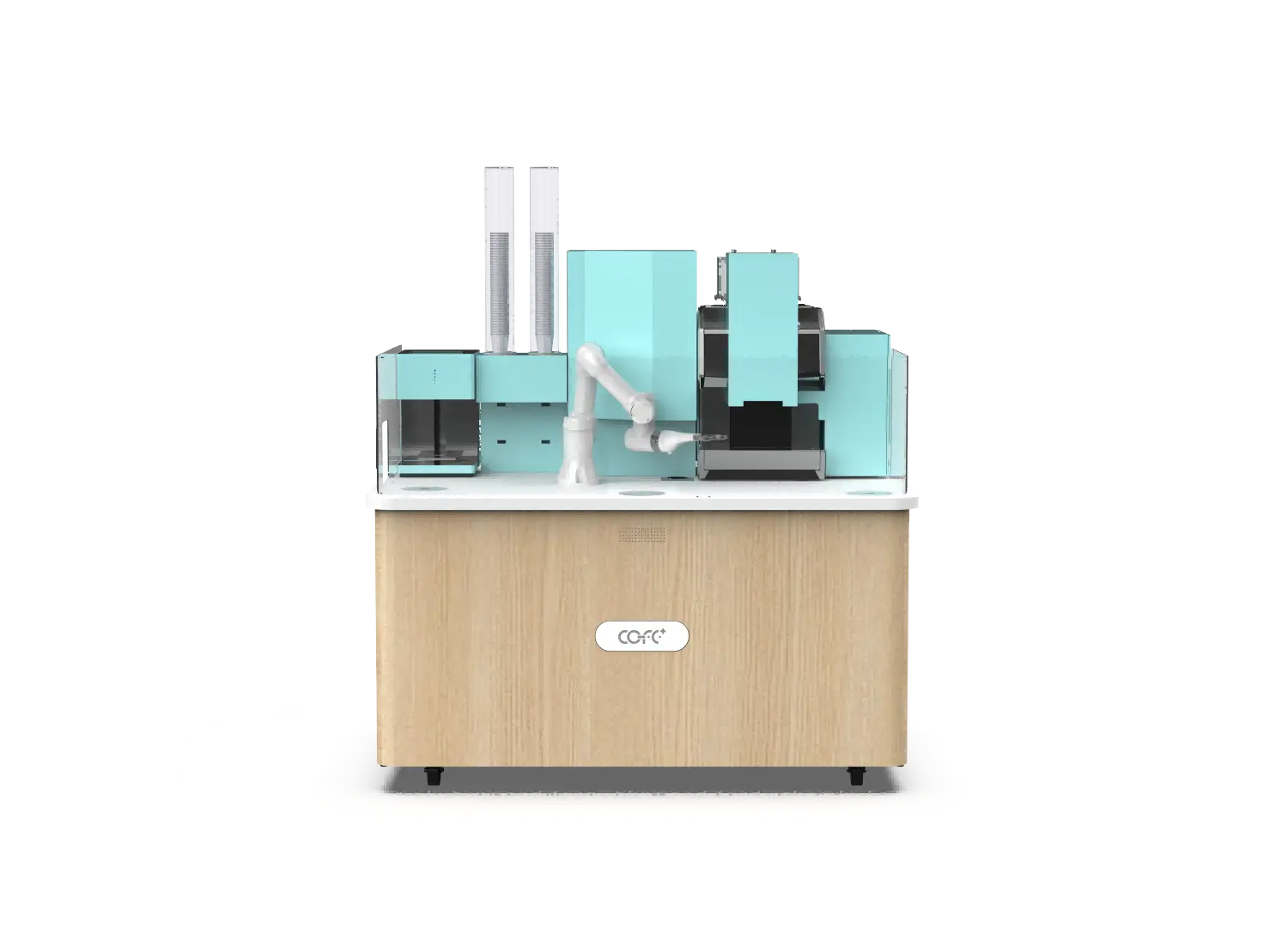
The COFE+ 7th Generation Smart Coffee Robot Kiosk operates in that 43 to 60 second range per cup. In practice, I’ve seen units sustain 800 to 1,000 cups daily in high-traffic locations with proper supply chain support. That output level compares favorably to what three to four human baristas could produce across rotating shifts, without the scheduling complexity or labor cost variability.
| Kiosk Model | Preparation Time | Daily Capacity (Approx.) | Footprint |
|---|---|---|---|
| COFE+ 7th Gen Indoor Kiosk | 43–60 seconds/cup | 1,000 cups | 2.35 m² |
| COFE+ 7th Gen Outdoor Kiosk | 43–60 seconds/cup | 1,000 cups | Compact |
| COFE+ 7th Gen Robot Coffee Bar | Varies by drink | High volume | ~2 m² (folded) |
| COFE+ 7th Gen Robot Coffee Counter | Varies by drink | High volume | ~2 m² |
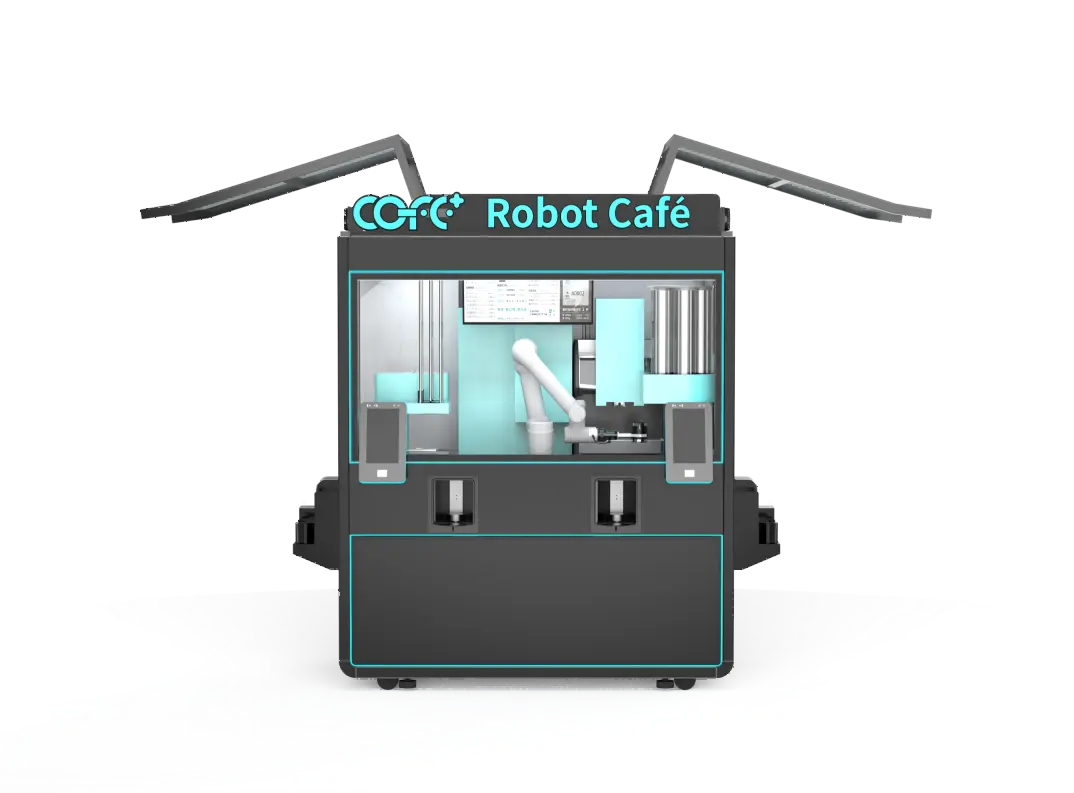
Raw processing speed tells you the ceiling. Actual output depends on how well you manage everything that can interrupt the cycle.
Ingredient depletion is the most common throughput killer. A kiosk that runs out of milk at 2 PM loses the entire afternoon rush. AI and IoT integration addresses this by tracking consumption rates in real time and triggering replenishment alerts before stock runs critical. The systems I’ve evaluated with predictive inventory management maintain 15 to 20 percent higher daily output than those relying on manual checks.
Maintenance downtime is the second constraint. Predictive maintenance, where sensors flag component wear before failure occurs, has reduced unexpected service interruptions by over 30 percent in some deployments I’ve reviewed. The difference between a kiosk that goes down for four hours during peak service and one that schedules maintenance during overnight lulls shows up directly in monthly revenue.
Menu complexity also matters. A kiosk serving primarily espresso and americano will outpace one where 60 percent of orders are layered specialty drinks. Understanding your expected menu mix before deployment helps set realistic output expectations.
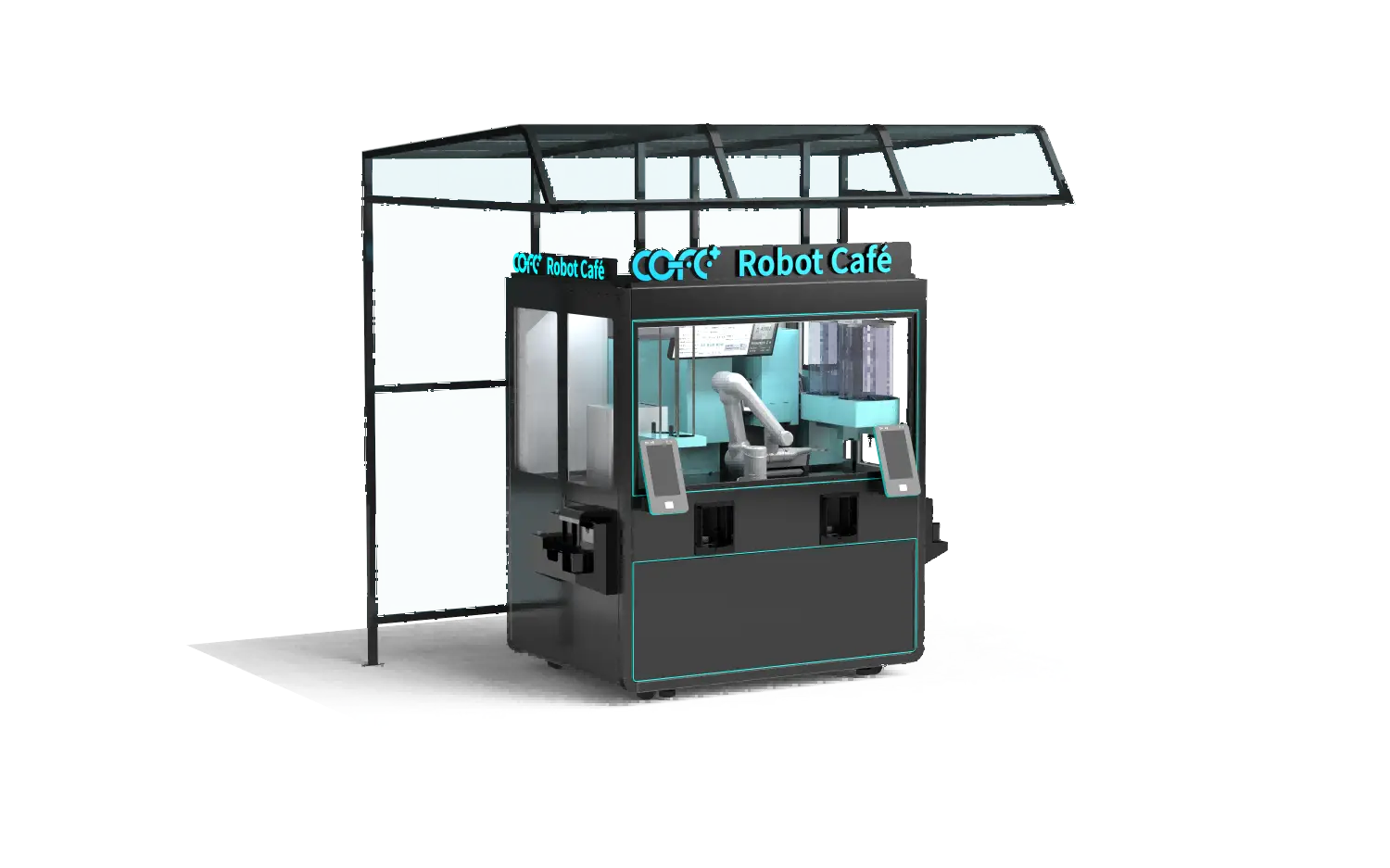
A robot coffee kiosk’s daily capacity isn’t just about total cups produced. It’s about whether the system can handle demand when demand actually peaks.
Most locations see 60 to 70 percent of daily volume concentrated in two to three hour windows: morning commute, lunch break, and sometimes an afternoon pickup. A system that averages 40 cups per hour across 24 hours performs very differently from one that can surge to 70 cups per hour when the line forms.
Faster preparation times per cup reduce queue length, which reduces walkaway rates. I’ve seen locations where a 15-second improvement in average cycle time translated to 8 to 12 percent higher daily sales, simply because fewer customers abandoned the queue when they saw it moving.
The COFE+ systems maintain consistent cycle times regardless of order volume, which matters more than peak theoretical speed. Some competing systems slow down under sustained demand due to thermal management or mechanical limitations that don’t appear in single-cup testing.
The financial case for robot coffee kiosks rests on cost per cup and labor elimination. Both metrics favor automation in most deployment scenarios.
Operating cost per cup for the COFE+ 7th Generation runs approximately $0.30 to $0.70, depending on ingredient sourcing and local utility rates. That figure includes beans, milk, cups, power, and allocated maintenance costs. A traditional staffed cafe typically runs $1.50 to $2.50 per cup when you factor in labor, training, benefits, and turnover costs.
The labor savings compound over time. No shift scheduling, no sick days, no training new hires every few months. A single robot kiosk operating 24/7 replaces the equivalent of 4 to 5 full-time employee positions when you account for coverage across all hours.
ROI timelines for well-placed units typically fall in the 6 to 12 month range. I’ve seen faster payback in locations with high rent costs per square foot, where the compact 2.35 m² footprint of an indoor kiosk delivers revenue density that a traditional cafe layout cannot match.
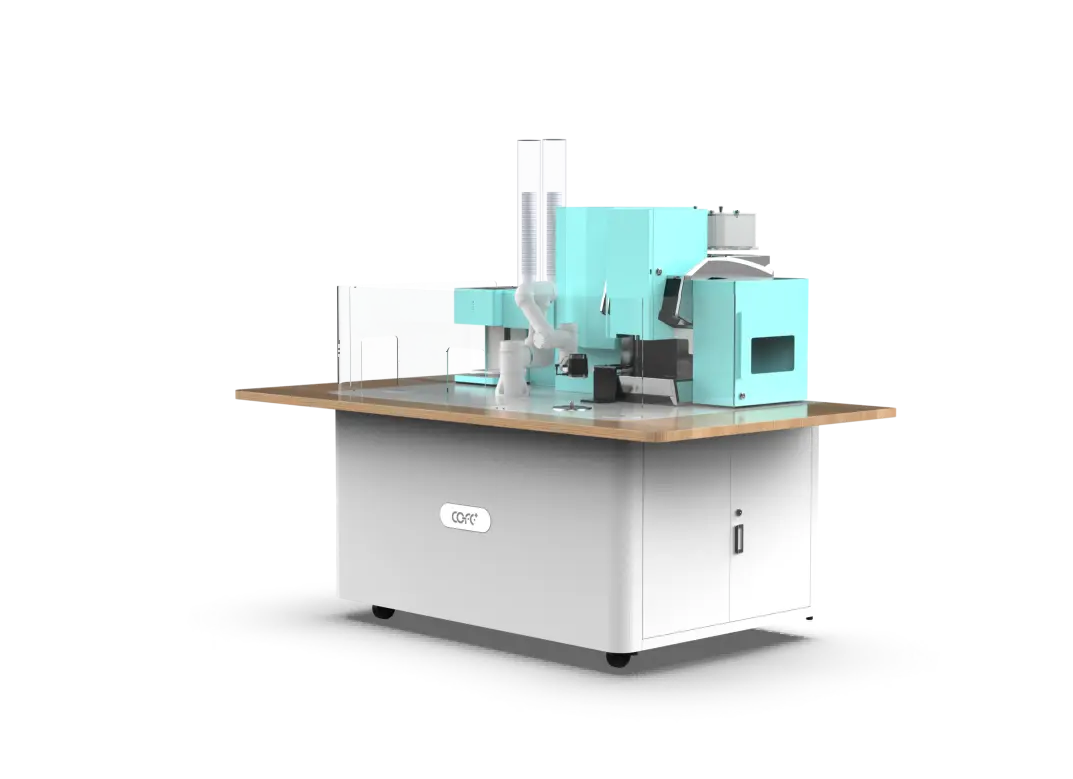
Location determines whether a robot coffee kiosk serves 300 cups or 1,000 cups per day. The equipment capability is the same; the demand environment is not.
High foot traffic is necessary but not sufficient. You need foot traffic that includes coffee buyers, at times when they want coffee, in a location where they can pause long enough to complete a transaction. A busy subway corridor with commuters rushing to catch trains performs differently than a university library lobby where students have time to wait.
Visibility matters more than you might expect. A kiosk tucked around a corner or behind a pillar will underperform one positioned where approaching traffic can see it from 20 meters away. The decision to buy coffee is often impulsive, and impulse purchases require visual cues.
Infrastructure requirements include reliable power (the systems support both 110V and 220V), internet connectivity for remote monitoring and payment processing, and access for ingredient restocking. Water supply is needed for some configurations. Evaluating these requirements during site selection prevents costly retrofits after installation.
Operating a single robot coffee kiosk is straightforward. Operating twenty across a metropolitan area requires centralized visibility and control.
IoT connectivity enables remote monitoring of every operational parameter: ingredient levels, equipment status, transaction volumes, and error logs. A central dashboard shows which units need attention before they go offline. This approach lets a small operations team manage a large kiosk network without proportional headcount growth.
The COFE+ platform supports this model with cloud-based management tools that aggregate data across all deployed units. Operators can push menu updates, adjust pricing, and review performance metrics without visiting each location. When something does require on-site attention, the system identifies the specific issue before the technician arrives, reducing service call duration.
Scalability also depends on standardization. Modular kiosk designs that use common components simplify spare parts inventory and technician training. A business expanding from 5 units to 50 units benefits from operational consistency that would be difficult to maintain with a mix of different equipment models.
Unattended food service equipment faces regulatory scrutiny in most developed markets. The standards cover food contact materials, cleaning protocols, electrical safety, and accessibility requirements.
The COFE+ 7th Generation holds over 50 certifications across more than 18 countries. These certifications cover food safety (contact materials, temperature control, contamination prevention), electrical compliance (CE, UL, and regional equivalents), and operational safety (emergency stop mechanisms, pinch point protection).
Enclosed brewing chambers and automated cleaning cycles address contamination risks that regulators prioritize. Anti-microbial materials in high-touch areas reduce pathogen transmission. Temperature monitoring ensures milk and other perishables stay within safe ranges.
For businesses deploying in multiple jurisdictions, working with a manufacturer that has already navigated the certification process in your target markets saves months of compliance work. Attempting to certify equipment yourself is expensive and slow.
The current generation of robot coffee kiosks represents a mature technology platform, but development continues in several directions.
AI personalization is moving beyond simple order history toward predictive recommendations. Systems that recognize returning customers (through app integration or payment method) can suggest drinks based on time of day, weather, and past preferences. This increases average transaction value and speeds ordering for regular customers.
Menu expansion is another active development area. Current systems handle espresso-based drinks and some tea preparations well. Next-generation equipment is adding capabilities for more complex beverages, including layered drinks, cold brew variations, and non-coffee options that broaden the addressable customer base.
Integration with smart building systems and urban infrastructure is emerging in some markets. Kiosks that communicate with building management systems can adjust operating schedules based on occupancy data or coordinate with other retail automation in the same space.
Shanghai Hi-Dolphin Robot Technology holds over 75 patents in this space and continues investing in R&D for next-generation systems. The trajectory points toward more capable, more connected, and more autonomous equipment over the next product cycles.
What is the average serving capacity of a robot coffee kiosk?
High-performance robot coffee kiosks like the COFE+ 7th Generation can serve approximately 1,000 cups per day under continuous operation. Actual capacity varies based on menu mix, ingredient management efficiency, and demand patterns at the specific location. Simpler drink menus and well-managed supply chains push output toward the upper end of the range.
How does service speed impact overall daily output?
Faster preparation times directly increase daily output, particularly during peak demand periods when queue length affects customer retention. A system producing cups in 43 to 60 seconds can serve 60 to 84 cups per hour under sustained demand. During off-peak hours, speed matters less than during the concentrated windows when most daily volume occurs.
How does maintenance affect a robot coffee kiosk’s daily output?
Maintenance affects output through both scheduled downtime and unexpected failures. Predictive maintenance systems that identify component wear before failure can reduce unplanned downtime by 30 percent or more. Scheduling routine cleaning and preventive maintenance during low-demand hours minimizes impact on daily serving capacity.
What role do ingredient management and supply chain play?
Ingredient availability is often the binding constraint on daily output. A kiosk cannot serve drinks it cannot make. Real-time inventory monitoring with automated reorder triggers prevents stock-outs that would otherwise halt service. Reliable supply chain logistics ensure replenishment arrives before inventory runs critical.
Are robot coffee kiosks profitable compared to traditional cafes?
Robot coffee kiosks typically achieve higher profit margins than traditional cafes due to lower operating costs per cup and elimination of labor expenses. The initial equipment investment is usually recovered within 6 to 12 months in well-selected locations. Ongoing operating costs run 50 to 70 percent lower than staffed alternatives serving comparable volumes.
How do automated systems ensure food safety and consistency?
Automated systems maintain food safety through enclosed brewing environments, automated cleaning cycles, temperature monitoring for perishable ingredients, and anti-microbial materials in contact surfaces. Consistency comes from digitized recipes executed by precise robotic mechanisms, eliminating the variability inherent in manual preparation.
What are the key site selection factors for a robot kiosk?
Primary factors include foot traffic volume, visibility from approaching traffic, demographic alignment with coffee consumption patterns, and timing of peak foot traffic relative to coffee demand windows. Infrastructure requirements (power, internet, restocking access) must also be evaluated before committing to a location.
How can businesses ensure seamless integration and scalability?
Integration requires advance planning for power, connectivity, and physical installation requirements at each site. Scalability depends on selecting standardized equipment that can be managed centrally through cloud-based platforms, enabling a small operations team to oversee a growing network without proportional headcount increases. If you’re evaluating deployment scenarios for your specific locations, reach out to discuss how the numbers work for your situation.
What innovations are shaping the next generation of robot baristas?
Current development focuses on AI-driven personalization that learns individual customer preferences, expanded beverage capabilities beyond traditional espresso drinks, and integration with smart building and urban infrastructure systems. Improvements in user interface design are also making the ordering experience more intuitive and engaging for first-time users.
To discuss specific deployment requirements or evaluate how robot coffee kiosk capacity aligns with your business case, contact Shanghai Hi-Dolphin Robot Technology at sales@hi-dolphin.com or +86 131 6630 1290.
TL;DR — COFE+ is a fully automated robotic coffee kiosk that grinds fresh beans, brews espresso and lattes, creates latt……
7th-Genertion Smart Robot Coffee Kiosk Arrives at the Belt and Road Core Hub, Ushering in a New Service Era Along t……
CHICAGO, May 12, 2026 (GLOBE NEWSWIRE) – Shanghai Hi-Dolphin Robot Technology today announced the U.S. debut of its 7th‑……