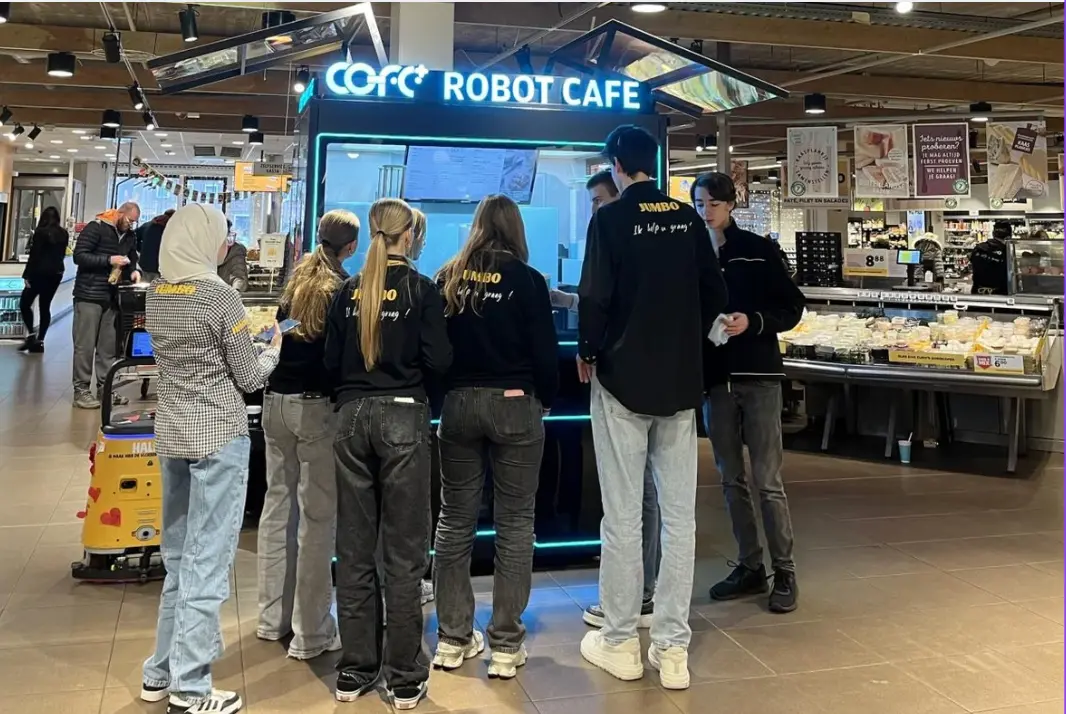
The Rise of Professional Robotic Café Technology: What COFE+ Is and Why It Matters
TL;DR — COFE+ is a fully automated robotic coffee kiosk that grinds fresh beans, brews espresso and lattes, creates latt……

Expanding a coffee brand into a new market usually means finding prime real estate, hiring skilled baristas, and navigating local regulations before the first cup is served. For many chains, that process can take six to twelve months per location. Robot coffee kiosks are changing that timeline. By combining fully automated espresso preparation with a small, self-contained footprint, these systems allow a brand to set up a revenue-generating coffee point in days rather than months. At Hi-Dolphin, we have deployed our COFE+ kiosks in over 65 countries, and the speed of market entry is consistently the first advantage that new partners mention.
The window for capturing market share in a new city or country rarely stays open for long. Competitors watch entry moves and respond, lease rates on prime sites fluctuate, and consumer curiosity has a short half-life. A six-month delay between signing a lease and serving the first drink means six months of paying rent with zero revenue. It also gives competitors time to adjust pricing or launch promotions that blunt the impact of a late arrival.
Robot coffee kiosks compress that timeline by removing the two longest tasks from a café launch: construction and staff recruitment. A fully equipped indoor kiosk occupies just 2.35 m², connects to a standard power and water supply, and is ready to dispense drinks the same day it is positioned. We have seen operators go from site approval to first sale in under a week. In uncertain demand environments, that speed lets a brand test a location with minimal capital at risk and exit just as quickly if the site underperforms. Traditional cafés do not offer that kind of trial-and-error flexibility.
Staffing is the single largest recurring obstacle to multi-location expansion. Even in markets with strong coffee culture, finding reliable baristas who can consistently reproduce a brand-standard drink is hard work. Turnover rates in food service regularly exceed 100% per year in many regions. Each new café that opens on a timeline anyway must also recruit, train, and retain a team before it can produce meaningful revenue.
A robot coffee kiosk replaces roughly six baristas per machine. The coffee is brewed by a sealed mechanical system that measures extraction parameters digitally, so cup quality stays identical whether the machine is in Jakarta, London, or a highway rest stop. There is no training cycle, no scheduling conflict, and no sick-day closure. That alone removes an entire category of operational friction from market entry. Instead of running parallel hiring processes in each target market, the brand only needs to arrange local ingredient supply and routine cleaning visits. The machine runs unattended for 24 hours, serving up to a thousand cups per day, with a cost per cup between 30 and 70 cents depending on local ingredient prices. For a multi-location brand, that math makes rolling out ten sites in a single quarter achievable instead of aspirational.
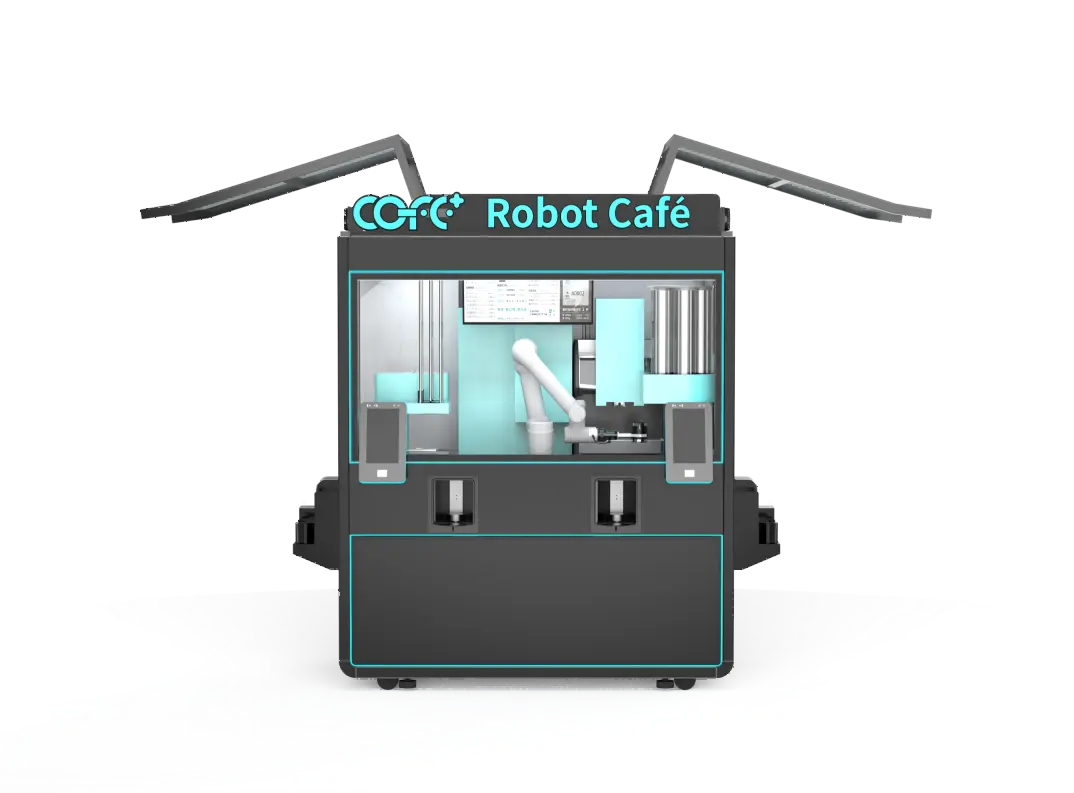
One frequent objection to robot-made coffee is that it cannot adapt to regional preferences. In practice, digital recipe management makes localization faster and more precise than retraining a human team. A robot coffee kiosk with a menu of 300-plus drinks and over 5,000 custom combinations can be adjusted remotely via cloud interface. If a brand wants to emphasize iced drinks in Southeast Asia, offer oat milk by default in Northern Europe, or launch a date-and-cardamom latte in the Middle East during Ramadan, the change is a configuration update, not a retraining exercise.
We have introduced local flavours in several markets by pre-loading syrup and topping options that match local palates and then monitoring which combinations perform best in the first four weeks. The data feeds back into menu adjustments without any barista needing to learn a new recipe. For international brands, this means a consistent core menu can coexist with locally tested seasonal specials from day one. The machine enforces consistency; the cloud enables adaptation.
Taking a robot coffee kiosk into a new country involves more than shipping hardware. Power standards vary between 110V and 220V systems, drainage requirements differ for indoor versus outdoor sites, and internet connectivity must be stable for cloud monitoring and cashless payment processing. Working with a supplier that has already navigated these variables across dozens of markets cuts the trial-and-error risk significantly.
Our kiosks carry FDA, CE, UKCA, KC, and SASO certifications, which means they have been evaluated for electrical safety, food-contact materials, and electromagnetic compatibility across North America, Europe, the Middle East, and parts of Asia. In many cases, an operator can reference existing certification packages to accelerate local authority approvals instead of starting from scratch. Beyond certifications, the machine’s self-contained waste system and automatic 85°C-plus sterilization cycle simplify health inspections, because the cleaning process is documented by the machine’s own logs rather than relying on a manual checklist. If a market requires additional documentation, having a supplier that understands the format and language of regulatory submissions can turn a potential multi-month delay into a manageable two-week task.
A kiosk’s spec sheet tells part of the story; a supplier’s after-sales network tells the rest. A machine that works flawlessly in Shanghai or Dubai still needs local maintenance support when deployed across multiple cities or continents. Before committing to a supplier, operators should confirm real-world durability records. A number like “10-year design life” backed by over 500,000 cup testing is more meaningful than a shorter warranty period with no test data behind it.
Parts availability is another factor that surfaces only after a unit has been in the field for six months. If a pump fails or a grinding burr wears, the cost is not the part price but the hours of lost revenue per day. As the number of sites grows, so does the value of a centrally managed inventory of consumables and critical spares. We ship spare parts to over 65 countries and support distributors with training so that most issues are resolved by a local technician within a day. That kind of network is not built overnight. Brands entering new markets faster need their equipment partner to have already built it.
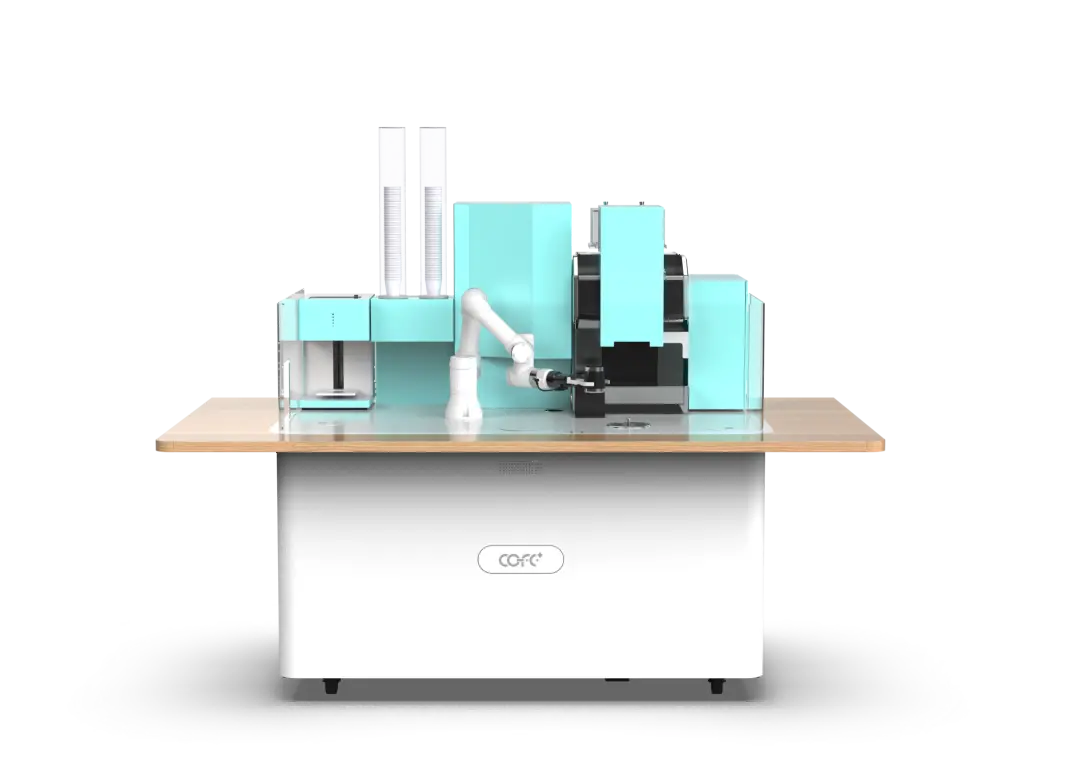
A kiosk can serve its first drink within days of arriving on site if utility connections are ready. The machine arrives pre-commissioned, so no assembly or calibration is required beyond connecting water, power, and internet. The real variable is local permitting, which varies by city and site type. In our experience, operators who engage local partners early can often complete the full process from site selection to first sale in two to four weeks.
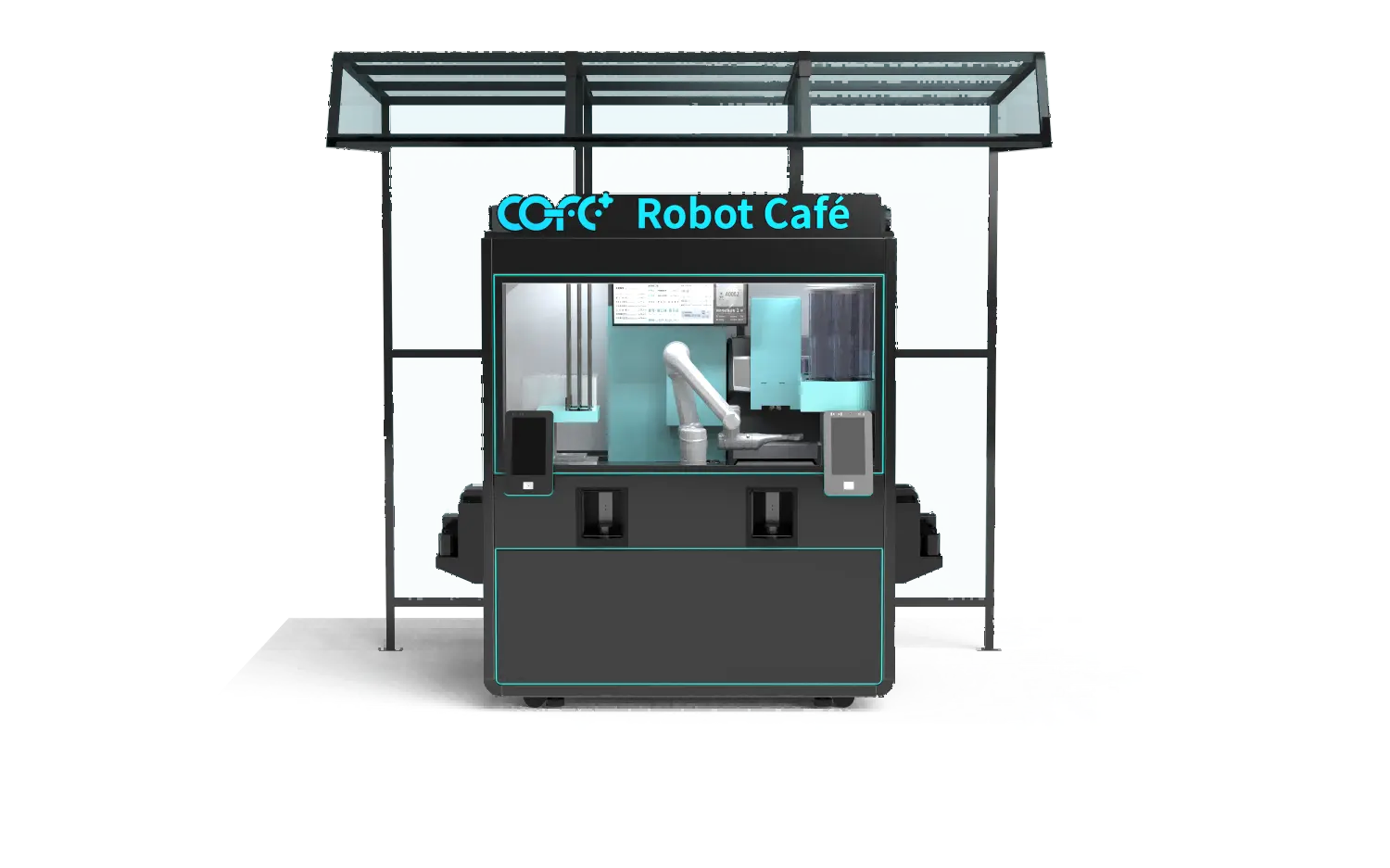
Yes. The indoor kiosk is designed for climate-controlled environments like malls, airports, and offices. The outdoor version carries an IP54 rating and operates from minus 20°C to 45°C with ultraviolet-resistant panels and an anti-condensation system. Using an indoor unit outside, even briefly, shortens component life and risks condensation damage. If your market entry plan includes outdoor public spaces, specify that requirement early so the right model is allocated.
The kiosk runs continuous remote diagnostics. Most error conditions, from ingredient shortages to module faults, generate an alert before the machine stops serving. If intervention is required, our cloud platform dispatches a local trained technician using spare parts from a distributor. For markets without an existing distributor, we set up that network as part of the initial deployment planning. The first three months of any new market entry are the right time to build that local support layer, not after the first downtime event.
Yes. We offer white-label options including custom branding, colour matching, and logo integration. The physical form factor remains the same, so certification packages are unaffected. The customization typically adds two to three weeks to the production timeline, which should be factored into the market entry schedule.
If your brand is evaluating a multi-country rollout and you need a verified deployment timeline with certification references for your target regions, share your expansion plan at sales@hi-dolphin.com or call +86 131 6630 1290. We can provide a site-by-site feasibility assessment without obligation.
TL;DR — COFE+ is a fully automated robotic coffee kiosk that grinds fresh beans, brews espresso and lattes, creates latt……
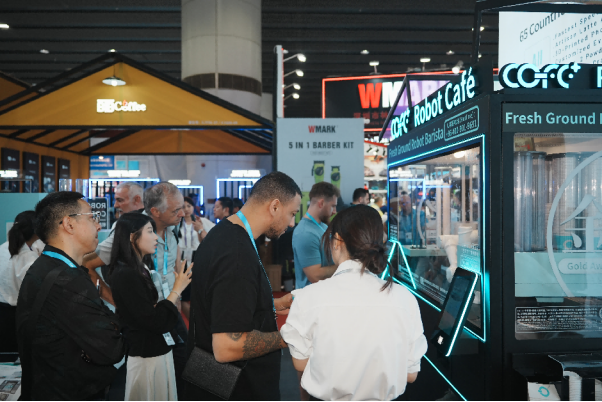
7th-Genertion Smart Robot Coffee Kiosk Arrives at the Belt and Road Core Hub, Ushering in a New Service Era Along t……
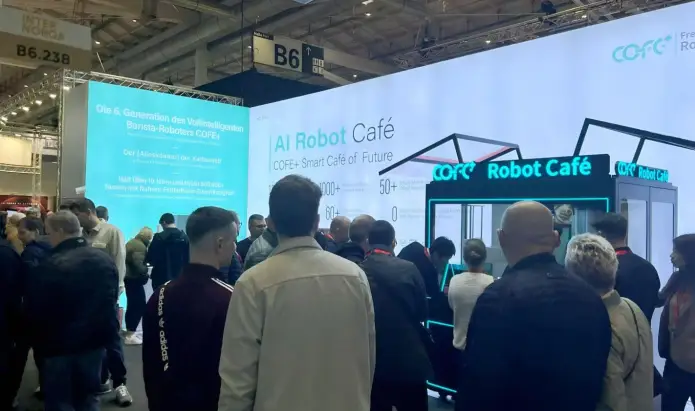
CHICAGO, May 12, 2026 (GLOBE NEWSWIRE) – Shanghai Hi-Dolphin Robot Technology today announced the U.S. debut of its 7th‑……