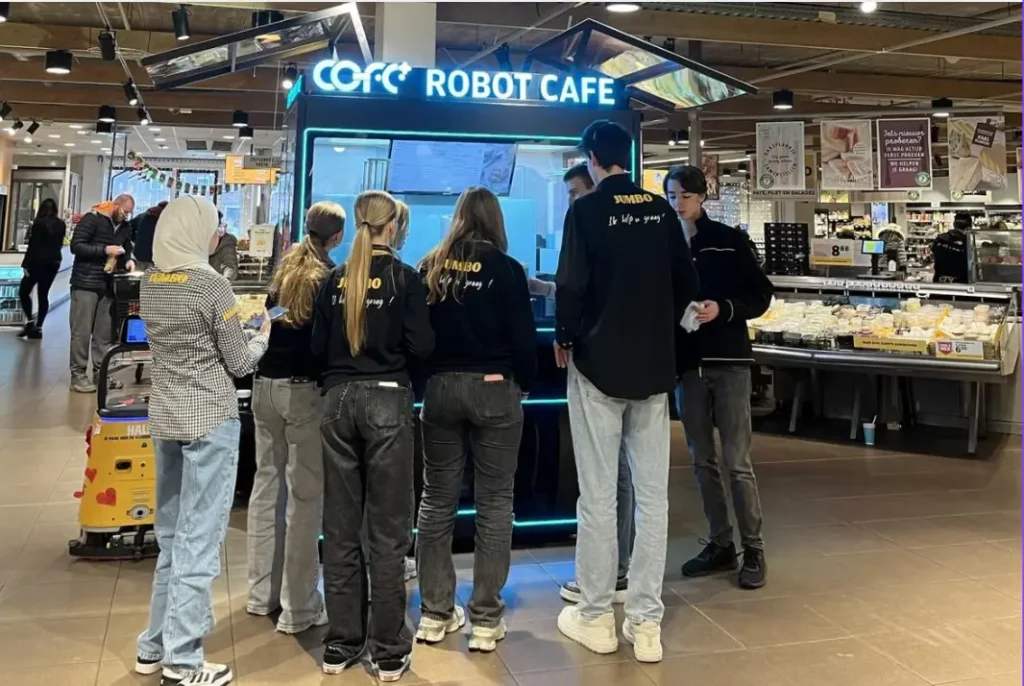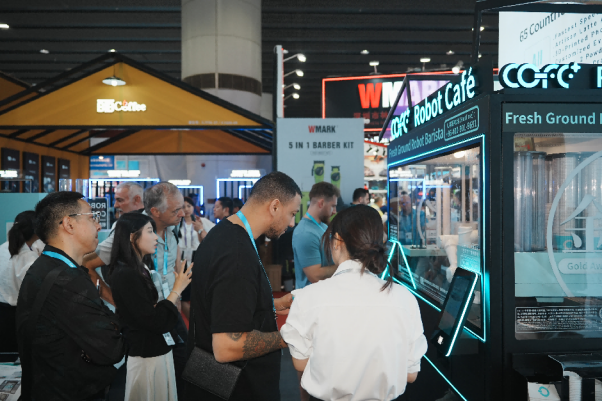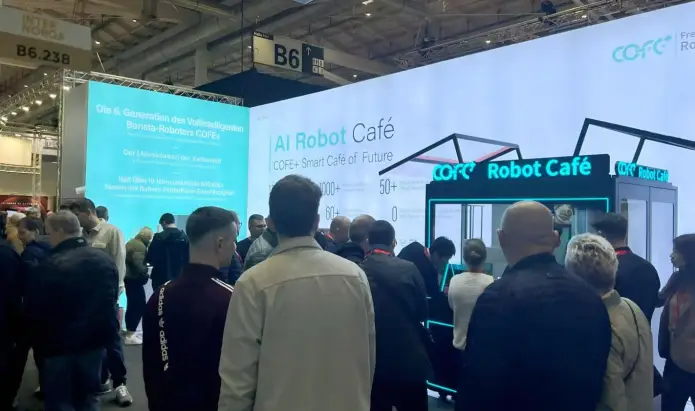
El despliegue de quioscos de café robotizados en 50 países revela patrones que ningún plan de negocio de mercado único puede capturar. Las lecciones del despliegue global de quioscos de café robotizados surgen de fricciones del mundo real: cuellos de botella en la certificación, curvas de confianza del consumidor y logística de mantenimiento que cambian drásticamente entre fronteras. Habiendo apoyado instalaciones desde el Sudeste Asiático hasta Oriente Medio y Europa, he visto a operadores tener éxito al tratar cada mercado como un rompecabezas de cumplimiento y cultura en lugar de una implementación de copiar y pegar. Aquí se muestran los datos sobre los umbrales de certificación, las realidades de la localización y las variables operativas que determinan si un despliegue alcanza el punto de equilibrio en seis meses o se convierte en un líder de pérdidas permanente.
Lo que dictan realmente los requisitos de certificación global
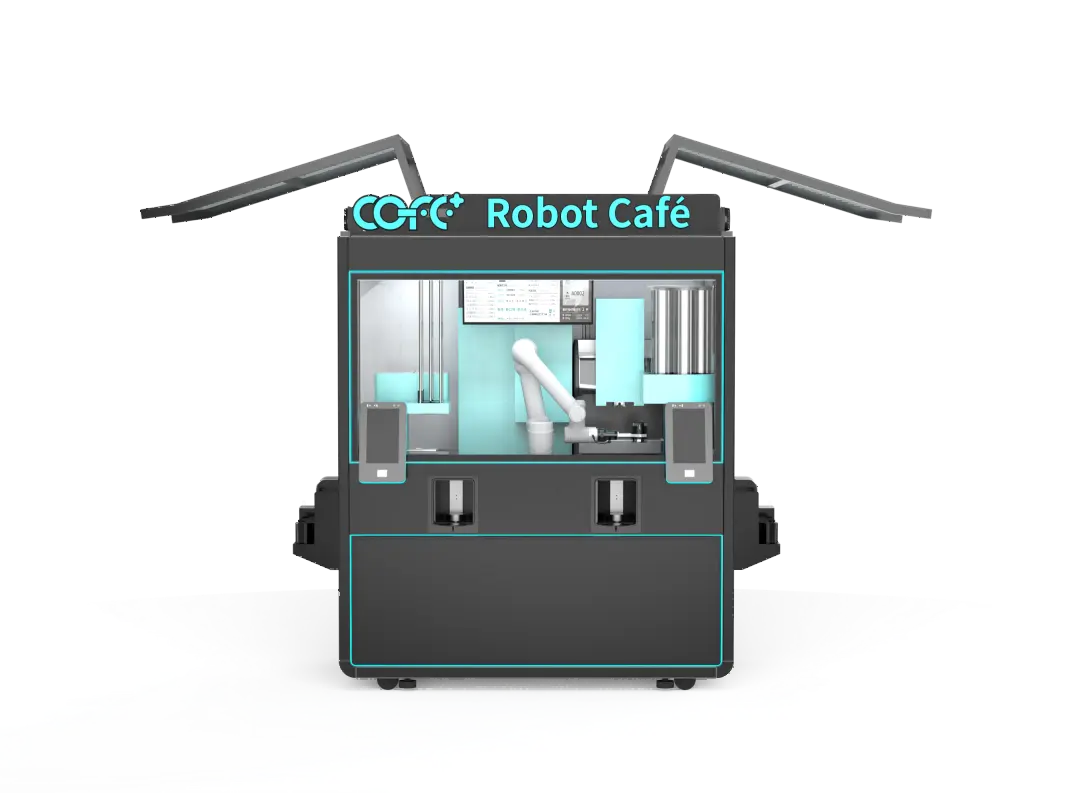
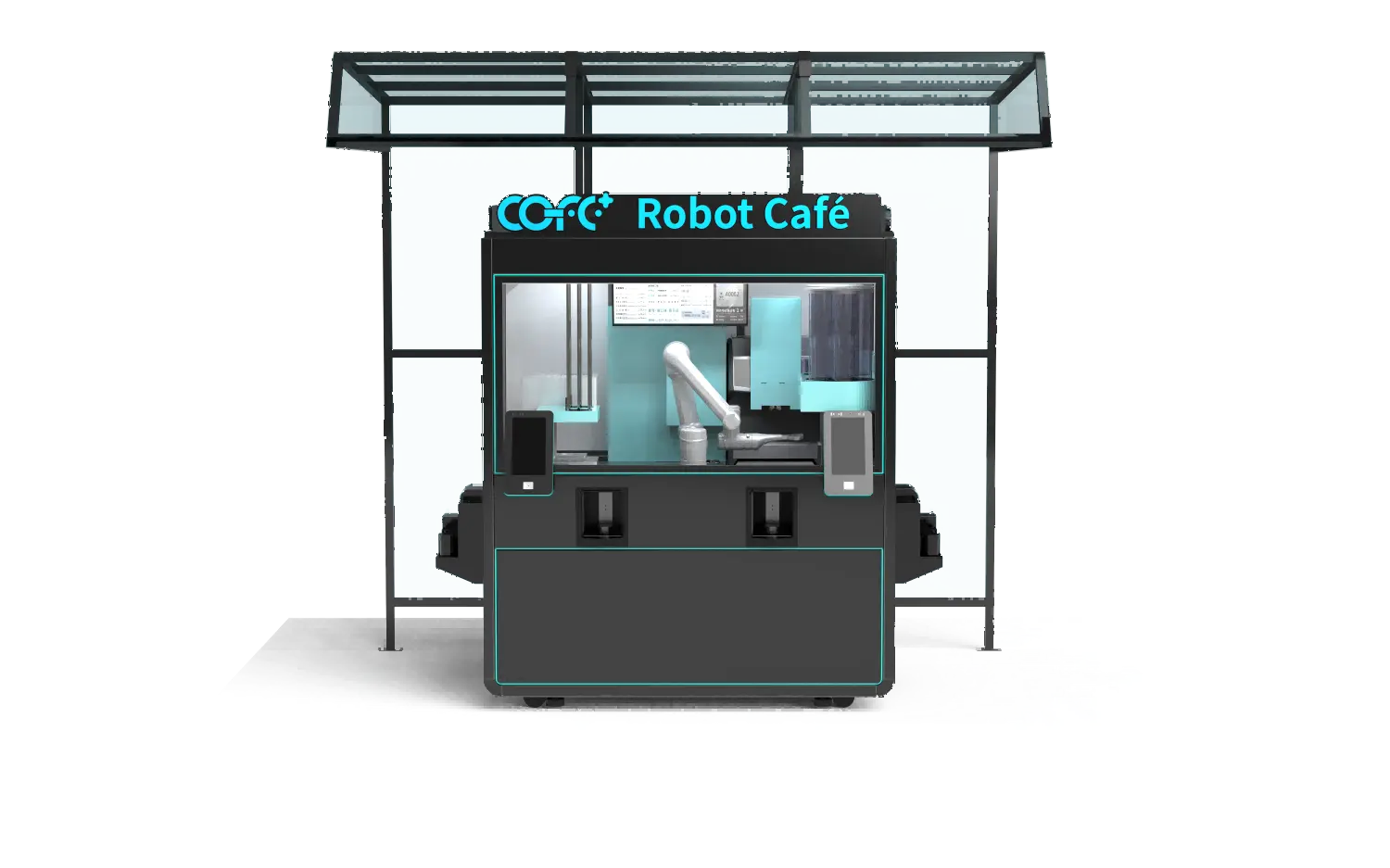
Every operator’s timeline starts with certification, and the gaps between markets are larger than most anticipate. A kiosk certified under CE and FDA standards covers North America and the European Union, but entering Saudi Arabia requires SASO certification, South Korea demands KC marking, and the UK now requires UKCA post-Brexit. These are not administrative formalities. Each adds weeks to deployment and can require hardware modifications. From our deployment data, operators who submit certification documents in parallel across target markets, rather than sequentially, cut launch delays by roughly 40 percent. The machines that move fastest through approval carry pre-certification across the broadest set of standards. The COFE+ 7th generation kiosk holds FDA, CE, UKCA, KC, and SASO certifications upfront, which removes the single largest timeline variable for operators expanding into the Middle East and Asia. I have watched operators lose entire summer seasons waiting on a single certification they assumed would take two weeks. Food safety documentation beneficios por haber pasado evaluaciones de organizaciones expertas internacionales en seguridad alimentaria antes de la presentación. Los reguladores responden de manera diferente cuando el archivo técnico ya hace referencia a evaluaciones de terceros reconocidas.
Por qué la localización va más allá de la traducción de idiomas
Translating a touchscreen menu into Arabic, Korean, or French is the easy part. The harder work involves recipe adaptation, payment integration, and consumer behavior patterns that differ by region. In Southeast Asia, iced drink volume runs roughly three times higher than in Northern Europe during the same season. Middle Eastern consumers gravitate toward milk tea and chocolate variants alongside coffee, while Western European markets skew heavily toward traditional espresso-based drinks. A kiosk that only serves hot black coffee underperforms in Bangkok and Riyadh the same way a menu without oat milk options does in Berlin. The COFE+ system supports over 300 drink recipes and 5,000 customization combinations, including plant-based milk, syrup adjustments, roast selection, and cup size, because the alternative is building a different machine for every market. Operators who use the full menu breadth from day one capture adoption rates roughly double those who start with a narrow Western coffee menu and expand later. Local payment integration is the second hidden variable. Markets where QR-code mobile payment dominates need seamless integration on day one, not a patch applied after launch.
Realidades operativas que sorprenden a los operadores primerizos
The 24/7 unattended promise of robot coffee kiosks works, but the assumptions about what unattended means change by location. In climate-controlled indoor malls, an indoor kiosk runs reliably with standard remote monitoring. Deploy the outdoor version in a Gulf coastal city during August, and the machine faces 45°C ambient temperature, salt-laden humidity, and UV exposure that degrades unrated components within months. The outdoor kiosk rated IP54 with anti-condensation systems and UV-resistant housing handles this. Operators who deploy indoor-rated machines outdoors, a shortcut some attempt, face component failure rates that erase any initial hardware savings within the first year. Water quality is another variable that hits operators hard. Machines running on untreated hard water accumulate mineral deposits that degrade boilers and flow meters twice as fast as those on filtered or softened water. Our field data from deployments across 50 countries shows that inline water filtration adds roughly $200 to the per-unit deployment cost and extends component life by 30 to 40 percent. Operators who skip this expense pay for it in maintenance downtime. If your deployment plan includes outdoor locations in extreme climates or regions with variable water quality, confirming the hardware specifications against local conditions before finalizing your site list avoids costly mid-launch surprises. Reach out at sales@hi-dolphin.com with your target deployment zones and we will cross-check the environmental ratings against your planned locations.
Qué ubicaciones ofrecen el mayor ROI y por qué
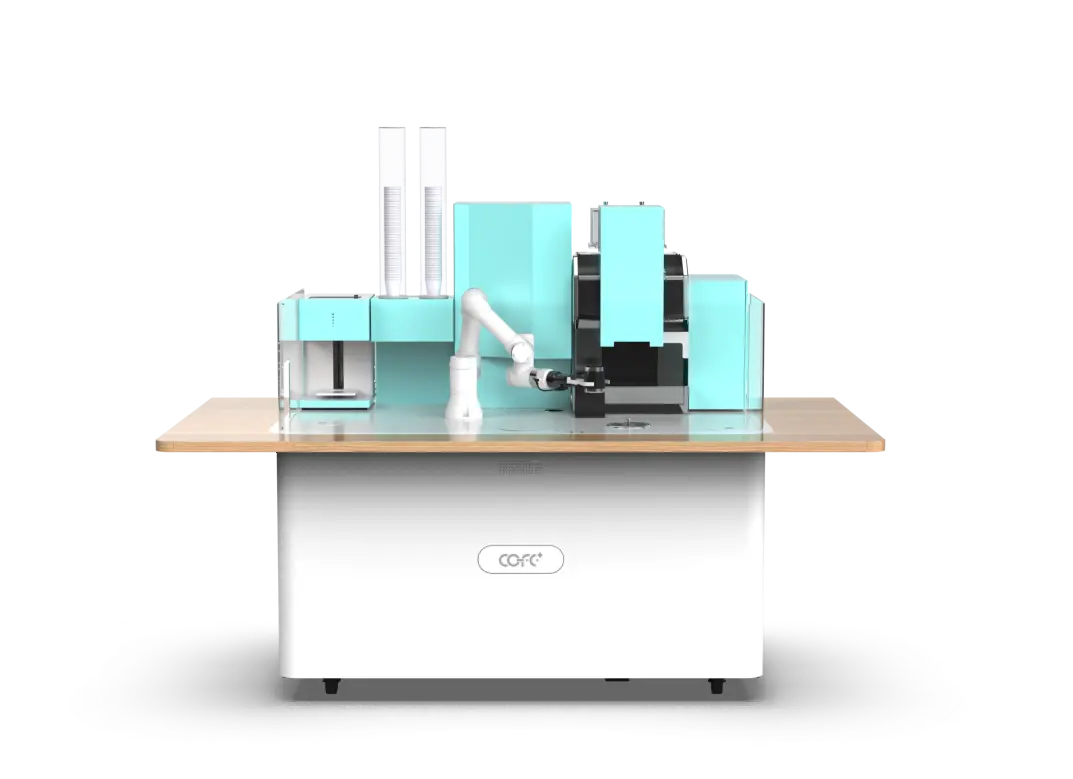
Not every high-traffic location converts to high revenue. The rule emerging from multi-country deployment data is that robot coffee kiosks perform best where three conditions coexist: consistent foot traffic, limited nearby competition, and dwell time, the period during which people are stationary and willing to wait for a fresh-made drink. Airports and train stations meet the traffic and dwell-time criteria but often have established coffee chains paying premium rents. University campuses and hospitals deliver more predictable margins: they combine high daily traffic, limited overnight food service options, and captive audiences with consistent demand patterns. Shopping malls perform well in Asia and the Middle East, where mall culture drives high weekend traffic, but underperform in parts of Northern Europe where outdoor high-street shopping dominates. Office buildings generate reliable weekday revenue but near-zero weekend income, an important calculation for operators running on fixed lease agreements. A kiosk capable of serving roughly 1,000 cups per day, with a per-cup cost around $0.30 to $0.70 and no staff cost, reaches breakeven in 6 to 12 months at most viable locations. Operators who select sites without at least two of the three success conditions commonly stretch that timeline past 18 months.
| Tipo de ubicación | Consistencia del tráfico | Tiempo de permanencia en la coincidencia | Ventana típica de retorno de inversión |
|---|---|---|---|
| Campus universitario | Alto, durante todo el año | Fuerte | 6–9 meses |
| Hospital | Alto, 24/7 | Moderado | 8–12 meses |
| Aeropuerto | Alto, variable | Fuerte | 10–14 meses |
| Edificio de oficinas | Solo días laborables | Moderado | 9–15 meses |
| Centro comercial | Picos de fin de semana | Fuerte | 7–11 meses |
Cómo cambian la logística de mantenimiento en las regiones
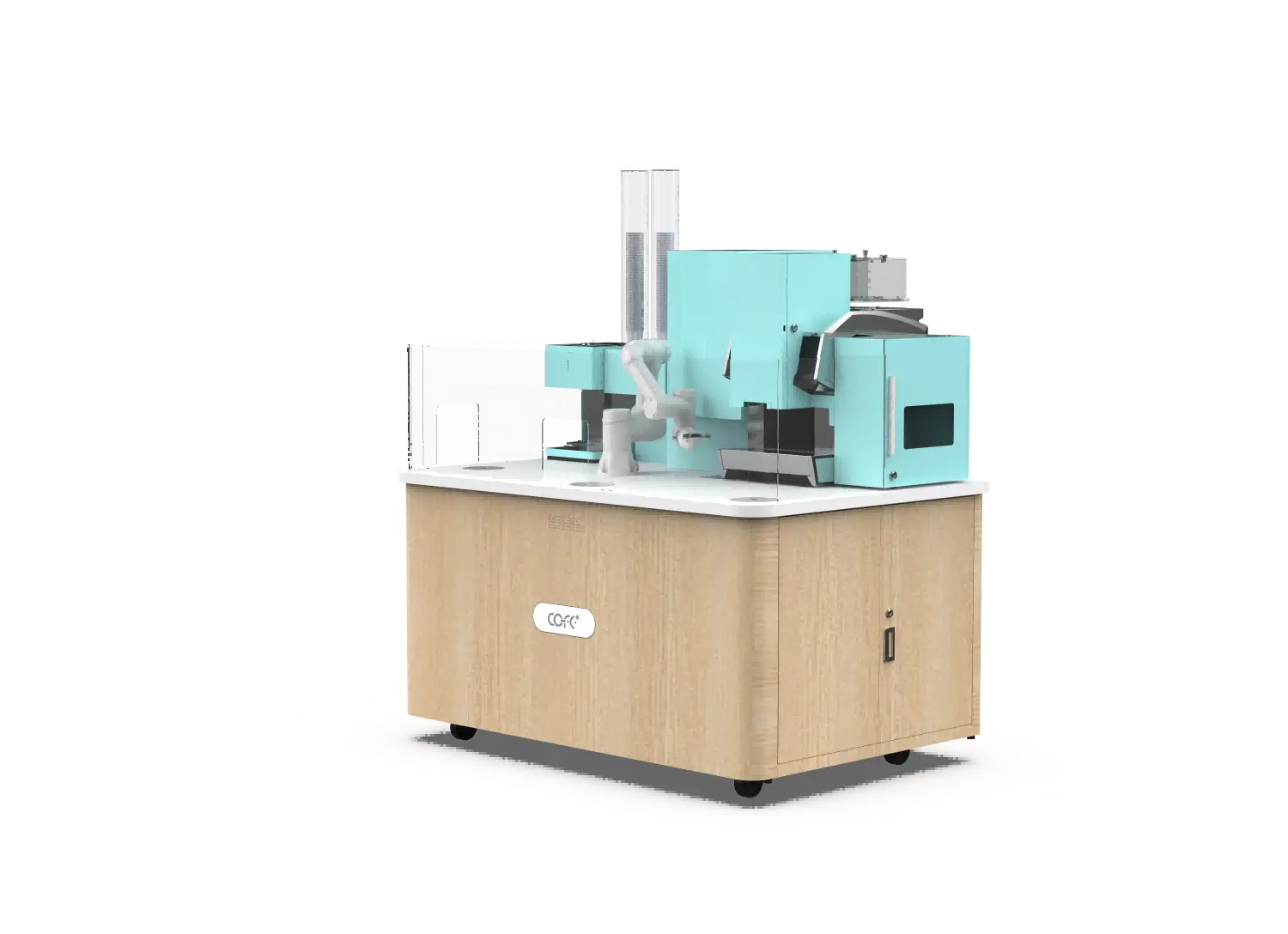
Maintenance logistics determine long-term profitability more than hardware cost. In markets with dense technician networks, including Western Europe, coastal China, Japan, and South Korea, remote diagnostics combined with local repair dispatch works efficiently. A cloud-monitored kiosk detects a pump issue, triggers an alert, and a technician arrives within 48 hours. In markets where qualified technicians are sparse or dispersed, the same alert can mean a machine sitting idle for a week or more. The difference in annual uptime between a dense-support market and a sparse-support market commonly exceeds 15 percent. Operators planning multi-country rollouts need to map technician availability before site selection, not after. The machines that perform best in distributed deployments carry modular component design: pump assemblies, grinders, and boiler units that can be swapped by a general technician rather than a specialist. Automatic high-temperature sterilization at 85°C and above also reduces cleaning-related maintenance calls by keeping internal piping and dispense heads free of organic buildup, a variable that matters more in hot climates where bacterial growth accelerates. For operators expanding into regions without established robot coffee service networks, the most reliable path is partnering with a manufacturer that provides cloud-based remote diagnostics and maintains regional spare-parts depots. Relying on international shipping for every replacement component turns a two-day fix into a two-week revenue gap.
Preguntas frecuentes sobre el despliegue global de café con robot
¿Puede un quiosco de café con robot operar de manera confiable en climas extremos?
Depende de la calificación del hardware y del estrés climático específico. Los quioscos en interiores en entornos controlados climáticamente enfrentan pocos desafíos térmicos. Los quioscos exteriores con clasificación IP54 y rangos de operación especificados desde -20°C hasta 45°C funcionan de manera confiable en despliegues en desiertos, tropicales y regiones frías, probados con más de 500,000 tazas acumuladas. Lo que falla es desplegar hardware con clasificación para interiores en exteriores, lo cual los operadores a veces intentan para ahorrar en costos iniciales. La falla ocurre rápidamente: la condensación acorta la electrónica, los rayos UV degradan sellos y pantallas táctiles, y el polvo obstruye las vías de ventilación en meses.
¿Confían los clientes en diferentes países en un café hecho por robot?
La confianza se construye más rápido de lo que la mayoría de los operadores esperan, pero el patrón varía según el mercado. En mercados tecnológicos como España, Japón y Singapur, la adopción por parte del consumidor ocurre en semanas. En mercados donde la cultura del café enfatiza la artesanía del barista, incluyendo Italia, Francia y partes de Australia, la curva de adopción es más lenta, pero aún converge cuando la calidad del producto es consistente. El punto de inflexión que observamos en despliegues en múltiples países es la tercera a la quinta compra: una vez que los consumidores verifican que el sabor es idéntico cada vez, la confianza se estabiliza. Características como la impresión de arte en latte en 3D y el arte con espuma con brazo robótico aceleran esto porque convierten la transacción en un espectáculo visible en lugar de una interacción con máquina expendedora.
¿Cuál es el error más grande que cometen los operadores al expandirse internacionalmente?
Subestimar los tiempos de certificación y tratar la localización como un paso de traducción en lugar de una decisión de ingeniería del menú. Los operadores que planifican ventanas de certificación de tres meses y presupuestan para la configuración de recetas específica del mercado ingresan de manera rentable en nuevos mercados. Aquellos que asumen que una marca CE es suficiente y copian el menú nacional pierden meses de ingresos y pierden impulso de los primeros adoptantes. Si su plan de implementación abarca múltiples regiones regulatorias, la presentación paralela de certificaciones y la amplitud inicial del menú son las dos inversiones que separan despliegues globales rentables de proyectos piloto estancados.
¿Cuánto capital de trabajo debe reservar un operador por despliegue en cada país?
No hay una cifra universal, pero por kiosco, los operadores deberían reservar aproximadamente del 15 al 20 por ciento del costo unitario para gastos específicos del país: tarifas de certificación, modificaciones para cumplir con las normativas eléctricas y de plomería locales, integración del sistema de pagos y inventario inicial de consumibles. Más allá del kiosco, los depósitos por alquiler del sitio y el gasto inicial en marketing varían según el mercado, pero típicamente oscilan entre 1,000 y 8,000 euros por ubicación. Los operadores que tienen éxito a nivel mundial tratan cada país como una decisión de asignación de capital con su propio cronograma, no como un ítem adicional en el presupuesto nacional. Para un escenario de despliegue que coincida con sus mercados específicos, comparta sus países objetivo y tipos de sitios en sales@hi-dolphin.com o llame al +34 131 6630 1290, y revisaremos el camino de certificación y el desglose de costos relevante para su plan de implementación.