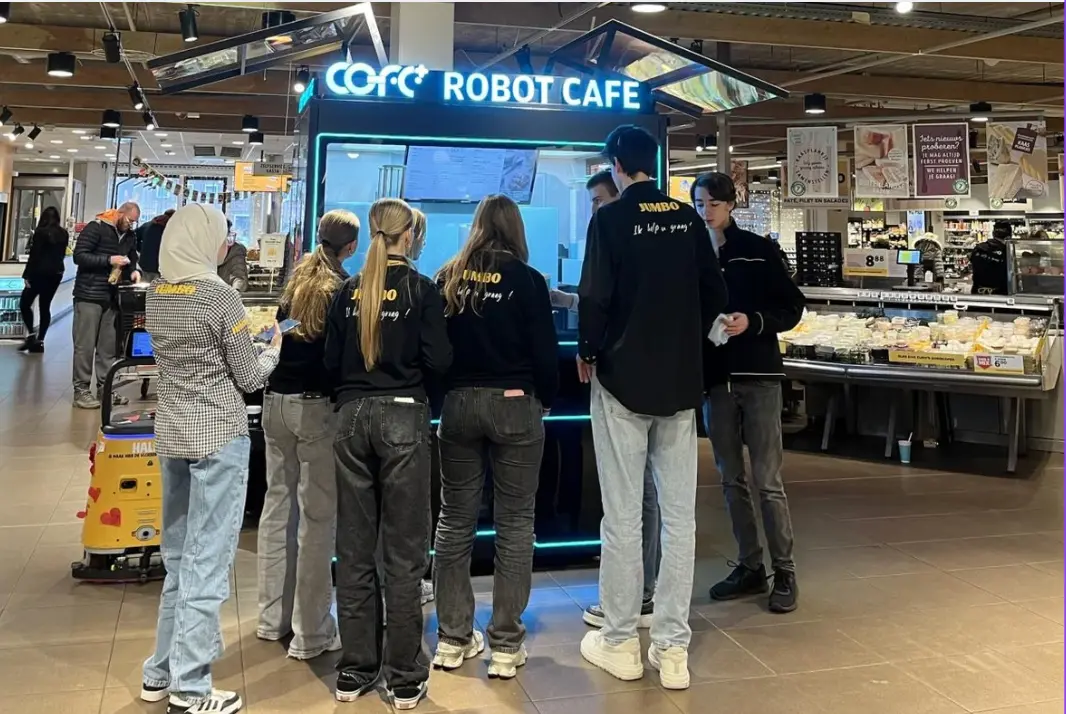
The Rise of Professional Robotic Café Technology: What COFE+ Is and Why It Matters
TL;DR — COFE+ is a fully automated robotic coffee kiosk that grinds fresh beans, brews espresso and lattes, creates latt……

Building a local technician network for robot coffee kiosks separates a stalled revenue asset from a dependable 24/7 operation. I have watched operators treat service as an afterthought until a water pump fault or ingredient sensor failure closes a kiosk for three days. The smarter approach is to design technician coverage around remote diagnostics, clear tiering, and modular repair from the first site. This article shows how to recruit, train, and manage local service partners so routine faults stay short and every site keeps selling coffee.
Robot coffee kiosks operate unattended, so a technician network is not a cost center. It is the mechanism that converts a remote hardware problem into a scheduled field visit. In our deployments across more than 35 countries, the sites with the highest uptime are rarely the ones with the newest machines. They are the ones where a local technician can arrive within a few hours of a cloud alert.
The failure pattern matters more than the machine model. A kiosk will not stay closed because the robotic arm breaks suddenly. It will stay closed because a filter sensor, drain line, or syrup pump issue waits two days for a technician who cannot reach the site. The local network removes that waiting time. It also gives the operator a set of hands to handle cleaning, calibration, and minor module swaps without pulling someone from another city.
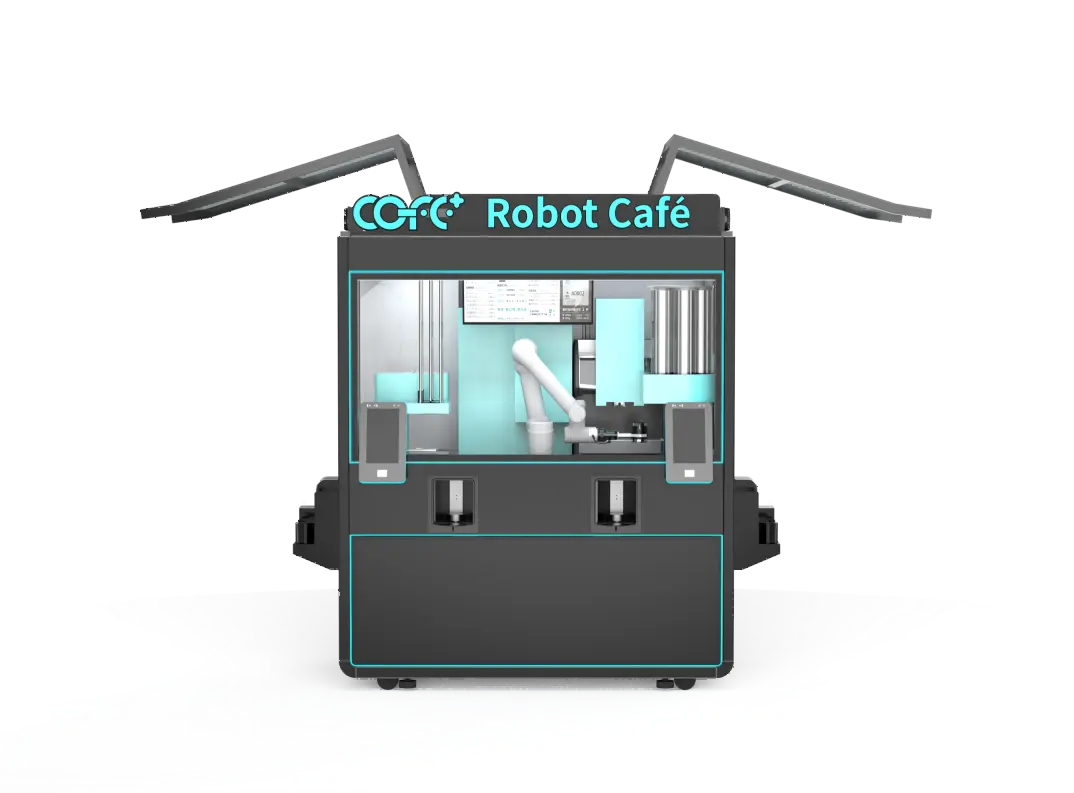
Most multi site operators make one structural mistake. They recruit a single type of technician and expect that person to handle everything from daily cleaning to board level repair. The result is either an overqualified technician spending time on sanitation or an underqualified technician guessing at a power supply fault. I use a three tier model for coffee kiosk service.
| Tier | Role | Typical tasks | Required capability |
|---|---|---|---|
| 1 | Trained site staff | Daily cleaning, ingredient refill, error reset | Follow cloud alert checklist |
| 2 | Local field technician | Module replacement, calibration, minor electrical and plumbing | Vending or coffee machine repair plus kiosk training |
| 3 | OEM or regional specialist | Board level repair, software reflash, structural damage | Manufacturer certification and spare parts access |
Most sites only need Tier 1 and Tier 2 for routine faults. Tier 3 stays on standby for rare control board or robotic arm issues. That structure keeps response fast without making every field visit a specialist trip. When local partners are tiered this way, the operator also knows which training certificate to inspect before dispatching a technician.
Sending a technician without a diagnosis is expensive. Cloud monitoring on modern robot coffee kiosks reports stock levels, water pressure, ingredient temperature, and module status in real time. The operator’s job is to convert that data into a dispatch instruction before the technician starts driving. A local network works only when the cloud platform tells the technician which spare part to bring.
COFE+ 7th generation kiosks, for example, transmit stock, temperature, and system status through remote diagnostics. That means a Tier 2 technician can arrive with the right sensor or pump instead of spending the first visit identifying the fault. When we plan service coverage, we make remote diagnostics the first hiring criterion. If a candidate technician cannot read an alert log or follow a module isolation guide, the site will waste time on trial and error.
If your program involves multiple robot coffee kiosk models across different cities, it is worth confirming remote diagnostic alert coverage and escalation paths before finalizing local service partner agreements. Send your site list and current coverage map to sales@hi-dolphin.com and we will confirm what a workable technician escalation model looks like for your territory.
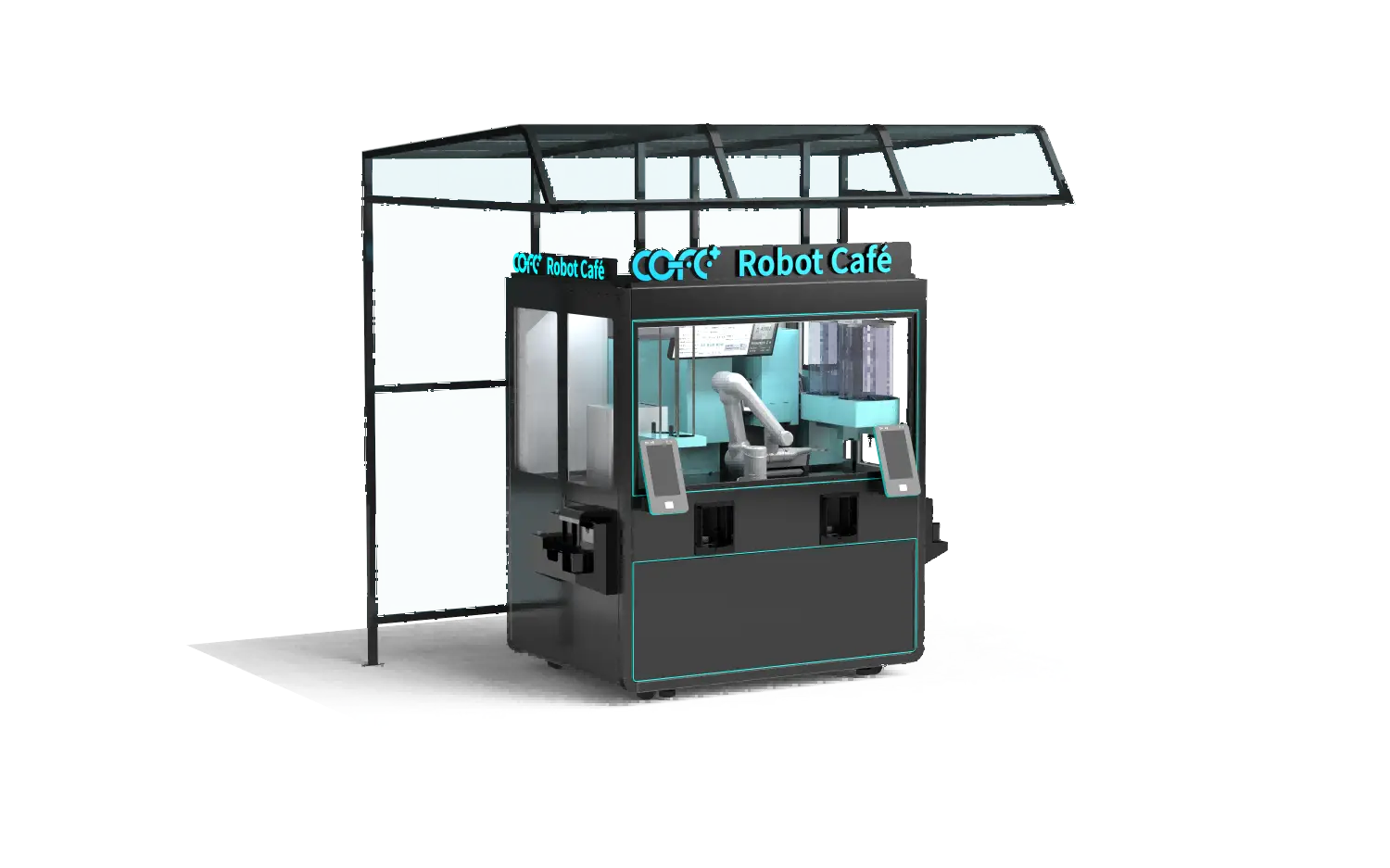
Recruiting a local vending machine repair shop is not enough. A robot coffee kiosk combines a precision brewing module, a robotic arm or actuator set, water and drain lines, and a cloud connected control system. A technician who can replace a compressor may not be prepared to recalibrate a milk frothing module or clear a food contact surface alarm. Structured training has to close that gap before the first service call.
Training should cover safety and hygiene first, because food contact surfaces and automatic high temperature sterilization create compliance expectations. Mechanical and electrical module replacement comes next, including pumps, valves, sensors, and door seals. Software and cloud interpretation follows, so the technician can read the same alert the operator sees and confirm the fix remotely.
I prefer to certify local partners in specific modules rather than certify them on the entire machine in one pass. A technician who passes the water and drain module first can start handling high frequency faults while continuing training on the electrical system. That approach builds coverage faster and gives the operator a clear record of who is qualified for what.
Every hour a robot coffee kiosk sits idle costs drink sales and erodes landlord confidence. A local technician network prevents that from becoming routine. If you are planning a multi site deployment or stabilizing existing kiosks, share your site list, kiosk models, and current service coverage. We will confirm a technician training scope, spare parts kit, and remote diagnostic escalation path that fits your geography. Reach us at sales@hi-dolphin.com or +86 131 6630 1290.
A staffing model of three trained Tier 1 staff at the site level plus two Tier 2 field technicians is usually enough for ten kiosks in two cities. The exact number depends on distance between sites and expected cup volume. If sites are more than ninety minutes apart, add a third Tier 2 technician or split coverage by city. If all ten kiosks sit within one dense urban zone, two technicians can cover the region with remote diagnostics reducing routine calls.
It is a common assumption that any coffee machine repair shop can service a robot kiosk, but the machine includes a cloud control layer, robotic arm, and food contact sanitation system that a standard espresso repair background does not cover. The shop can become a Tier 2 partner if it completes module specific training and has access to the kiosk’s remote diagnostic portal. Without that, the operator risks a qualified technician replacing the wrong part.
Smaller city coverage depends on how quickly you can train one local partner. If a refrigeration or vending technician already operates in that city, that person can often become a Tier 2 resource within a few weeks. If no qualified technician exists, the practical model is a regional technician who covers a cluster of sites on a scheduled route, with remote diagnostics reducing unnecessary visits. Stocking a local spare parts locker at the site also shortens repair time for a visiting technician.
In multi site programs I have planned, food safety risk usually comes from two sources: missed cleaning after a repair and incorrect replacement of a food contact component. The fix is procedural. Every Tier 2 work order includes a post repair sanitation step and a photo confirmation of the cleaned area. Before a technician touches a dosing line or milk module, they sign off on the same hygiene checklist the site staff use. Share your certification requirements with sales@hi-dolphin.com and we will confirm which repair steps need documentation for your market.
TL;DR — COFE+ is a fully automated robotic coffee kiosk that grinds fresh beans, brews espresso and lattes, creates latt……
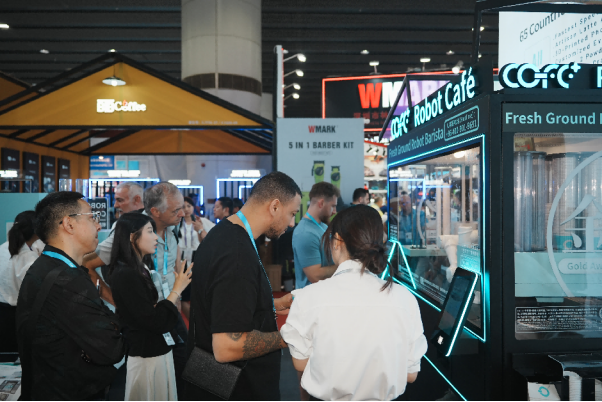
7th-Genertion Smart Robot Coffee Kiosk Arrives at the Belt and Road Core Hub, Ushering in a New Service Era Along t……
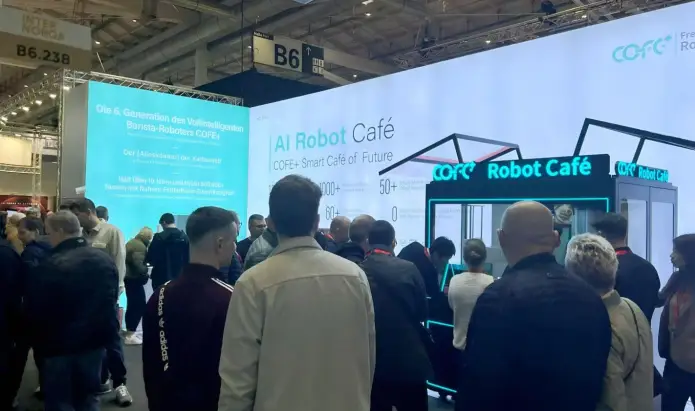
CHICAGO, May 12, 2026 (GLOBE NEWSWIRE) – Shanghai Hi-Dolphin Robot Technology today announced the U.S. debut of its 7th‑……