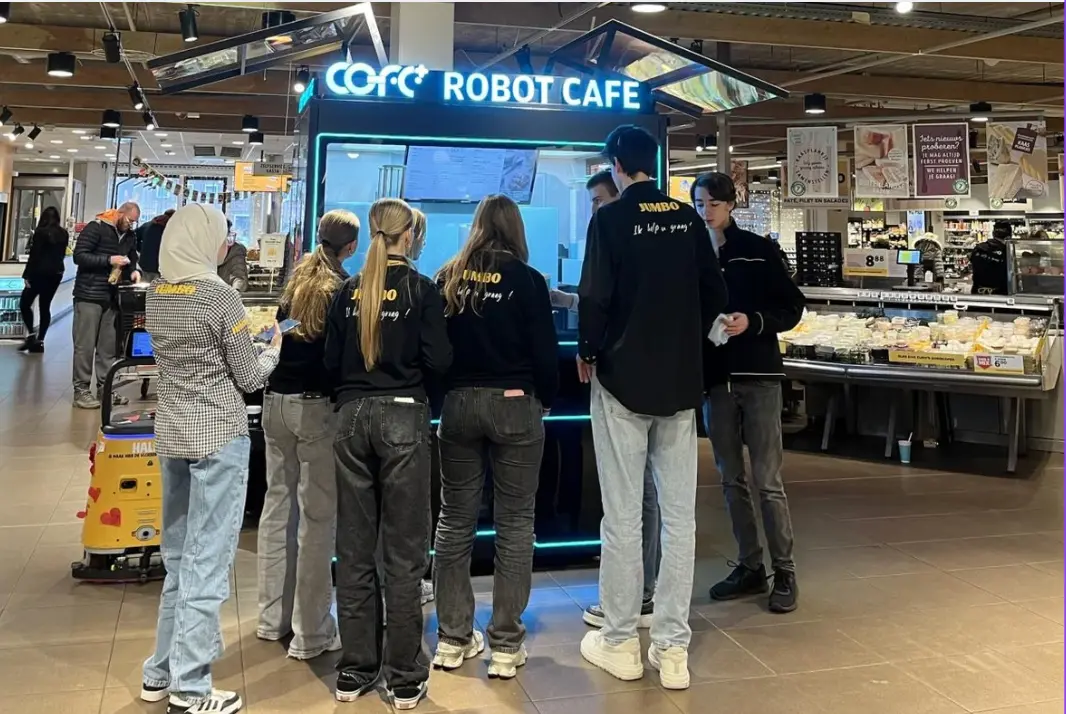
The Rise of Professional Robotic Café Technology: What COFE+ Is and Why It Matters
TL;DR — COFE+ is a fully automated robotic coffee kiosk that grinds fresh beans, brews espresso and lattes, creates latt……

Labor shortages, rising wages, and unpredictable foot traffic have turned traditional café operations into a margin squeeze that many operators cannot sustain. Robot coffee kiosks now offer a path out of this bind, delivering fresh specialty drinks around the clock without a single barista on payroll. For investors and operators evaluating unattended retail, the question is no longer whether automation works but how quickly it pays back.
A staffed café typically runs 12 to 14 hours per day. Extending hours means overtime pay, night-shift premiums, and the challenge of finding reliable workers for early mornings or late nights. Robot kiosks eliminate these constraints entirely. A single COFE+ 7th Generation unit operates continuously, producing up to 1,000 cups per day without shift changes, sick leave, or scheduling conflicts.
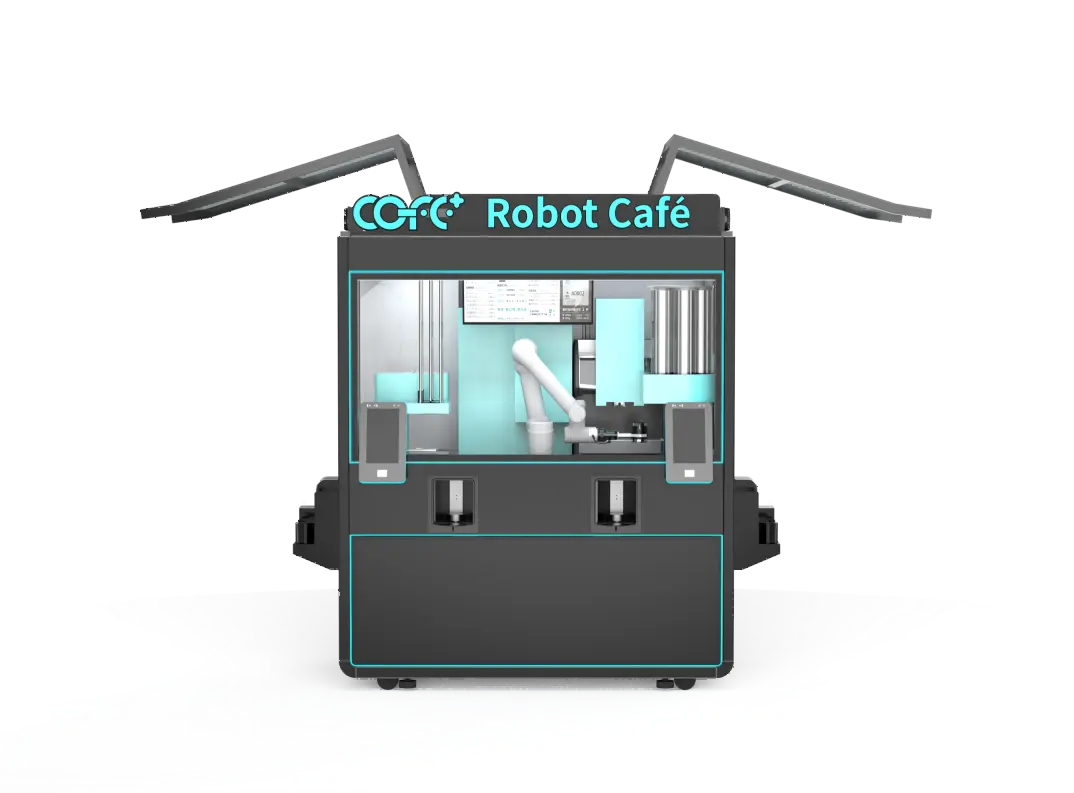
The economics shift fundamentally when a location can capture demand at 2 a.m. or 5 a.m. Airports, hospitals, university dormitories, and 24-hour fitness centers generate coffee demand outside normal business hours. Traditional operators either ignore this demand or staff it at a loss. Robot kiosks convert these off-peak windows into pure incremental revenue because variable costs remain fixed at roughly $0.30 to $0.70 per cup regardless of the hour.
According to the National Restaurant Association’s 2024 State of the Industry Report, 62% of restaurant operators cited labor as their top challenge, with quick-service segments reporting turnover rates exceeding 100% annually. Automation does not merely reduce headcount; it removes the operational volatility that makes staffing a constant management burden.
Labor typically accounts for 25% to 35% of revenue in a staffed coffee operation. A robot kiosk replaces approximately six full-time barista equivalents, according to COFE+ operational data from deployments across 65 countries. The savings compound when you factor in training, benefits, uniforms, and the hidden cost of inconsistent service quality during staff transitions.
| Cost Category | Staffed Café (Monthly) | Robot Kiosk (Monthly) |
|---|---|---|
| Labor | $8,000–$12,000 | $0 |
| Training and turnover | $500–$1,500 | $0 |
| Ingredient cost per cup | $0.80–$1.20 | $0.30–$0.70 |
| Rent (typical footprint) | $3,000–$6,000 (50+ m²) | $800–$1,500 (2.35 m²) |
| Utilities and maintenance | $1,200–$2,000 | $300–$600 |
The footprint difference deserves attention. A COFE+ indoor unit occupies approximately 2.35 square meters, roughly the size of a vending machine. This compact profile means operators can place units in locations where a full café would never fit: building lobbies, transit corridors, hospital waiting areas, or retail corners. Rent savings alone can exceed $2,000 monthly in high-traffic urban locations.
I have seen operators initially hesitate over the perceived complexity of robotic systems, assuming maintenance would offset labor savings. In practice, cloud-based remote diagnostics and automatic cleaning cycles reduce on-site intervention to periodic ingredient restocking. The 7th Generation COFE+ system has been tested for over 500,000 cups with a 10-year design lifespan, which means reliability is engineered in rather than hoped for.
Revenue per cup depends on three factors: menu breadth, customization capability, and perceived quality. Robot kiosks historically struggled with the third factor because early vending machines produced mediocre coffee that consumers tolerated only out of convenience. The current generation of robotic baristas has closed this gap.
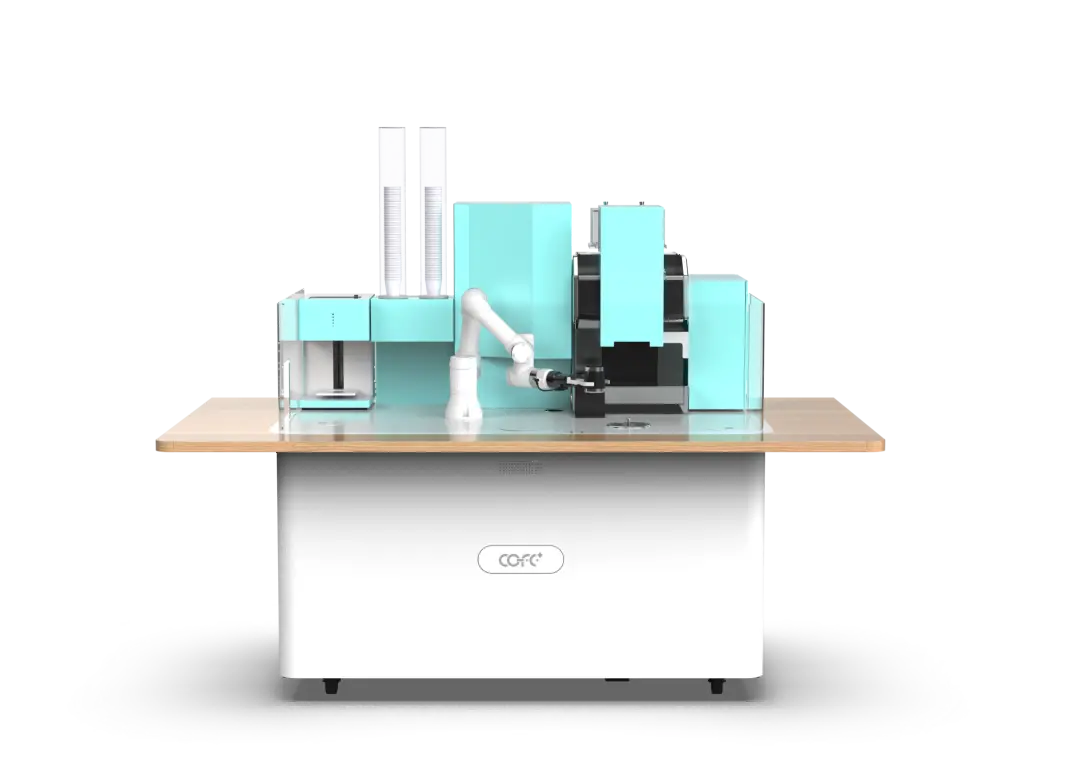
COFE+ units offer over 300 drink options, including 197 country-inspired recipes and more than 5,000 customization combinations spanning coffee, milk tea, matcha, chocolate, and plant-based alternatives. The system includes 3D latte art printing and robotic arm foam art, which transforms a routine purchase into a shareable experience. This matters because premium pricing depends on perceived value, and visual differentiation drives social media engagement that traditional cafés spend marketing dollars to achieve.
Pricing strategy varies by location. Airport and transit hub operators typically price 15% to 25% above street-level cafés because captive audiences accept convenience premiums. University and office deployments often price at parity with nearby competitors while capturing volume through 24-hour availability. The key insight is that robot kiosks can flex pricing without adjusting labor costs, which gives operators margin headroom that staffed locations cannot match.
A smart store brain system monitors real-time sales data, inventory levels, and consumer preferences across all deployed units. This data layer enables dynamic pricing experiments and menu optimization that would require dedicated analysts in a traditional operation.
Payback period is the metric that separates viable investments from speculative ones. For robot coffee kiosks, the calculation depends on daily cup volume, average selling price, and fixed monthly costs.
Consider a baseline scenario: a COFE+ indoor unit placed in a shopping mall food court, selling 150 cups per day at an average price of $4.50. Monthly revenue reaches approximately $20,250. With ingredient costs at $0.50 per cup, rent at $1,200, and utilities plus maintenance at $400, monthly operating profit approaches $15,000. Against an initial equipment investment in the range typical for commercial robotic systems, payback occurs within 6 to 12 months.
The variables that most affect payback are location foot traffic and average transaction value. A transit hub with 300 daily transactions at $5.00 average price reaches payback faster than a corporate lobby with 80 transactions at $3.50. Before committing to a location, operators should conduct foot traffic counts during multiple time windows, including late night and early morning, to validate 24-hour demand potential.
If your target location has uneven traffic patterns or you are uncertain about off-peak demand, it is worth discussing placement strategy with equipment providers who have deployment data from similar scenarios.
Site selection risk is the silent killer of café investments. A traditional café commits to a multi-year lease, buildout costs, and staffing infrastructure before serving a single customer. If foot traffic projections prove wrong, the operator bleeds cash until the lease expires.
Robot kiosks invert this risk profile. The compact footprint and plug-and-play installation mean operators can test locations with minimal commitment. If a site underperforms, the unit can be relocated within days rather than written off as a sunk cost. This mobility advantage is particularly valuable in retail environments where anchor tenants change, construction disrupts traffic patterns, or seasonal demand fluctuates.
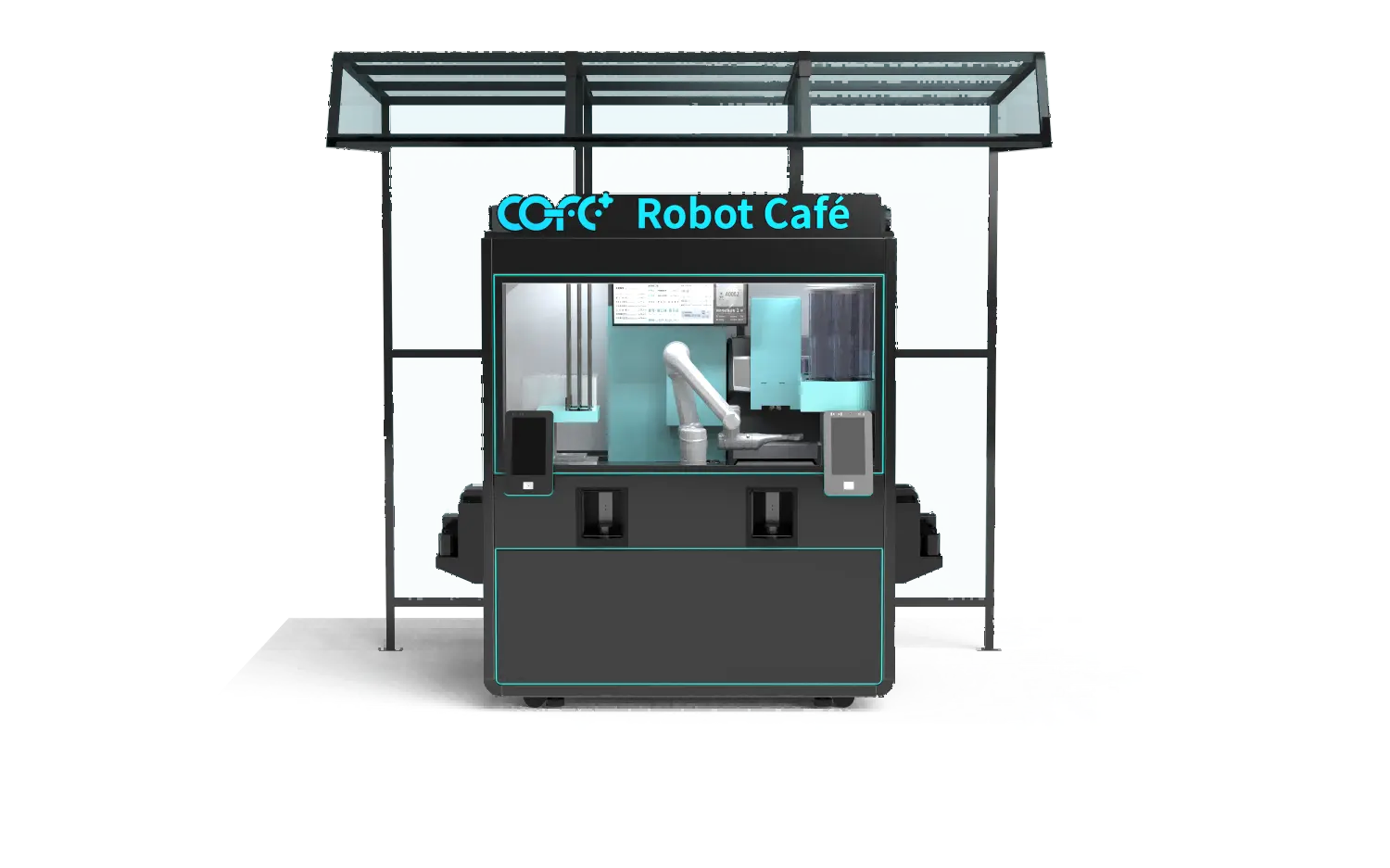
Outdoor deployments extend this flexibility further. The COFE+ robot coffee kiosk outdoor version operates from -20°C to 45°C with IP54-rated dust and water resistance. Parks, gas stations, stadium perimeters, and tourist attractions become viable coffee locations without the infrastructure investment a permanent structure would require.
The failure mode for traditional cafés often involves overestimating location quality. A robot kiosk allows operators to validate demand empirically before scaling, which fundamentally changes the risk calculus for multi-unit expansion.
Equipment certification matters more than operators initially realize. Food safety compliance varies by jurisdiction, and importing uncertified equipment can result in customs delays, installation refusals, or liability exposure. COFE+ units carry FDA, CE, UKCA, KC, and SASO certifications covering over 18 developed countries, which simplifies deployment across diverse regulatory environments.
| Certification | Coverage Region | Relevance |
|---|---|---|
| FDA | United States | Food contact materials, safety |
| CE | European Union | Machinery, electrical safety |
| UKCA | United Kingdom | Post-Brexit compliance |
| KC | South Korea | Electrical and safety standards |
| SASO | Saudi Arabia, GCC | Regional import requirements |
After-sales support is the other factor that separates successful deployments from frustrating ones. Cloud-based remote diagnostics allow technicians to identify issues before they cause downtime, and automatic repair dispatch minimizes service interruptions. Operators should confirm response time commitments and spare parts availability before signing purchase agreements.
For those exploring distributor wanted opportunities, territory rights and support infrastructure are negotiation points that affect long-term profitability as much as equipment pricing.
The business case for robot coffee kiosks rests on a simple premise: labor is expensive, unpredictable, and increasingly difficult to secure, while automation delivers consistent quality at a fraction of the cost. For operators willing to rethink traditional café assumptions, 24-hour unattended service opens revenue windows that staffed models cannot reach.
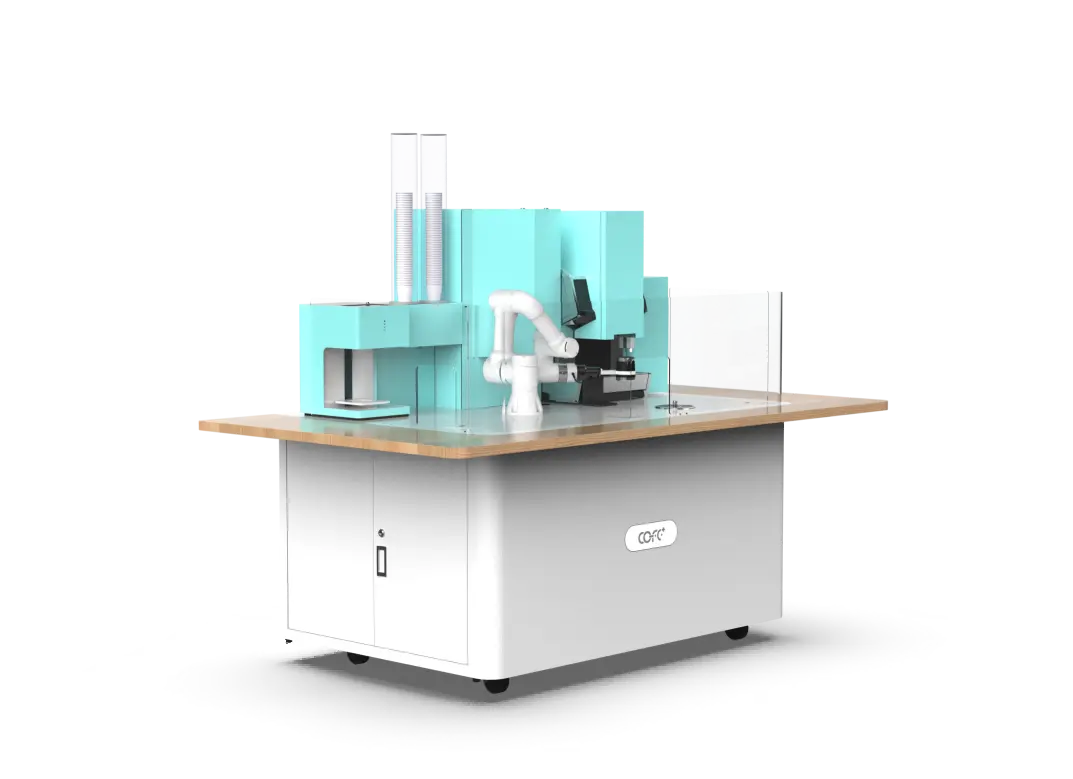
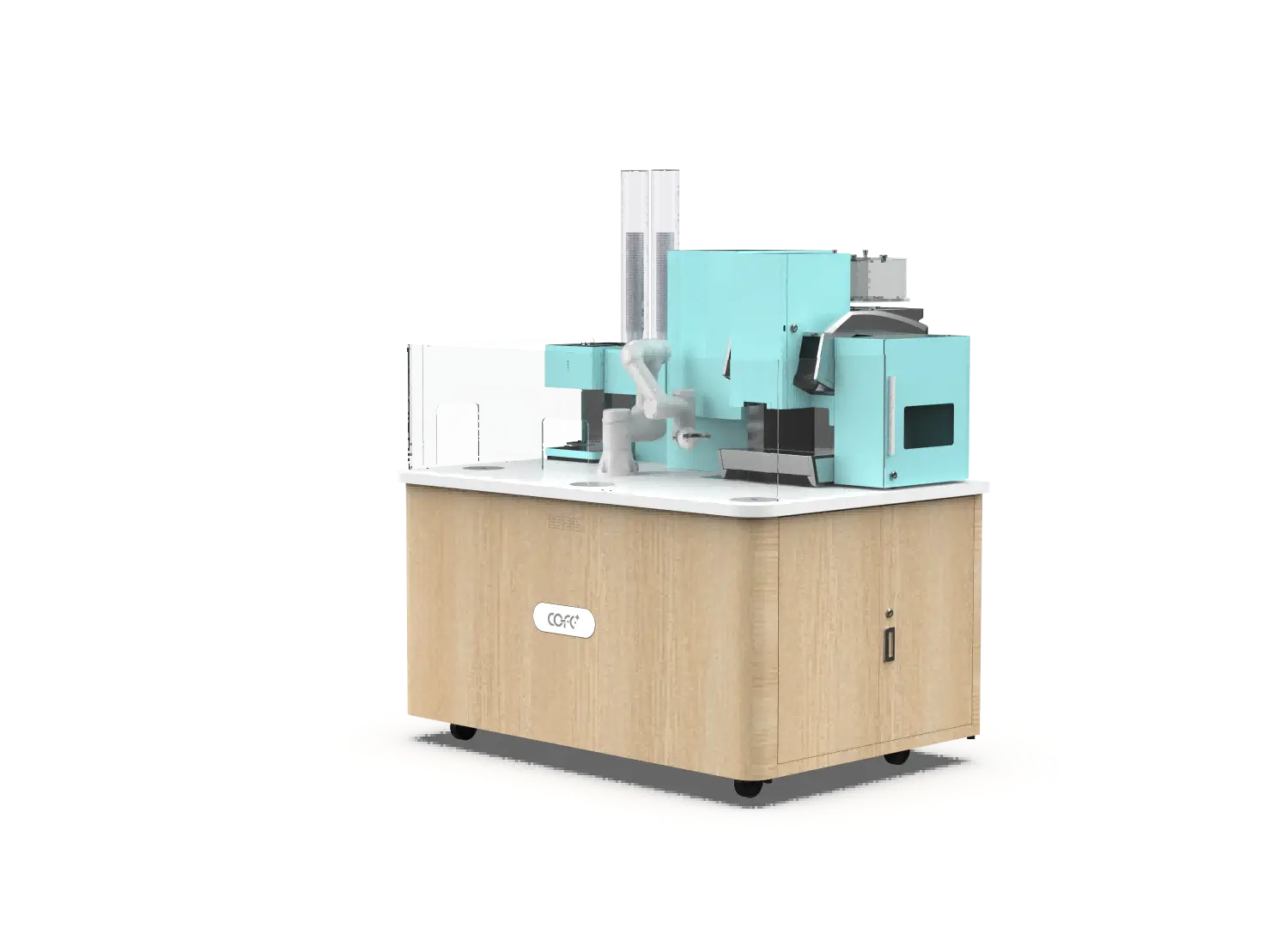
The next step is matching your target locations to the right equipment format. Indoor kiosks suit controlled environments like malls, offices, and airports. Outdoor units handle parks, gas stations, and open-air venues. The robot coffee bar and robot coffee counter formats work for hospitality and premium retail settings where the visual experience matters as much as the coffee itself.
If you are evaluating locations, calculating ROI scenarios, or comparing equipment specifications, send your site details and volume projections to sales@hi-dolphin.com or call +86 131 6630 1290. We can share deployment data from comparable locations and help you model payback timelines before you commit capital.
The COFE+ 7th Generation unit can produce approximately 1,000 cups per day under continuous operation, with each cup taking 43 to 60 seconds. Actual daily volume depends on location foot traffic and demand distribution across hours. High-traffic transit hubs and 24-hour facilities typically see 200 to 400 cups daily, while office lobbies may average 80 to 150. If your location has concentrated peak hours rather than steady traffic, it is worth modeling hourly capacity against expected demand to avoid queue buildup during rush periods.
Cloud-based monitoring tracks system status continuously, including temperature, stock levels, and component performance. When anomalies occur, the system triggers automatic alerts and can initiate remote diagnostics before on-site intervention becomes necessary. For hardware failures requiring physical repair, service level agreements typically specify response windows. Operators should confirm after-sales support terms, including overnight coverage, before finalizing equipment purchases.
COFE+ units support both 110V and 220V electrical systems, which covers most commercial environments globally. Water supply requirements depend on the installation type; some units connect to building water lines while others operate with refillable reservoirs. Drainage is typically handled through enclosed waste systems that prevent spills and odors. Before selecting a location, confirm electrical capacity and water access to avoid installation delays.
The system supports white-label branding, custom flavor profiles, and region-specific recipes. Operators can adjust menu offerings, pricing, and promotional displays through the cloud management platform. This flexibility allows franchisees and multi-unit operators to maintain brand consistency while adapting to local preferences. Share your branding requirements and target menu when requesting a quote to confirm customization scope.
Digitized recipes ensure identical extraction parameters across every cup, eliminating the variability that comes with human baristas having good days and bad days. The system uses fresh-ground beans with champion-level precision, and the 3D latte art and robotic foam art features produce visual results that match or exceed manual techniques. Consistency at scale is the operational advantage: cup 300 tastes exactly like cup 1, which is something even skilled baristas cannot guarantee during a busy shift. If quality benchmarking matters for your decision, request a demonstration unit to evaluate output against your standards.
National Restaurant Association — 2024 State of the Restaurant Industry Report, 2024
TL;DR — COFE+ is a fully automated robotic coffee kiosk that grinds fresh beans, brews espresso and lattes, creates latt……
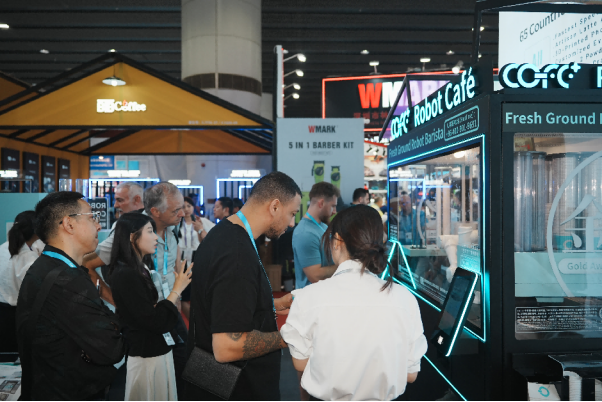
7th-Genertion Smart Robot Coffee Kiosk Arrives at the Belt and Road Core Hub, Ushering in a New Service Era Along t……
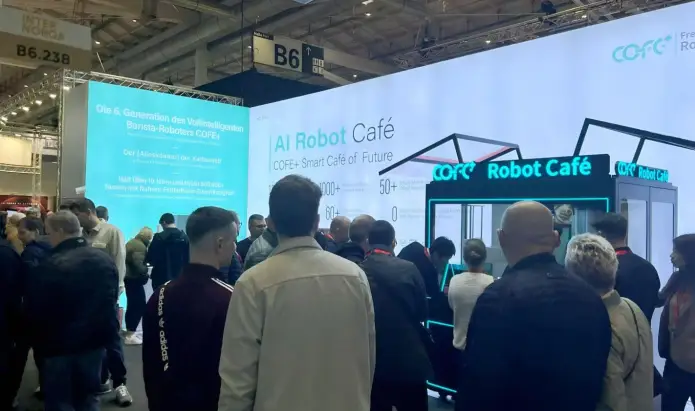
CHICAGO, May 12, 2026 (GLOBE NEWSWIRE) – Shanghai Hi-Dolphin Robot Technology today announced the U.S. debut of its 7th‑……