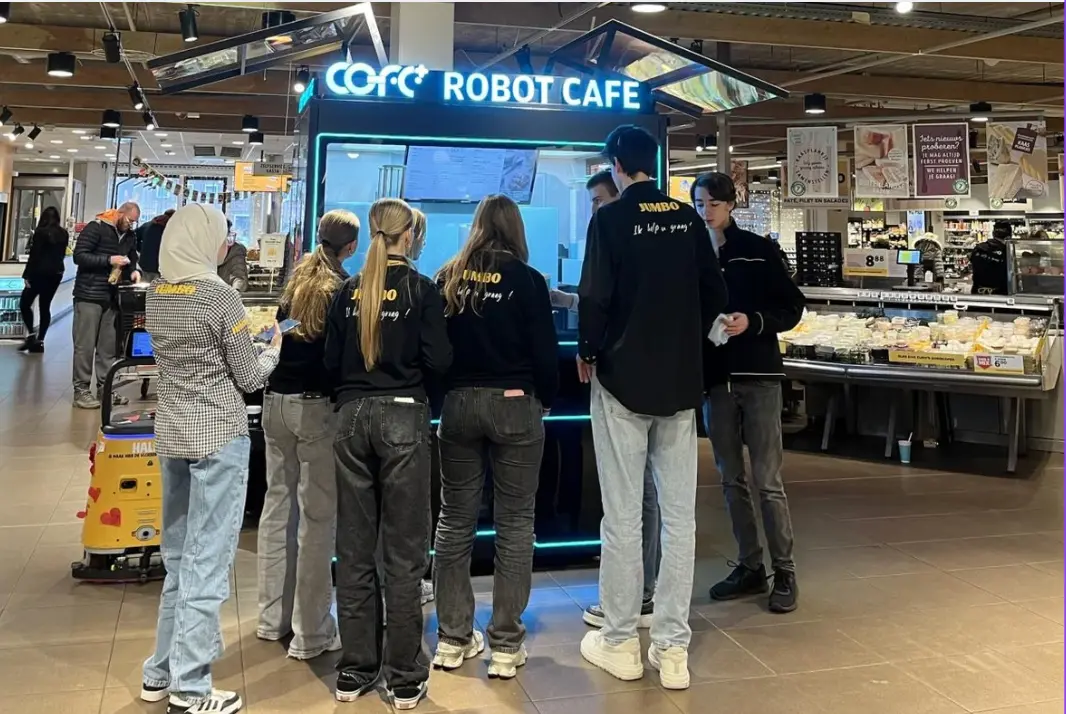
The Rise of Professional Robotic Café Technology: What COFE+ Is and Why It Matters
TL;DR — COFE+ is a fully automated robotic coffee kiosk that grinds fresh beans, brews espresso and lattes, creates latt……

Deploying a robot coffee kiosk is a strategic move in unattended retail, but choosing between indoor and outdoor models goes beyond simple location preference. The decision requires careful evaluation of environmental resilience, operational demands, and your target customer base. Getting this right directly affects return on investment and how well automated coffee solutions integrate into different commercial settings.
Robot coffee kiosks deliver automated beverage service, but their design and capabilities vary significantly based on where they will operate. Indoor robot barista units are built for controlled climates, emphasizing compact footprints and smooth integration with existing interior layouts. Outdoor autonomous coffee machines are engineered to handle external conditions, with durability and security taking priority over aesthetics.
This fundamental difference shapes everything from construction materials to software features. The unattended retail market has moved toward specialized solutions for specific environments, and robotics in food service continues to evolve with tailored options for different business needs.
| Feature | Indoor Robot Coffee Kiosk | Outdoor Robot Coffee Kiosk |
|---|---|---|
| Environment | Climate-controlled interiors | Exposed to weather elements |
| Footprint | Often compact, designed for space optimization | May require more robust housing, potentially larger |
| Durability | Focus on aesthetics, internal component protection | Weatherproof, UV-resistant, anti-vandalism features |
| Power Needs | Standard electrical outlets, stable supply | May require specialized power solutions, backup options |
| Connectivity | Typically relies on existing indoor Wi-Fi | Requires robust, stable outdoor connectivity |
| Security | Integrated into building security, less physical risk | Enhanced physical security, surveillance, anti-theft |
| Maintenance | Routine internal checks, less external wear | Regular checks for environmental damage, more frequent |
| Target Locations | Offices, malls, hotels, airports | Parks, streets, stadiums, gas stations |
The COFE+ 7th Generation Smart Coffee Robot Kiosk, designed for indoor use, occupies just 2.35 m², making it well suited for space-constrained environments like hotel lobbies or corporate offices. The COFE+ 7th Generation Outdoor Smart Coffee Robot Kiosk is built for all-weather operation, functioning from -20°C to 45°C with IP54-rated dust and water resistance.
Environmental factors have a direct impact on the performance and longevity of robot coffee machines, particularly for outdoor deployments. Outdoor kiosks face temperature extremes, precipitation, UV radiation, and potential wind damage. This requires specialized engineering: robust casing, advanced insulation, and anti-condensation systems.
Weatherproofing for outdoor kiosks is essential for continuous operation and protecting internal components. Vandalism protection becomes a critical consideration as well, often involving reinforced structures, security cameras, and tamper-proof designs. Security for unattended kiosks in public spaces demands a multi-layered approach.
Outdoor models like the COFE+ 7th Generation Outdoor consistently perform within their specified -20°C to 45°C range, which contributes directly to their projected 10-year lifespan and 500,000+ cup durability. This resilience ensures a consistent revenue stream even in challenging climates. Investing in these protective features upfront significantly reduces long-term maintenance costs and potential repair expenses.
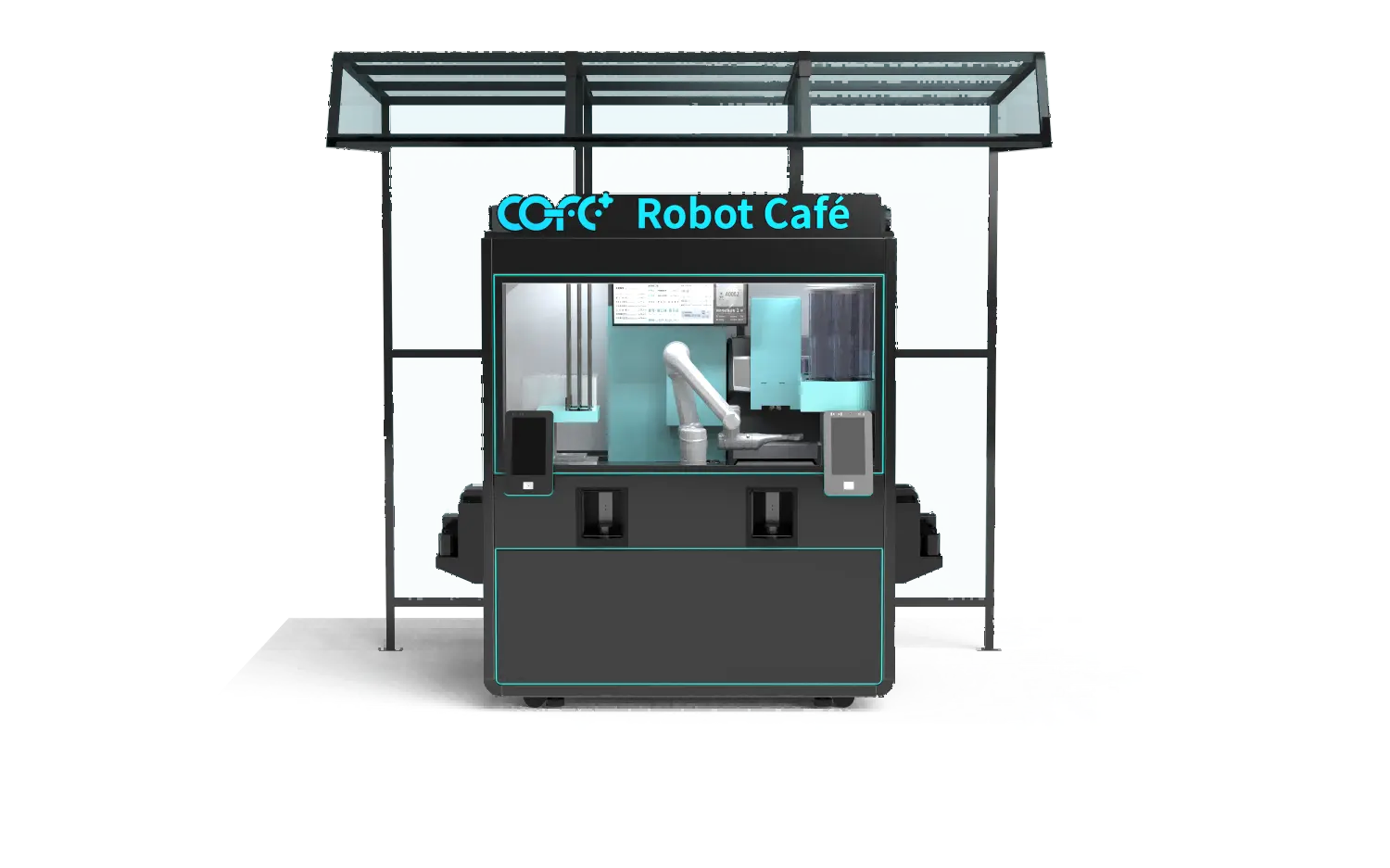
| Environmental Challenge | Impact on Kiosk Performance | Essential Kiosk Features |
|---|---|---|
| Temperature Extremes | Component stress, beverage temperature control | Climate control, insulation, wide operating range |
| Precipitation | Water ingress, electrical shorts | IP-rated enclosures, sealed components, drainage |
| UV Radiation | Material degradation, color fading | UV-resistant coatings, durable exterior materials |
| Dust and Debris | Clogging, reduced air circulation | Sealed compartments, air filtration systems |
| Wind and Impact | Structural damage, tipping hazards | Heavy-duty construction, secure anchoring, anti-vandal |
Extreme temperatures strain internal mechanisms, while moisture and dust cause corrosion or malfunctions. UV exposure degrades external finishes and electronic components over time. Robust weatherproofing, including IP54 ratings and anti-condensation systems, maintains performance and durability, ensuring consistent service and minimizing downtime.
Operational efficiency for robot coffee kiosks depends on reliable power, consistent connectivity, and streamlined maintenance protocols. Power requirements vary between models, with outdoor units often needing more robust and stable connections to handle climate control systems and enhanced security features. Connectivity for remote management is essential for any unattended retail solution, enabling real-time monitoring of stock levels, sales data, and system diagnostics.
The COFE+ 7th Generation Indoor Kiosk, with its cloud monitoring and automatic cleaning, demonstrates how advanced IoT and AI systems streamline remote management and predictive maintenance. This level of automation reduces the need for constant human oversight. A well-implemented remote diagnostic system can reduce maintenance response times by 30%, directly impacting the scalability of robot coffee business operations.
Operational costs for outdoor robot coffee kiosks tend to run higher due to increased energy consumption for climate control and more frequent maintenance for weather-related wear. Enhanced security measures and specialized cleaning for outdoor environments also add to expenses. Indoor kiosks benefit from stable environments, leading to lower utility bills and less intensive maintenance requirements.
Strategic placement is critical for maximizing profitability and customer engagement. Kiosk placement strategy involves detailed analysis of foot traffic, ensuring high visibility and accessibility.
For indoor units, locations within office buildings, shopping malls, airports, and universities offer captive audiences and consistent demand. Space optimization for indoor kiosks means selecting units with compact footprints. The COFE+ 7th Generation Robot Coffee Bar transforms from 2 m² to a 4-seat cafe, fitting seamlessly into existing layouts.
Outdoor placements target high-traffic public spaces: parks, city streets, stadiums, and tourism sites. These areas provide opportunities for brand visibility and cater to broader customer demographics. Security for unattended kiosks in open environments requires careful planning, including robust physical protection and integrated surveillance. Customer experience automation remains central to both indoor and outdoor deployments, ensuring quick, consistent, and enjoyable interactions regardless of setting.
If your deployment involves high-traffic outdoor locations with variable weather conditions, it is worth discussing weatherproofing specifications and maintenance schedules before committing to a particular model.
Navigating regulatory compliance is a significant aspect of deploying robot coffee kiosks, particularly for outdoor vending. Permits for outdoor vending often involve local zoning laws, health department regulations for food kiosks, and public space usage agreements. Hygiene standards for food kiosks are stringent across all environments, but outdoor units face additional challenges related to pest control and environmental contaminants.
Hi-Dolphin’s extensive certification portfolio simplifies compliance for global deployment, holding over 50 certifications for more than 18 developed countries, including FDA, CE, UKCA, KC, and SASO.
Deploying an outdoor automated coffee kiosk typically requires business licenses, health department approvals for food service, and potentially specific permits for operating in public spaces or on private property. Local zoning ordinances, electrical safety certifications, and waste disposal regulations must also be met. These requirements vary by jurisdiction, making thorough local research essential before deployment.
| Aspect | Indoor Kiosk Compliance and Investment | Outdoor Kiosk Compliance and Investment |
|---|---|---|
| Permits and Licenses | Standard business, health permits | Additional public space, outdoor vending permits |
| Health Regulations | Standard food safety, internal hygiene | Enhanced pest control, weather protection hygiene |
| Zoning | Typically simpler, integrated into existing venues | Complex, specific outdoor commercial zones |
| Security Costs | Lower, often relies on building security | Higher, includes anti-vandalism, surveillance |
| Insurance | Standard commercial liability | May require specialized outdoor liability |
| ROI Factors | Consistent foot traffic, lower operational costs | High volume, extended hours, higher initial cost |
From an investment perspective, the return on investment for robot kiosks can be attractive due to reduced labor costs and 24/7 operational capability. The initial capital expenditure for outdoor units might be higher due to enhanced durability and security features, but this is often offset by access to high-volume locations and extended operating hours.
How does weather affect outdoor robot coffee kiosks?
Outdoor robot coffee kiosks require specialized weatherproofing and durable materials to withstand extreme temperatures, rain, and UV exposure. This ensures continuous operation and prevents damage, affecting maintenance schedules and overall longevity. Advanced engineering protects internal components from environmental wear, maintaining beverage quality and machine reliability in diverse climates.
What security measures are essential for unattended kiosks?
Robust security is paramount for unattended kiosks, including anti-vandalism features, surveillance cameras, and secure cash and payment systems. This protects the investment and ensures customer safety, especially for outdoor autonomous coffee machine deployments. Remote monitoring and alarm systems provide immediate alerts for any tampering or unusual activity.
Can robot coffee kiosks be customized for specific brand aesthetics?
Many robot coffee kiosk providers offer customization options for branding, exterior design, and menu offerings. This allows businesses to integrate automated coffee machines seamlessly into existing brand identity and location aesthetics. Customization extends to digital interfaces and beverage recipes, providing a unique customer experience aligned with brand values.
What is the typical ROI period for a robot coffee kiosk?
The return on investment for a robot coffee kiosk varies based on location, foot traffic, operational efficiency, and initial setup costs. Reduced labor expenses and 24/7 availability often contribute to a faster payback period compared to traditional coffee shops. Many operators report achieving ROI within 6 to 12 months. To discuss specific requirements or explore a tailored robot coffee kiosk strategy for your location, contact us at sales@hi-dolphin.com or +86 131 6630 1290.
TL;DR — COFE+ is a fully automated robotic coffee kiosk that grinds fresh beans, brews espresso and lattes, creates latt……
7th-Genertion Smart Robot Coffee Kiosk Arrives at the Belt and Road Core Hub, Ushering in a New Service Era Along t……
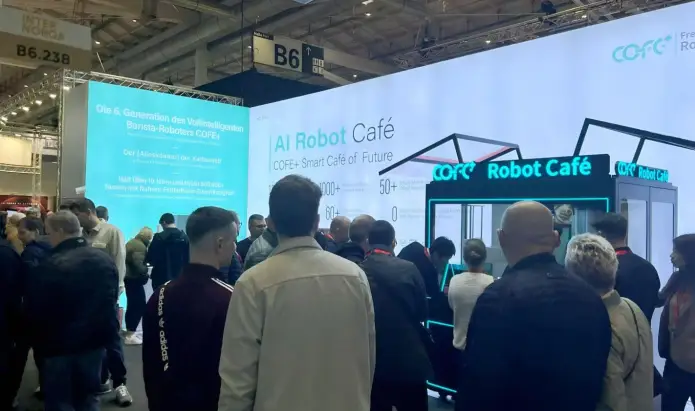
CHICAGO, May 12, 2026 (GLOBE NEWSWIRE) – Shanghai Hi-Dolphin Robot Technology today announced the U.S. debut of its 7th‑……