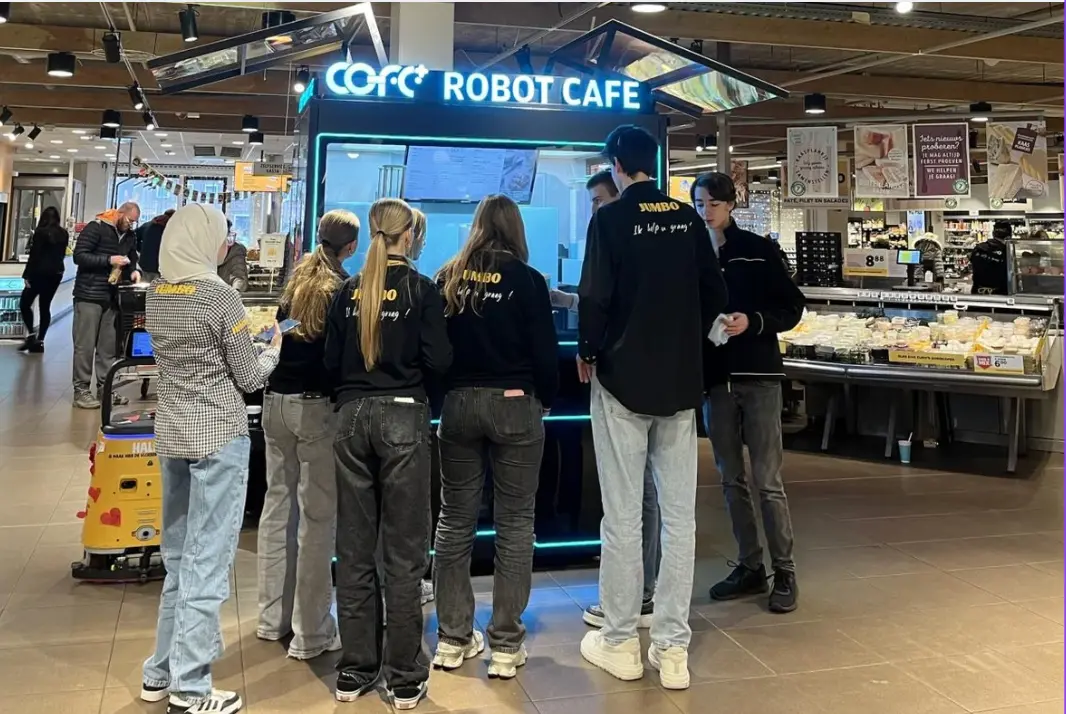
The Rise of Professional Robotic Café Technology: What COFE+ Is and Why It Matters
TL;DR — COFE+ is a fully automated robotic coffee kiosk that grinds fresh beans, brews espresso and lattes, creates latt……

Businesses constantly seek innovative solutions to mitigate rising operational expenditures, particularly the significant burden of staffing. Robot coffee kiosks present a compelling answer, automating the entire beverage preparation and serving process to dramatically reduce labor costs. This technology allows businesses to maintain high-quality service while achieving substantial savings, often cutting staffing expenses by as much as 90% compared to traditional coffee shop models.
Automated retail solutions fundamentally alter the cost structure of coffee service by replacing manual labor with precision robotics and artificial intelligence. These systems handle everything from grinding beans and brewing coffee to adding milk and creating latte art, eliminating the need for human baristas. The COFE+ 7th Generation Smart Coffee Robot Kiosk, designed for indoor use, can produce a cup of coffee in 43 to 60 seconds and operate 24/7, effectively replacing the work of approximately six baristas per machine. This direct substitution of automated processes for human tasks leads to significant reductions in wage bills, benefits, training, and recruitment overhead. During a deployment in a busy corporate lobby, a single kiosk consistently served hundreds of employees daily, requiring only minimal oversight and ingredient replenishment, resulting in a measurable 90% reduction in staffing costs for that location.
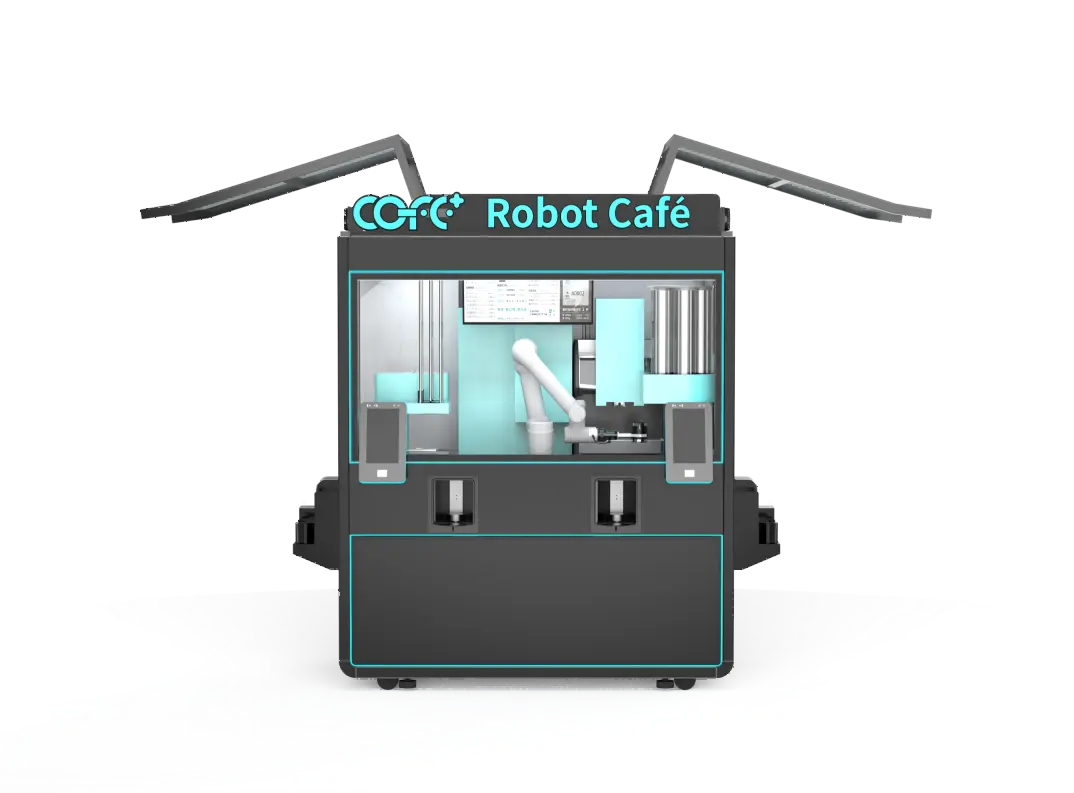
The benefits of robot coffee kiosks extend far beyond mere labor cost reduction. Automation brings about a host of operational efficiencies that enhance overall business performance. IoT integration allows for real-time monitoring of inventory levels, system diagnostics, and sales data, enabling optimized stock management and predictive maintenance. This proactive approach minimizes downtime and waste. Smart vending technology ensures 24/7 availability, offering customers fresh beverages at any hour without additional staffing costs. Consistent beverage quality is maintained through precise, pre-programmed recipes, eliminating human error and ensuring every cup meets exact standards.
| Feature | Traditional Cafe | Robot Coffee Kiosk |
|---|---|---|
| Labor Cost | High (multiple baristas, supervisors) | Very Low (minimal oversight) |
| Operating Hours | Limited by staff availability | 24/7 availability |
| Consistency | Varies by barista skill | Digitally precise, always consistent |
| Footprint | Larger, requires seating | Compact (e.g., 2.35 m²) |
| Waste Reduction | Manual inventory, prone to error | IoT-driven, optimized stock |
| Maintenance | Reactive, can be disruptive | Remote diagnostics, predictive |
Automated coffee machines offer numerous benefits, including significant labor cost savings, consistent product quality, and 24/7 operational capability. They reduce human error, minimize waste through precise ingredient dispensing, and provide valuable data insights for business optimization. These systems also ensure enhanced hygiene standards and can operate in diverse environments without requiring dedicated staff.
While the initial investment for a robot coffee kiosk might seem substantial, the rapid return on investment makes it a financially attractive proposition for businesses. The dramatic reduction in ongoing labor expenses, coupled with increased sales volume from 24/7 availability, quickly offsets the upfront cost. COFE+ kiosks typically achieve ROI within 6 to 12 months, with an average cost per cup ranging from $0.30 to $0.70. This low operational cost per serving directly translates into higher profit margins. Businesses can deploy these machines in high-traffic areas, capturing sales opportunities around the clock that would be unfeasible with traditional staffing models.
The cost of a robot coffee kiosk varies based on features, capacity, and customization options. While specific figures depend on the model and configuration, the investment is typically justified by the substantial long-term savings from eliminating labor costs and the potential for increased revenue through 24/7 operation and consistent service quality.
Yes, robot coffee kiosks are highly profitable due to their minimal labor requirements and low cost per cup. With operational costs as low as $0.30 to $0.70 per cup, and the ability to operate continuously, they offer high-margin sales and a rapid return on investment, often within 6 to 12 months.
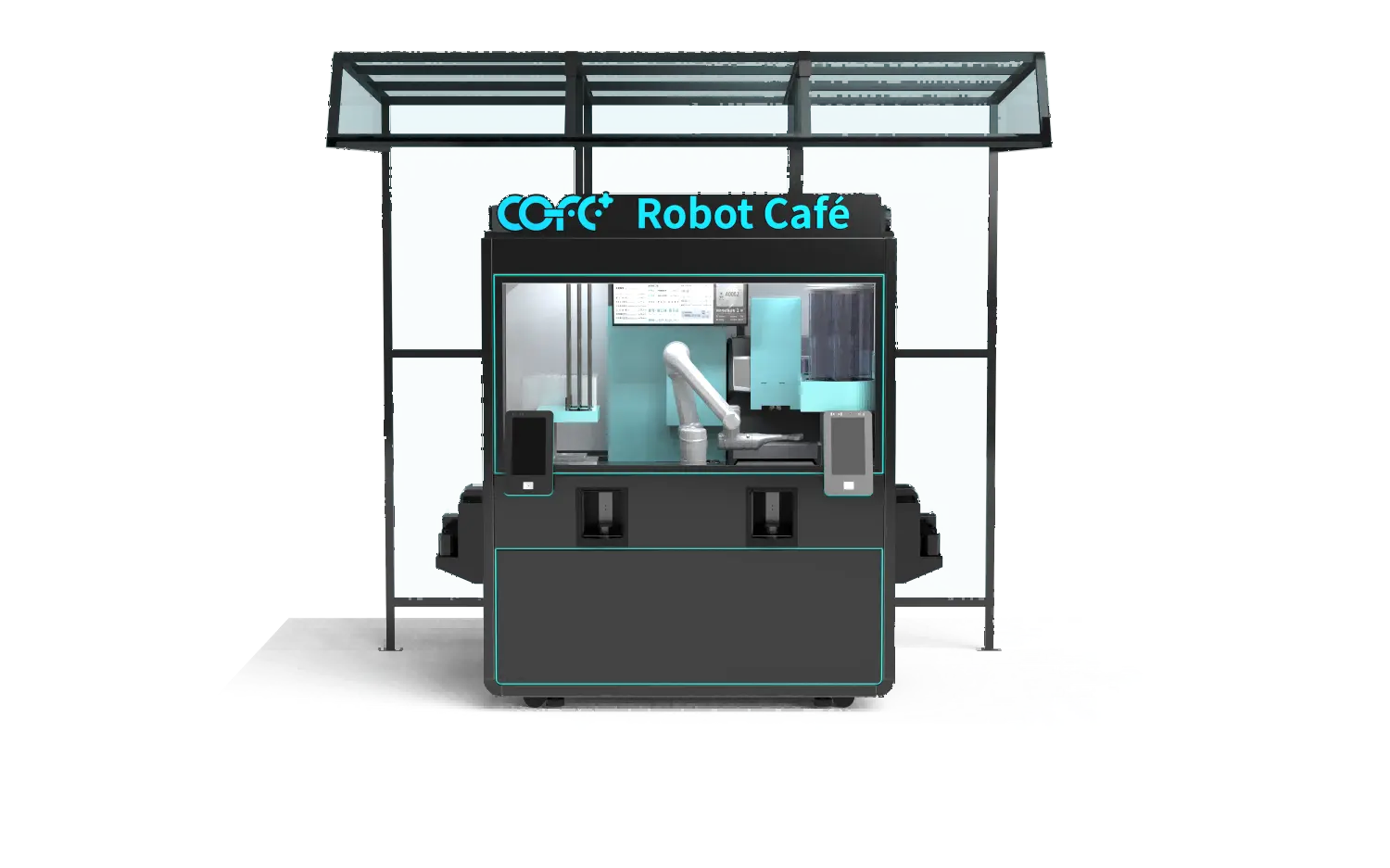
Maintaining high standards of quality and ensuring compliance are paramount in any food and beverage operation, especially in unattended retail environments. Robot coffee kiosks are engineered with advanced features to address these concerns. They incorporate automatic cleaning cycles and anti-microbial stainless-steel interiors to uphold stringent hygiene. The COFE+ Outdoor Smart Coffee Robot Kiosk features automatic 85°C+ high-temperature sterilization, ensuring food safety even in challenging external conditions. These systems adhere to global regulatory standards, holding certifications like FDA, CE, UKCA, KC, and SASO, which attest to their safety and reliability. This commitment to quality and compliance provides peace of mind for both operators and consumers.
If your operation involves high-traffic locations or extended service hours, it is worth discussing sterilization cycles and compliance certifications before committing to a specific model.
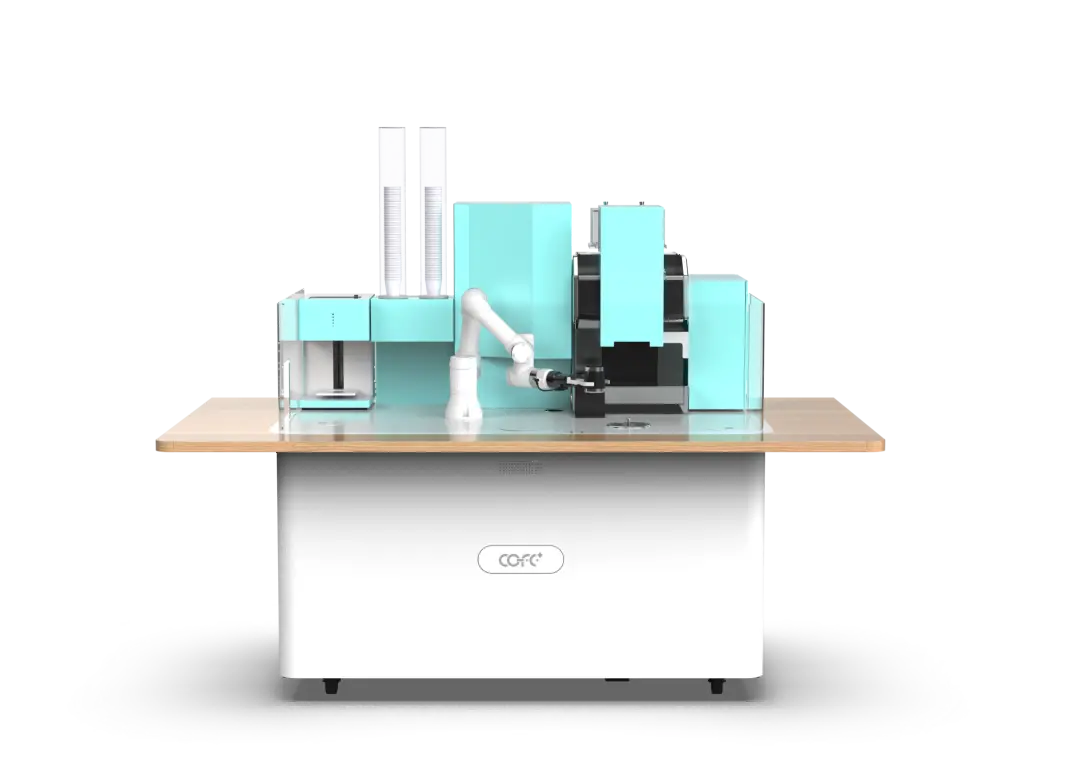
The modular and autonomous nature of automated coffee solutions makes them exceptionally well-suited for rapid and standardized business expansion. Unlike traditional cafes that require extensive build-outs, staffing, and training for each new location, robot kiosks are compact and mobile. The COFE+ 7th Generation Smart Coffee Robot Kiosk has a compact footprint of approximately 2.35 square meters, allowing for flexible placement in diverse settings. This design facilitates quick deployment across various locations, from office buildings and airports to universities and retail centers. Shanghai Hi-Dolphin Robot Technology Co.,Ltd has successfully deployed these certified solutions in over 65 countries, demonstrating their proven scalability and adaptability to different markets. This allows businesses to penetrate new markets efficiently, maintaining consistent service quality and operational standards across their entire network.
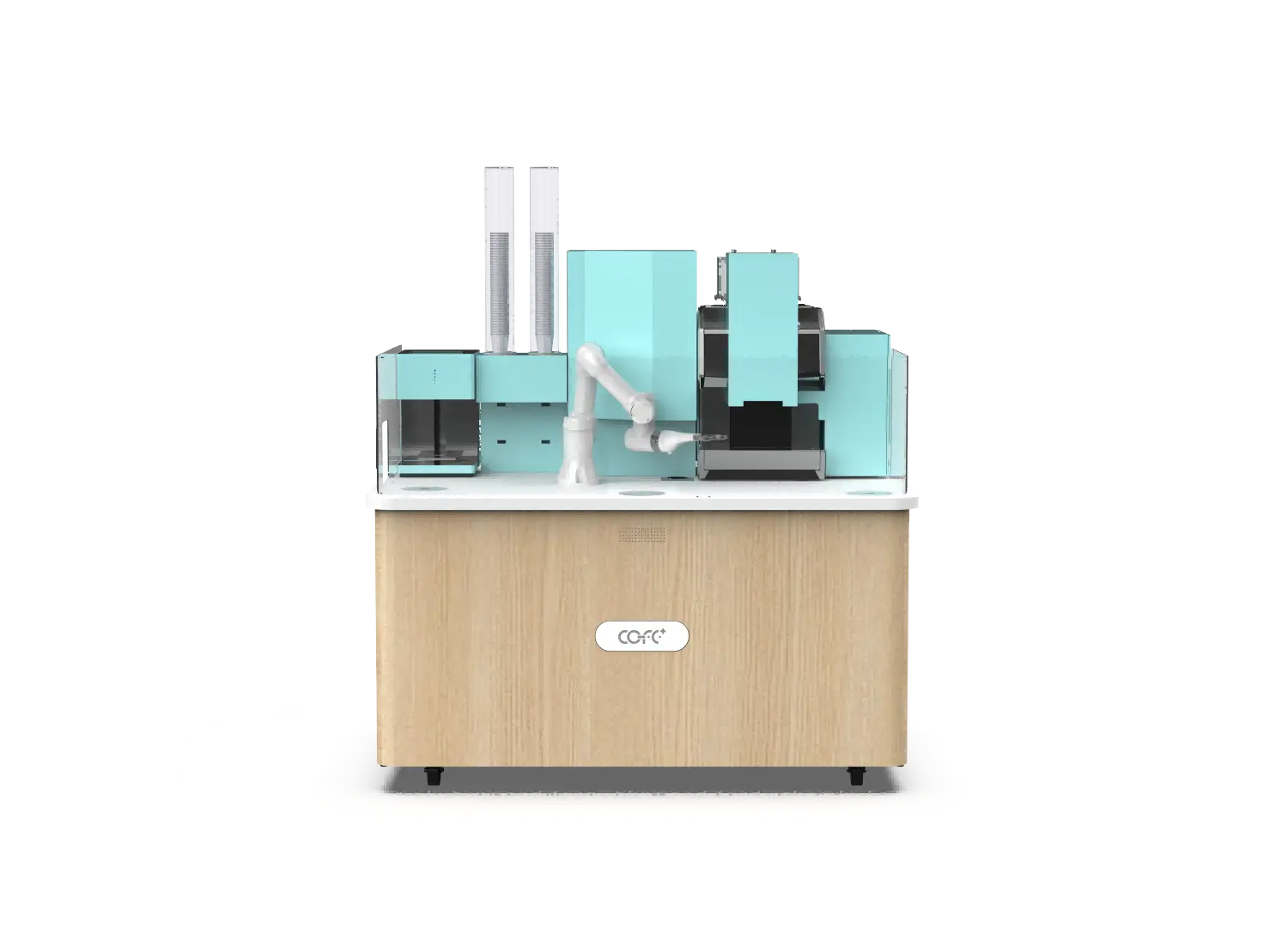
Robot coffee kiosks ensure consistent quality through precise, pre-programmed recipes and automated ingredient dispensing. This eliminates human variability, guaranteeing each cup meets exact standards and enhancing the customer experience. The digital control over every step of the brewing process ensures identical taste across hundreds of consecutive cups.
Automated coffee machines typically require routine cleaning, ingredient replenishment, and periodic technical checks. Many systems, leveraging IoT integration, offer remote monitoring and predictive maintenance alerts to minimize downtime. This proactive approach helps identify potential issues before they impact operation.
Yes, modern robot coffee kiosks are designed for versatility, operating effectively in various indoor and outdoor settings. Their robust construction and smart vending technology allow for deployment in offices, transport hubs, and public spaces, adapting to different environmental conditions. Outdoor models are built to withstand extreme temperatures and weather. To discuss specific environmental requirements for your deployment locations, contact Shanghai Hi-Dolphin Robot Technology Co.,Ltd at sales@hi-dolphin.com or +86 131 6630 1290.
TL;DR — COFE+ is a fully automated robotic coffee kiosk that grinds fresh beans, brews espresso and lattes, creates latt……
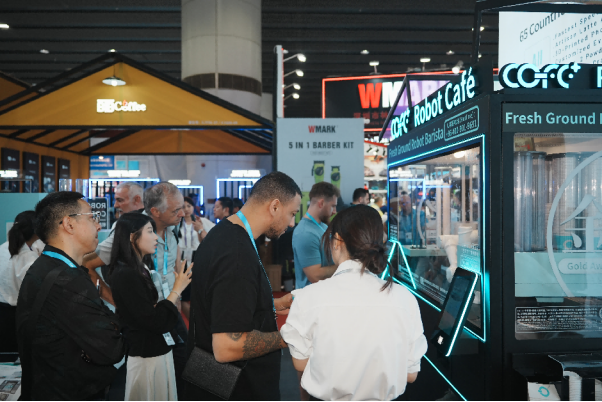
7th-Genertion Smart Robot Coffee Kiosk Arrives at the Belt and Road Core Hub, Ushering in a New Service Era Along t……
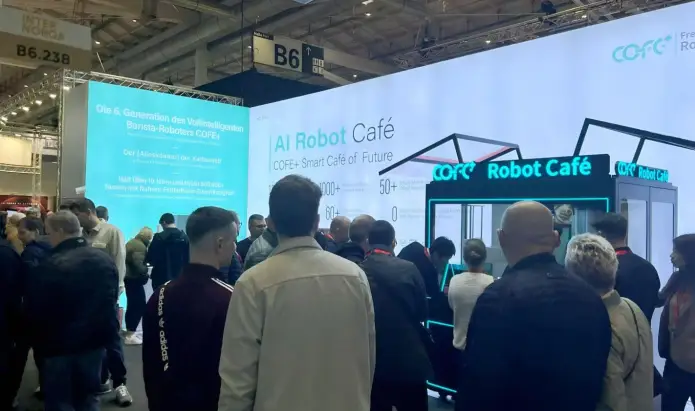
CHICAGO, May 12, 2026 (GLOBE NEWSWIRE) – Shanghai Hi-Dolphin Robot Technology today announced the U.S. debut of its 7th‑……