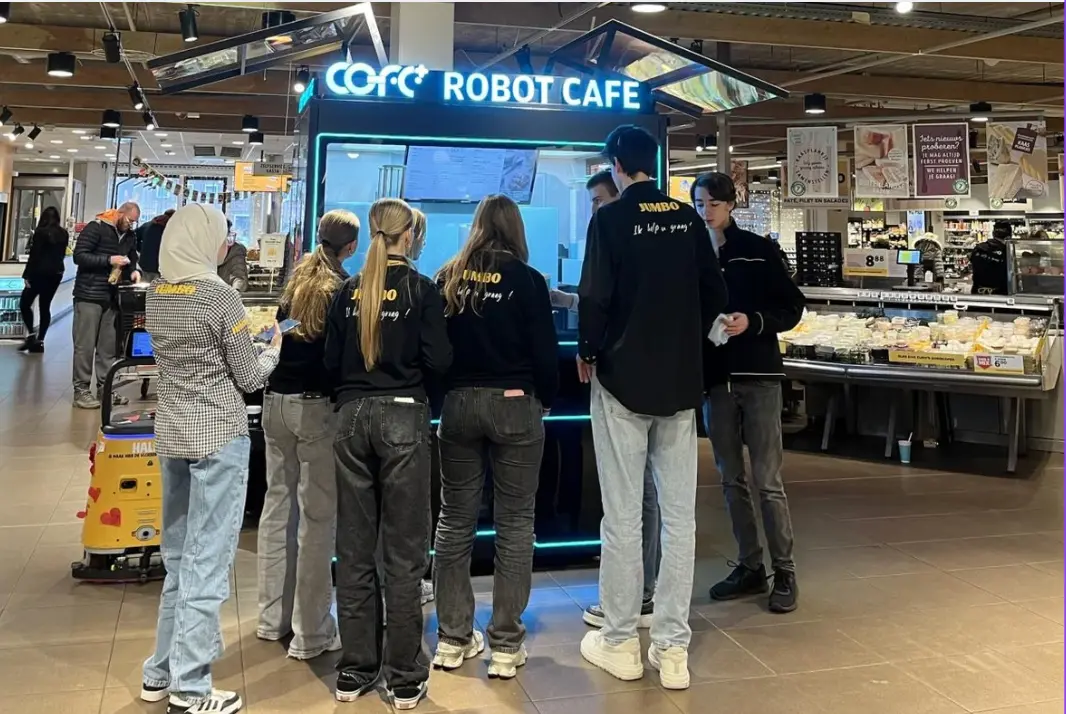
The Rise of Professional Robotic Café Technology: What COFE+ Is and Why It Matters
TL;DR — COFE+ is a fully automated robotic coffee kiosk that grinds fresh beans, brews espresso and lattes, creates latt……

Most site planners evaluate robot coffee kiosk drainage options after they’ve already selected a location, and that sequence costs them. A self-contained water management system eliminates the need for floor drains, plumbing permits, and concrete cutting, while a plumbed connection requires infrastructure that can delay installation by weeks. The difference between the two approaches often determines whether a robot coffee kiosk launches on schedule or sits idle. Having deployed unmanned retail systems across 35 countries, we see site drainage as a decision that should drive location selection, not the other way around.
A robot coffee kiosk generates three types of wastewater: drip tray overflow from cup preparation, condensation from the refrigeration and ice‑making modules, and purge water from the automatic cleaning cycle. For a unit operating 24/7, this adds up to roughly 10–20 liters per day depending on volume and ambient humidity. The core decision is whether the site can handle that water through an existing drain or whether the machine must manage it internally.
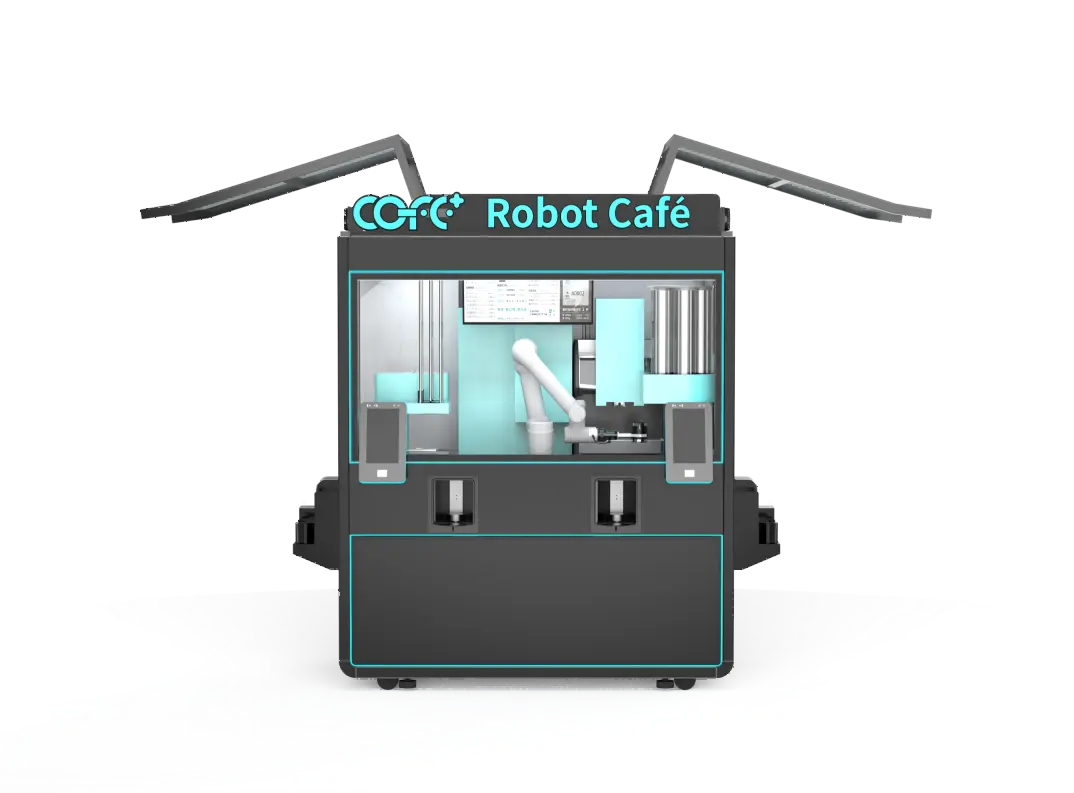
Indoor kiosks placed in shopping malls or office lobbies typically have access to a utility chase or a floor drain within a few meters. The Hi‑Dolphin indoor kiosk uses a gravity‑fed drip tray with an optional pump‑assist line that pushes wastewater to the nearest sanitary connection. In many cases, the unit can be plumbed in under four hours by a local technician, provided a ½‑inch drain line is already roughed in. If the drain is farther, a small lift pump module installed inside the kiosk’s service compartment extends the reach to about 15 meters horizontally.
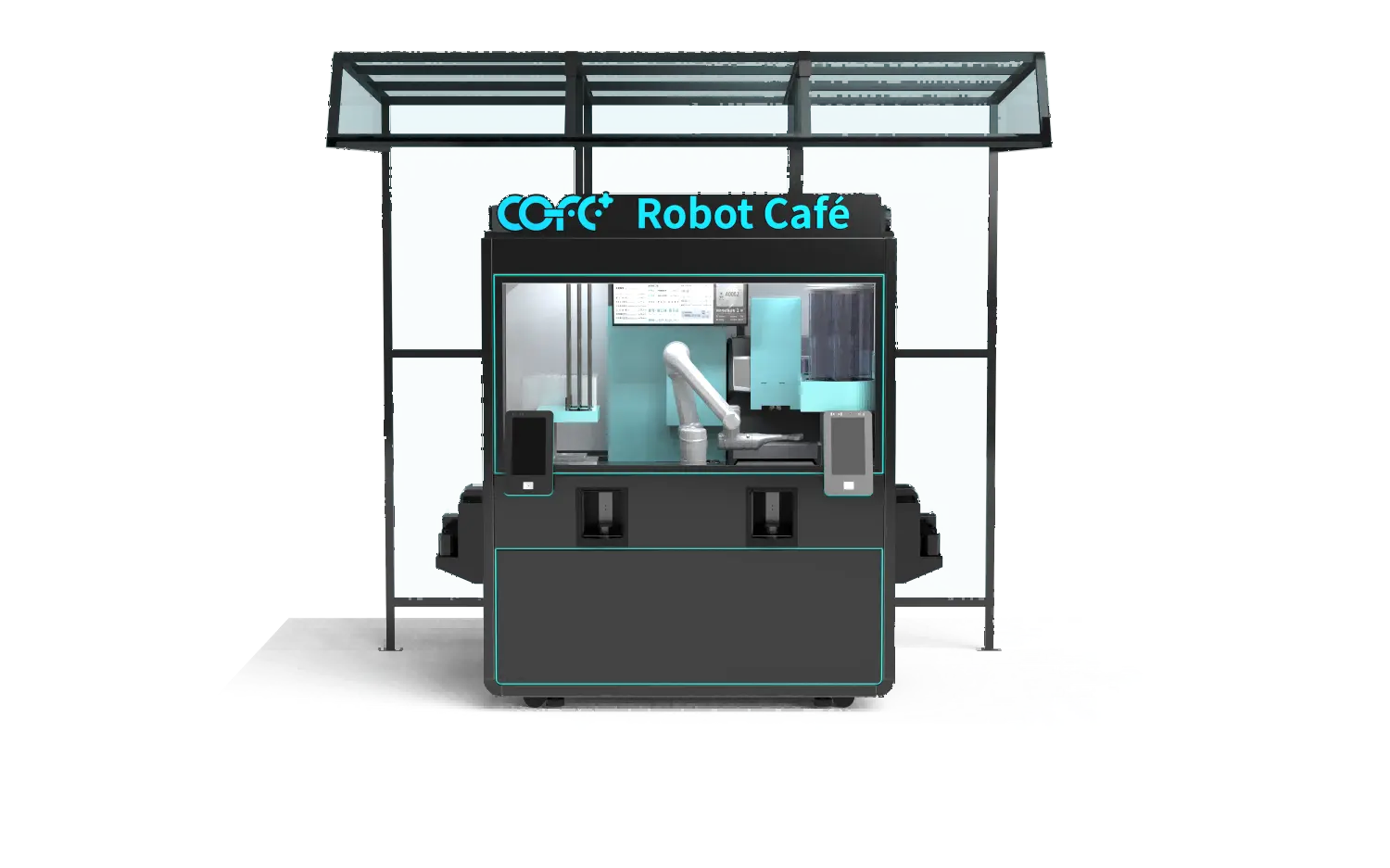
Outdoor installations change the equation completely. No floor drain is guaranteed, and digging into pavement to install one can require landlord approval, engineering drawings, and a shutdown that kills traffic flow. For those sites, the machine must handle drainage without relying on permanent plumbing.
The COFE+ outdoor robot coffee kiosk was designed so operators never need to break ground. Its IP54‑rated enclosure houses a sealed, multi‑stage waste management system that collects all liquid discharge in an internal tank. A high‑level sensor triggers an alert on the cloud monitoring dashboard when the tank reaches 80% capacity, and an automatic lockout prevents the cleaning cycle from running if the waste reservoir is full. That means a service visit to empty the tank—typically once per 24–48 hours for a busy site—is the only routine drainage action.
Condensation in hot coastal markets deserves special attention. In regions like Southeast Asia or the Gulf, a kiosk can produce a surprising amount of moisture just from door‑seal sweating and cold‑brew chilling. The outdoor model counters this with an anti‑condensation heater embedded in the chassis frame and a desiccant breather that equalizes internal humidity without venting liquid outside. Over dozens of installations we’ve managed in Dammam and Jakarta, the condensation control system has eliminated the puddle and rust issues that plague ordinary refrigeration equipment left outdoors.
| Site Type | Recommended Drainage | Typical Prep | Service Interval |
|---|---|---|---|
| Indoor mall with floor drain | Gravity drain + optional pump | 3–4 hours | Weekly cleaning |
| Indoor office without drain | Internal tank with lift pump | 4–6 hours | Tank emptied every 2–3 days |
| Outdoor plaza / park | Fully self‑contained waste tank | None | Tank emptied daily or every other day |
| Gas station / roadside | Self‑contained with overflow prevention | None | Tank monitored via cloud alert |
If your site falls under strict building codes that restrict above‑floor plumbing modifications, a self‑contained system may be your only fast path to operation. Reach out at sales@hi-dolphin.com with your site assessment and we will verify compatibility before you commit to a lease.
Not every indoor space has a drain, and that’s often the surprise that stalls a deployment. I’ve seen operators sign a lease for a prime lobby corner only to discover the nearest drain is 12 meters away behind a finished wall. Running a pipe under the floor would trigger a build‑back requirement and cost more than the kiosk itself.
For these situations, the indoor kiosk can be configured with the same internal tank design used outdoors, minus the weatherproofing. A compact 8‑liter collection bottle snaps into the lower service door, and an external‑view strip shows the level. A staff member or cleaner can swap the bottle in under a minute without any tools or training. The machine’s smart‑store brain logs every bottle change so the operations dashboard tracks refill frequency and predicts when a site needs more frequent visits.
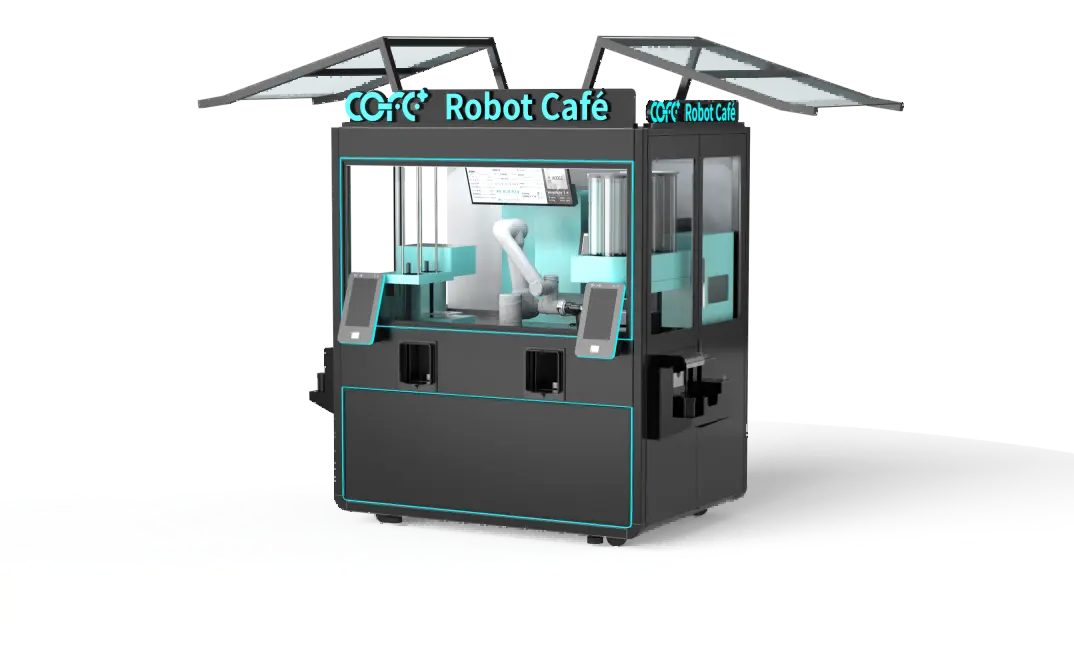
That flexibility changes the site selection math. Instead of limiting locations to those with plumbing, you open up options like hotel lobbies, co‑working lounges, and even covered airport walkways—places with foot traffic but no hospitality infrastructure. The kiosk’s 2.35 m² footprint and self‑contained water management make those spaces viable without a general contractor.
The automatic cleaning sequence onboard every COFE+ kiosk purges fresh water through the brew group and steam wand after a set number of cups or at a scheduled time. That purge water, mixed with trace coffee oils and milk residues, must be captured and drained. In a plumbed setup, a ⅜‑inch flexible line routes it to the same drain as the drip tray. In a tank‑based setup, it flows into a secondary compartment that separates solids with a mesh filter, preventing clogs.
One operational detail that surprises first‑time operators is the cleaning‑cycle volume can be higher in cold weather because the machine runs longer purge times to clear milk lines that thicken at lower temperatures. In Helsinki, our winter pilot site saw a 30% increase in wastewater volume during January and February, which shifted the tank‑empty schedule from every 48 hours to every 36 hours. Factoring seasonal variation into the service plan before launch prevents a full‑tank alert during a peak hour rush.
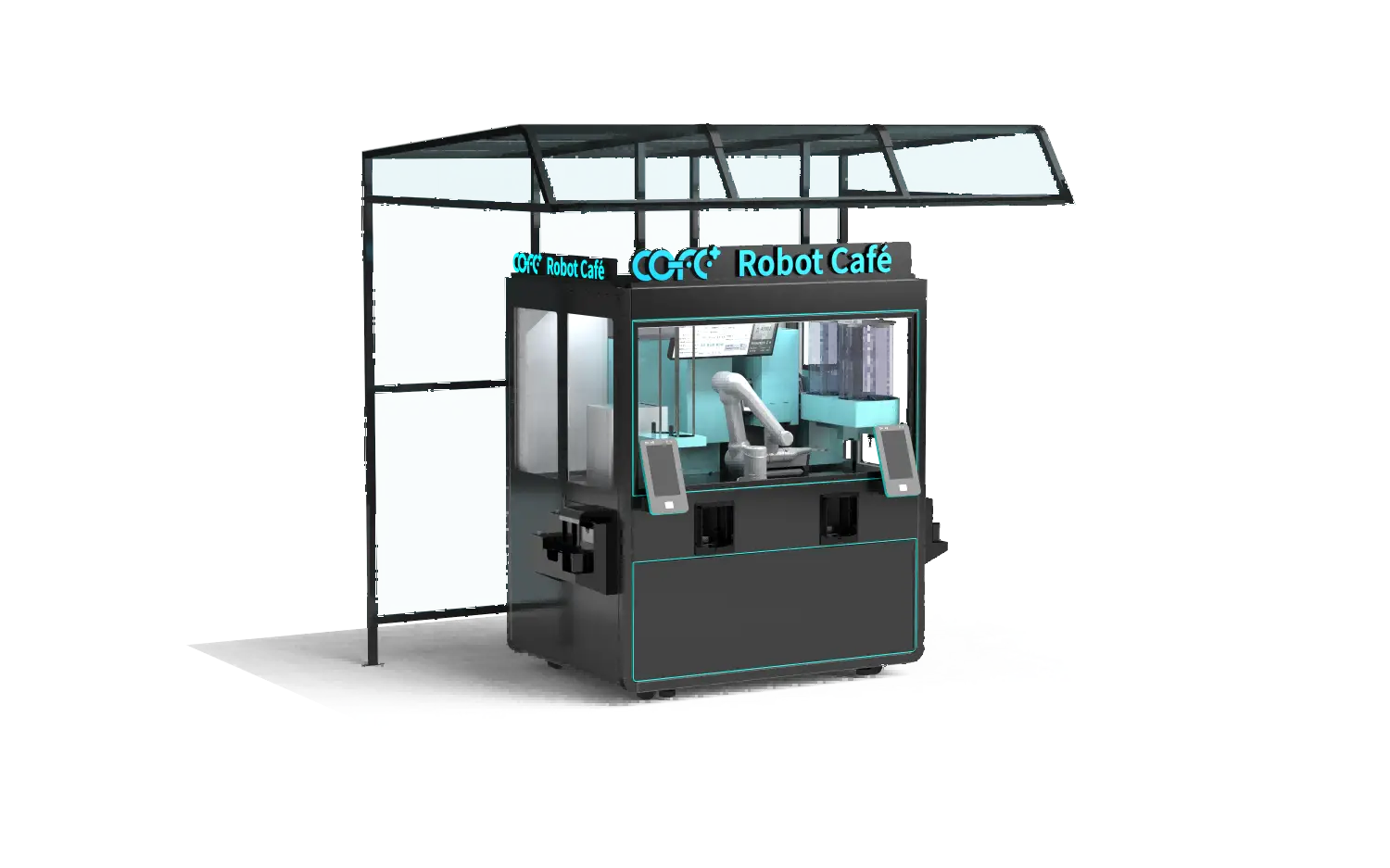
No. The outdoor model functions with zero permanent plumbing. Its internal waste tank and IP54 enclosure manage all liquid discharge without any connection to the ground. That said, if a site happens to have an accessible drain, the kiosk can be optionally plumbed to redirect wastewater and reduce service visits, but it is not a requirement.
Wastewater from the drip tray, cleaning cycle, and condensation collects in a sealed internal tank with a high‑level sensor. When the sensor triggers, the cloud dashboard sends an alert to the operator, and an on‑site service person empties the tank. The process is designed to take under two minutes and requires no special tools. In practice, a busy outdoor kiosk in a Dubai park needs a daily check during summer and every other day in winter.
The outdoor kiosk uses an anti‑condensation heater and a desiccant breather that maintains internal humidity below the dew point. Instead of dripping water onto the ground, moisture is evaporated through the breather or reabsorbed into the environment, so there’s no visible liquid discharge. In installations we’ve monitored in coastal Southeast Asia, the system eliminated the rust rings and slip hazards that ordinary vending machines create.
Yes, provided the building’s load rating supports the unit. The kiosk can run entirely on its internal bottle system, exchanging a collection bottle the same way you would change a water cooler jug. For upper‑floor locations above finished spaces, some operators also install a drip pan under the unit as a secondary precaution, though the sealed design makes leaks extremely unlikely.
The frequency depends on sales volume, climate, and configuration. A moderate‑traffic indoor site with a gravity drain needs no emptying. A high‑traffic outdoor site might need daily visits. The cloud dashboard provides a real‑time level reading, so you never operate on a guess. Most operators assign the task to a cleaner or a local facility staff member who is already visiting the site daily. If your deployment involves a network of kiosks across multiple cities, we can help you design a service route that aligns with your existing logistics. Share your site locations and volume projections at sales@hi-dolphin.com, and we’ll model the ideal service frequency before you deploy your first unit.
Selecting the right drainage setup for your robot coffee kiosk can avoid weeks of construction delay and tens of thousands in unnecessary site preparation. Our team has guided installations in shopping malls, airport plazas, outdoor parks, and hotels across more than 35 countries, so the drainage challenges that slow down a deployment are rarely new to us. Send your site specifications and a few photos of the target location to sales@hi-dolphin.com or call +86 131 6630 1290, and we will confirm the drainage requirements and recommend the right kiosk configuration within one business day.
TL;DR — COFE+ is a fully automated robotic coffee kiosk that grinds fresh beans, brews espresso and lattes, creates latt……
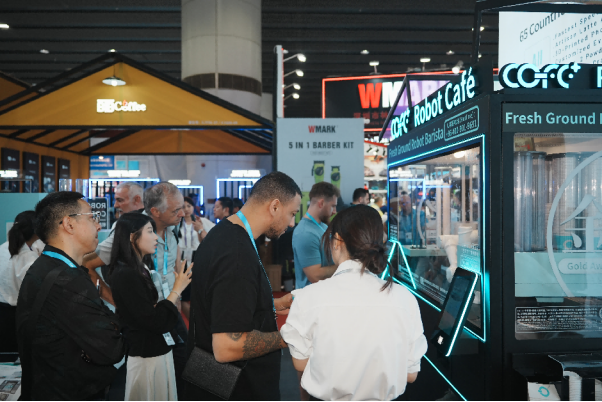
7th-Genertion Smart Robot Coffee Kiosk Arrives at the Belt and Road Core Hub, Ushering in a New Service Era Along t……
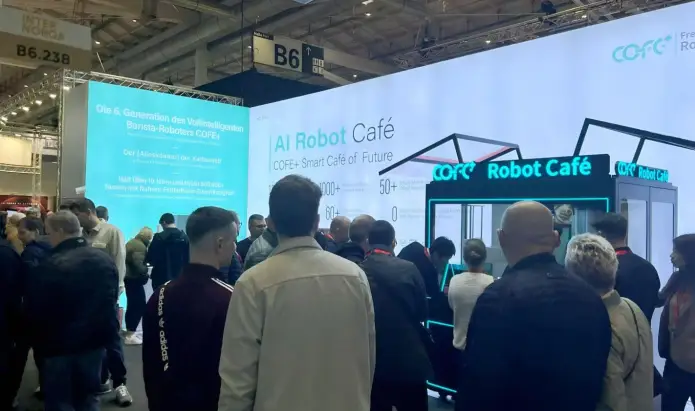
CHICAGO, May 12, 2026 (GLOBE NEWSWIRE) – Shanghai Hi-Dolphin Robot Technology today announced the U.S. debut of its 7th‑……