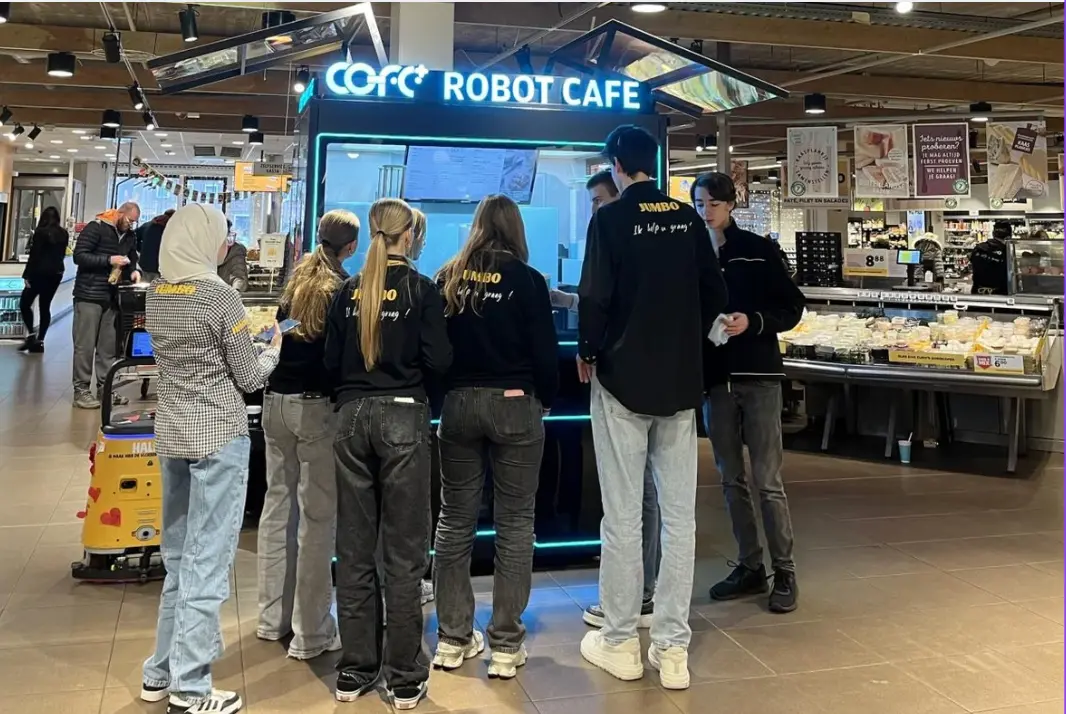
The Rise of Professional Robotic Café Technology: What COFE+ Is and Why It Matters
TL;DR — COFE+ is a fully automated robotic coffee kiosk that grinds fresh beans, brews espresso and lattes, creates latt……

Most robot coffee kiosk operators focus on daily cup count rather than per-transaction value. That focus leaves significant revenue on the table. Robot coffee kiosk bundle strategies shift attention from volume to value, combining drinks, add-ons, and premium upsells into offers that raise average order value without adding staffing cost. I have seen kiosks in the same location double their daily revenue simply by changing how products are grouped on screen. This article covers the bundle types that work in unattended coffee retail, how the kiosk’s technology enables smarter offers, pricing tactics that protect margin, and the data-driven process for scaling winners.
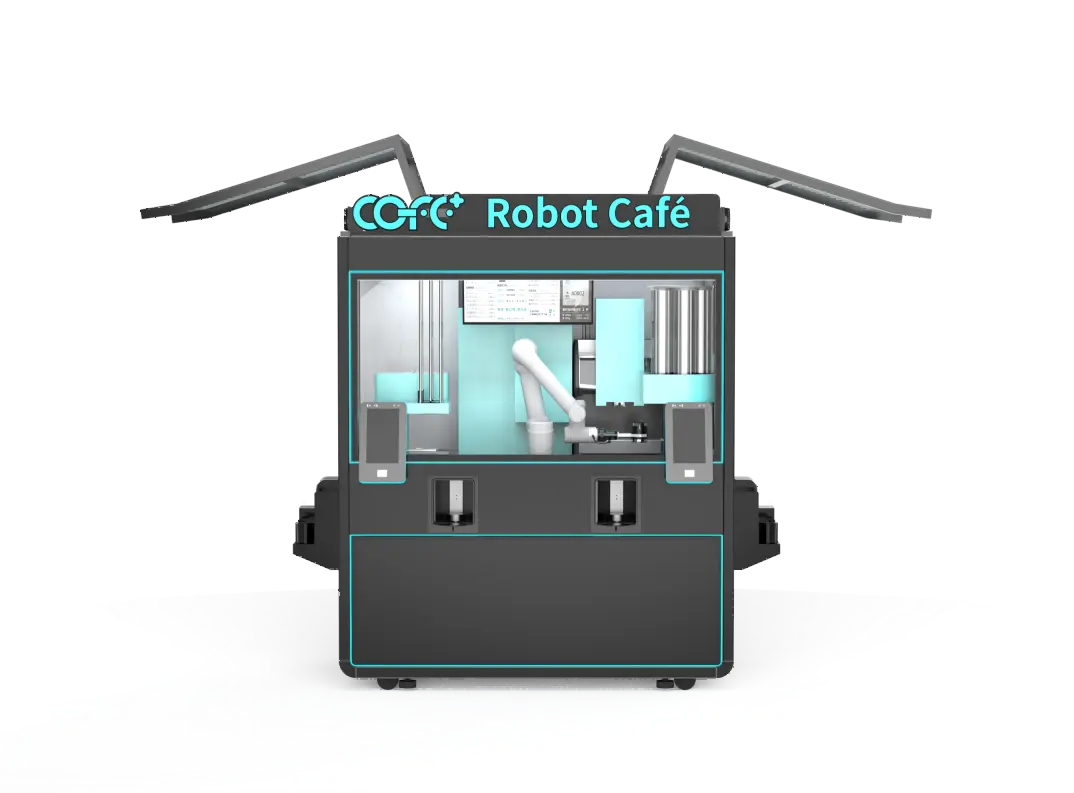
A single latte sold at $3.50 generates a transaction of $3.50. At scale that looks like steady volume, but the economics shift dramatically when every customer buys just one item. The kiosk’s cost structure is fixed: the machine, the floor space, the ingredient supply chain. Adding a second item to a transaction costs roughly the ingredient cost of that item, which on COFE+ machines runs between $0.30 and $0.70 per cup. The incremental margin flows almost entirely to the operator.
Operators who leave bundling off the menu treat the kiosk as a vending machine. Operators who build intentional bundles treat it as a retail channel. The difference shows up in average order value within the first two weeks. I have worked with partners who saw AOV jump from $3.80 to $6.20 by introducing two basic combo structures on the touchscreen. That revenue shift required no new customers, no additional marketing, and zero barista labor.
Not all bundle structures work in unmanned kiosks. Without a barista suggesting add-ons, the screen must do the selling. The formats that consistently lift AOV divide into four categories.
| Bundle Type | Example | Revenue Impact |
|---|---|---|
| Combo deal | Latte + croissant | Raises transaction floor; converts single-item buyers into multi-item purchasers |
| Premium upsell | Add oat milk, extra syrup shot, or specialty bean blend | $0.50–$1.50 added per drink with near-zero labor cost |
| Seasonal bundle | Pumpkin spice latte + branded cup sleeve | Creates urgency and social media visibility; shortens decision time |
| Cross-sell | Iced coffee + packaged snack or branded tumbler | Product categories outside coffee; margin on non-perishable add-ons can exceed drink margin |
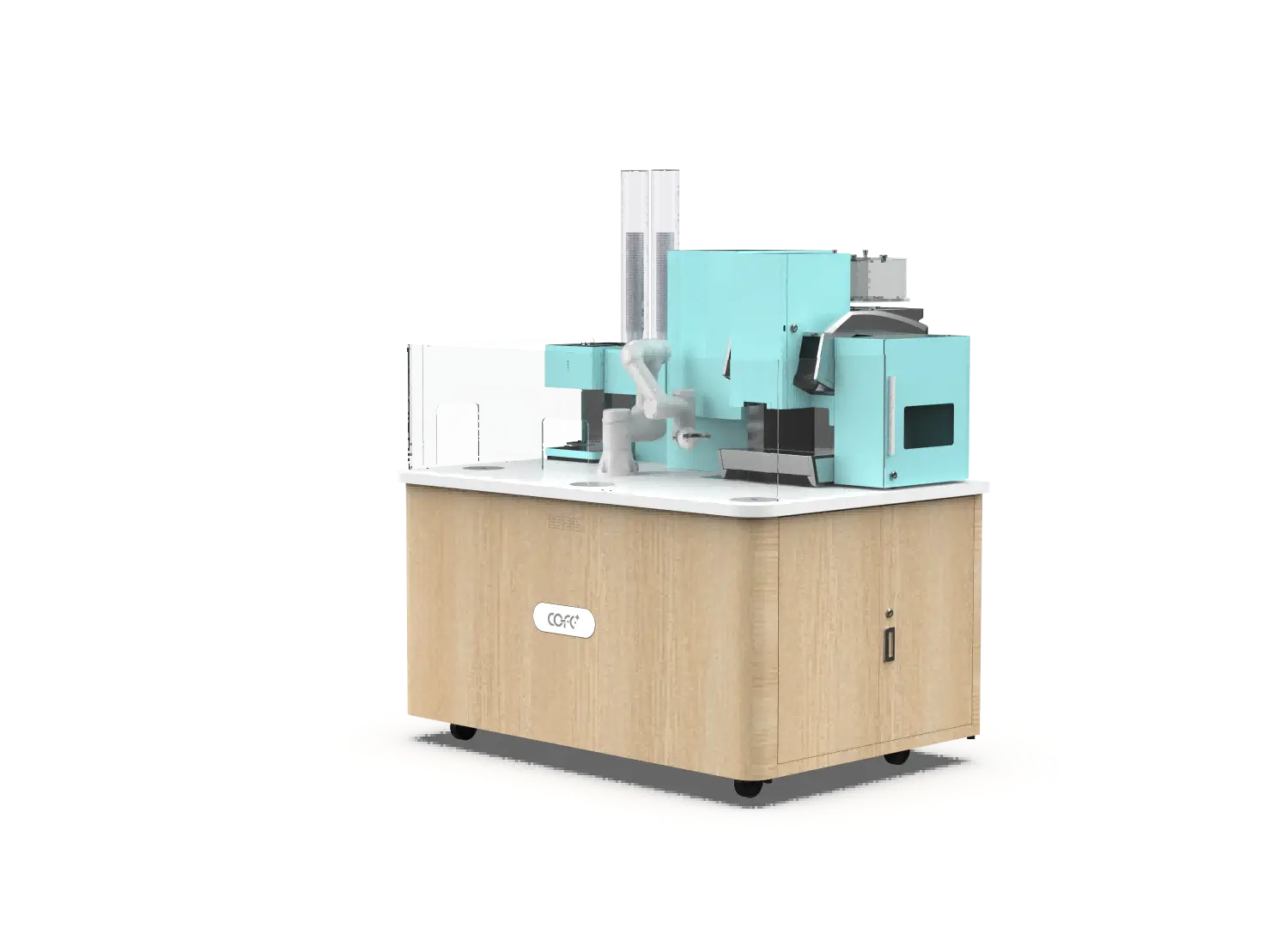
Combo deals form the foundation because they require the least cognitive effort from the customer. A “morning set” button that pairs a standard drink with a baked item removes choice friction. Premium upsells generate the highest margin percentage: a pump of caramel syrup might cost $0.04 and add $0.80 to the ticket. Seasonal bundles work best when the kiosk runs a tight menu rotation; the limited-time message on the touchscreen compresses the consideration window. Cross-sells require inventory planning beyond coffee ingredients, but the margin on a branded tumbler or a protein bar can outperform the coffee itself.
The key difference between a manned café and a robot kiosk is that the kiosk can test every combination simultaneously across different locations and collect purchase data without a human intermediary. We use that data to retire underperformers within days rather than months.
A traditional coffee shop relies on the barista to upsell. The robot kiosk replaces that with a structured digital upsell flow that never forgets to ask. On COFE+ machines, the user ordering path can be configured to show a relevant add-on suggestion after the main drink selection but before payment. That single screen placement routinely converts 15 to 25 percent of customers who would otherwise check out with one item.
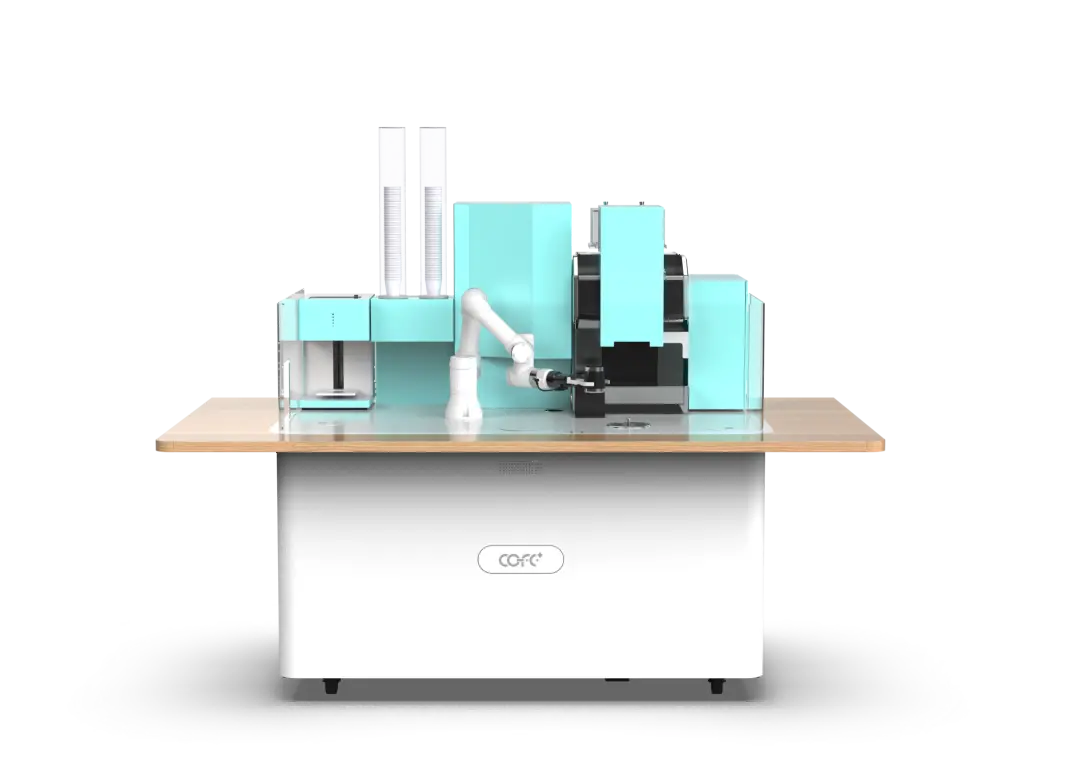
Behind the screen, the kiosk’s cloud-based operating system logs every selection, every abandoned cart, and every completed bundle. The smart store brain aggregates that data across machines so an operator can identify which add-on prompts work at which times of day. Morning customers may accept a pastry upsell at a higher rate than afternoon customers, who respond better to a chilled drink upgrade. The system allows bundle logic to vary by time slot without any on-site reprogramming.
The menu depth also matters. A kiosk with 300 plus drink recipes and over 5,000 ingredient combinations, which COFE+ supports, gives the operator enough variety to construct bundles that feel curated rather than forced. A “Honey Lavender Latte Set” that includes a specific syrup, milk choice, and a snack pairing appears as a deliberate offer, not a discount deal. The technology removes the tradeoff between menu variety and operational complexity because the machine’s ingredient management tracks usage and reorder points automatically.
If your current site plan includes multiple kiosks, the ability to deploy a winning bundle remotely across all units overnight is the mechanism that turns a single test into a portfolio-level revenue gain. Distributors evaluating the robot coffee kiosk opportunity should understand that bundling is not a static menu feature; it is a continuously optimizing sales layer driven by actual purchase behavior.
Bundle pricing fails when the customer calculates individual prices and concludes they are being charged the same. The conventional approach sets the bundle price equal to the sum of individual item prices minus a visible discount, often 10 to 15 percent. That works in some contexts, but in unmanned retail where price transparency on a screen is immediate, customers see the discount and may perceive the regular item as overpriced. We have found better performance by engineering the bundle to include an item the customer would not buy independently, raising the perceived total value while keeping ingredient cost nearly flat.
For example, a “Coffee + Flavor Shot + Social Media Drink Label” bundle priced at $5.50 may cost the operator $0.55 total. The customer perceives three distinct value additions; the operator’s cost structure barely moves. The flavor shot and the custom label sticker carry near-zero marginal cost. This structure protects margin far more effectively than a straight discount on the drink itself.
Testing price thresholds requires discipline. A $0.40 difference in bundle price on a single screen can shift conversion rate by 10 percentage points. We recommend the operator run staggered A/B screens across two machines in the same location type, measuring take rate and total revenue per day rather than per-item margin alone. After two weeks, the data tells you which price point maximizes daily cash-in without reducing unit movement.
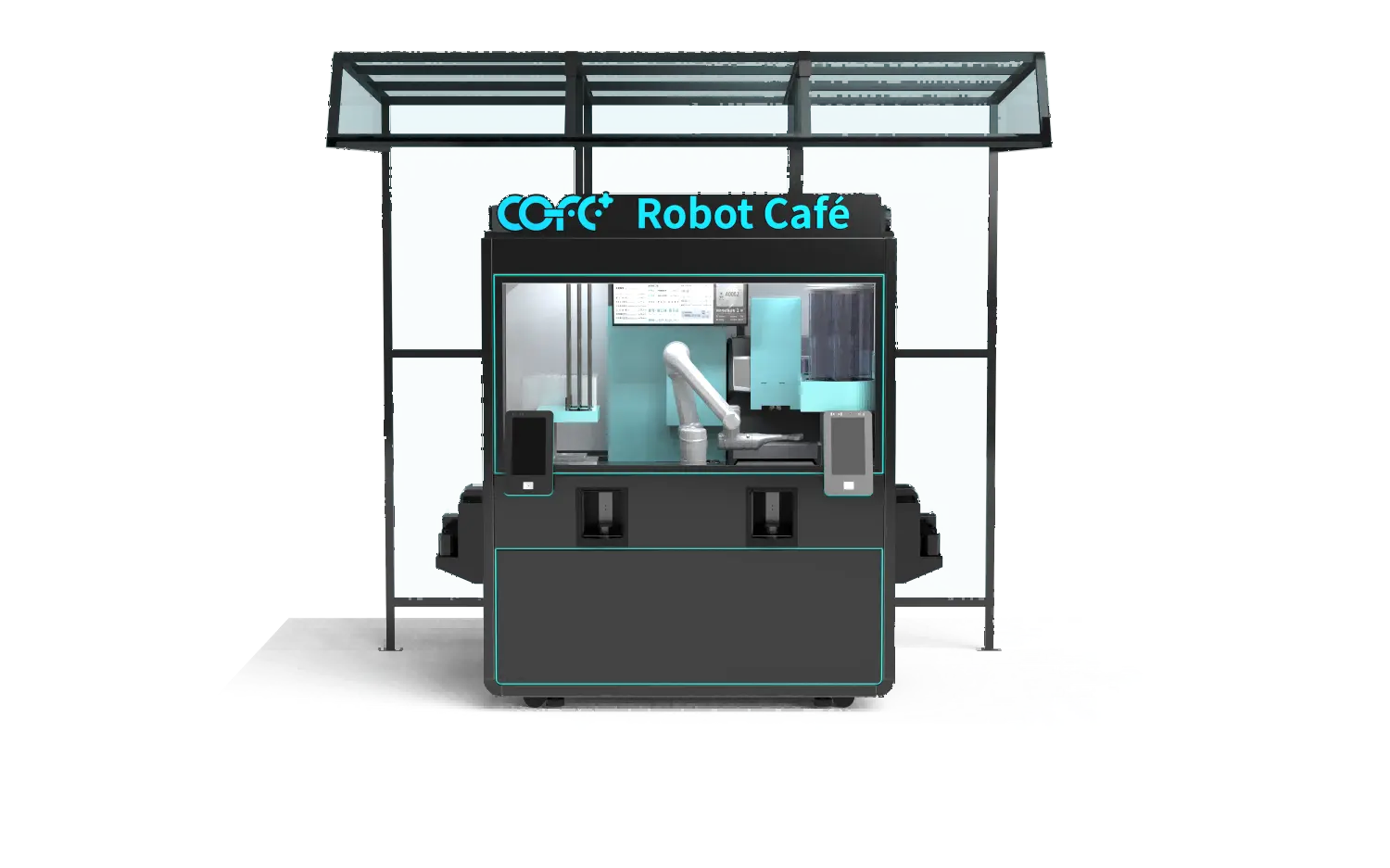
Operators managing more than two kiosks need a way to push bundle configurations remotely and track performance without visiting each site. The COFE+ cloud management platform provides a dashboard that shows per-machine AOV, bundle attachment rate, and top-selling add-ons in real time. A bundle that performs in a university campus machine may need adjustment before it works in an airport terminal, but the base structure travels: the combo logic, the upsell screen placement, and the pricing algorithm remain constant.
The rollout sequence I recommend is: identify the two best-performing bundles in your lead machine, run them for three weeks to confirm consistency, then push the stronger of the two to the next three machines. Do not push both bundles simultaneously. If performance softens on the expansion machines, the data will isolate whether the issue is the bundle itself or the location’s customer profile. That clarity prevents you from abandoning a high-potential bundle because of a single underperforming test site.
A multi-location operator who actively manages bundling typically sees a sustained 15 to 25 percent lift in per-machine daily revenue within the first quarter after implementation. The gain compounds when the bundle data feeds back into ingredient procurement, reducing stock-outs on the add-on items that drive the highest attachment rate.
Operators looking to apply this strategy at scale often benefit from a structured onboarding discussion where we review existing site data, propose initial bundle configurations matched to the local customer profile, and set up the cloud tracking dashboard for remote monitoring. For a specific bundle strategy consultation based on your deployment plan, contact our team at sales@hi-dolphin.com or +86 131 6630 1290.
In my experience, bundles capture customers who would have bought only one item, not customers who were planning to buy three items individually. The conversion data from multiple kiosks shows the single-item purchase rate declines slightly, but the total items sold per transaction rises by a larger margin, increasing total cash collected per machine per day. The economics hold as long as the ingredient cost of the add-on items is below the incremental revenue they pull in, which on robot coffee kiosks with $0.30 to $0.70 per-unit costs is almost always true.
Two to three bundles plus one premium upsell prompt on the checkout screen. More than three bundle choices on the same screen reduces take rate because the customer shifts into comparison mode instead of decision mode. We recommend one entry-level combo, one premium bundle, and one time-limited seasonal offer. The checkout-screen upsell needs to be a single yes/no decision, not a second selection screen.
Yes. The kiosk’s cloud system allows you to assign distinct bundle menus to individual machines based on their location ID. A machine in a transit hub might emphasize grab-and-go snack plus coffee combos, while a machine in a shopping mall pushes dessert drink bundles. The underlying ingredient set can remain identical; only the screen presentation changes. This is one of the strongest arguments for choosing a robot coffee kiosk over a traditional manned café: you can multiply menu variations across sites without multiplying operational complexity.
Launch a single combo deal on one machine for five days, with the add-on offer appearing before payment. Track the percentage of transactions that include the combo, and compare total daily revenue to the previous week’s average. If the combo attachment rate exceeds 10 percent and daily revenue moves upward, you have a valid proof point. If the machine supports remote menu updates, the test costs nothing beyond the time spent configuring the offer. If your machine model limits menu flexibility or lacks transaction-level data reporting, the best next step is a direct specification review to confirm what the hardware supports. Sharing your machine model and current menu setup with us helps identify exactly which bundle approaches are technically feasible for your deployment.
TL;DR — COFE+ is a fully automated robotic coffee kiosk that grinds fresh beans, brews espresso and lattes, creates latt……
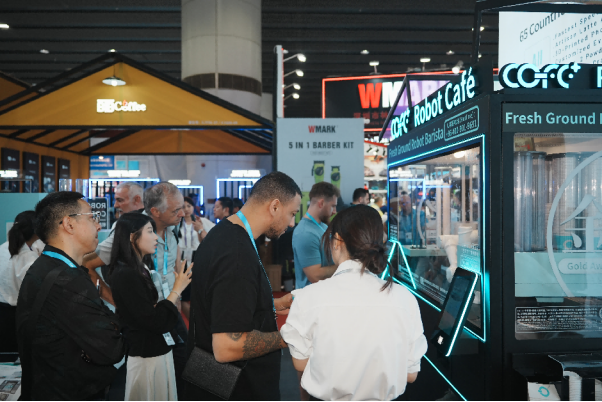
7th-Genertion Smart Robot Coffee Kiosk Arrives at the Belt and Road Core Hub, Ushering in a New Service Era Along t……
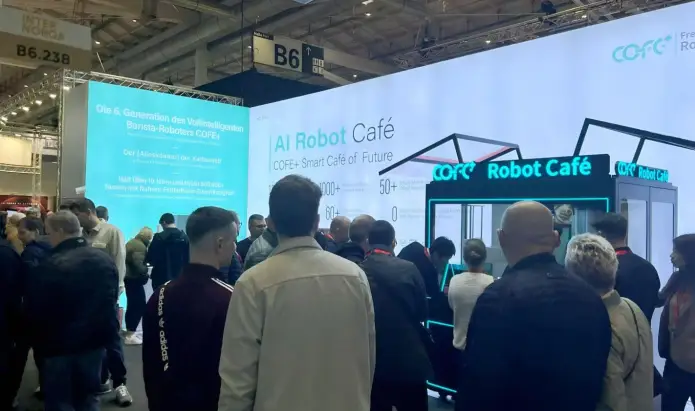
CHICAGO, May 12, 2026 (GLOBE NEWSWIRE) – Shanghai Hi-Dolphin Robot Technology today announced the U.S. debut of its 7th‑……