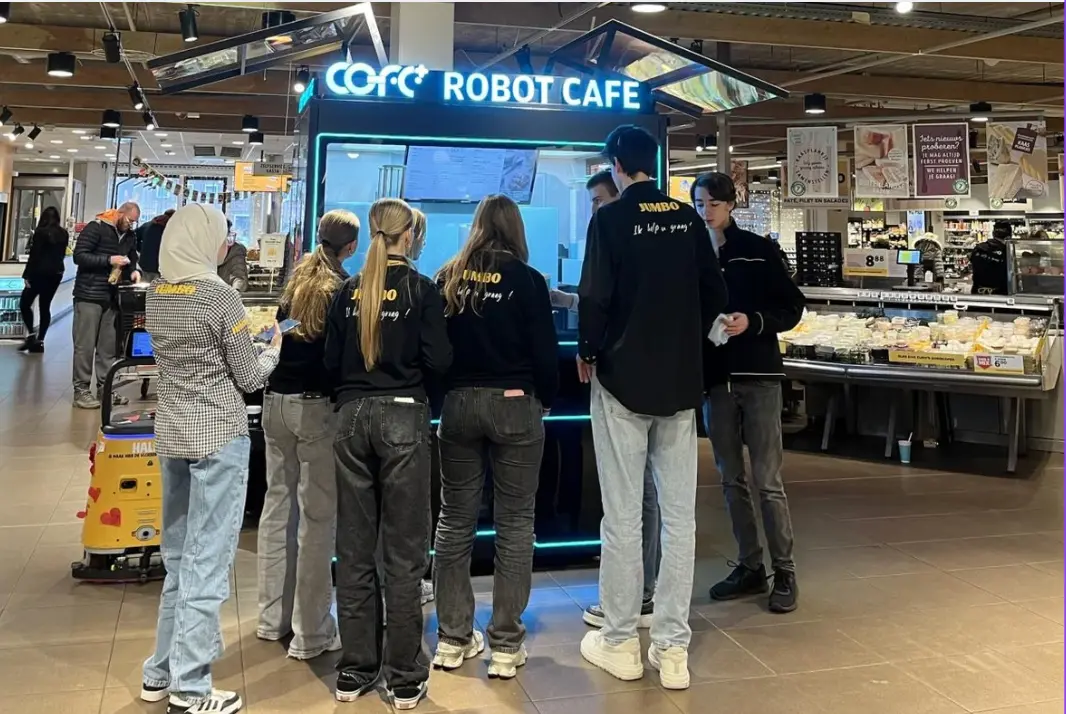
The Rise of Professional Robotic Café Technology: What COFE+ Is and Why It Matters
TL;DR — COFE+ is a fully automated robotic coffee kiosk that grinds fresh beans, brews espresso and lattes, creates latt……

Hospitals operate around the clock with no pause for coffee breaks, yet providing fresh, hygienic beverages to staff, patients, and visitors around the clock is a constant operational burden. Manual coffee stations demand staffing, and even self-service machines raise cross-contamination concerns in infection-sensitive environments. A robot coffee kiosk for hospitals resolves both problems with a completely contactless, 24/7 automated solution that integrates high-temperature sterilization and automatic cleaning cycles as standard. At Shanghai Hi-Dolphin Robot Technology, we have seen facility managers adopt this technology not as a novelty, but as a practical response to the real hygiene and staffing challenges that hospital food service faces.
Hospitals cannot tolerate surface contamination or airborne pathogen exposure in food service areas. Manual coffee stations introduce multiple human touchpoints: handling cups, spoons, milk containers, and machine surfaces. In intensive care, oncology, or pediatric wards, these contact points become infection vectors. Facility managers need beverage solutions that eliminate direct contact with shared equipment and complete automated sanitation between every use, not just at shift-end. This is not aspirational; it is a baseline for hospital accreditation in many regions. Standard coffee vending machines, even partially automated ones, were never designed for healthcare-grade infection control. A purpose-built robot coffee kiosk treats continuous sanitation as a primary engineering constraint.
| Factor | Manual Café | Vending Machine | Robot Coffee Kiosk |
|---|---|---|---|
| Human contact points | High (barista, cashier) | Medium (button press) | Minimal (touchscreen only) |
| Cleaning frequency | End of shift | Rarely | After every cup (auto) |
| Sterilization temperature | Not applicable | Not applicable | 85°C+ high-temp |
| 24/7 availability | Limited | Often | Yes |
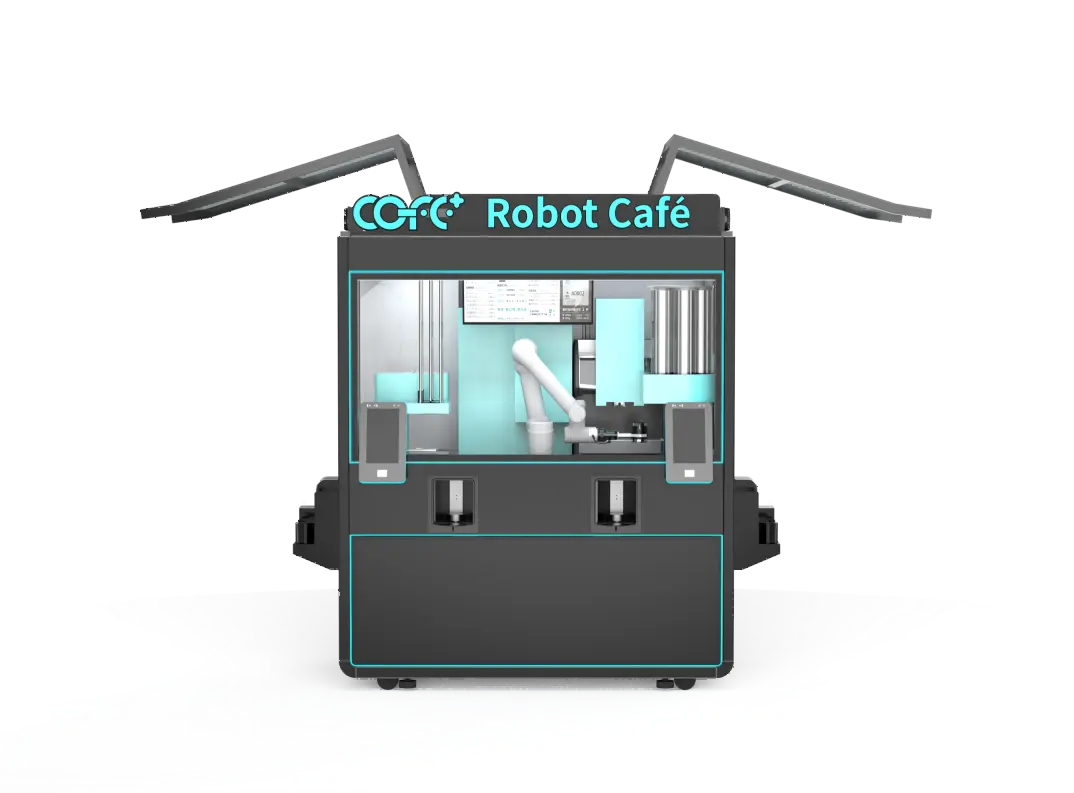
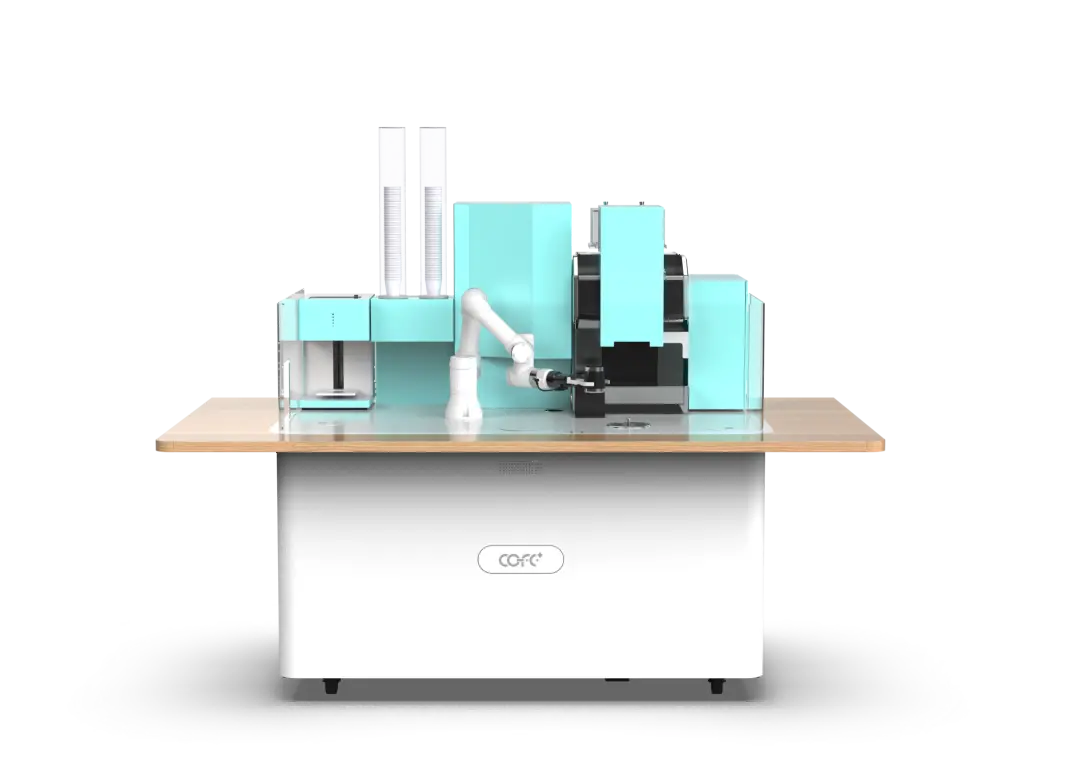
A robot coffee kiosk achieves hygiene levels that manual operations cannot match. The COFE+ 7th generation indoor model, for example, encloses the entire coffee-making process in a sealed chamber. Grinding, extraction, milk frothing, and serving happen without human hands. The fluid path is isolated from ambient air, and between each cup, the system runs an automatic high-temperature cleaning cycle at 85°C or above, eliminating bacteria and residue. The interior walls are antimicrobial stainless steel, not the porous plastics found in standard vending. Waste is contained in a fully enclosed module, preventing odors, spills, and pest access. Users interact only once—a touchscreen selection—and the cup is presented at the dispensing bay. No barista, no cashier, no shared implements. For a hospital, that means coffee service does not become a daily infection control conversation.
Night-shift nurses, on-call doctors, and worried families need access to hot beverages at 3 a.m. the same way daytime visitors do. Manual cafés close after evening rounds; even well-stocked vending machines run empty by the early morning hours. A COFE+ robot kiosk is designed for uninterrupted 24/7 operation. It can produce up to 1,000 cups per day without a barista present. Cloud-based monitoring tracks ingredient levels, machine status, and cleaning cycles remotely. The system notifies the facilities team before a shortage occurs, not after a failure. This shifts the staffing model from continuous on-site coverage to event-driven restocking, typically once or twice per day. Hospitals that have integrated robotic coffee points report a measurable drop in food service complaints from overnight staff, with no added labor cost.
Hospital procurement teams should demand evidence, not promises. Hi-Dolphin’s COFE+ platform has passed food safety evaluations by domestic and international expert organizations and holds over 50 certifications that meet standards across more than 18 developed countries, including FDA, CE, UKCA, KC, and SASO. These are not generic quality marks; they validate the machine’s materials, electrical safety, electromagnetic compatibility, and hygiene performance under real-world conditions. In healthcare environments, that documentation carries weight during accreditation inspections. When a device is labeled FDA-compliant and CE-certified for food contact, you do not need to negotiate with your infection control team about the risk profile of bringing a new beverage station into a clinical area.
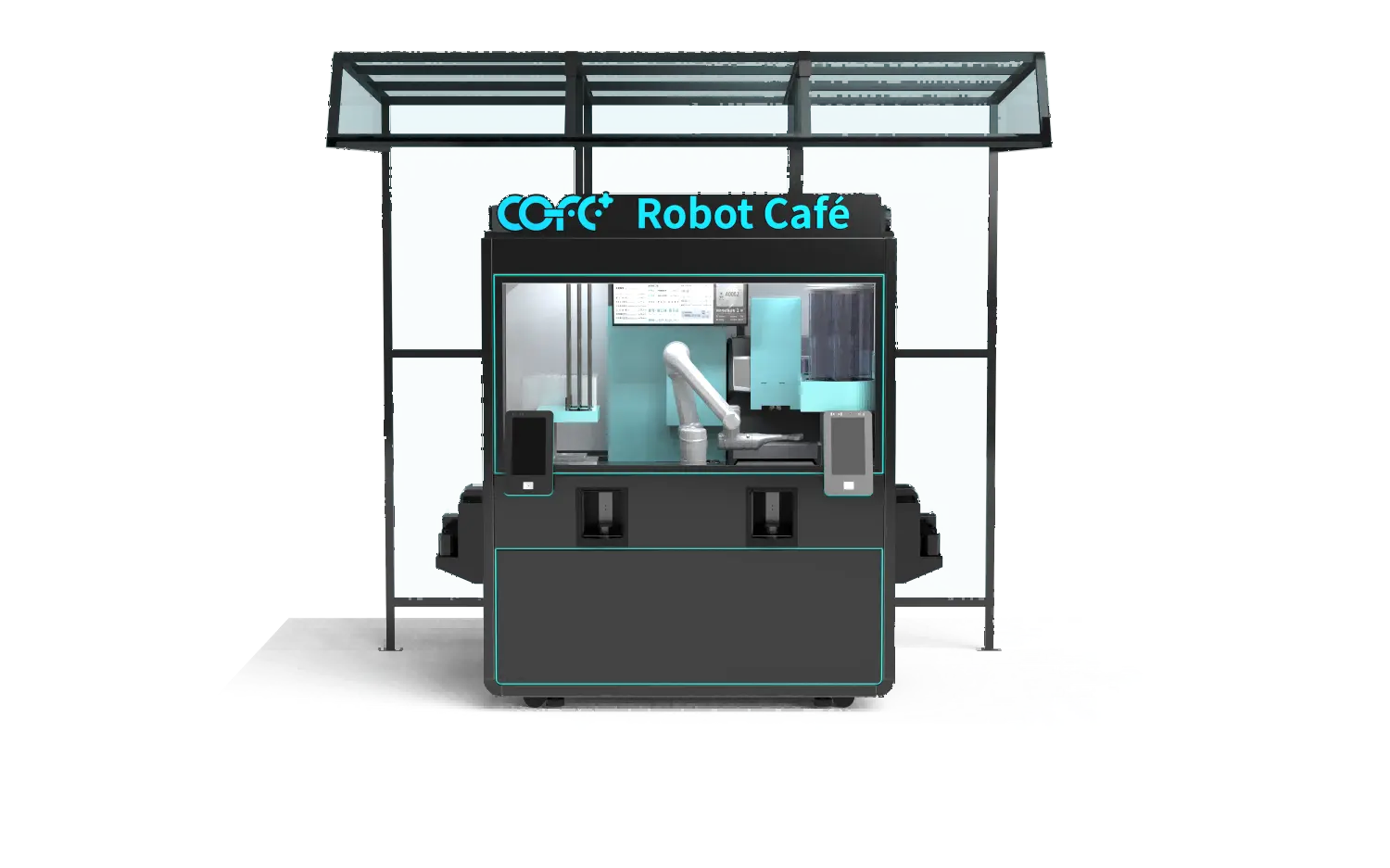
Selecting the right robot coffee kiosk goes beyond checking a feature list. The evaluation should start with three practical questions: what sterilization technology runs between servings, how the machine performs during continuous demand, and what local service support looks like after installation. Physical footprint matters when space is tight near nursing stations or visitor lobbies. The COFE+ indoor kiosk occupies just 2.35 m² and can be placed in corridors without renovation. Cup capacity per day should align with expected traffic—1,000 cups per day is the benchmark for high-volume hospital installations. Cost per cup then becomes predictable: ingredient and maintenance costs land around $0.30–$0.70 per serving, far below the fully-loaded cost of a manned café.
Because every hospital has a different layout, patient throughput, and dietary policy, it is worth confirming these parameters with a manufacturer early. We at Shanghai Hi-Dolphin provide site-specific placement and ROI analysis. Share your hospital’s square footage and daily beverage volume at sales@hi-dolphin.com or call +86 131 6630 1290, and we will return a tailored configuration and payback timeline.
Yes, when the system is designed with healthcare-grade sanitation. Models like COFE+ use sealed ingredient paths, automatic 85°C+ high-temperature cleaning, and antimicrobial internal surfaces. This exceeds the hygiene standards of typical food service equipment in a hospital. However, always involve your infection control committee early in the procurement process so the specific model’s certification documentation can be reviewed against your facility’s protocols.
The entire drink-making process is enclosed. No external air reaches the ingredients or the fluid path. Waste is collected in a sealed bin that does not vent odors or attract pests. The machine’s exterior, being the only surface users touch, can be cleaned with standard hospital-grade disinfectants without damaging the unit. This isolation is the fundamental advantage over open-station coffee service.
Plant-based milk options, decaf coffee, and sugar-free syrups are standard in the COFE+ menu engine. Since milk, flavorings, and coffee beans are stored in separate sealed chambers and dispensed independently, cross-contact between incompatible ingredients is prevented by design. The menu can be programmed to highlight or restrict specific items based on hospital dietary policies. For programs involving medically supervised allergen avoidance, it is still wise to review the exact ingredient channels with the manufacturer. Share your dietary compliance requirements with us and we will confirm the configuration aligns with your policies.
TL;DR — COFE+ is a fully automated robotic coffee kiosk that grinds fresh beans, brews espresso and lattes, creates latt……
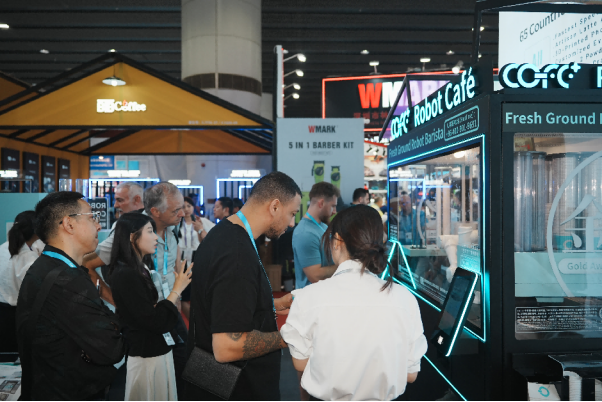
7th-Genertion Smart Robot Coffee Kiosk Arrives at the Belt and Road Core Hub, Ushering in a New Service Era Along t……
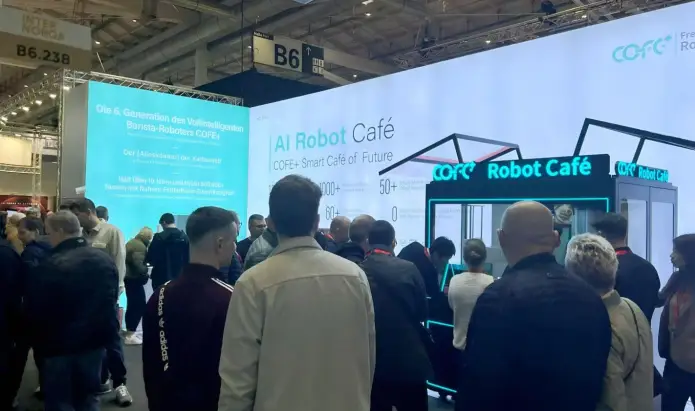
CHICAGO, May 12, 2026 (GLOBE NEWSWIRE) – Shanghai Hi-Dolphin Robot Technology today announced the U.S. debut of its 7th‑……