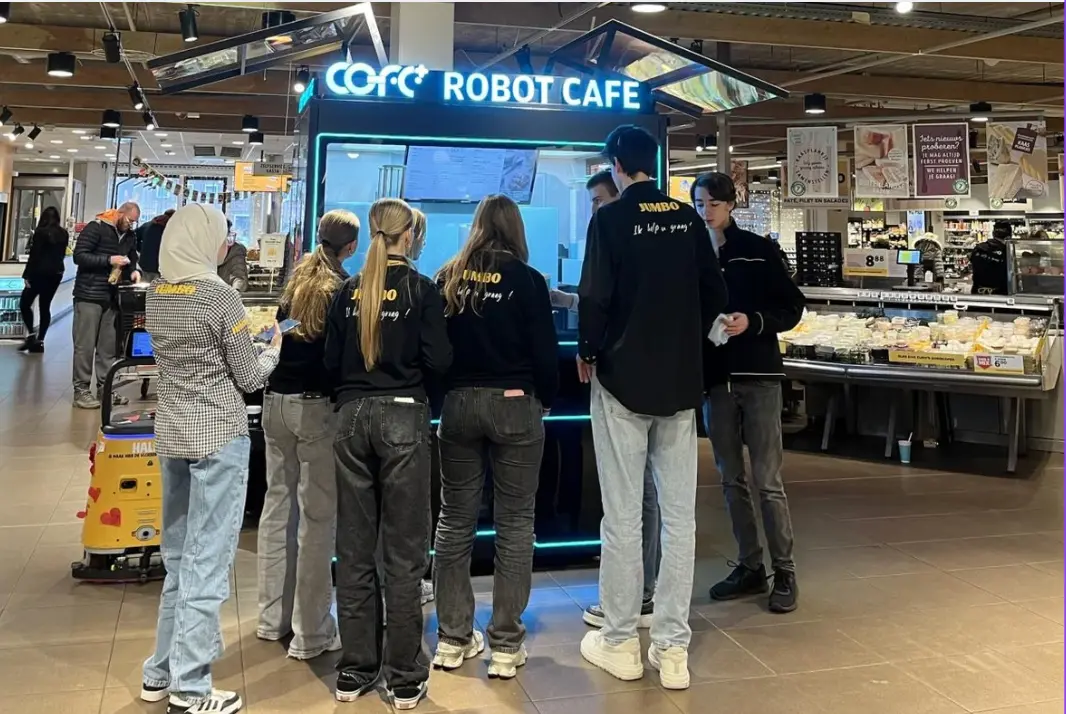
The Rise of Professional Robotic Café Technology: What COFE+ Is and Why It Matters
TL;DR — COFE+ is a fully automated robotic coffee kiosk that grinds fresh beans, brews espresso and lattes, creates latt……

Most robot coffee kiosk procurement discussions center on machine throughput or bean quality while treating milk as an afterthought. This is a costly mistake. The specific milk types loaded into a kiosk directly shape machine uptime, per-cup cost variance, and repeat customer rates across different markets. Over the past several years of deploying COFE+ kiosks in more than 35 countries, our team has learned that milk selection is often the single most underappreciated driver of a location’s first-year profitability. This article maps the dairy, plant-based, and local-preference decisions that operators and distributors should resolve before placing their first ingredient order.
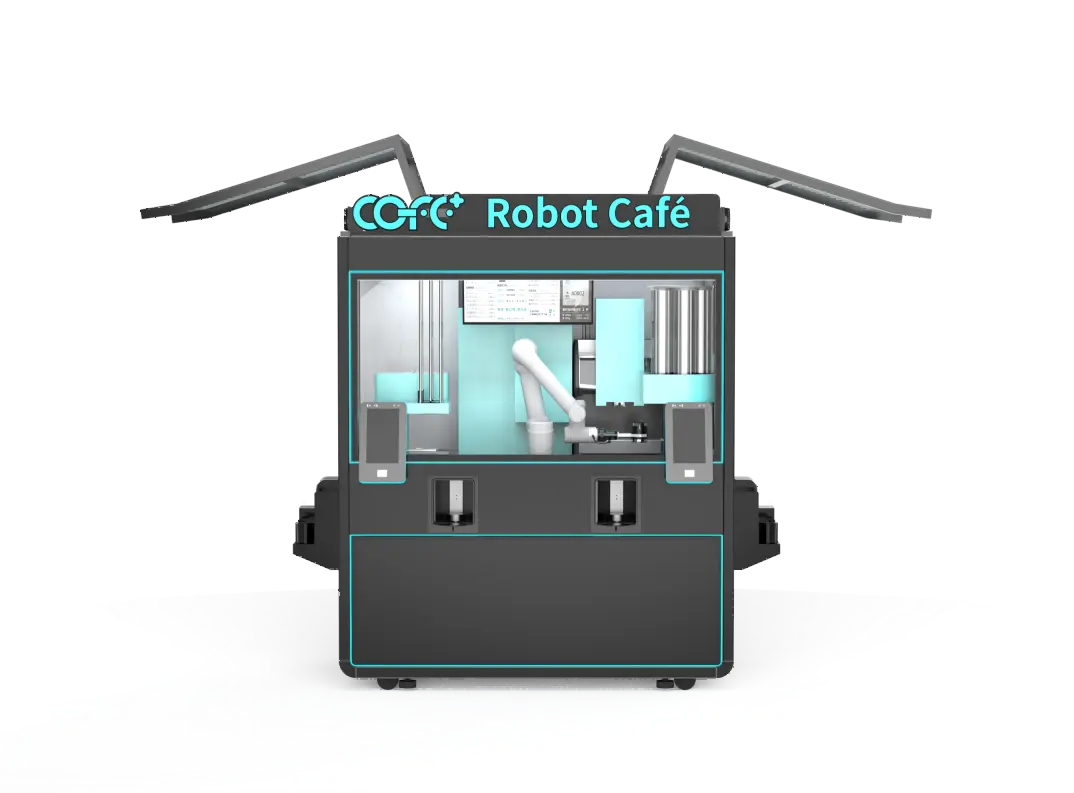
Standard dairy milk performs well in robotic systems because its physical behavior under steam and high-temperature extraction is well characterized. Whole milk produces the most consistent microfoam for lattes and cappuccinos, while skim milk generates a stiffer foam that some barista-program recipes struggle to calibrate against. In our kiosk’s recipe engine, every milk type is mapped to a dedicated extraction profile, so the final cup consistency depends less on operator skill and more on selecting the right dairy baseline for the machine’s preset parameters.
From an inventory perspective, fresh whole milk’s 7–10 day refrigerated shelf life creates a distinct operational rhythm. Kiosks in high-volume transit hubs or universities can cycle through fresh milk fast enough to avoid waste, but a kiosk in a lower-traffic office lobby may need a different approach. We have found that UHT (ultra-high temperature processed) whole milk, which can be stored at room temperature until opened, often resolves the spoilage problem for unattended machines that restock twice a week rather than daily. The trade-off is a slightly sweeter, cooked flavor profile that customers in some regions notice immediately, and in others accept without comment.
Lactose-free dairy milk occupies a middle ground that many operators overlook. It retains the foam performance and mouthfeel of traditional whole milk while capturing the segment of consumers who avoid lactose but are not committed to plant-based alternatives. In markets where lactose intolerance rates are above 60% — much of East Asia, parts of South America, and a growing share of Western consumers with digestive preference shifts — lactose-free dairy often delivers the highest throughput per ingredient SKU.
Plant-based milk options for robot coffee kiosks are no longer a niche add-on. In several European and North American locations we monitor, oat and soy drinks now account for over 30% of total milk volume. The operational challenge is that plant milks vary dramatically in fat content, protein structure, and thermal stability, all of which affect how a robotic steam wand handles them.
Oat milk, particularly the barista-formulated versions, is the most forgiving in an unmanned system. Its fat content (typically 2–3%) and suspended oat particles create a steam response similar to whole dairy milk, which means the kiosk’s pre-programmed latte and cappuccino profiles require minimal recalibration. Almond milk is more popular in the United States and Southern Europe but introduces separation risk: if the machine’s internal agitation cycle is insufficient, almond solids settle and produce inconsistent cups as the day progresses. Coconut milk, while sought after in tropical locations, introduces sugar and viscosity variables that can clog smaller nozzle assemblies if not flushed between servings. Our product testing has shown that a dual plant-milk setup (oat plus one region-specific alternative) is the pragmatic sweet spot — covering 85% of plant-based demand without overcomplicating the ingredient matrix.
Storage logic also shifts with plant milks. Shelf-stable tetra-pack oat and soy milks eliminate the cold-chain requirement for backup stock, which matters when the kiosk is in a location without walk-in refrigeration. The cost per serving is generally higher than dairy, but the retail cup price tolerance is also higher in the demographics that order plant-based, so margin pressure is rarely the binding constraint.
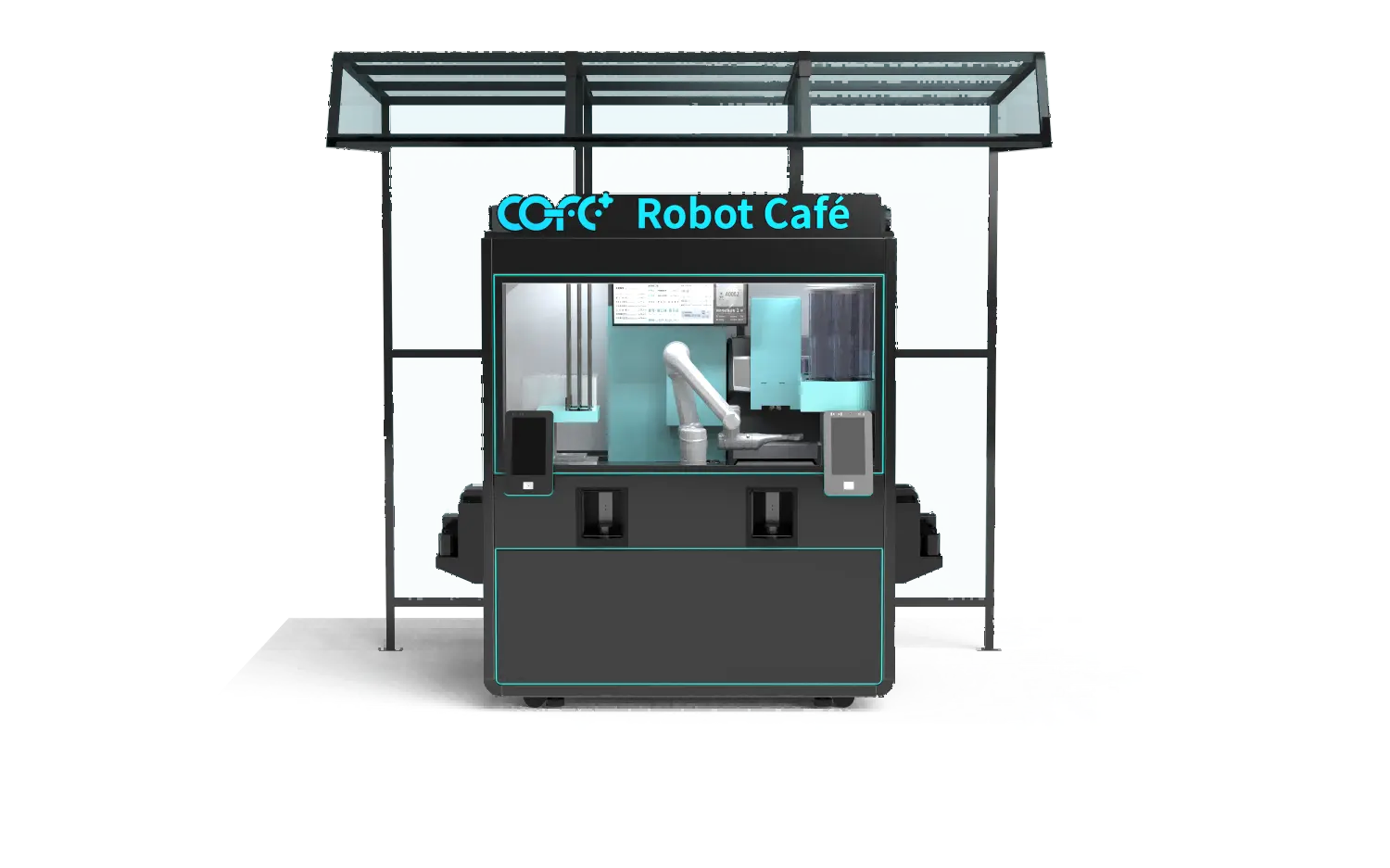
| Milk Type | Shelf Life (Unopened) | Foam Quality | Relative Cost | Best-Use Region Pattern |
|---|---|---|---|---|
| Fresh Whole Dairy | 7–10 days (chilled) | Excellent | Low | High-traffic urban, consistent cold chain |
| UHT Whole Dairy | 6–9 months (ambient) | Good | Moderate | Remote locations, low-frequency restock |
| Lactose-Free Dairy | Similar to standard | Good | Moderate-High | East Asia, health-conscious urban markets |
| Barista Oat Milk | 6–12 months (ambient) | Excellent | Moderate | Northern Europe, North America, Australia |
| Almond Milk | 6–12 months (ambient) | Moderate | Moderate | United States, Southern Europe |
| Soy Milk | 6–12 months (ambient) | Moderate | Low-Moderate | East Asia, value-focused locations |
The most frequent operator mistake we encounter is loading a kiosk with a global-standard milk lineup that ignores how local consumers actually drink coffee. In Thailand and Vietnam, a robot coffee kiosk that only offers unsweetened whole milk will underperform against a tiny street stall selling sweetened condensed milk iced coffee, because the customer’s taste expectation has been trained over decades. In parts of the Middle East, cardamom-infused milk or a specific dairy fat level is part of the local coffee ritual. The machine’s ingredient capacity is not the bottleneck; the menu design that maps local preferences to the right milk base is.
One approach we have validated across multiple country launches is the 70/30 local-to-global rule. Load 70% of the kiosk’s milk allocation with the local dominant milk type — whether that is UHT whole milk, sweetened condensed milk, or a specific plant milk — and reserve 30% for international standards like barista oat milk or lactose-free whole milk. This ensures the kiosk never feels foreign to the majority customer while still catching the tourist, expat, and premium health-seeker segments. In airport deployments, where the audience shifts by flight route, a kiosk programmed to switch its default milk recommendation by time of day (morning oat-heavy European flights versus afternoon dairy-heavy domestic flights) has produced measurable basket size improvement.
If your site has a known local competitor that specializes in a particular milk-based drink, replicating that milk type alone is not enough. The robot kiosk’s advantage lies in consistency and customizability, so the menu should offer that local milk within a broader spectrum of sweetness and temperature options that no manual stall can match at speed. For example, a kiosk in a Southeast Asian university area might run one pump of sweetened condensed milk as standard but allow the customer to slide sweetness from 0% to 200% on the touchscreen, something a barista juggling a morning queue cannot offer.
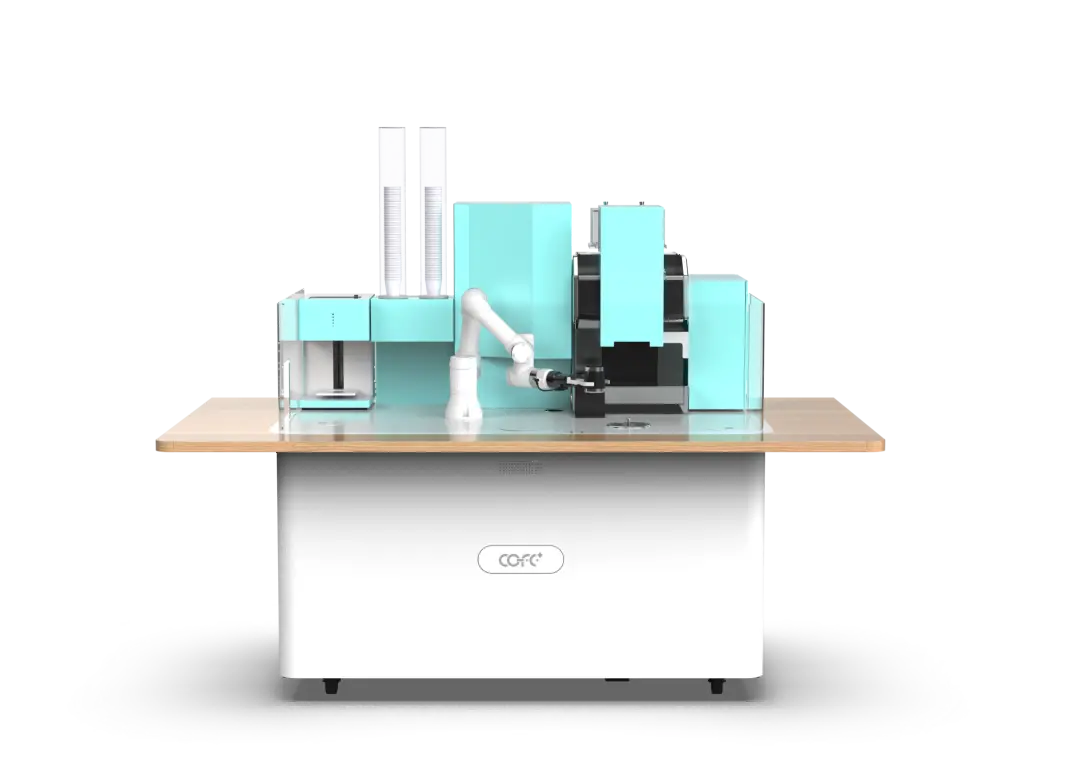
The direct link between milk selection and service call frequency is rarely spelled out in kiosk specification sheets. Our after-sales data shows that milk-related issues account for roughly 1 in 4 unscheduled maintenance visits in the first year of operation. These are almost always traceable to one of two root causes: a plant milk not rated for the machine’s steam temperature causing residue buildup on temperature sensors, or fresh dairy exceeding its cold-holding window inside the kiosk’s internal reservoir.
Cleaning cycle design is the silent partner to milk selection. Most robot coffee kiosks now run an automated high-temperature flush cycle after a preset number of servings, but the aggressiveness of that cycle must be calibrated to the milk type. A machine running predominantly oat milk can typically operate safely on a standard flush, while one running high-fat fresh dairy or coconut milk benefits from a shorter flush interval. Modern remote monitoring dashboards include sensors that detect viscosity anomalies in the milk line before they affect cup quality, but this data is only actionable if the operator has pre-planned the response: either a technician dispatch threshold or an automatic shift to a backup milk compartment.
Cost per cup by milk type is the metric most operators calculate, but cup wastage is the metric that erodes profitability. A kiosk serving plant milks that require a longer purge between milk changes will discard a small volume of each preceding milk type. Over a thousand cups per day, a poorly sequenced milk queue can waste 3–5 servings daily just from purging. Sequencing the menu so that the most common milk type is the default in the line and specialty milks are called from secondary compartments minimizes this loss. This is a configuration detail that should be part of the pre-deployment site setup checklist, not discovered by the operator during month one.
For operators managing more than five kiosks, the procurement efficiency of a milk SKU becomes as important as the consumer preference. A network of stations with three dairy types and three plant types across five countries generates a procurement complexity that quickly exceeds a manual order sheet. The practical model is to designate a network-wide core milk palette of two dairy (one fresh or UHT whole, one lactose-free) and one plant-based (barista oat or soy, depending on region) and then allow local site managers one discretionary slot for a region-specific milk. This reduces the total inventory code count while giving local teams the flexibility to respond to competitive pressure. In our distributor training, we recommend locking the core palette for at least six months to build reliable demand data before introducing any local changes.
The integration with the kiosk’s cloud inventory system is where many operators see the fastest return on their milk strategy effort. When each milk compartment is weighed in real time and the kiosk is forecasting demand by hour based on historical patterns, the refill dispatch logic shifts from calendar-based (“restock every Monday”) to consumption-based (“refill when oat milk drops below 20% in this airport kiosk”). This removes the single largest waste source in unmanned coffee: a fixed restock schedule that overfills slow-moving milk types and underfills the fast ones just before a peak demand window.
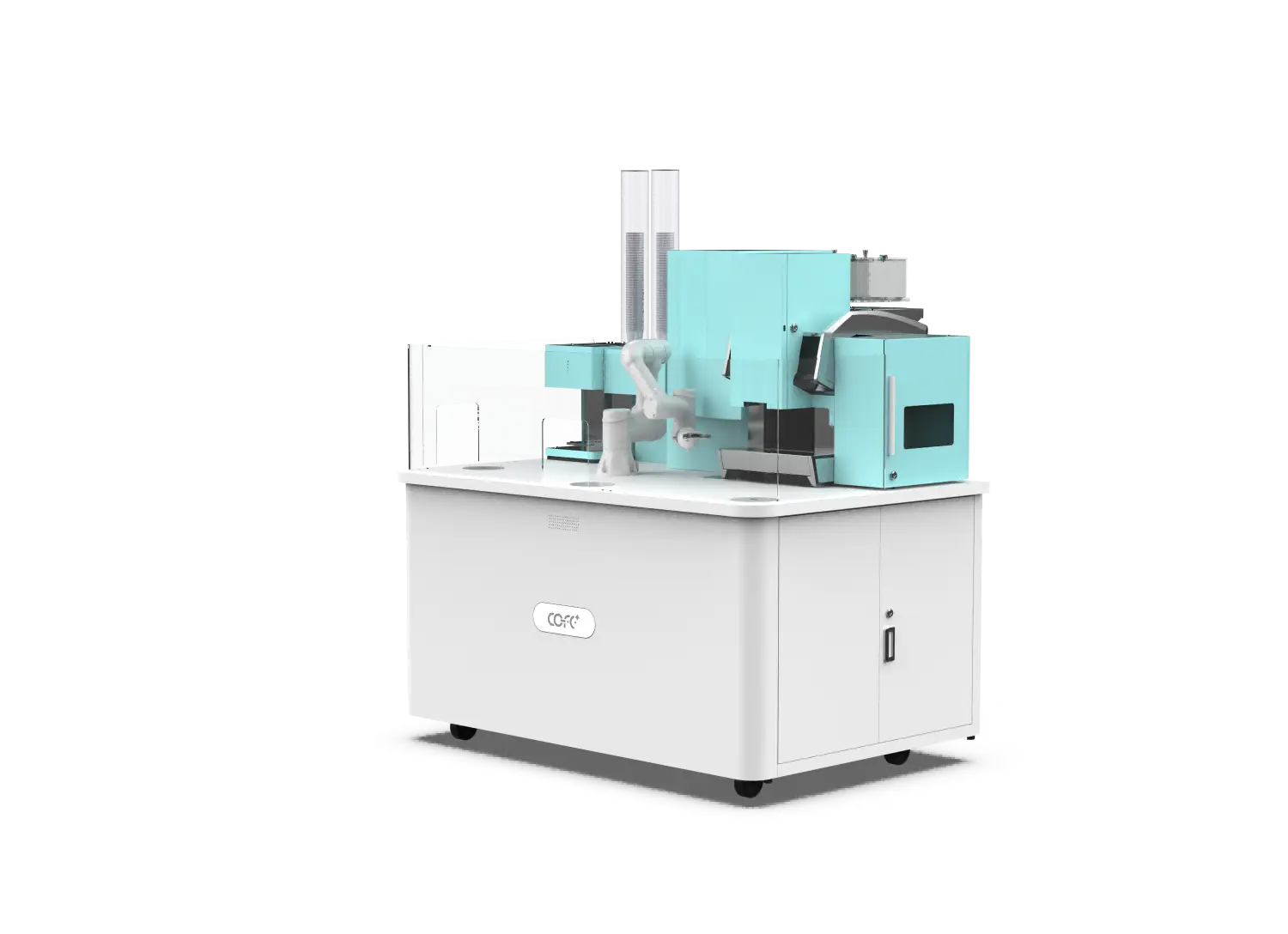
Fresh milk spoils faster in an unattended machine. What’s the safest dairy choice?
In programs we’ve supported across Southeast Asia and the Middle East, UHT whole milk is the standard recommendation for any unattended kiosk operating in ambient temperatures above 28°C or on a restock cycle longer than 48 hours. It eliminates the cold-chain failure risk while still delivering adequate foam structure. If the location has 24-hour refrigeration and daily staff presence, fresh whole milk remains the superior taste option.
Will offering plant-based milk increase my kiosk’s daily revenue?
It depends entirely on the demographic profile of the foot traffic. In a London transport hub or a Stockholm university campus, plant-based milk can drive over 30% of total cup volume because the consumer baseline demand already exists. In an industrial park in North China, adding oat milk without local taste data may only generate 2–3 extra cups per day. The better question is: does your specific audience contain a measurable plant-milk consumer segment? A pre-launch survey of 50 potential customers at the target location answers this more reliably than regional statistics.
How do I know which local milk preference to target without running a full market study?
Check what the two most popular milk-based coffee sellers in a 500-meter radius are using. If both emphasize condensed milk, fresh cream, or a specific non-dairy creamer, start there. The kiosk does not need to invent a new taste; it needs to execute an existing taste pattern faster and more consistently. One slot on the ingredient rack allocated to that local favorite gives the machine instant credibility.
Can one robot kiosk handle multiple milk types simultaneously without cross-contamination?
Yes, the COFE+ 7th generation platform uses isolated milk circuits with a dedicated flush sequence for each pump line. The risk is not cross-contamination into the cup but residue accumulation inside the line if the flush interval is too long for a particular milk type. The preventive step is setting the flush frequency in the cloud dashboard to match the most demanding milk in the mix, not the average. If you are co-loading coconut milk with whole milk, set the flush count for coconut and let the whole milk benefit from the higher standard.
What’s the simplest milk configuration to start with if this is my first robot coffee kiosk?
In our experience commissioning first-site deployments for new distributors, we almost always start with fresh whole dairy, UHT whole dairy as backup, and barista oat milk as the plant option. This trio covers roughly 85–90% of potential orders in most markets without introducing the complexity of lactose-free variants or region-specific alternatives. Once the operator has three months of sales data showing clear demand gaps (for example, almond milk requests appearing in the feedback screen), we add a fourth milk type. The incremental cost of adding complexity too early is higher than the revenue missed by starting slightly narrow. Share your target location type and expected daily cup volume with us at sales@hi-dolphin.com or call +86 131 6630 1290, and we’ll recommend the milk SKU set that matches your site’s specific demand profile before you place your ingredient order.
TL;DR — COFE+ is a fully automated robotic coffee kiosk that grinds fresh beans, brews espresso and lattes, creates latt……
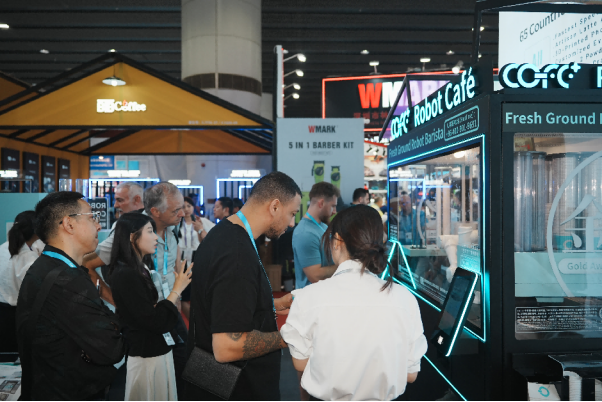
7th-Genertion Smart Robot Coffee Kiosk Arrives at the Belt and Road Core Hub, Ushering in a New Service Era Along t……
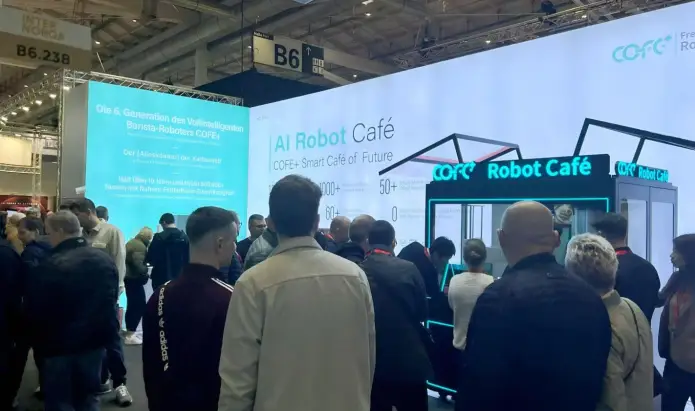
CHICAGO, May 12, 2026 (GLOBE NEWSWIRE) – Shanghai Hi-Dolphin Robot Technology today announced the U.S. debut of its 7th‑……