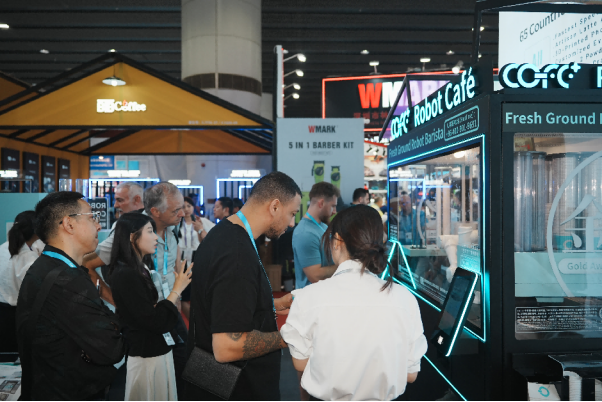
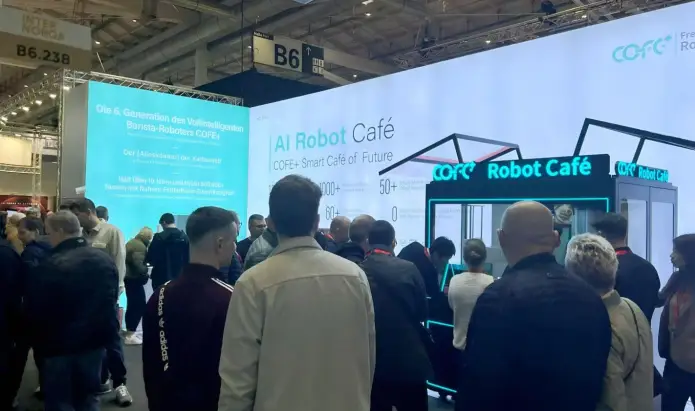
Highway rest area coffee service sits between two hard obligations. Drivers want fresh coffee at odd hours in unpredictable bursts, but operators cannot keep baristas staffed through midnight lulls and holiday peaks. A robot coffee kiosk built for highway rest areas closes that gap with fresh-ground preparation and unattended operation. The machine still has to earn its place through rapid queue turnover, consistent quality across hundreds of cups, and survival in diesel exhaust and road salt. Jason Liu, AI retail technology strategist at Shanghai Hi-Dolphin Robot Technology, has evaluated these deployments across more than 35 countries. The deciding factor is rarely the robot arm; it is whether the kiosk matches the rest area’s actual demand curve.

The Highway Rest Area Coffee Service Gap
Traditional coffee service at a rest area runs on two unstable assumptions. The first is that volume justifies a fixed labor schedule. The second is that demand stays predictable enough to plan shifts. Neither holds for long. Weekend exodus traffic can triple morning volume between 6 a.m. and 9 a.m., then fall to a trickle by late evening. Staffing for the peak leaves idle labor during off-peak hours. Staffing for the average leaves a long queue during the only hours that matter.
Highway rest areas also sit far from dense labor pools. Barista turnover rises because the location is hard to reach, the schedule is antisocial, and the work is repetitive. An unmanned coffee kiosk does not solve every one of those problems by itself, but it removes the binding constraint: the employee schedule. That is why the evaluation should start with demand pattern and site access rather than a vague interest in automation.
Robot Coffee Kiosk Requirements for Highway Rest Areas
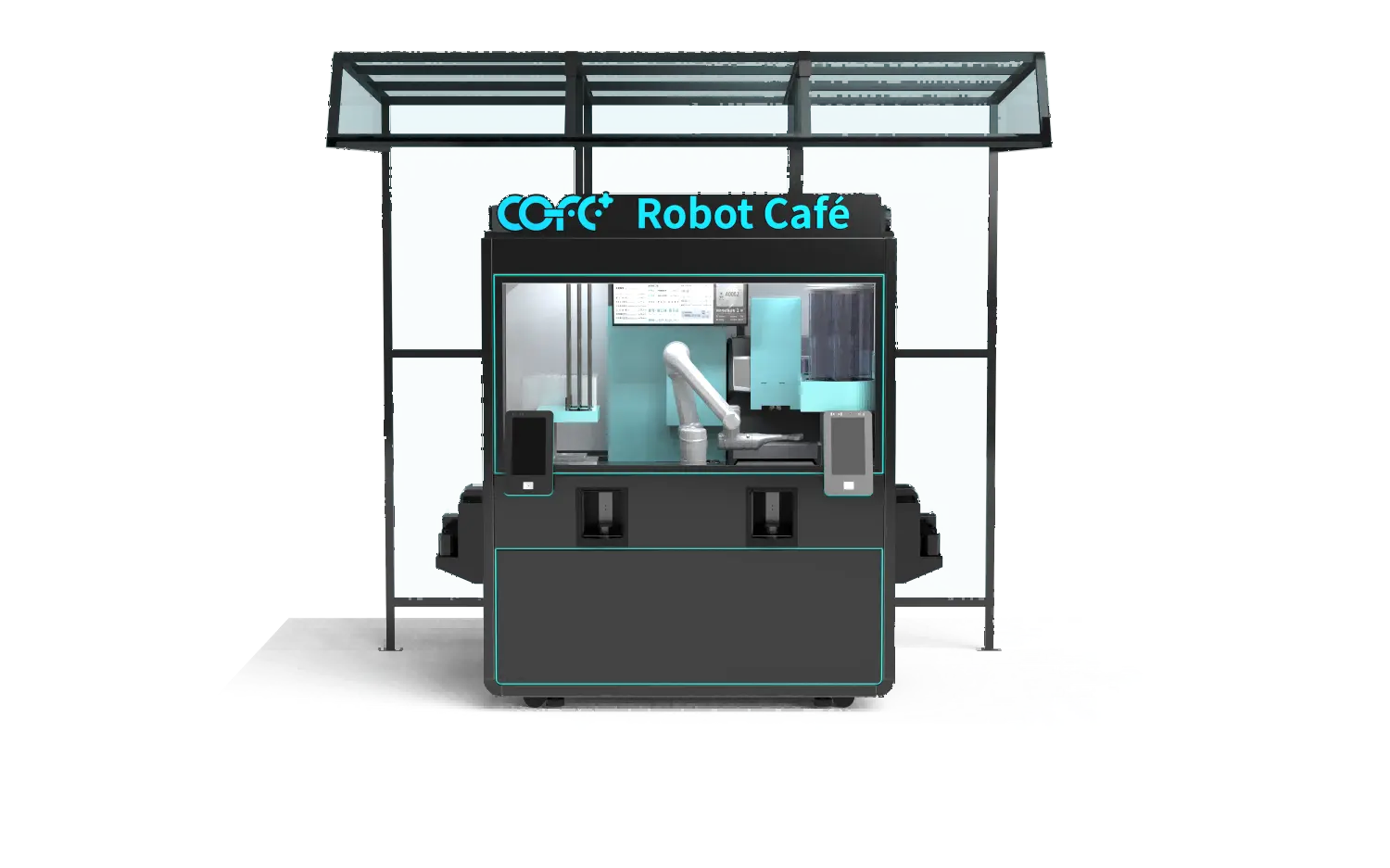
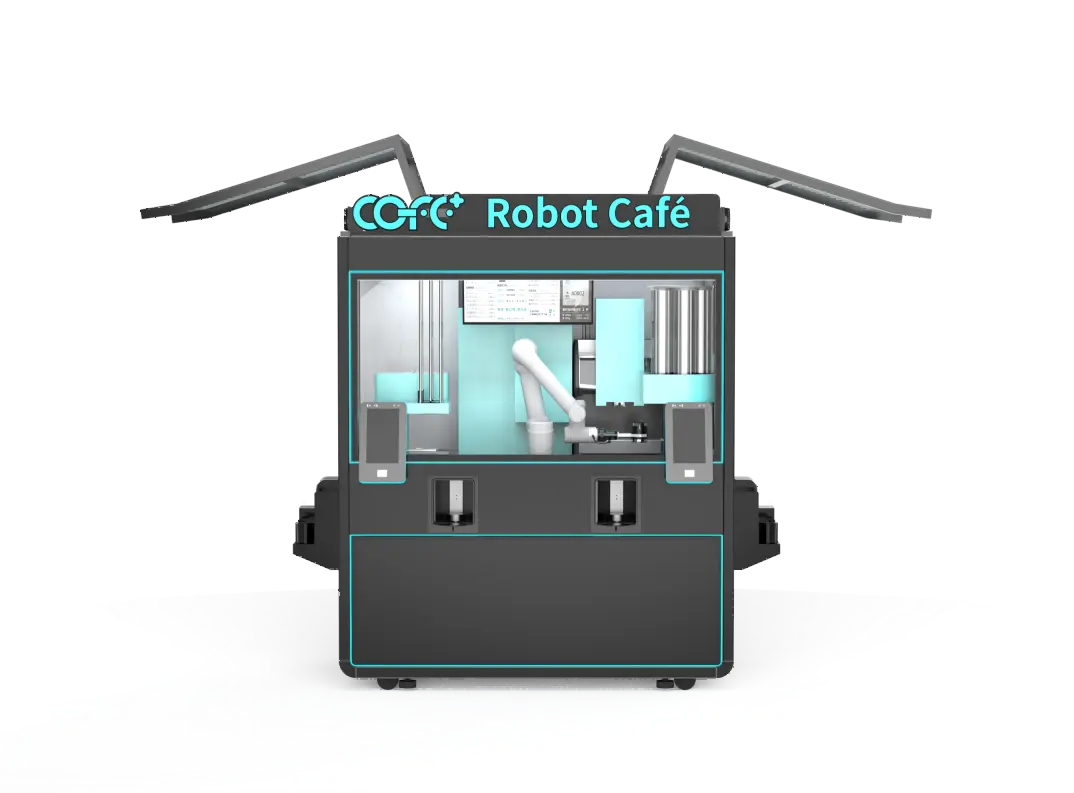
An automated coffee machine at a highway rest area is not a standard vending machine. It has to grind beans, steam milk, track cup inventory, and run cleaning cycles without a person on site. The COFE+ 7th generation smart coffee robot kiosk is built around that requirement. It prepares a cup in 43 to 60 seconds, which matters when a busload of 50 passengers enters the building at once. The system holds more than 300 drink recipes and 5,000 customization combinations, so operators do not need to reduce the menu to black coffee to make unattended operation work.
Which site conditions create the most service calls?
Power instability, water pressure drops, and blocked drainage create more service calls than the robot itself. Rest area operators should confirm utility capacity before installation, especially where the building shares a feed with kitchen equipment, air handling, and highway lighting. A kiosk that loses water pressure mid-cycle will stop serving and trigger a remote alert. A kiosk with a poorly routed drain line will eventually attract service visits. The mechanical system is reliable; the site preparation around it determines whether that reliability reaches the customer.
What does unattended fresh coffee actually require?
Fresh coffee in an unattended kiosk means beans ground per cup, milk stored under temperature control, and cleaning cycles that match food-contact standards. The indoor COFE+ model uses automatic 85°C+ high-temperature sterilization and an anti-microbial stainless-steel interior to keep the beverage path clean between cups. Operators still need to plan bean, milk, and cup replenishment, but the kiosk reports stock levels through cloud monitoring, so restocking can follow consumption rather than a fixed daily visit.
Indoor and Outdoor Robot Coffee Kiosk Placement
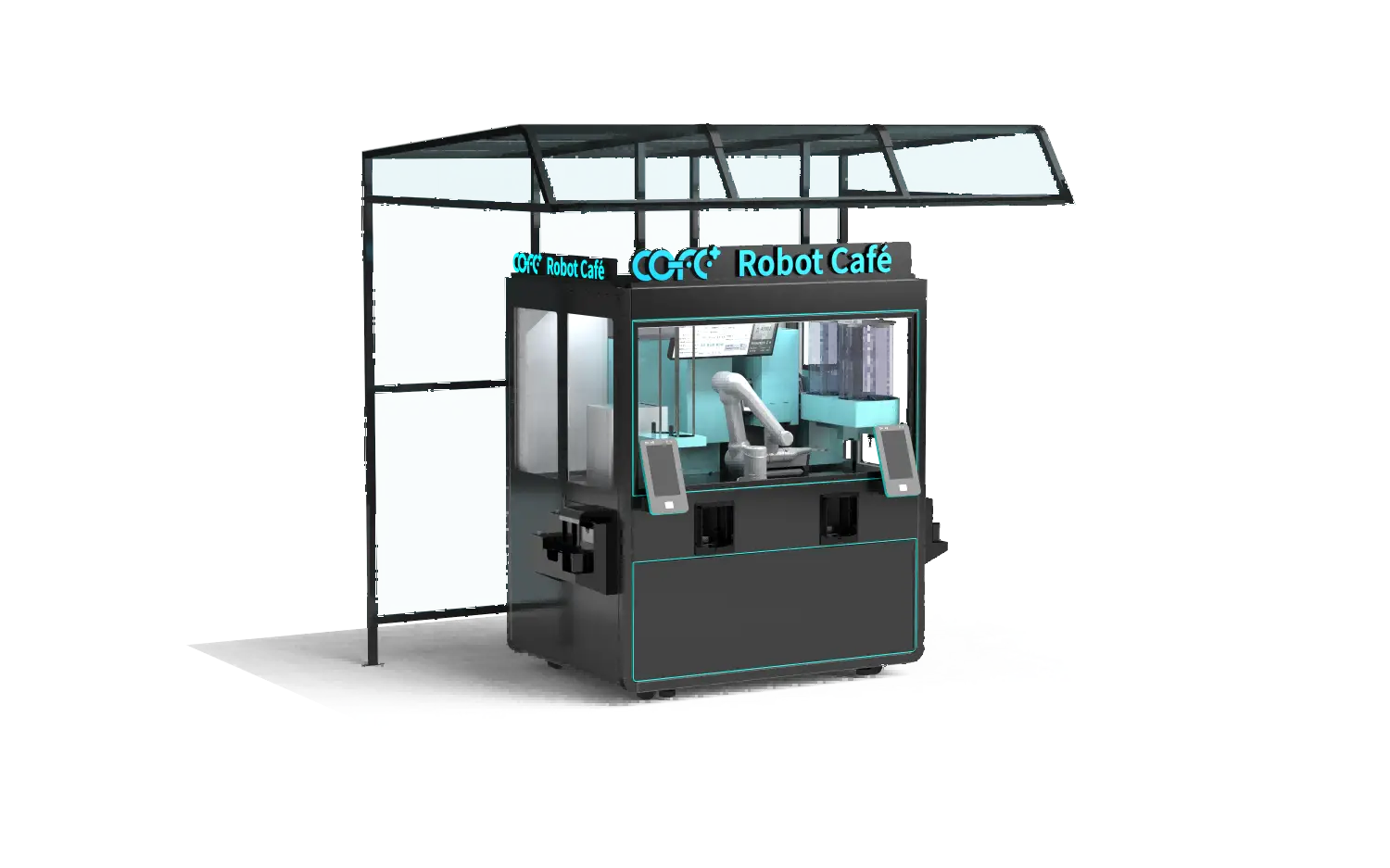
Placement determines whether a rest area kiosk captures drivers who are passing through. The indoor model takes up 2.35 square meters and works inside the main building, near restroom corridors or food court entrances. The outdoor model is rated for all-weather operation from -20°C to 45°C and carries an IP54-rated enclosure for dust and water resistance.
| Factor | Indoor robot coffee kiosk | Outdoor robot coffee kiosk |
|---|
| Huella | 2.35 m² inside the main building | Compact outdoor-rated enclosure |
| Operating range | Climate-controlled room | -20°C a 45°C |
| Protection | Enclosed interior | IP54 dust and water resistance |
| Capacidad | 43 to 60 seconds per cup | 43 to 60 seconds per cup |
| Cleaning | Automatic high-temperature sterilization | Fully enclosed waste system with anti-microbial interior |
Outdoor placement usually wins when the building is small, the covered walkway is limited, or an indoor queue would block the main entrance. Indoor placement wins when the facility has climate control, clear sight lines from the parking lot, and enough ceiling height for exhaust. In highway rest area deployments we have supported, the strongest outdoor sites placed the kiosk within 20 meters of the restroom exit and used two-sided signage visible from the parking lanes. Those sites converted more passersby because the queue formed before people committed to the food court.
If the site is exposed to road salt, freezing rain, or summer heat above 40°C, confirm the outdoor unit’s environmental rating and the available power and drainage points before signing a lease line. Send your site’s peak and trough traffic estimates to sales@hi-dolphin.com and we will confirm which configuration fits the rest area.
Throughput and Menu Planning for Rest Area Peaks
The practical limit at a highway rest area is not the machine cycle. It is how fast the next customer decides. A robot coffee kiosk can produce a drink in under a minute, but a family of four reading a long menu can stall the queue far longer than the robot arm. Menu presentation matters more than the number of recipes the machine can store.
Which menu items hold up during highway peaks?
Top sellers at highway locations tend to be familiar drinks ordered in volume: latte, cappuccino, americano, and iced coffee in hot climates. The kiosk can carry 300+ drinks, but operators should present a shorter default menu of roughly 12 to 20 items and move seasonal or local options to a secondary screen. This cuts decision time and keeps the queue moving. The goal is not to show every capability. The goal is to make the next customer choose in under ten seconds.
How should a rest area arrange the queue zone?
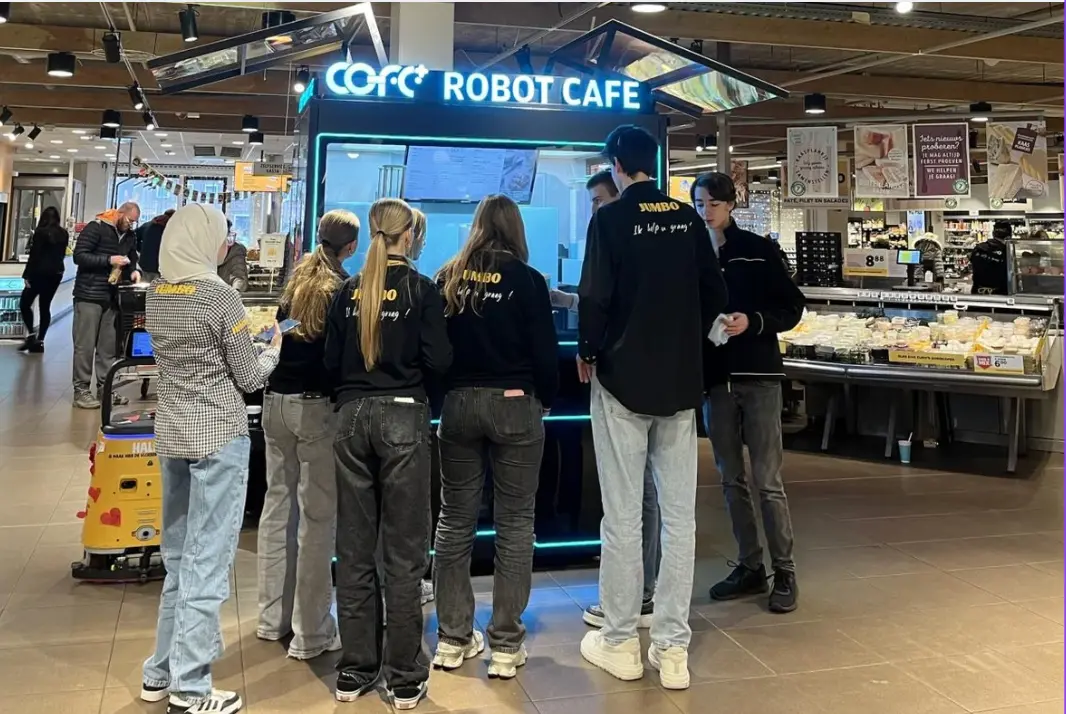
Queue space is part of the machine’s throughput equation. A kiosk placed directly against a narrow walkway will lose sales because people cannot line up without blocking foot traffic. Mark a queue lane that holds at least six to eight people, keep the pickup area separate from the ordering screen, and place the next-order prompt at eye level while the current drink is made. Peak-hour demand becomes manageable when the customer flow is continuous rather than stop and start.
Sourcing and Launch Support for Highway Rest Area Operators
Unit economics for a rest area kiosk start with the fact that the COFE+ machine replaces roughly six baristas per site. Ingredient and energy cost runs about $0.30 to $0.70 per cup, depending on milk, syrups, and cup size. Operators do not need to cover wages, night-shift premiums, or turnover training. That shifts the main cost from labor to the lease line, utilities, and consumables. For a site with steady highway traffic, many operators reach payback between 6 and 12 months. The figure is not fixed. A poorly placed indoor unit in a rest area where traffic parks far from the building will underperform the same machine placed along the restroom corridor. A seasonal tourist route will behave differently from a commuter corridor.
Highway rest area operators need fresh coffee at all hours, but staffing a barista counter around the clock rarely closes financially at most sites. A COFE+ robot coffee kiosk removes that labor constraint while keeping fresh-ground preparation and food safety compliance. To move from concept to site survey, send your rest area traffic pattern, available utilities, and target launch date to sales@hi-dolphin.com or call +86 131 6630 1290. We will confirm the right indoor or outdoor configuration and the installation requirements before you commit to a lease line.
Common Questions About Robot Coffee Kiosks at Highway Rest Areas
Can a robot coffee kiosk handle a highway rest area’s morning peak without long queues?
Yes, when the queue zone and menu are planned correctly. The machine’s 43 to 60 second cycle is fast enough to clear a rush, but the site must give people room to line up and order without blocking walkways. Rest areas that place the kiosk near the restroom exit and keep the default menu short see steadier throughput than sites that rely on the robot alone. If your peak arrives in tight bursts, confirm the queue length the indoor or outdoor footprint can support before finalizing the lease line.
Do outdoor robot coffee kiosks work in freezing temperatures?
A common assumption is that outdoor units shut down in winter. The COFE+ outdoor kiosk is rated for operation from -20°C to 45°C and carries an IP54-rated enclosure for dust and water resistance. It also uses an enclosed waste system and anti-condensation design, so freezing road conditions do not automatically force the unit indoors. The bigger risk at a cold rest area is usually water supply and drainage routing, not the machine’s internal components.
What happens if the kiosk runs out of milk or cups at night?
cURL Too many subrequests by single Worker invocation. To configure this limit, refer to https://developers.cloudflare.com/workers/wrangler/configuration/#limits
cURL Too many subrequests by single Worker invocation. To configure this limit, refer to https://developers.cloudflare.com/workers/wrangler/configuration/#limits
cURL Too many subrequests by single Worker invocation. To configure this limit, refer to https://developers.cloudflare.com/workers/wrangler/configuration/#limits