Robot Coffee Machines vs. Traditional Coffee Shops: A Cost Comparison for Businesses
Дата выпуска:
In recent years, the rise of automation and artificial intelligence has revolutionized various industries, and the coffee industry is no exception. With the emergence of robot coffee machines, businesses now have an alternative to the traditional coffee shop model. But how do these automated machines compare in terms of cost? Let’s delve into a cost comparison between robot coffee machines and traditional coffee shops to help businesses make an informed decision.
Initial Investment
Opening a traditional coffee shop requires a significant initial investment. Costs include rent, renovation, furnishings, equipment (espresso machines, grinders, brewing equipment, etc.), Point of Sale (POS) systems, and more.
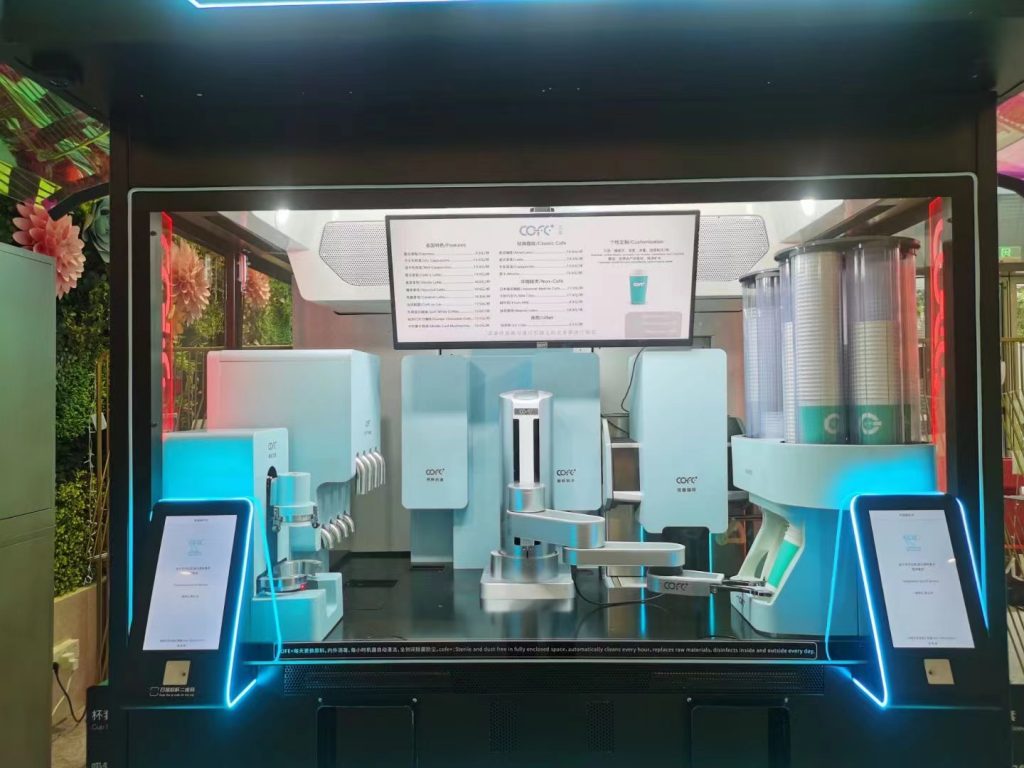
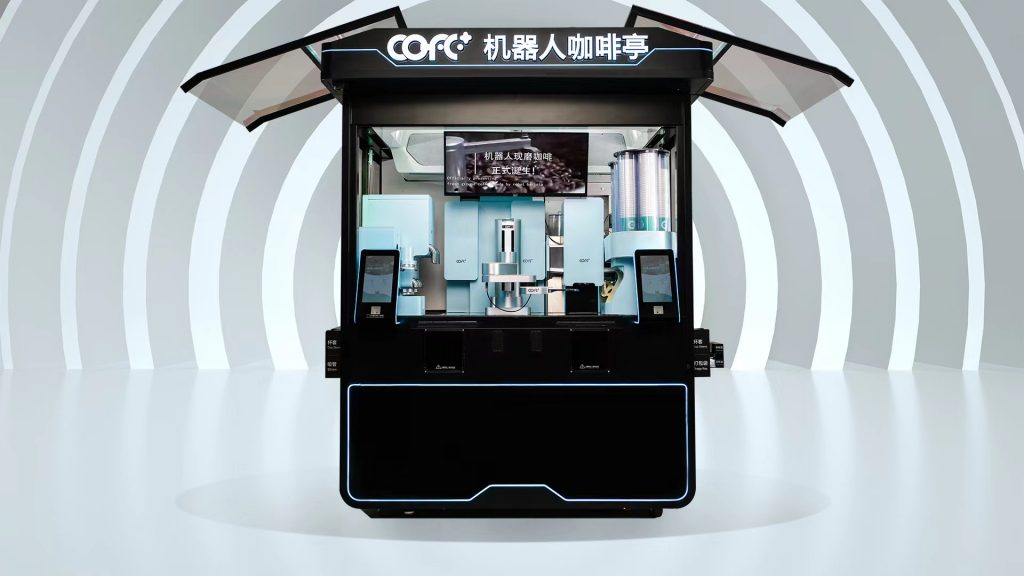
On the other hand, robot coffee machines require a comparatively lower initial investment. The cost primarily includes purchasing the machine(s), installation, and training staff on operating and maintaining the robots.
Labor Costs
One of the significant advantages of robot coffee machines is their ability to operate autonomously, eliminating the need for human baristas. Traditional coffee shops, on the other hand, require a team of skilled baristas to prepare and serve coffee. Labor costs can be a significant portion of a coffee shop’s expenses, including wages, benefits, training, and scheduling. By opting for robot coffee machines, businesses can significantly reduce labor costs and allocate resources to other areas of their operations.
Operating and Maintenance Costs
Traditional coffee shops have ongoing operating costs, including raw materials (coffee beans, milk, syrups, etc.), utilities, rent, insurance, marketing, and equipment maintenance. Maintenance costs for espresso machines and grinders can be significant, requiring regular servicing, repairs, and replacement parts.
Robot coffee machines have lower ongoing operating costs as they require fewer resources. Maintenance costs primarily involve routine servicing, occasional repairs, and replenishing coffee beans and other consumables. However, businesses must also consider the initial investment in robot maintenance training or outsourcing services.
Maintenance and Repairs
Both robot coffee machines and traditional coffee shop equipment require regular maintenance and occasional repairs. However, robot coffee machines are often equipped with self-diagnostic capabilities, alerting businesses to any issues and reducing downtime. Traditional coffee shops may need to rely on external technicians for repairs, which can be costly and time-consuming.
Adaptability and Customization
One advantage of traditional coffee shops is the ability to provide a personalized experience. Baristas can interact with customers, adjust recipes based on preferences, and customize beverages according to individual tastes. This human touch often creates a loyal customer base.
While lacking the human touch, robot coffee machines are highly customizable through their programming. Customers can choose various options such as coffee strength, type, temperature, and add-ons like syrups or creamers. By offering a broad range of choices, businesses can cater to diverse customer preferences effectively.
When considering the cost comparison between robot coffee machines and traditional coffee shops, businesses need to weigh the initial investment, labor costs, efficiency, maintenance, and customer experience. Robot coffee machines offer advantages in terms of lower labor costs, increased efficiency, and reduced maintenance. However, traditional coffee shops provide a personalized customer experience that can be a significant draw for certain demographics.
Ultimately, the decision between robot coffee machines and traditional coffee shops depends on the specific needs and goals of each business. Some businesses may find that the cost savings and efficiency of robot coffee machines align with their objectives, while others may prioritize the personalized touch and customer interaction offered by traditional coffee shops.
At Shanghai Hi-Dolphin Robot Technology Co., Ltd. , we understand the evolving landscape of the coffee industry and the need for businesses to adapt to changing consumer demands. As a leading manufacturer of coffee machines, we offer a range of innovative solutions, including our state-of-the-art робот-кофе machines. With our expertise and commitment to excellence, we aim to revolutionize the way businesses operate their coffee shops.
We invite you to explore our range of coffee machines and embrace the future of coffee service. Join the growing number of businesses that have embraced the convenience and cost-effectiveness of robot coffee machines. Let us help you transform your coffee shop into a modern and efficient operation that meets the demands of today’s discerning coffee enthusiasts.
SYDNEY NEWS — Sydney, a beautiful metropolis, defines the modern standards of a world-class city with its demand for cleanliness, dedication to environmental sustainability, embrace of diverse tastes, and pursuit of round-the-clock vibrancy. Nowadays, an AI-driven revolution originating from China is making its way to these shores. The world’s First 6th Generation Fully Intelligent Coffee Robot, COFE+, has quietly entered Sydney’s core business districts. The Pristine Blue Coastline: A Testament to High-Tech Belief Sydney’s purity stems from its protection of every inch of beach and seawater. This deep-rooted belief in hygiene resonates profoundly with COFE+’s ultimate safety system. COFE+ integrates over 10 food safety technologies—from UV and ozone sterilization, cold-chain freshness preservation, and full-process high-temperature steam sterilization to zoned isolation—achieving
BUCHAREST NEWS — A wave of AI-driven innovation originating from China has recently swept into Eastern Europe. Shanghai Hi-Dolphin Robot Technology Co., Ltd., the undisputed global leader in beverage robotics, has introduced its industry-acclaimed “all-round champion” — the 6th Generation COFE+ Fully Intelligent Robot Café — to the core commercial district in Bucharest, the capital of Romania. This marks another significant milestone in COFE+’s global expansion and signals how “Chinese intelligent manufacturing,” centered on “new quality productive forces”, is profoundly reshaping the global real economy with its disruptive technological prowess and business model. From Shanghai to an Eastern European Capital: The Technological Evolution Behind a Cup of Coffee As early as July 2024, the enhanced 5th Generation model of COFE+
BANGKOK NEWS— Beyond the shimmering Chao Phraya River and the golden majesty of the Temple of the Emerald Buddha, the true rhythm of Thailand’s capital resonates through its ceaseless streets, diverse culinary dining table, and the world-renowned warmth from all kinds of persons around world of its hospitality. Known as the “Siam City That Never Sleeps,” this vibrant Asian hub serves not only as a tourist travel haven but also as a proving ground for the future of modern service. Recently, the world’s First 6th Generation Fully Intelligent Coffee Robot, COFE+, made its debut in Bangkok’s core commercial district, heralding an AI-driven transformation of the city’s consumption scene. Bangkok——The Kingdom of Food: A Café That Embraces the World’s Flavors Bangkok
Оставить сообщение
Пожалуйста, отправьте нам запрос, и мы ответим вам в течение 24 часов.