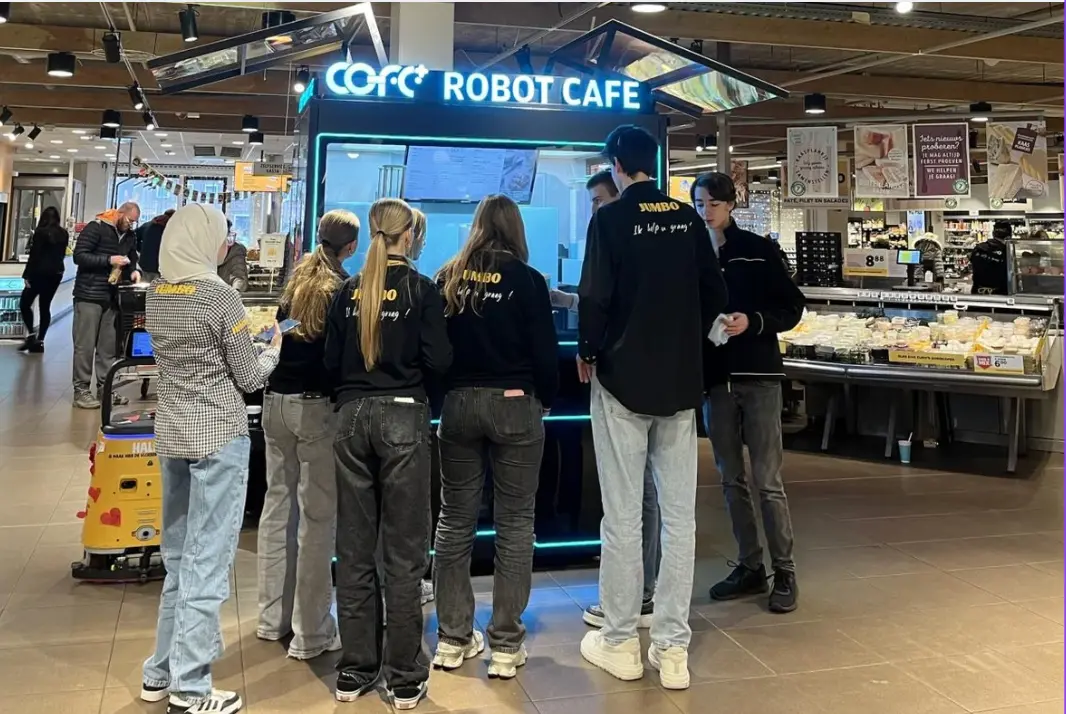
The Rise of Professional Robotic Café Technology: What COFE+ Is and Why It Matters
TL;DR — COFE+ is a fully automated robotic coffee kiosk that grinds fresh beans, brews espresso and lattes, creates latt……

Robot coffee kiosk food contact materials decide whether a machine is safe to serve milk, syrups, and hot water over thousands of cycles. Buyers often check CE or FCC marks and stop there. That misses the actual risk: any component touching the drink, from water lines to pump seals, can introduce off-tastes, mineral leaching, or microbiological growth. I’ll walk through what to inspect before you commit, using the COFE+ 7th generation kiosk as a reference point.
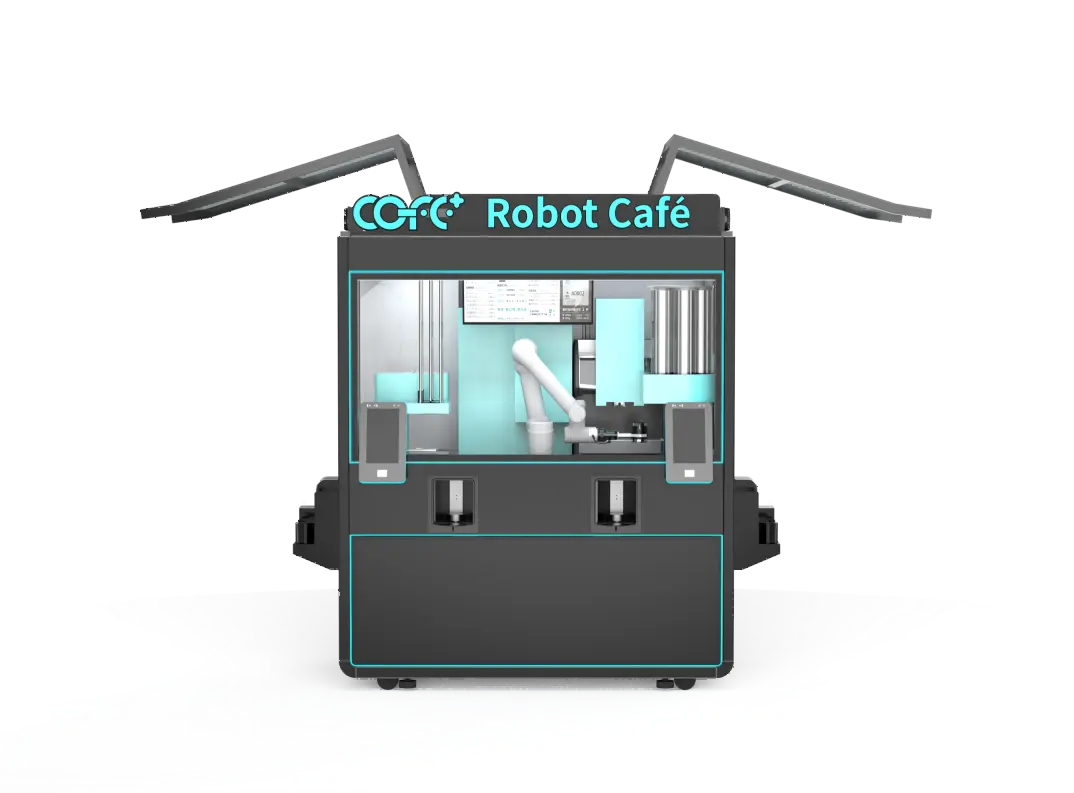
Most buyers watch the robotic arm and the cup handoff. The food contact risk sits earlier, in the sealed path that moves water, milk, syrups, and finished coffee from storage to nozzle. That path includes a boiler or heating tank, tubing, pump internals, solenoid valves, seals, and dispense outlets. Each of these has a material identity that determines whether it can handle hot water, dairy fat, syrup acidity, and cleaning chemicals without releasing substances into the drink.
| Fluid path component | Typical material | What to request |
|---|---|---|
| Water boiler and tank | 304 or 316 stainless steel | Alloy grade certificate and surface finish |
| Tubing and fittings | Food-grade silicone or PTFE | FDA 21 CFR or EU 10/2011 declaration |
| Seals, O-rings, and pump internals | Silicone, EPDM, or food-grade plastics | Migration test under hot water and fatty simulants |
| Dispense nozzles | Stainless steel or approved POM | Taste neutrality and cleaning chemical compatibility |
The materials above are not interchangeable. An industrial O-ring can survive hot water but may leach plasticizers into milk fat. I look for component-level material declarations, not a single machine-level certificate.
CE, UKCA, KC, and SASO confirm electrical safety, market access, or both. They do not confirm that every polymer and seal in the beverage path meets migration limits. Buyers should separate machine-level certification from food contact material evidence.
The documents I look for are material-specific. For plastics, EU Regulation 10/2011 sets migration limits under designated food simulants. For coatings, FDA 21 CFR 175.300 applies. For rubber parts intended for repeated use, FDA 21 CFR 177.2600 is the reference. China GB 4806 standards cover domestic material compliance. The common thread is that each standard names the material type and the test condition, not the whole kiosk.
COFE+ units carry FDA, CE, UKCA, KC, and SASO certifications. Those matter for deployment. When I review a supplier file, I still want the exploded material list behind any certificate, because the two are different layers of the same safety case.
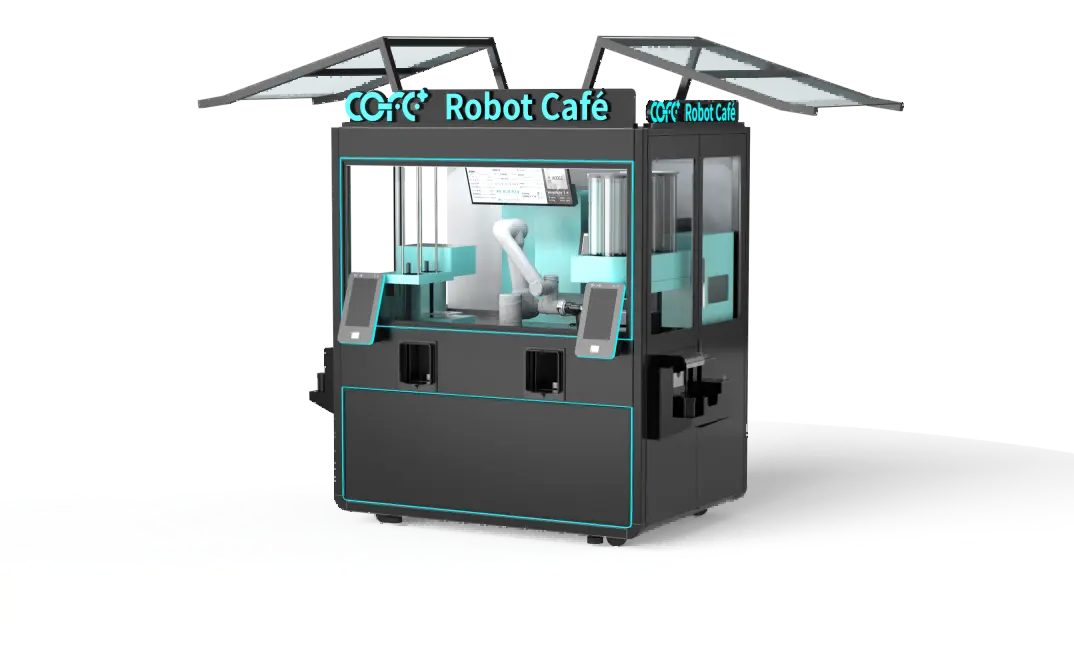
Request two documents early: an exploded fluid path diagram and a bill of materials with contact parts highlighted. Without those, you cannot trace which polymer sits where. When I review supplier data packs, a machine-level CE certificate often masks the absence of polymer migration tests. I ask for the exploded view and check every seal against the intended recipe profile before clearing a site.
A kiosk can pass an electrical inspection on day one and still develop taste drift by month three if a silicone tube selected for water softens with oat milk. That is a material selection failure, not a coffee calibration issue. The repair cost lands in the same fluid path you should have audited before purchase.
If your menu mixes dairy, coconut milk, and syrups, confirm those specific seal compatibility documents before finalizing the order. Send your planned drink matrix to sales@hi-dolphin.com and we can check which material data applies to your configuration.
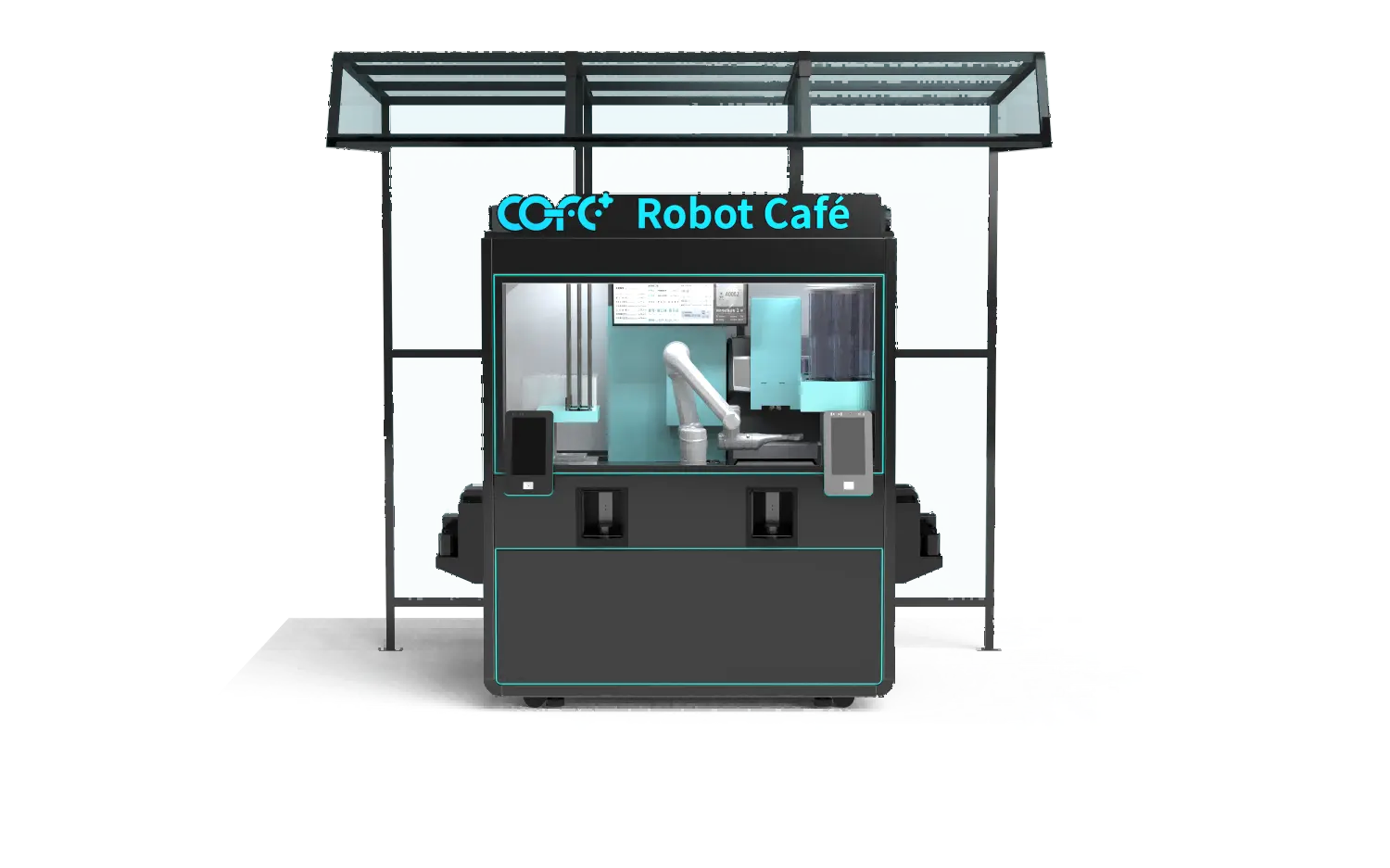
Chemical composition is only half the risk. A rough weld or a dead leg that holds milk residue creates a biofilm problem that no migration certificate can solve. I evaluate internal surface finish, drainability, and whether the cleaning cycle reaches every wetted line.
Stainless steel parts need smooth, passivated welds rather than raw seams. Dispense nozzles should avoid deep threads and crevices where syrup dries. The waste path should be fully enclosed, with no standing liquid near the serving area. In the COFE+ systems we specify, the interior uses antimicrobial stainless steel and the machine runs automatic high-temperature sterilization at 85°C or higher. That combination matters because it addresses both surface chemistry and residue control.
Ask the supplier to walk through the flushing sequence after a high-fat drink and after a syrup-heavy drink. If the drain path holds foam or fat, no material upgrade will fix it. Cleaning design is part of the food contact case, not an afterthought.
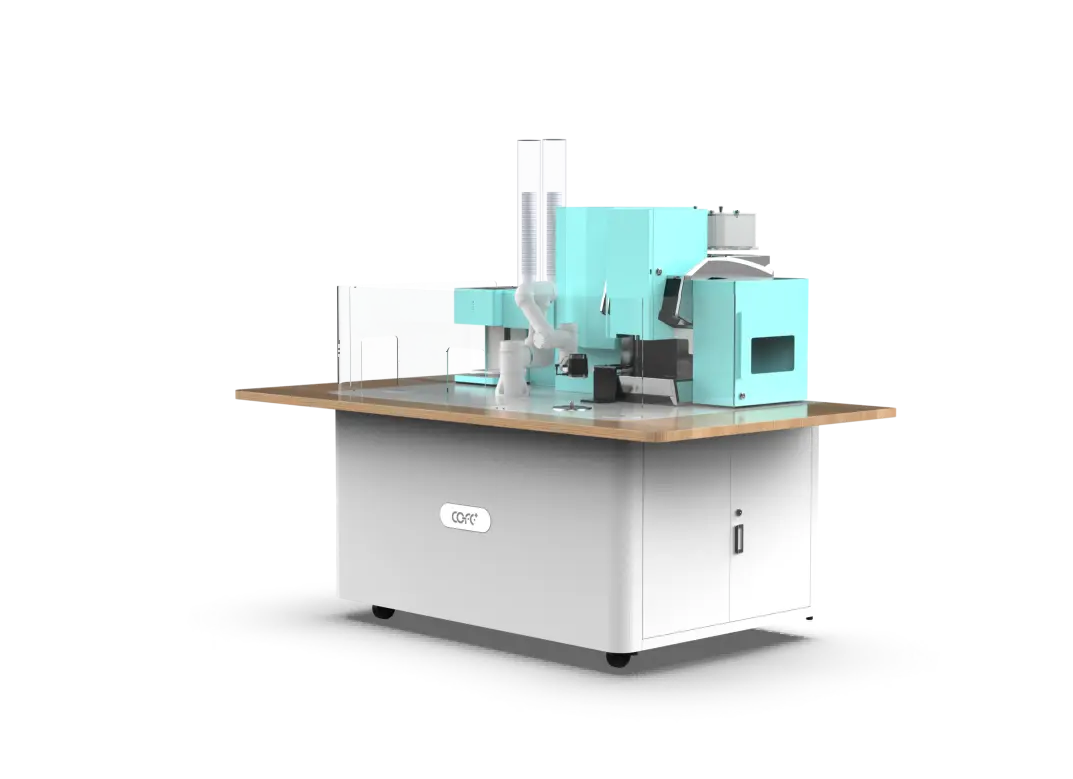
Before shipment, ask the supplier to compile one file:
A documentation gap discovered after delivery stalls site approvals and leaves the operator holding a compliance risk. We keep these records for COFE+ configurations and can review the exact set against your drink menu before you commit. Send your site requirements and planned menu to sales@hi-dolphin.com or call +86 131 6630 1290, and we will confirm the food contact documentation for your order.
No. CE marking addresses electrical safety, electromagnetic compatibility, and relevant machinery requirements. It is not a migration or food contact approval. A polymer tube can pass the machine-level CE review while still needing a separate EU Regulation 10/2011 declaration for plastic contact parts. Before you accept any certificate, confirm that the food contact evidence names specific components rather than the machine as a whole. That distinction separates a real compliance file from a folder of market-access marks.
That depends on the formulation. Oat and almond milks often carry higher starch, oil, or calcium content that deposits differently than dairy. Silicone and EPDM seals rated for whole milk are usually acceptable, but confirm they were tested with fatty food simulants at the same temperatures your menu uses. If the kiosk switches between dairy and coconut milk, the flush cycle becomes as important as the seal material. Ask the supplier for compatibility data for each milk category, not a blanket statement.
Not automatically. The alloy grade, surface finish, and passivation matter more than the label stainless steel. 304 is common for hot water, 316 offers higher corrosion resistance in aggressive water chemistries. A rough weld or untreated surface can trap coffee oils and encourage biofilm even if the base metal is food grade. When reviewing kiosks, I check whether the supplier lists the grade and finish for every wetted steel part, not just the exterior panels.
Compress the request into one paragraph: list each food contact component, its material grade, the applicable FDA or EU regulation, the migration test condition, and the cleaning chemistry tolerance. If a supplier cannot produce that, further sales talk adds nothing. For COFE+ configurations, we can share the material documentation relevant to your menu and site. Send your planned milk types and location requirements to sales@hi-dolphin.com and we will confirm which documents apply before shipment.
TL;DR — COFE+ is a fully automated robotic coffee kiosk that grinds fresh beans, brews espresso and lattes, creates latt……
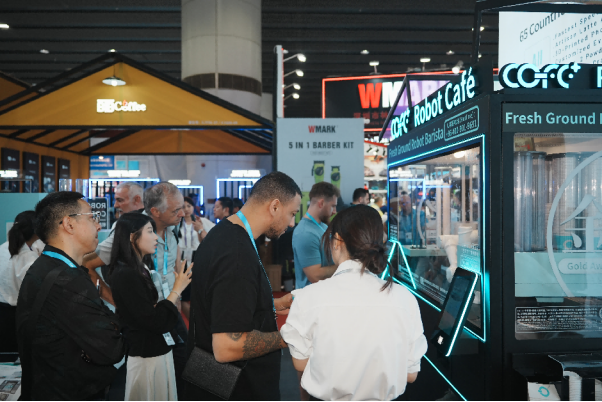
7th-Genertion Smart Robot Coffee Kiosk Arrives at the Belt and Road Core Hub, Ushering in a New Service Era Along t……
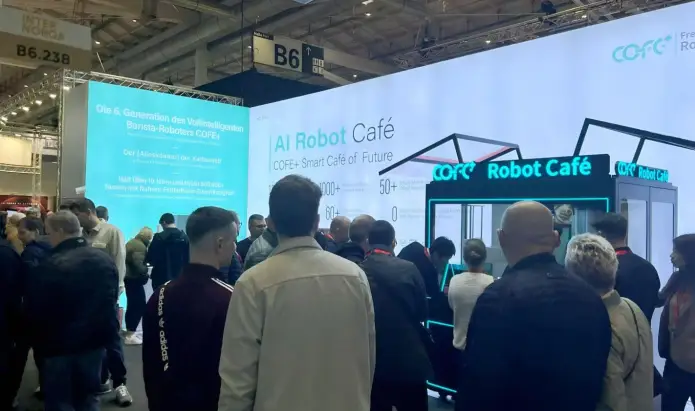
CHICAGO, May 12, 2026 (GLOBE NEWSWIRE) – Shanghai Hi-Dolphin Robot Technology today announced the U.S. debut of its 7th‑……