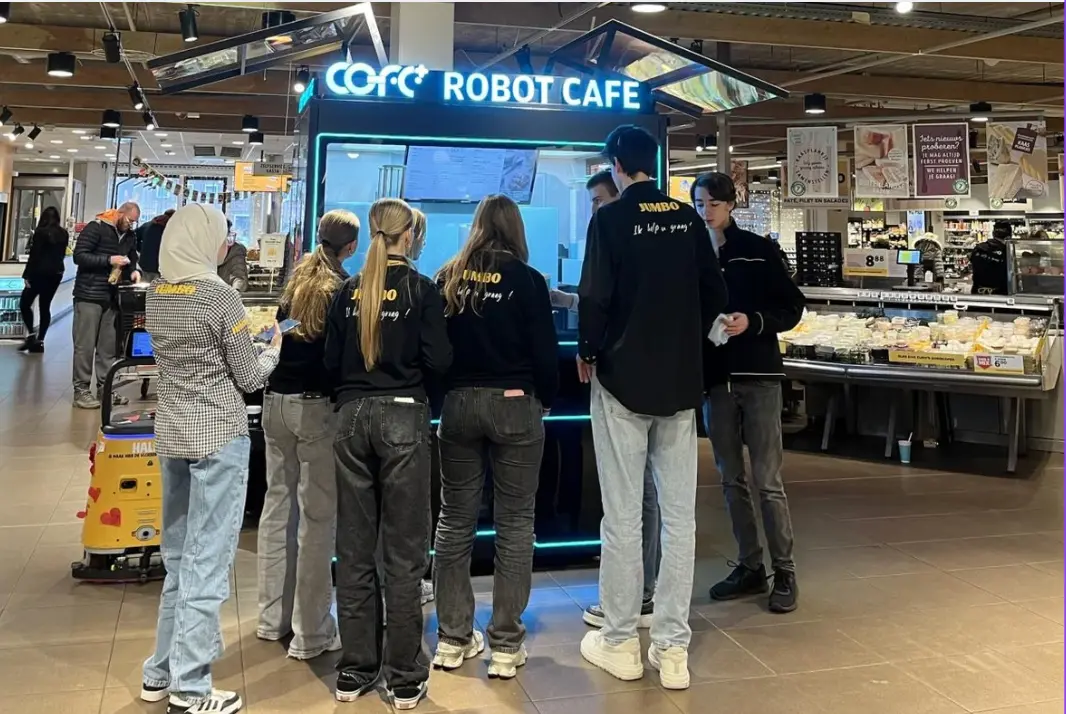
The Rise of Professional Robotic Café Technology: What COFE+ Is and Why It Matters
TL;DR — COFE+ is a fully automated robotic coffee kiosk that grinds fresh beans, brews espresso and lattes, creates latt……

Investing in a 24/7 robot coffee kiosk means committing capital to automated retail infrastructure that operates without staff wages eating into margins around the clock. The financial picture breaks into two phases: what you spend before the first cup pours, and what it costs to keep pouring cups month after month. This breakdown covers both, along with realistic timelines for recovering that initial outlay. The numbers here reflect current market conditions for commercial-grade robotic coffee systems, not promotional estimates.
The upfront capital goes into hardware, site work, software, and enough inventory to start selling immediately. Each category carries its own cost drivers.
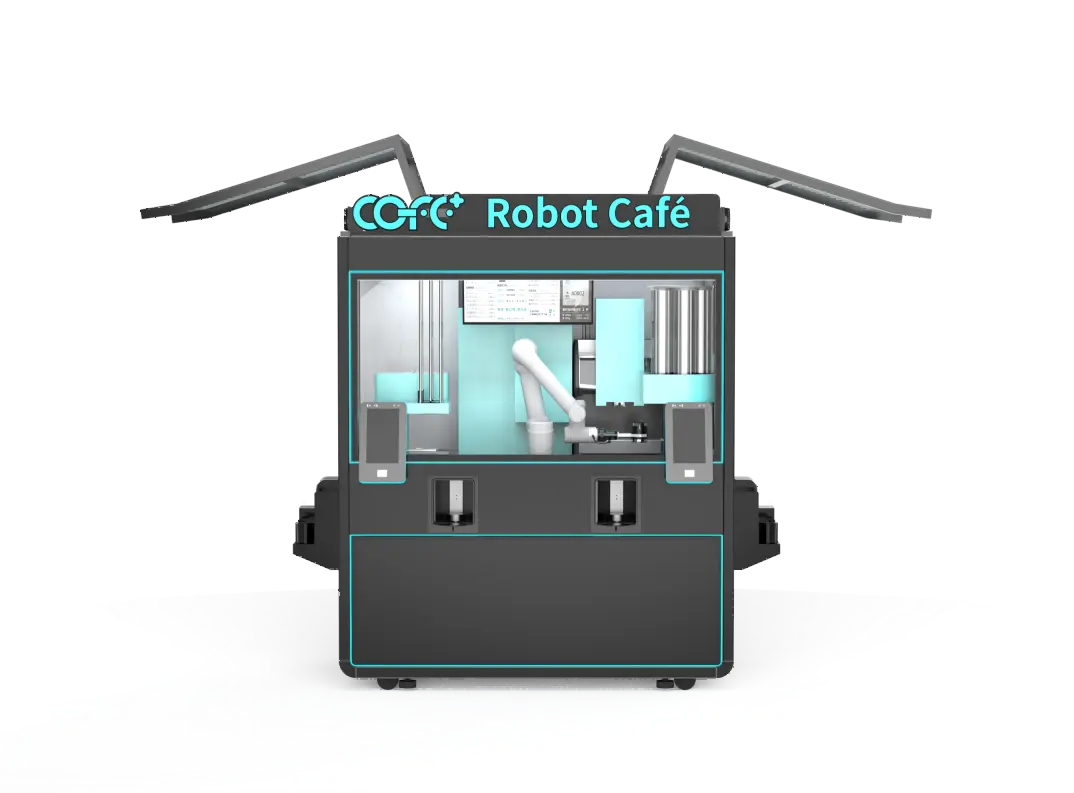
The kiosk unit itself accounts for the largest single line item. Price depends on brewing capacity, drink menu complexity, and whether the system includes features like automated latte art or multiple milk options. A unit capable of producing around 1,000 cups daily with a menu exceeding 300 drink variations—such as the COFE+ 7th Generation Smart Coffee Robot Kiosk designed for indoor deployment—sits at the higher end of the range. That capacity justifies the cost when you calculate what six barista shifts would run you annually.
Site preparation varies wildly by location. A shopping mall with existing electrical and water infrastructure might need minimal work. An office lobby retrofit could require dedicated circuits, water lines, and drainage. Budget conservatively until you have site-specific quotes.
Software licensing covers the operating system running the kiosk plus remote management platforms that let you monitor inventory, diagnose issues, and push menu updates without visiting the machine. Some vendors bundle this into the hardware price; others charge separately.
| Cost Category | Typical Range | What It Includes |
|---|---|---|
| Kiosk Unit | $20,000 – $100,000+ | Robotic arm, brewing system, refrigeration, touchscreen interface, enclosure |
| Installation and Site Prep | $1,000 – $5,000 | Electrical upgrades, plumbing connections, minor construction |
| Software and Licensing | $500 – $2,000 (initial) | Operating system, remote monitoring dashboard, initial configuration |
| Initial Inventory | $300 – $1,000 | Beans, milk, syrups, cups, lids, stirrers |
| Payment Hardware | $200 – $1,000 | Card readers, NFC terminals, mobile payment integration |
Once the kiosk is running, ongoing expenses look fundamentally different from a staffed café. No payroll. No shift scheduling headaches. No barista turnover. The cost structure shifts toward consumables, maintenance, and connectivity.
Ingredient costs scale directly with sales volume. Beans, milk, flavoring syrups, and disposable cups constitute the bulk of recurring spend. Automated inventory tracking helps here—systems that monitor consumption in real time prevent both stockouts and spoilage from over-ordering.
Maintenance falls into two buckets: scheduled servicing and unplanned repairs. Scheduled work includes cleaning cycles, filter replacements, and calibration checks. Unplanned repairs depend heavily on unit quality and operating environment. Dust-heavy locations or extreme temperature swings accelerate wear on moving parts.
Energy consumption runs lower than most operators expect. A well-designed kiosk draws power primarily during active brewing cycles, with standby consumption comparable to a commercial refrigerator. Monthly utility impact typically stays under $100 in most markets.
Payment processing fees follow standard merchant services rates—typically 2% to 3% per transaction depending on your processor and volume. High-volume locations can negotiate better rates.
Some costs catch operators off guard. Specialized cleaning solutions for automated brewing systems cost more than standard café supplies. Software update fees may apply after initial licensing periods. Stable internet connectivity is non-negotiable for remote monitoring, adding a modest monthly line item. AI-driven monitoring platforms like those integrated into Hi-Dolphin systems reduce some of these surprises by flagging maintenance needs before they become emergency repairs.
Revenue potential depends on three variables: location foot traffic, pricing strategy, and operational uptime. A kiosk in a busy airport terminal operates in a different universe than one in a quiet office park.
The primary revenue stream is straightforward: coffee sales. Secondary streams include premium add-ons (oat milk upcharges, extra shots, specialty syrups), branded merchandise if the kiosk design accommodates it, and in some configurations, advertising revenue from screen displays during idle periods.
Pricing requires balancing local market rates against the convenience premium that 24/7 availability commands. Late-night travelers or early-morning commuters often accept higher prices for reliable access. The margin math works differently than traditional retail because your cost per cup stays remarkably consistent—roughly $0.30 to $0.70 depending on drink complexity and ingredient sourcing—while labor costs sit at zero.
A COFE+ 7th Generation unit operating at reasonable capacity in a decent location typically returns the initial investment within 6 to 12 months. That timeline assumes consistent uptime and a location generating steady traffic. Operators who nail site selection and maintain high availability hit the shorter end of that range.
Location selection influences everything downstream. High-traffic placements cost more in rent or revenue-sharing agreements but generate proportionally higher sales. The calculation isn’t just about foot traffic volume—it’s about foot traffic at times when people want coffee and no staffed alternatives exist. Airport red-eye terminals, hospital lobbies, university libraries during finals week: these locations exploit the 24/7 advantage.
Kiosk customization affects both upfront cost and ongoing appeal. Branded enclosures, custom menu configurations, and location-specific drink offerings increase initial investment but can justify premium pricing and build customer loyalty.
Technology integration quality determines maintenance burden. Systems with robust remote diagnostics catch problems early. Poorly integrated components create cascading failures that multiply repair costs.
Supplier agreements for ingredients deserve serious negotiation. Locking in pricing for beans and dairy products stabilizes your cost structure against commodity fluctuations. Some operators overlook this until a sudden price spike compresses their margins.
Regulatory compliance varies dramatically by jurisdiction. Food safety certifications, health permits, and local vending regulations all apply. Hi-Dolphin’s certification portfolio—covering over 50 international standards—addresses most regulatory requirements for global deployment, but local permits still require attention in each market.
Unattended food service falls under food safety regulations even without on-site staff. Expect requirements for health department permits, food handler certifications (even if no one handles food directly), and compliance with local vending machine codes.
Specific requirements typically include documented cleaning schedules, temperature monitoring logs for refrigerated ingredients, proper waste disposal arrangements, and product labeling that meets local consumer protection standards. Accessibility compliance matters in public spaces—ADA requirements in the US, equivalent standards elsewhere.
Some jurisdictions classify robot kiosks differently than traditional vending machines, which can trigger additional permitting requirements. Research local regulations before committing to a site.
The case for robotic coffee extends beyond immediate labor savings. Consistent product quality eliminates the variability that comes with human baristas having good days and bad days. Every cup meets the same specification, which builds customer trust in the product.
Operational data from connected kiosks provides insights that staffed locations rarely capture. You know exactly which drinks sell at which hours, how long customers wait, which ingredients move fastest. That data informs menu optimization, inventory planning, and site selection for future deployments.
Scalability follows a different curve than traditional retail. Opening a second staffed café means doubling your management overhead and hiring challenges. Deploying a second kiosk means shipping hardware and connecting it to your existing monitoring infrastructure. The marginal complexity of expansion drops significantly.
AI and IoT integration continues advancing. Current systems handle predictive maintenance, dynamic pricing based on demand patterns, and automated reordering when inventory drops below thresholds. Hi-Dolphin’s platform development focuses on these capabilities, positioning operators for competitive advantage as the technology matures.
Robot kiosks replace specific barista functions extremely well: consistent drink preparation, fast service during rush periods, and availability during hours when staffing is impractical or prohibitively expensive. A machine doesn’t call in sick, doesn’t need breaks, and doesn’t require training when the menu changes.
What robots don’t replicate is the social dimension of coffee culture. The regular who wants to chat about their weekend, the customer who needs help deciding what to order, the barista who remembers your name—these interactions don’t translate to automated service.
The practical answer is that robot kiosks serve different market segments than artisanal coffee shops. They compete with convenience-focused options: quick-service chains, office break rooms, vending machines. In those contexts, they win on quality, variety, and availability. They’re not trying to replace the neighborhood café where people linger for hours.
What is the typical lifespan of a robot coffee kiosk?
Commercial-grade units last 5 to 7 years with standard maintenance, though well-engineered systems can exceed that. The COFE+ line is designed for 10-year operational life and tested to handle over 500,000 cups. Component replacement during that lifespan—pumps, grinders, seals—is normal and budgeted as part of maintenance costs.
How much floor space does an unattended coffee kiosk require?
Most compact models occupy 3 to 5 square meters, making them viable for locations where traditional cafés wouldn’t fit. The COFE+ Indoor Kiosk runs about 2.35 square meters. Smaller footprints command lower rent in high-value locations, improving the unit economics.
Does operating these kiosks require specialized staff?
Day-to-day operation requires no specialized personnel. Remote monitoring handles most operational oversight. Routine tasks—restocking ingredients, basic cleaning, emptying waste bins—can be handled by general facilities staff or a dedicated service route. Technical repairs typically fall under service agreements with the equipment provider.
How long does installation take from delivery to first sale?
Installation timelines range from a few days to two weeks depending on site readiness and unit complexity. If electrical and plumbing infrastructure is already in place, setup moves quickly. Sites requiring construction work extend the timeline. Most vendors provide installation support as part of the purchase.
If your situation involves evaluating specific locations or calculating ROI for a particular deployment scenario, it’s worth discussing site requirements and expected traffic patterns before committing to hardware specifications. To discuss requirements, contact Shanghai Hi-Dolphin Robot Technology Co., Ltd. at sales@hi-dolphin.com or +86 131 6630 1290.
TL;DR — COFE+ is a fully automated robotic coffee kiosk that grinds fresh beans, brews espresso and lattes, creates latt……
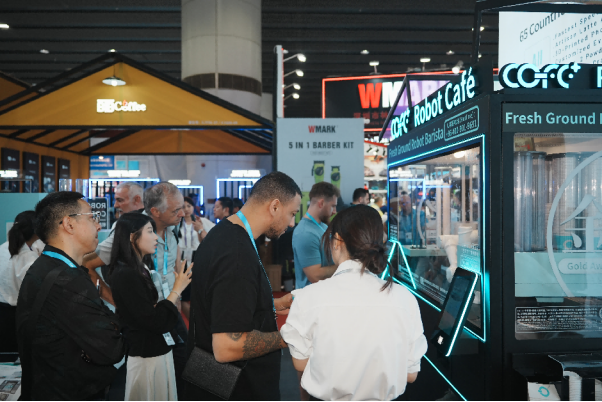
7th-Genertion Smart Robot Coffee Kiosk Arrives at the Belt and Road Core Hub, Ushering in a New Service Era Along t……
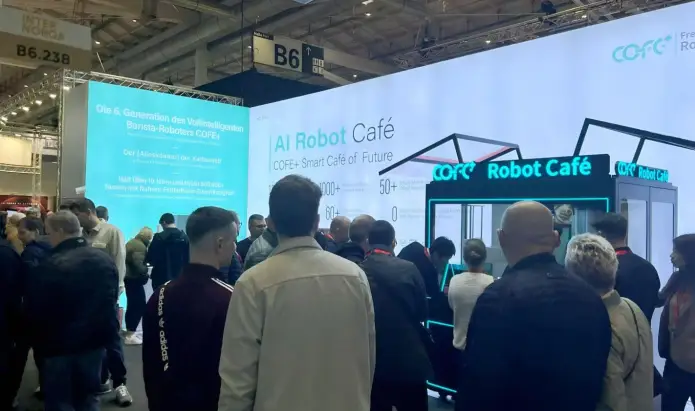
CHICAGO, May 12, 2026 (GLOBE NEWSWIRE) – Shanghai Hi-Dolphin Robot Technology today announced the U.S. debut of its 7th‑……